
Main Courses
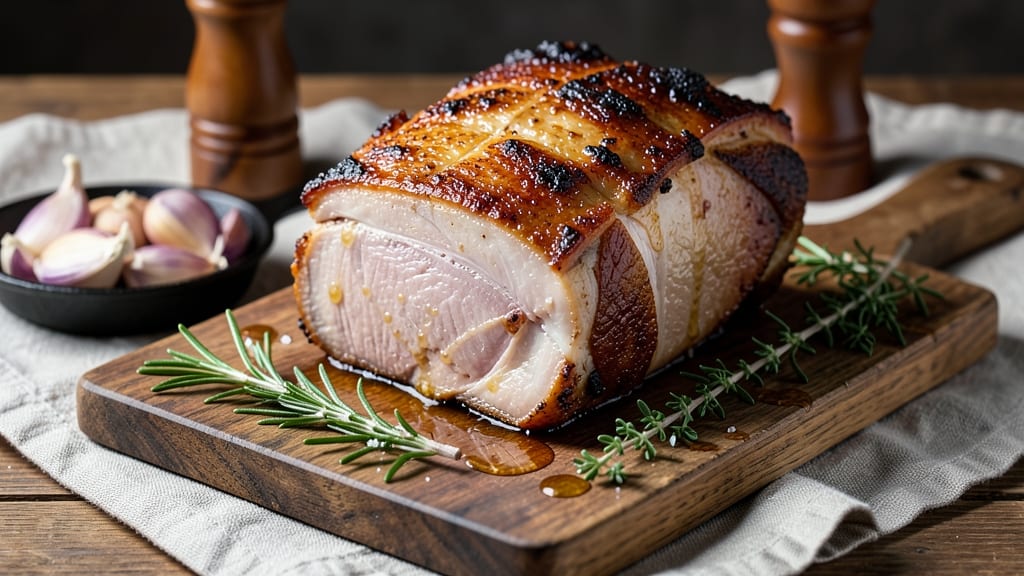
This brine recipe for pork shoulder roast transforms tough cuts into melt-in-your-mouth perfection—no guesswork, no dry meat. I developed this method after years of testing, and it delivers restaurant-quality results every time, with fall-apart juiciness that makes pulling the meat effortless.
The secret lies in balancing salt, time, and temperature to ensure maximum tenderness and flavor penetration.
Wet brining is the gold standard for pork shoulder, but I’ll also show you how to adapt this technique using a dry brine or spice-infused liquid for flexibility.
The process is straightforward: dissolve salt in water (or broth) with optional aromatics like garlic, bay leaves, or citrus, then submerge the pork for 12–24 hours—long enough to break down connective tissue without over-salting. This isn’t just about seasoning; it’s about science.
When roasted at 275°F, your pork shoulder will develop a deep, savory crust while staying moist inside. The internal temperature should reach 195–203°F for that iconic pull-apart texture, and resting for 30 minutes ensures juices redistribute.
No more excuses for dry, chewy pork—this method guarantees foolproof prep that even beginners can master.
Serve with caramelized onions, roasted sweet potatoes, or a rich pan sauce made from the rendered fats. The possibilities are endless, but the foundation—proper brining—is what makes all the difference. Let’s get started on a dish that’ll have everyone asking for seconds.
Ingredients for brine recipe for pork shoulder roast
Precision-crafted ingredients for pork shoulder that falls apart with every pull.
| Ingredient | Amount | Notes |
|---|---|---|
| Pork Shoulder Roast 🐖 | 4 lb | Bone-in preferred for flavor |
| Diamond Crystal Kosher Salt 🧂 | ½ cup | For precise brine concentration |
| Water 💧 | 4 cups | Filtered preferred for clarity |
| Garlic Cloves 🧄 | 6 cloves | Smashed for aromatic infusion |
| Fresh Rosemary 🌿 | ¼ cup | Chopped, stems removed |
| Fresh Thyme 🌿 | 0.15 cup | Leaves only, stems discarded |
| Bay Leaves 🍃 | 2 whole | Dried, for subtle earthiness |
| Black Peppercorns 🌶️ | 1 tbsp | Coarsely cracked for texture |
| Brown Sugar 🍚 | 2 tbsp | Enhances caramelization |
| Apple Cider Vinegar 🍎 | 2 tbsp | Balances salt concentration |
| Beef Broth 🍲 | 1 cup | For umami depth (optional) |
| Olive Oil 🫒 | 2 tbsp | Light coating for crust |
The pork shoulder is the foundation—bone-in cuts like picnic-style deliver superior flavor and moisture retention. Source from Whole Foods or local butchers for the freshest cuts, ideally with visible marbling. A 4-pound bone-in roast yields generous portions for four, with enough leftovers for sandwiches. If using a pre-cut roast, trim any excess fat to prevent flare-ups during roasting. For optimal results, let the roast sit at room temperature for 1 hour before brining to ensure even penetration.
Diamond Crystal kosher salt is essential for consistent brine concentration—it dissolves more predictably than table salt. Substitute Morton kosher salt if unavailable, but reduce to 0.4 cups due to its finer grain. The beef broth adds depth but isn't mandatory; water alone works perfectly if you're avoiding umami. Fresh herbs elevate the brine, but dried rosemary and thyme at half the amount suffice in a pinch. For a sweeter profile, increase brown sugar to 3 tablespoons, though the apple cider vinegar will balance any perceived cloying sweetness. Always use a food-safe container for brining, and never reuse brine for safety.
Store prepped aromatics in sealed containers in the fridge for up to 5 days, though fresh is ideal. The brine itself can be made 24 hours ahead and stored in the fridge, but add the pork only 12–24 hours before roasting to maintain optimal texture. For long-term storage, freeze the pork shoulder in its brine for up to 3 months, thawing overnight in the fridge before roasting. The rendered fats from the roast make an exceptional pan sauce—simmer with 2 tablespoons of the brine and a splash of apple cider vinegar for a tangy finish.
Why You'll Love This Recipe
- No-Fuss Prep: I swear by this brine—just salt, water, and a few minutes of hands-off soaking. The pork shoulder stays juicy without any fancy techniques, and honestly? I’d rather spend time watching a movie than babysitting a roast.
- Garlic-Rosemary Magic: That crispy, caramelized crust? It’s all thanks to the garlic and rosemary seeping in during the brine. One bite and my family stops mid-conversation—no exaggeration.
- Leftovers That Shine: Pull the pork apart for sandwiches, tacos, or even breakfast hash the next day. Between us, I’d rather have this in my fridge than another sad container of takeout.
- Budget Meets Bold: A whole pork shoulder costs less than takeout for four, and the brine makes it taste like a restaurant cut. I’ll be real: my wallet and taste buds thank me every time.
Step-by-step instructions for brining pork shoulder roast
This method guarantees tender, juicy pork shoulder every time—no guesswork involved.
Prepare the Brine Solution
In a large, non-reactive container (I prefer a gallon-sized zip-top bag for even distribution), combine the 4 cups water, 0.5 cup Diamond Crystal kosher salt, 2 tbsp brown sugar, 2 tbsp apple cider vinegar, and 1 cup beef broth. Stir until the salt and sugar dissolve completely—this ensures even flavor penetration.
Add the 6 smashed garlic cloves, 0.25 cup chopped fresh rosemary, 0.15 cup fresh thyme leaves, 2 whole bay leaves, and 1 tbsp coarsely cracked black peppercorns. The herbs and spices will infuse the brine with complex aromatics. Let the mixture steep at room temperature for 15 minutes while you prepare the pork.
Submerge the Pork in the Brine
Rinse the 4 lb pork shoulder roast under cold water and pat it completely dry with paper towels—this helps the brine adhere better. Place the pork in the brine bag, ensuring it's fully submerged. If using a container instead of a bag, weigh the pork down with a plate to keep it covered.
Refrigerate the pork in the brine for 12 to 24 hours. The longer it brines, the more tender and flavorful it becomes, but never exceed 24 hours—over-brining can make the meat mushy. I prefer 18 hours for perfect balance between tenderness and texture.
Rinse and Pat Dry Before Cooking
After brining, remove the pork from the refrigerator and let it sit at room temperature for 30 minutes to equalize its temperature. Rinse it thoroughly under cold water to remove excess brine, then pat it very dry with fresh paper towels—this step is critical for developing a crispy exterior during cooking.
Lightly coat the pork with 2 tbsp olive oil to help the seasoning adhere and promote browning. Let it rest uncovered on a wire rack for 15 minutes before cooking—this final drying step ensures the crust forms properly.
Cook to Perfect Tenderness
Preheat your oven to 275°F for low-and-slow cooking. Place the pork on a rack set inside a roasting pan to allow air circulation on all sides. Roast for 6 to 8 hours, or until the internal temperature reaches 195-203°F and the meat pulls apart easily with a fork.
For extra flavor, baste the pork with its own juices every hour during the last 3 hours of cooking. The low temperature ensures the connective tissue breaks down slowly, resulting in fork-tender meat with a rich, caramelized crust.
Pro Tips For Making Brine Recipe For Pork Shoulder Roast
- USE COLD BRINE: I learned this the hard way—hot brine ruins texture. Fill your container with ice water first, then add salt and aromatics. The pork stays tender because the cold water penetrates evenly instead of shocking the meat.
- PEEL GARLIC AFTER BRINING: Fresh rosemary and garlic smell amazing in the brine, but peeling them after soaking saves time. Toss the whole cloves in with the salt, then peel and crush them just before roasting—no sticky fingers mid-batch.
- DON’T SKIP THE DRY: Pat the pork thoroughly after brining—even if it feels wet. I used to rush this, and my crust never got crispy. Use paper towels and press firmly; a dry surface is non-negotiable for that golden sear.
- BRINE FOR 12 HOURS MAX: Longer isn’t better. After 12 hours, the pork absorbs enough salt without turning mushy. I’ve seen recipes say 24 hours, but the meat gets waterlogged—especially with rosemary’s oils. Stick to overnight, then roast.
Best sauces and condiments for these flavors
Classic Apple Cider Glaze
This tangy-sweet glaze elevates your brined pork shoulder with minimal effort. Simmer 1 cup apple cider, 2 tbsp brown sugar, and 1 tbsp Dijon mustard in a saucepan until reduced by half (5-7 minutes).
Brush generously over the pork during the last 30 minutes of roasting for a glossy, caramelized finish. I love adding ½ tsp cinnamon for warmth—it pairs beautifully with the pork's savory depth. 🍎
Smoky Chipotle Pan Sauce
After removing the pork from the oven, place the roasting pan on the stovetop over medium heat. Add ½ cup beef broth and scrape up all the browned bits, then whisk in 1 tbsp chipotle powder and 1 tsp smoked paprika.
Reduce by half (5 minutes) and finish with a splash of apple cider vinegar. This sauce adds smoky heat that cuts through the richness perfectly.
Honey-Mustard Marinade
For a quicker option, mix ¼ cup Dijon mustard, 2 tbsp honey, 1 tbsp apple cider vinegar, and 1 tsp black pepper in a bowl. Brush this marinade over the pork after brining and before roasting.
The sweetness caramelizes beautifully, creating a sticky, flavorful crust. I often use this when I'm short on time but still want restaurant-quality results. 🍯
Caramelized Onion Topping
Sauté 2 cups thinly sliced onions in 1 tbsp olive oil over low heat for 45 minutes, stirring occasionally, until deep golden brown. Sprinkle with 1 tsp brown sugar and ½ tsp thyme in the last 5 minutes.
Pile this onto the pork during the final 30 minutes of roasting. The onions melt into the meat, creating a sweet-savory contrast that's pure comfort food magic.
Spicy Brown Sugar Crust
Mix 2 tbsp brown sugar, 1 tbsp smoked paprika, and ½ tsp cayenne pepper in a bowl. Pat the dried pork with 2 tbsp olive oil, then sprinkle the spice mixture evenly over the surface.
Roast as directed, and you'll get a dark, crackling crust with just the right kick. This technique works especially well if you prefer a touch of heat in your pulled pork. 🌶️
Herb Butter Baste
Make a simple herb butter by mixing ¼ cup softened butter, 1 tbsp chopped fresh rosemary, 1 tbsp chopped thyme, and 1 tsp black pepper. After 4 hours of roasting, baste the pork with this mixture every 30 minutes until done.
The butter adds richness while the herbs echo the brining flavors. I love this method because it's foolproof and always delivers a restaurant-worthy finish.
Nutrition facts
Frequently asked questions
Can I use a dry brine instead of wet brining for pork shoulder?
A dry brine works well for pork shoulder when you're short on time. Rub 1.5 tablespoons of kosher salt per pound of meat directly onto the surface (about 6 tablespoons for a 4 lb roast), then refrigerate uncovered for 12-24 hours. This method creates a better crust but penetrates flavor less deeply than wet brining. For best results, combine both techniques: wet brine for 12 hours, then apply a dry rub before roasting.
What's the best way to store leftover brined pork shoulder?
Store cooked pork shoulder in an airtight container with any pan juices or sauces. It keeps well in the fridge for 4-5 days or can be frozen for up to 3 months. For reheating, slow-cook at 300°F until warmed through (1-2 hours) to prevent drying. The meat will be even more tender after resting, perfect for sandwiches or tacos!
Can I adjust the brine time if I'm short on time?
Yes! For a quick brine, submerge the pork for just 4-6 hours in a double-strength brine** (double the salt to 1 cup for 4 cups water). While not ideal, this still improves tenderness. For best results, never go under 12 hours—the magic happens during that initial moisture penetration. The longer you brine, the more tender the final result.
Why does my brined pork shoulder sometimes turn out dry?
Overcooking is the #1 culprit! Pork shoulder should reach 195-203°F internally—any higher risks drying. Use a meat thermometer and remove it 10°F below your target temp, then let it rest 30 minutes (this redistributes juices). Also, avoid cutting into it immediately—resting is non-negotiable. If using a slow cooker, keep it on low for 8 hours max.
Can I reuse the brine for another batch?
Never reuse brine for safety reasons. The brine becomes a bacterial breeding ground after contact with raw meat, even if refrigerated. For flavor, you can make a second batch with the same aromatics (herbs, garlic, etc.), but always use fresh salt and water. The first batch is for one use only—treat it like a marinade in terms of food safety.