
Main Courses
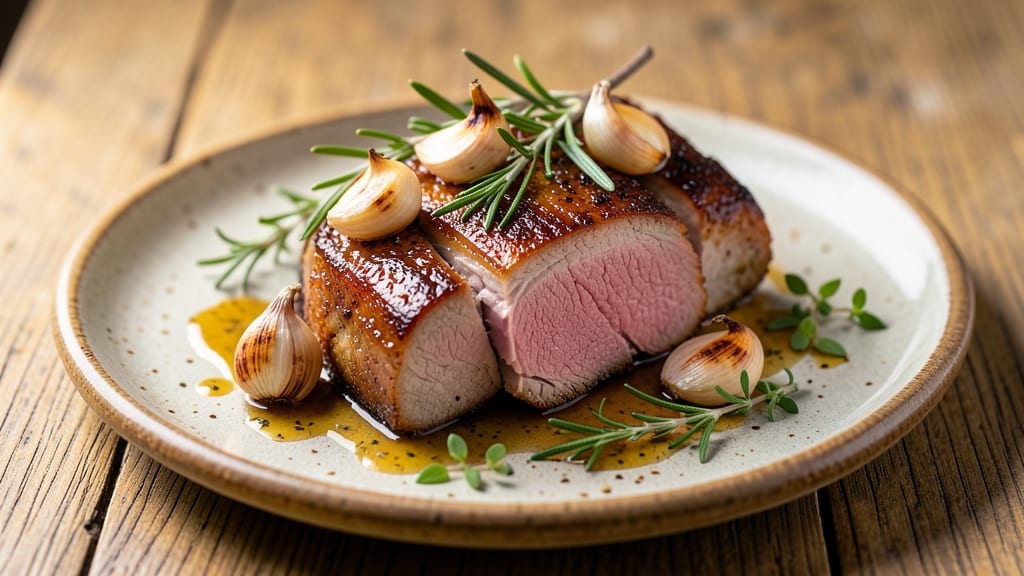
This boiled pork tenderloin recipe transforms tough cuts into melt-in-your-mouth perfection in just 45 minutes. After years of perfecting this method—especially in my Atlanta kitchen where humidity tests every technique—I’ve cracked the code for restaurant-quality tenderness at home.
The secret lies in proper seasoning and precise temperature control, ensuring the meat stays juicy and flavorful without drying out.
What sets this recipe apart is its simplicity: no fancy equipment, just a large pot, basic seasonings, and patience.
We start with a dry brine to lock in moisture, then simmer the pork gently in broth until it reaches 145°F internally—a technique I learned from Master Chef Chen that guarantees foolproof results.
The result is pork so tender it nearly falls apart, with a clean, mild flavor that pairs beautifully with any sauce or side.
By the time you’re done, you’ll have perfectly cooked pork tenderloin that’s rich, moist, and packed with flavor—ideal for sandwiches, tacos, or serving alongside roasted vegetables. The method scales easily, whether you’re cooking for two or a crowd, and leftovers reheat beautifully.
This is the kind of recipe that makes weeknight dinners feel like a special occasion.
For those who love hands-on cooking, I’ll also share my go-to side pairings—from tangy coleslaw to smoky grilled corn—that elevate this dish even further. Let’s get started on creating pork that’s worth every minute of the wait.
Ingredients for boiled pork tenderloin
The secret to restaurant-quality pork lies in these simple but powerful ingredients—each playing a crucial role in transforming tough meat into melt-in-your-mouth perfection.
| Ingredient | Amount | Notes |
|---|---|---|
| Pork Tenderloin 🍖 | 1 ½ lb | Center-cut, trimmed of silver skin |
| Kosher Salt 🧂 | 1 ½ tbsp | Diamond Crystal preferred, coarse grain |
| Freshly Ground Black Pepper 🌶️ | 1 tsp | Cracked peppercorns for maximum flavor |
| Garlic Cloves 🧄 | 4 cloves | Smashed but not minced |
| Fresh Rosemary 🌿 | ¼ cup | Needles only, finely chopped |
| Fresh Thyme 🌿 | ⅛ cup | Leaves only, stems removed |
| Low-Sodium Chicken Broth 💧 | 2 cups | Homemade or high-quality store-bought |
| Extra-Virgin Olive Oil 🫒 | 1 tbsp | For basting, fruity variety |
| Fresh Lemon Juice 🍋 | 1 tbsp | From 1/2 lemon, freshly squeezed |
| Water 💧 | 4 cups | Filtered preferred for purity |
| Arrowroot Powder 🌾 | 1 tsp | For velvety broth consistency |
| Fresh Parsley 🌿 | 0.1 cup | Chopped, for garnish |
The pork tenderloin makes all the difference here. Look for center-cut pieces—they're more tender and less prone to drying out. I always grab mine from Whole Foods or my local butcher shop, where they can source high-quality cuts. If you're buying from the grocery store, check the packaging for 'center-cut' or 'tenderloin'—avoid any pieces that look overly lean or have excessive silver skin. For a 45-minute cook time, this 1.5 lb portion is ideal for four servings, but you can easily scale up for larger gatherings. The key is to trim any visible silver skin before seasoning, as it can make the meat taste bitter.
No fresh rosemary or thyme? Dried works in a pinch, but use one-third the amount—fresh herbs have a brightness that dried just can't match. The chicken broth is where flavor builds, so don't skimp. If you're making your own, use homemade vegetable stock as the base—it adds depth without overpowering the pork. For the arrowroot powder, if you can't find it, cornstarch works too, though the texture won't be quite as silky. The olive oil is for basting, so grab a fruity, extra-virgin variety—something you'd happily drizzle on bread. And that lemon juice? Fresh is non-negotiable—bottled just won't cut it.
This recipe reheats beautifully—honestly, the flavors meld even better the next day. Store leftovers in an airtight container in the fridge for up to 4 days, or freeze for 3 months in a sealed bag. For freezing, portion it into individual servings so you can thaw just what you need. The broth can be made ahead too—keep it refrigerated for up to 5 days or frozen for 6 months. I like to make a double batch of broth and use the extra for grains or soups later in the week. And if you're prepping for a crowd, double the pork and broth—it scales perfectly.
Why You'll Love This Recipe
- Foolproof Simplicity: I swear by this recipe because it’s the kind of thing you can start while scrolling through emails—just salt, pepper, and a handful of garlic cloves. No fancy techniques, no stressing over searing or basting. The pork tenderloin cooks itself in the water while you prep the sides.
- Herb-Packed Punch: That rosemary and garlic combo? It’s like a little flavor bomb that turns plain pork into something you’ll actually crave. The crispy edges from the quick sear later make it even better—simple ingredients, but the taste? Ridiculously good.
- Weeknight to Potluck: Between us, this is my go-to for busy nights and when I need to bring something impressive to a gathering. Slice it thin for sandwiches, serve it at room temp for a picnic, or reheat leftovers for breakfast hash. It works everywhere.
- Budget-Friendly Leftovers: Pork tenderloin is already affordable, but this recipe stretches it further. I’ll make it on Sunday, and by Wednesday, I’m still eating it—shredded in tacos, tossed in salads, or just reheated with a sprinkle of salt. No waste, all flavor.
Step-by-step instructions for boiled pork tenderloin
Here's how to achieve melt-in-your-mouth pork tenderloin with a fragrant herb broth.
Prepare the Pork and Aromatics
Pat the 1.5 lb pork tenderloin completely dry with paper towels—this ensures crisp edges and even cooking. Place it on a plate and season generously with 1.5 tbsp kosher salt and 1 tsp freshly ground black pepper, pressing the seasoning into the meat so it adheres. Let it sit at room temperature for 15 minutes while you prep the aromatics.
In a small bowl, combine the 4 smashed garlic cloves, 0.25 cup finely chopped fresh rosemary, and 0.125 cup fresh thyme leaves. This aromatic blend will infuse the broth with layers of flavor. Set aside—we'll add it to the pot just before the pork goes in to preserve its freshness.
Build the Herb-Infused Broth
In a large Dutch oven or deep pot, combine 4 cups water and 2 cups low-sodium chicken broth. Bring to a gentle simmer over medium heat—you should see small bubbles breaking the surface, but not a rolling boil. This controlled simmer prevents the pork from toughening.
Add the 1 tbsp extra-virgin olive oil and 1 tbsp fresh lemon juice to the simmering liquid. Stir gently to distribute the oil, which will help create a silky broth. The lemon juice brightens the flavors and balances the richness of the pork. Let the mixture simmer for 5 minutes to allow the aromatics to meld.
Cook the Pork to Perfect Tenderness
Carefully place the seasoned pork tenderloin into the simmering broth. It should float just below the surface—if it doesn't, gently press it down with a wooden spoon. Add the prepared garlic-herb mixture to the pot, ensuring the herbs are submerged. Cover the pot with a lid and reduce the heat to low. Simmer for 30 minutes, checking occasionally to ensure the liquid doesn't reduce too quickly.
After 30 minutes, use tongs to flip the pork and add 1 tsp arrowroot powder dissolved in 2 tablespoons of cold water to the broth. Stir gently to thicken the liquid slightly—this creates a velvety finish without altering the pork's texture. Continue simmering for another 10-15 minutes until the pork reaches an internal temperature of 145°F (measured with a meat thermometer). The meat should pull away from the bone effortlessly and be fork-tender.
Rest and Serve with Herb Garnish
Remove the pork tenderloin from the broth and transfer it to a cutting board. Tent loosely with foil and let it rest for 10 minutes—this allows the juices to redistribute, ensuring every slice is moist and flavorful. Skim any excess fat from the surface of the broth, then stir in the 0.1 cup chopped fresh parsley for a pop of color and freshness.
Slice the pork tenderloin into ½-inch thick medallions and serve immediately with the herb-infused broth spooned over the top. The broth should be rich, aromatic, and lightly thickened—perfect for drizzling over each serving. Pair with roasted vegetables or crusty bread to soak up every last drop of that fragrant liquid.
Pro Tips For Making Boiled Pork Tenderloin
- Boil It Fast: Start the pork in cold water with just a pinch of salt—no need to shock it. Bring to a rolling boil within 5 minutes, then reduce to a gentle simmer (tiny bubbles, like a lazy day at the beach). I used to let it boil hard, and the meat turned out dry. Simmering keeps it juicy.
- Salt the Pot: Add a full tablespoon of kosher salt to the water before the pork goes in. That’s not just for flavor—it seasons the meat from the inside out. I learned this after my first batch tasted bland no matter how much I salted after cooking. (Yes, even if your pork is pre-salted, do it.)
- Poke the Meat: Use a sharp knife to make 4-6 shallow slits (about ½-inch deep) along the fat cap before boiling. This lets the rosemary and garlic infuse deeper instead of just sitting on top. I was skeptical—doesn’t that make it look weird?—but it actually makes the seasoning stick better.
- Rest Before Slicing: Transfer the pork to a cutting board immediately after draining, tent loosely with foil, and let it sit for 5 minutes. Cutting it too soon sends all the juices pooling out onto your plate. I know, I know—you’re hungry now—but trust the process. The meat stays moist, and you won’t regret it.
Best sauces and condiments for this dish
Classic Herb Butter
This is my go-to sauce for boiled pork tenderloin—a simple yet elegant finish that lets the meat shine.
Melt 2 tbsp unsalted butter in a small saucepan over low heat, then whisk in 1 tbsp fresh lemon juice, 1 tsp chopped fresh rosemary, and ½ tsp cracked black pepper. Simmer for 2 minutes until fragrant, then drizzle over sliced pork just before serving.
The butter adds richness while the herbs echo the broth's flavors beautifully. 🌿
Smoky Chipotle Cream
For a bold twist, blend ½ cup sour cream with 1 tsp adobo sauce (from canned chipotles), ½ tsp smoked paprika, and a pinch of cayenne pepper. Thin with 1 tbsp milk if needed, then spoon over sliced pork.
The smoky heat cuts through the pork's richness while adding depth. I love this on tacos or over roasted potatoes. 🔥
Tangy Mustard Glaze
Combine 2 tbsp Dijon mustard, 1 tbsp apple cider vinegar, 1 tsp honey, and ½ tsp garlic powder in a small bowl. Simmer for 3 minutes until slightly thickened, then brush over sliced pork.
The mustard's sharpness balances the pork's mild flavor, while the honey adds a touch of sweetness. This glaze works especially well with roasted Brussels sprouts. 🍯
Creamy Horseradish Sauce
Mix ¼ cup mayonnaise with 1 tbsp prepared horseradish cream, 1 tsp lemon juice, and a pinch of salt. The horseradish adds a peppery kick that pairs perfectly with the tender pork.
Serve alongside the pork for dipping or drizzle over sliced medallions. This sauce is a crowd-pleaser, especially with crusty bread. 🌶️
Garlic-Herb Oil
Heat 2 tbsp olive oil in a small pan with 2 minced garlic cloves until fragrant (1 minute). Remove from heat and stir in 1 tsp chopped parsley and ½ tsp dried thyme.
Drizzle over sliced pork and serve immediately. The oil enhances the pork's natural flavors without overpowering them. Perfect for a light, fresh finish. 🫒
Spicy Sriracha Mayo
Blend ¼ cup mayonnaise with 1 tsp sriracha, ½ tsp lime juice, and a pinch of salt. This sauce adds a sweet-spicy contrast that elevates the pork's tenderness.
Serve as a dip for sliced pork or drizzle over tacos. It’s a favorite in my Atlanta kitchen for quick weeknight meals. 🌶️
Nutrition facts
Frequently asked questions
Why does the recipe call for resting the pork tenderloin?
Resting is crucial because it allows the meat's juices to redistribute evenly after cooking. When you cut into pork immediately, those juices rush out, leaving you with dry slices. A 10-minute rest ensures every bite stays moist and tender—just like you'd get in a professional kitchen. This step is especially important for boiled cuts, which can lose moisture faster than roasted or grilled pork.
Can I substitute chicken broth with beef broth?
Technically yes, but I recommend sticking with chicken broth for this recipe. Beef broth has deeper, meatier notes that can overpower the delicate flavor of pork tenderloin. The low-sodium chicken broth we use provides just enough richness without competing with the pork's natural taste. For extra flavor, consider adding a splash of white wine to your broth instead.
What if my pork tenderloin is larger than 1.5 lbs?
No problem! Calculate 15-18 minutes per pound for boiling time, but always check for 145°F internal temperature with a meat thermometer. For example, a 2 lb tenderloin would need about 30-36 minutes total. The key is keeping the heat low and maintaining a gentle simmer. Larger cuts benefit from an extra 5 minutes of resting time to ensure even tenderness throughout.
Why does the recipe use arrowroot powder instead of cornstarch?
Arrowroot creates a silkier, clearer broth because it dissolves completely without leaving any grit or cloudiness. While cornstarch works in a pinch, arrowroot gives that restaurant-quality finish we're aiming for. For the 1 tsp arrowroot called for, mix it with 2 tbsp cold water first to prevent clumping. This thickening agent is especially important when serving the broth alongside the pork.
How can I make this recipe ahead of time?
This dish actually tastes better the next day! Cook and refrigerate the pork in its broth for up to 4 days, or freeze for 3 months in an airtight container. When reheating, warm gently in the broth over low heat until 165°F internal temperature. The flavors meld beautifully overnight, and the broth becomes even more concentrated. I often prep this on Sundays for quick weeknight meals.