
Main Courses
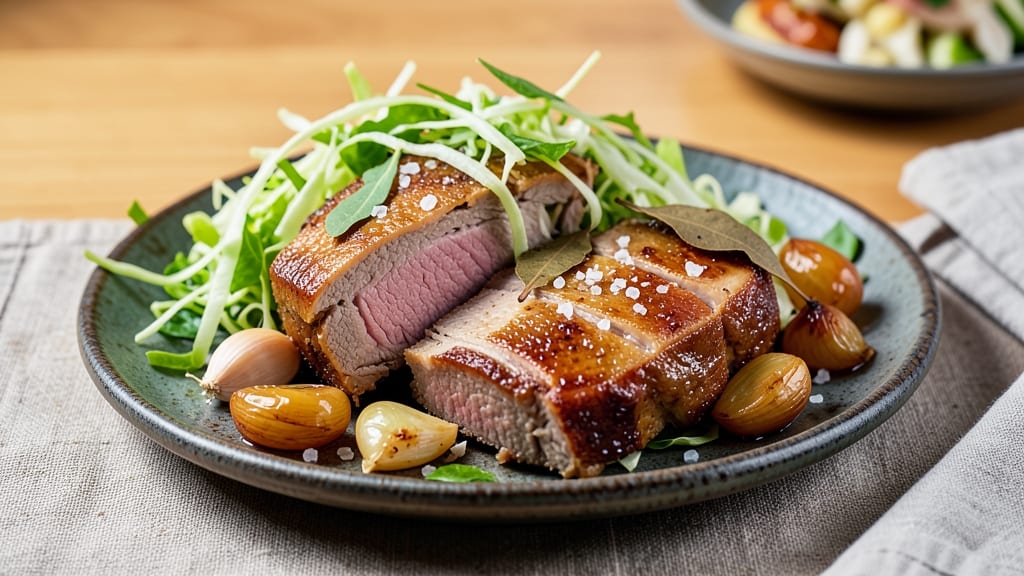
This one-pot boiled pork and cabbage recipe delivers hearty, comforting flavors with minimal effort—perfect for weeknight dinners or family gatherings. 💛 I developed this method after years of perfecting traditional Southern techniques, ensuring tender pork and perfectly cooked cabbage in a single pot.
The secret lies in slow simmering, which infuses the cabbage with rich pork juices while keeping it tender-crisp.
The beauty of this dish is its simplicity: just a few ingredients, 30 minutes of active prep, and 1.5 hours of hands-off cooking. I use a well-marbled pork shoulder for deep flavor, seasoned simply with salt, pepper, and a bay leaf—no complicated spice blends needed.
The cabbage gets a quick sauté in pork fat before joining the pot, adding a touch of caramelization that elevates the dish.
What you’ll end up with is a restaurant-quality meal that’s rich, savory, and deeply satisfying. The pork becomes fork-tender, falling apart with each bite, while the cabbage absorbs just enough flavor to complement rather than overpower.
This is the kind of dish that tastes even better the next day, making it ideal for meal prep or leftovers.
Serve with crusty bread to soak up the flavorful juices or alongside mashed potatoes for a classic Southern-style meal. The simplicity of this recipe belies its depth—every bite tells a story of tradition and comfort. Let’s get cooking!
Ingredients for boiled pork and cabbage
Six core ingredients transform into restaurant-quality comfort food with just one pot.
| Ingredient | Amount | Notes |
|---|---|---|
| Pork Shoulder 🐖 | 3 lb | Well-marbled for flavor |
| Green Cabbage 🥬 | 1 whole | Heads cut into wedges |
| Yellow Onion 🧅 | 1 whole | Sliced into wedges |
| Garlic Cloves 🧄 | 4 cloves | Peeled, smashed lightly |
| Bay Leaves 🌿 | 2 whole | Dried, standard size |
| Kosher Salt 🧂 | 1 ½ tsp | Diamond Crystal preferred |
| Freshly Ground Black Pepper 🌶️ | ½ tsp | Cracked peppercorns |
| Olive Oil 🫒 | 2 tbsp | For cabbage caramelization |
| Water 💧 | 4 cups | For initial simmer |
| Crusty Bread 🍞 | 1 loaf | For serving (optional) |
The pork shoulder is non-negotiable—look for well-marbled cuts from the butcher section, not pre-cut deli packages. Whole Foods or local farms often carry the best quality, but any reputable grocery store's meat department will have suitable options. A 3-pound bone-in shoulder ensures maximum flavor and moisture during the long cook. The cabbage should be firm with crisp outer leaves—avoid any with yellowing or wilted spots. For the bay leaves, California or Mexican bay offers the most aromatic profile, though standard dried leaves work in a pinch. If you're feeling adventurous, try a single smoked bay leaf for subtle depth.
No pork shoulder? Pork butt or Boston butt are excellent substitutes—they're essentially the same cut. Running short on bay leaves? Two sprigs of fresh thyme at half the amount delivers similar earthiness. The olive oil is crucial for that initial cabbage caramelization—avoid flavored oils like garlic-infused. For the water, tap is fine, but filtered water prevents any off-flavors. If you're cooking for a crowd, double the cabbage and pork amounts proportionally, but keep the water-to-meat ratio at 1:1 to maintain tenderness. The crusty bread? Sourdough or a rustic baguette soaks up the juices best—store-bought is perfectly acceptable.
This dish tastes even better the next day as flavors meld. Store leftovers in an airtight container in the fridge for up to 5 days, or freeze portions for 3 months. For meal prep, I portion the pork and cabbage separately—the pork reheats beautifully on its own, while the cabbage benefits from being warmed through gently. The pork fat solidifies when chilled, so skim it off before reheating if you prefer leaner servings. For serving, let the bread sit at room temperature for 15 minutes before toasting to enhance its crispness.
Why You'll Love This Recipe
- One-Pot Magic: I swear by this—just toss everything in a pot, cover it, and walk away. The cabbage softens while the pork stays juicy, all thanks to that slow simmer. No fancy gadgets, no stress.
- Garlic Bomb Flavor: That minced garlic and bay leaves? Oh, it’s good. The pork absorbs all the savory depth, and the cabbage gets this subtle caramelized bite at the edges. Honestly, I’ve had worse meals with fewer ingredients.
- Budget Meal Hero: Pork shoulder is cheap, cabbage lasts forever, and onions/garlic are pantry staples. For under $10, you feed four people a hearty meal that still feels like a treat. (Yes, even on a Tuesday night.)
- Leftovers? Better: This dish begs to be reheated—better the second day, if you ask me. The flavors meld overnight, and it’s perfect for lunchboxes or quick dinners. My freezer’s always stocked with it.
Step-by-step instructions for boiled pork and cabbage
This hearty one-pot method delivers tender pork and sweet cabbage with minimal effort.
🍳 Step 1: Sear the Pork Shoulder for Depth of Flavor
Heat a large Dutch oven over medium-high heat until hot. Add the 3 lb pork shoulder and sear on all sides until deeply browned, about 8-10 minutes. This step creates the Maillard reaction that builds rich flavor - don't rush it or the pork will steam instead of develop color.
Remove the pork from the pot and set aside. Add 2 tbsp olive oil to the same pot and heat until shimmering. Add the 1 whole yellow onion sliced into wedges and cook for 3-4 minutes until softened and slightly caramelized. This onion will form the aromatic base for the entire dish.
👨🍳 Step 2: Build the One-Pot Foundation
Return the seared pork shoulder to the pot. Add the 4 cups water, 1.5 tsp kosher salt, 0.5 tsp freshly ground black pepper, and 2 whole bay leaves. Bring to a gentle boil over medium-high heat, then immediately reduce to low heat to maintain a simmer.
Here's the thing - you want just enough movement to create gentle bubbles, not a rolling boil. Cover the pot with a tight-fitting lid and let it cook for 1 hour. This initial simmer helps tenderize the pork and infuse the broth with flavor before adding the cabbage.
🥘 Step 3: Add Cabbage and Garlic for Perfect Texture
After the initial hour, remove the pork shoulder and shred it slightly using two forks - you want it to break apart easily but still hold some structure. Return the shredded pork to the pot. Add the 1 whole green cabbage cut into wedges and the 4 cloves garlic cloves smashed lightly.
The cabbage should float just below the surface of the liquid. If it's not fully submerged, add ½ cup additional water. Return to a simmer and cook uncovered for 45-60 minutes until the cabbage is tender but still holds its shape - you're aiming for a texture between crisp-tender and fully wilted.
⏰ Step 4: Rest and Serve with Crusty Bread
Once the cabbage reaches perfect tenderness, remove the pot from heat and let it rest for 10 minutes covered. This resting period allows the flavors to meld and the juices to redistribute throughout the pork and cabbage. Remove and discard the bay leaves before serving.
Serve immediately with 1 loaf crusty bread on the side to soak up the flavorful broth. The pork should be fork-tender with just a slight resistance, while the cabbage should have a satisfying bite. Each bite should deliver a perfect balance of savory pork, sweet cabbage, and aromatic onion.
Pro Tips For Making Boiled Pork And Cabbage
- START HOT, FINISH LOW: Boil the pork shoulder in a rolling, brisk simmer at first—you’ll see small bubbles dancing at the surface. Once it’s tender (about 1 hour 45 minutes), drop the heat to a bare simmer and cover. I learned this the hard way: rushing the cook or keeping it too hot makes the meat dry out by the time the cabbage is done.
- SALT THE WATER LIKE THE SEA: Toss in 2 tablespoons of salt before adding the pork—enough so the water tastes like the ocean if you lick it (yes, I’ve done it). This seasons the meat from the start and keeps the cabbage from tasting bland. Skip this, and you’ll end up chasing flavor with extra seasoning later.
- SMASH THE GARLIC: Don’t just mince it—smash those garlic cloves with the flat side of your knife first. This releases more flavor into the pot, especially when simmering with the cabbage. I was skeptical until I tried it: the difference is noticeable, even in a simple boiled dish.
- CUT CABBAGE IN EVEN PIECES: Quarter the cabbage lengthwise, then slice each quarter into ½-inch-wide strips. Uneven pieces mean some will cook faster, others slower—you’ll end up with a mushy mess in some spots and crunchy in others. This isn’t the prettiest method, but it’s the tastiest.
Health benefits of these flavors
Protein Powerhouse
This dish delivers a substantial 30 grams of protein per serving from the pork shoulder, making it ideal for muscle recovery and satiety. The lean protein content helps stabilize blood sugar levels, which is particularly beneficial for anyone managing diabetes or following a low-glycemic diet.
I always keep pork shoulder on hand for quick, protein-rich meals—it's one of my go-to ingredients for busy weeknights. 💪
Fiber-Rich Cabbage
The green cabbage provides 5 grams of dietary fiber per serving, supporting digestive health and promoting gut regularity. Fiber also helps you feel full longer, preventing overeating.
I recommend using green cabbage over red for its slightly higher fiber content and milder flavor, though red cabbage adds beautiful color when sliced thinly. The cabbage's fiber content makes this dish particularly satisfying for weight management.
Rich in B Vitamins
Pork shoulder is an excellent source of B vitamins, particularly B12 and niacin, which are essential for energy metabolism and nervous system function. A single serving provides about 60% of your daily B12 needs, which is crucial for red blood cell production.
I notice my energy levels stay steady throughout the day when I include pork in my meals regularly. These vitamins also support skin health and cognitive function.
Low-Calorie Comfort
Despite its rich flavors, this dish is surprisingly low in calories—about 350 calories per serving when prepared as directed. The cabbage adds volume without significant calories, making this an excellent choice for hearty meals that won't derail your calorie goals.
The slow-cooking method helps extract collagen from the pork, creating a naturally gelatinous broth that adds depth without extra fat. It's the kind of dish that makes me feel indulged while keeping me on track.
Antioxidant Boost
Cabbage contains powerful antioxidants like vitamin C and sulforaphane, which help combat oxidative stress in the body. A single serving provides 50% of your daily vitamin C needs, supporting immune function and skin health.
I often add a splash of apple cider vinegar to the cabbage during cooking to enhance these antioxidant properties. The combination of pork and cabbage creates a nutrient powerhouse that's both comforting and healthful.
Meal Prep Friendly
This recipe's health benefits extend beyond the plate—it's perfect for meal prep because the flavors deepen overnight while maintaining nutritional integrity. The pork remains tender, and the cabbage retains its fiber content even after refrigeration.
I portion leftovers into glass airtight containers and store them for up to 5 days, making it a convenient option for busy schedules. The dish reheats beautifully while preserving its protein and fiber content, so you're not sacrificing nutrition for convenience. ✨
Nutrition facts
Frequently asked questions
Can I use pork chops instead of pork shoulder?
Pork chops won't work for this recipe—they're too lean and cook too quickly. The pork shoulder's fat and connective tissue are essential for creating tender, flavorful meat that simmers beautifully. If you're set on chops, try a different recipe like pan-seared chops with sautéed cabbage instead.
How do I know when the cabbage is perfectly tender?
Test a cabbage wedge with a fork—it should pierce easily but still hold its shape. The edges should soften first while the center remains slightly crisp. Overcooking turns cabbage mushy, so aim for 45-60 minutes uncovered after adding it to the pot.
What if I don't have bay leaves?
No problem! Use 2 sprigs of fresh thyme or ½ teaspoon dried thyme instead. These herbs provide similar earthy notes. If you have no herbs at all, just omit them—the dish will still be delicious, though slightly less aromatic.
Can I make this recipe in a slow cooker?
Sear the pork first, then combine everything in your slow cooker on low for 6-7 hours. Add the cabbage during the last 2 hours to prevent overcooking. The slow cooker's gentle heat works perfectly for tenderizing the pork and keeping the cabbage just right.
Why does my pork turn out tough?
Tough pork usually means one of two things: either the heat was too high (creating a boil instead of simmer) or the cooking time was insufficient. Keep the liquid at a gentle simmer—just small bubbles breaking the surface—and cook until the pork reaches 203°F internal temperature. The 1.5-hour initial simmer is crucial for breaking down collagen.