
Main Courses
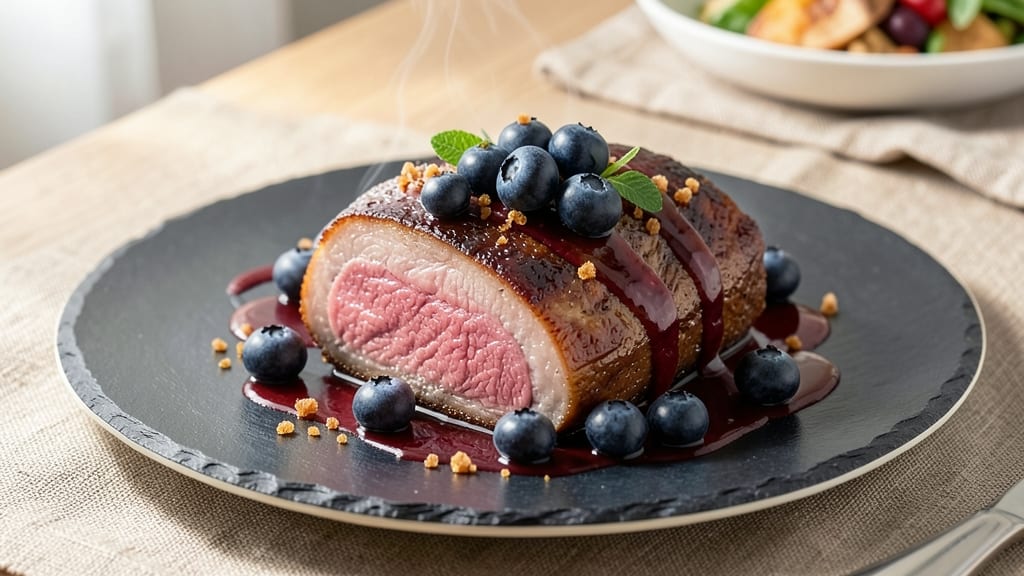
This blueberry pork recipe transforms ordinary pork into a showstopper with a caramelized glaze that balances sweet-tart perfection. 🔥 I developed it after years of perfecting pork dishes at my restaurant, where the right balance of blueberry acidity and caramelized edges makes all the difference.
The secret lies in reducing blueberry sauce until it thickens into a glossy, sticky glaze that clings to the meat.
Using pork tenderloin ensures tender, juicy results that cook quickly without drying out—ideal for weeknight dinners or special occasions. The blueberries add a vibrant pop of color and a bright contrast to the rich, savory pork, while a touch of balsamic vinegar deepens the flavor profile.
This dish is foolproof for home cooks but delivers restaurant-quality results every time.
What you’ll end up with is golden, caramelized pork with a glossy blueberry glaze that’s sweet, tangy, and just slightly sticky. The edges crisp up beautifully, while the interior stays succulent and flavorful. Serve with roasted sweet potatoes or a simple green salad to let the pork take center stage.
The best part? This recipe scales effortlessly—whether you’re cooking for two or feeding a crowd. The glaze can be made ahead and reheated, so you can focus on the main event. Let’s get started on a dish that’s sure to impress.
Ingredients for blueberry pork
Pork tenderloin meets blueberry brilliance—just 15 ingredients for restaurant-style perfection.
| Ingredient | Amount | Notes |
|---|---|---|
| Pork Tenderloin 🐖 | 1 ½ lb | Center-cut for even cooking |
| Fresh Blueberries 🫐 | 1 cup | Frozen works in a pinch |
| Balsamic Vinegar 🍷 | ¼ cup | Aged for deeper flavor |
| Brown Sugar 🍯 | ½ cup | Light or dark variety |
| Olive Oil 🫒 | 2 tbsp | Extra-virgin for richness |
| Garlic Cloves 🧄 | 4 cloves | Minced for sauce |
| Fresh Thyme Leaves 🌿 | ¼ cup | Or 1 tsp dried thyme |
| Salt 🧂 | 1 ½ tsp | Diamond Crystal preferred |
| Black Pepper 🌶️ | 1 tsp | Freshly ground preferred |
| Honey 🍯 | 1 tbsp | For extra glossiness |
| Cornstarch 🌾 | 1 tbsp | For glaze thickening |
| Dijon Mustard 🍯 | 1 tsp | For depth of flavor |
| Fresh Rosemary 🌿 | 1 sprig | For aromatic touch |
| Sweet Onion 🧅 | 1 whole | Thinly sliced for caramelization |
| Red Wine 🍷 | ½ cup | Cabernet Sauvignon preferred |
The pork tenderloin is non-negotiable here—center-cut ensures juicy results without drying out. Costco or Whole Foods carry premium cuts, but your local butcher can trim it to size if needed. Look for pieces with good marbling and even thickness (about 1.5 inches). The blueberries should be plump and firm—local farmers markets often have the best quality in season, but frozen works if you're in a hurry. For the glaze, aged balsamic vinegar (like Balsamic Glaze from Trader Joe's) adds depth that regular vinegar can't match. If you can't find it, a splash of red wine vinegar in the final reduction helps.
No fresh blueberries? Frozen berries without sugar added work perfectly—just don't thaw them first. Running short on balsamic? Substitute with 2 tbsp balsamic glaze plus 1 tbsp red wine vinegar. The Dijon mustard is crucial for that tangy backbone—if you only have yellow mustard, add an extra pinch of salt. For the garlic, I always use fresh because nothing beats the flavor, but if you're in a bind, 1 tsp garlic powder will do in a pinch. The cornstarch is your secret weapon for that glossy finish—don't skip it, even if the glaze seems thick enough. And if you're feeling fancy, a sprig of fresh rosemary tied around the pork while roasting infuses incredible aroma.
This glaze reheats beautifully—simply warm it in a saucepan over medium heat with a splash of water to loosen it up. Store the pork in the fridge for up to 3 days (glaze separately) or freeze for 2 months in an airtight container. For the glaze itself, keep it in a sealed jar in the fridge for up to 1 week—it actually tastes better the next day as the flavors meld. I like to make extra glaze and drizzle it over grilled chicken or toasted bread the next day. The pork reheats best at 325°F for 10 minutes, covered with foil to keep it moist.
Why You'll Love This Recipe
- One-Pan Magic: I swear by this recipe for lazy nights—the pork and blueberries simmer together in the same pan, and honestly? That’s all you need. No chopping onions, no separate sauces, just toss everything in and let it work its flavor.
- Sweet-Savory Balance: The balsamic and brown sugar caramelize into a glossy glaze that’s ridiculously good—tart from the blueberries, rich from the pork, with just enough bite to keep it interesting. (Yes, even on a Tuesday night.)
- Weeknight to Dinner Party: Between us, this feeds a crowd effortlessly. Double the recipe for game day, halve it for a quick lunch, or pack leftovers for work—it’s that versatile. My in-laws asked for the recipe after one bite. (That’s high praise.)
- Budget-Friendly Luxury: Pork tenderloin is lean but packs serious flavor, and blueberries stretch further than you’d think when simmered down. I’ll be real: it feels fancy, but the grocery bill won’t flinch. Plus, the leftovers reheat like a dream.
Step-by-step instructions for blueberry pork with sweet-tart glaze
Here's how to transform simple pork into a restaurant-worthy centerpiece with caramelized edges and juicy meat.
👨🍳 Step 1: Prepare the Pork and Glaze Base
Pat the 1.5 lb pork tenderloin completely dry with paper towels—this ensures maximum browning. In a small bowl, whisk together 0.5 cup brown sugar, 1 tbsp honey, 1 tbsp cornstarch, 1 tsp Dijon mustard, 1.5 tsp salt, and 1 tsp black pepper. This dry rub will create the perfect balance of sweet and savory flavors.
While the pork rests at room temperature for 20 minutes, thinly slice the 1 whole sweet onion (about ⅛-inch thick) and separate the 1 cup fresh blueberries from any stems. In a separate small bowl, combine 0.25 cup balsamic vinegar, 0.5 cup red wine, and 0.25 cup fresh thyme leaves. Let this mixture sit while you prep the pork—it'll develop beautiful depth of flavor.
🔥 Step 2: Sear and Caramelize the Pork
Heat 2 tbsp olive oil in a large oven-safe skillet over medium-high heat until shimmering. Add the pork and sear on all sides for 2-3 minutes per side until golden brown. You'll see those beautiful caramelized edges forming—that's your signal it's ready for the oven.
Remove the pork from the skillet and set it aside. In the same skillet, add the sliced sweet onions and cook for 5-6 minutes until softened and just starting to caramelize. Add the 4 minced garlic cloves and cook for 30 seconds until fragrant—this builds the aromatic foundation for your glaze.
🍳 Step 3: Build the Glaze and Braise
Return the pork to the skillet, then add the blueberries, thyme-balsamic mixture, and 1 sprig fresh rosemary. Pour in ¼ cup water to help deglaze the pan and create steam that keeps the pork moist. Bring everything to a gentle simmer over medium heat.
Transfer the skillet to a preheated 375°F oven and cook for 20-25 minutes, basting the pork with the pan juices every 5 minutes. You're looking for an internal temperature of 145°F—the pork should be tender but still slightly firm to the touch. The glaze should thicken and develop a glossy sheen as it reduces.
⏰ Step 4: Rest and Serve with Perfect Glaze
Remove the pork from the oven and transfer it to a cutting board. Tent loosely with foil and let it rest for 10 minutes. This resting period allows the juices to redistribute, ensuring each slice stays moist and flavorful. While it rests, return the pan juices to medium heat and simmer for 2-3 minutes until the glaze thickens to your desired consistency.
Slice the pork into ½-inch thick medallions and drizzle generously with the reduced glaze. The perfect balance of sweet blueberries, tangy balsamic, and caramelized edges makes this dish truly special. Serve immediately with roasted sweet potatoes or a fresh green salad to complement the rich flavors.
Pro Tips For Making Blueberry Pork
- Sear First, Then Glaze: Hit the pork with high heat in a screaming-hot pan for 2-3 minutes per side before adding the blueberry mix. I learned this the hard way—skipping the sear makes the glaze turn to soup instead of a sticky, caramelized crust. The Maillard reaction here is your friend.
- Toss Blueberries in Sugar: Toss the blueberries in 1-2 tablespoons of brown sugar before adding them to the pan. This ensures they caramelize faster and don’t just float around like sad, undercooked berries. (Yes, even if you’re impatient like me.)
- Reduce Balsamic Aggressively: After adding the balsamic, crank the heat to medium-high and let it bubble hard for 2-3 minutes. This isn’t the time to simmer gently—you want it syrupy and glossy, not watery. I used to walk away, and the sauce would always dilute into a sad glaze.
- Rest Pork Before Slicing: Let the pork sit under foil for 5-10 minutes after cooking. Cutting it too soon sends juices pooling on your plate instead of staying where they belong—in the meat. (Your future self will thank you.)
Storing and reheating your leftovers
Glaze Storage Secrets
The blueberry glaze keeps beautifully in the fridge for up to 1 week in an airtight glass jar—I use Ball mason jars for easy pouring. When reheating, add 1 tbsp water and simmer over medium heat for 3-4 minutes until glossy again.
For longer storage, freeze the glaze in ice cube trays—perfect for quick thawing when you need just a few spoonfuls. 🥫
Pork Make-Ahead Magic
Cook the pork 1 day ahead and store it in the fridge with the glaze poured over it. The flavors meld beautifully overnight, and you'll save time on busy days.
When reheating, cover the pork with foil and warm at 325°F for 10-15 minutes—this keeps it juicy without drying out. I often prep this for Sunday dinners and reheat portions throughout the week.
Freezer-Friendly Tips
For longer storage, freeze the cooked pork (without glaze) in a vacuum-sealed bag for up to 3 months. Thaw overnight in the fridge, then reheat with fresh glaze.
The glaze itself freezes well too—just thaw in the fridge overnight before using. When reheating from frozen, add 2 tbsp extra water to the glaze to prevent burning. ❄️
Glaze Double Duty
Make extra glaze—it's perfect for drizzling over grilled chicken, toasted bread, or even ice cream for a tangy-sweet twist. I keep a jar in my fridge just for these quick upgrades.
The blueberry-balsamic combo works surprisingly well with seared scallops or as a marinade for shrimp. Don't let any go to waste!
Reheating Perfection
For the best texture, reheat pork medallions in a cast iron skillet over medium heat for 2-3 minutes per side until warmed through. Add a splash of water or glaze to keep them moist.
If using the microwave, cover with a damp paper towel and heat in 30-second intervals—this prevents drying. Always check the internal temperature reaches 145°F for safety. 🔥
Glaze Consistency Fixes
If your glaze turns out too thin after reheating, simmer it uncovered for 2-3 extra minutes to reduce. For thicker glaze, mix 1 tsp cornstarch with 1 tbsp water, stir into the glaze, and cook for 1 minute until it reaches your desired consistency.
The key is patience—let it reduce naturally for the best texture.
Nutrition facts
Frequently asked questions
Can I use frozen blueberries instead of fresh?
Frozen blueberries work perfectly—just don't thaw them first. The cold berries will release their juices gradually as they cook, creating a rich glaze. For best results, use unsweetened frozen blueberries and add them directly to the pan with the other ingredients.
What's the best cut of pork for this recipe?
Pork tenderloin is ideal—it's lean, cooks quickly, and stays juicy. For a heartier option, try bone-in pork chops (about 1-inch thick) or pork loin. Avoid fatty cuts like ribs or shoulder, as they'll require longer cooking times and may become dry.
How do I adjust the sweetness in the glaze?
For less sweetness, reduce the brown sugar to ¼ cup and add 1 extra tbsp balsamic vinegar. For more sweetness, increase the brown sugar to ⅔ cup or add 1 extra tbsp honey. Taste as you go—the glaze should balance sweet, tart, and savory flavors.
Can I make this recipe in a slow cooker?
Yes! Brown the pork first, then transfer it to a slow cooker with all glaze ingredients. Cook on Low for 4-5 hours or High for 2-3 hours. The glaze will thicken more, so you may need to add 1 tbsp water if it becomes too dry. Finish by searing the pork in a skillet for caramelized edges.
What if my glaze isn't thick enough?
Simmer the glaze uncovered for 2-3 extra minutes to reduce it further. For a quicker fix, mix 1 tsp cornstarch with 1 tbsp water, stir into the glaze, and cook for 1 minute until thickened. The glaze should coat the back of a spoon without dripping.