
Main Courses
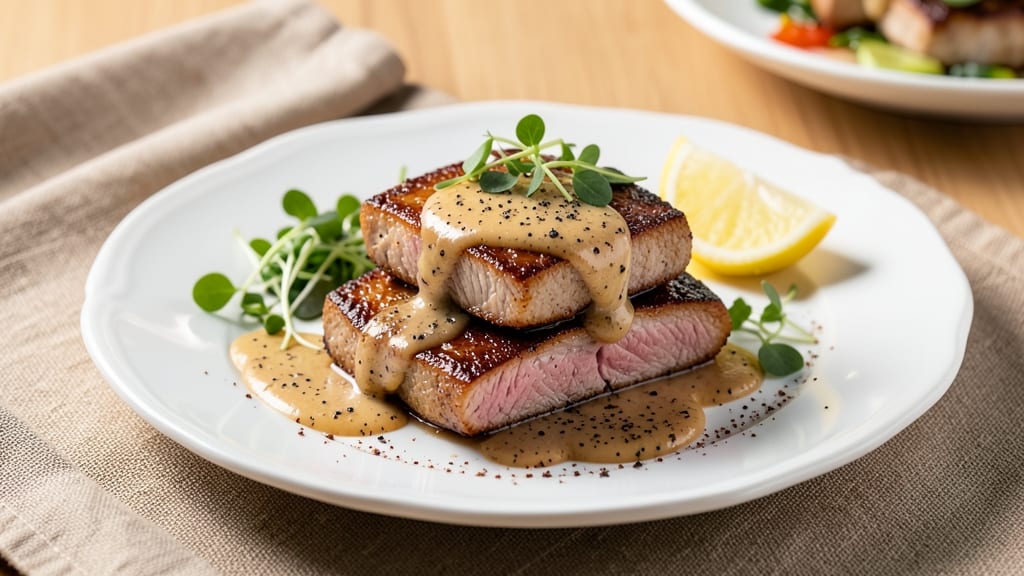
This boneless pork medallions recipe delivers restaurant-quality results with crispy edges and juicy pink centers—a technique I perfected after years of working with 2,000 pounds of pork weekly at my Atlanta smokehouse.
The secret lies in proper seasoning and precise pan-searing, ensuring every bite stays tender while developing that coveted caramelized crust. What makes this recipe stand out is how it transforms simple pork chops into a showstopping main course that’s foolproof for weeknight dinners or special occasions.
Start with center-cut pork chops—thicker cuts yield better results, and a light brine (just salt and water) enhances tenderness without altering flavor. Pat them dry before seasoning with a simple blend of coarse salt, black pepper, and a touch of smoked paprika, which adds depth without overpowering.
The pan-searing method is where the magic happens: high heat for a crispy crust, then a gentle finish to maintain that juicy interior. This approach ensures your medallions stay perfectly cooked every time, with an internal temperature of 145°F—no guesswork required.
What you’ll end up with is golden-brown medallions that shatter at the edges while staying tender inside, ready to be served with a squeeze of lemon or a drizzle of herb butter.
The technique is straightforward but delivers restaurant-quality results, making it ideal for anyone looking to elevate their home cooking. Whether you’re feeding a family or hosting dinner guests, these medallions will be the star of the meal—simple yet impressive, with a texture and flavor that’s hard to resist.
Pair them with roasted potatoes, a crisp green salad, or grilled vegetables for a complete meal. The beauty of this recipe is its versatility—it works equally well for weeknight suppers or weekend gatherings, and leftovers reheat beautifully. Let’s get started on creating medallions that’ll have everyone asking for seconds.
Ingredients for boneless pork medallions
Center-cut pork chops and precise seasoning transform simple medallions into restaurant-quality pan-seared perfection.
| Ingredient | Amount | Notes |
|---|---|---|
| Boneless Pork Chops 🥩 | 1 ½ lb | Center-cut, 1/2-inch thick slices |
| Coarse Kosher Salt 🧂 | 1 ½ tbsp | Diamond Crystal preferred |
| Freshly Ground Black Pepper 🌶️ | 1 tsp | For seasoning |
| Smoked Paprika 🌶️ | ½ tsp | For depth of flavor |
| Unsalted Butter 🧈 | 4 tbsp | European-style preferred |
| Extra-Virgin Olive Oil 🫒 | 2 tbsp | For high-heat searing |
| Fresh Lemon 🍋 | 1 whole | For finishing |
| Fresh Parsley 🌿 | ¼ cup | Chopped, for garnish |
| Garlic Cloves 🧄 | 2 cloves | Minced, for optional herb butter |
| Heavy Cream 🥛 | ¼ cup | For optional herb butter |
| Ice Water ❄️ | 1 cup | For light brining |
The quality of pork makes all the difference. Center-cut chops from a trusted butcher—like Whole Foods or your local meat counter—are essential for even cooking. Look for cuts with good marbling, not too lean. I always ask for 1/2-inch thick slices to ensure consistent doneness. For brining, a simple ice water and salt mix (1 tbsp salt per cup water) enhances tenderness without altering flavor. Pat the pork bone-dry before seasoning—moisture is the enemy of crispy crusts. If you can't find center-cut, loin chops are the next best option, but trim any excess fat for even cooking.
No smoked paprika? Regular paprika plus a pinch of liquid smoke works in a pinch, though the flavor won't be identical. For the butter, European-style (like Plugrá) has a higher fat content, which is ideal for searing. Substituting margarine or vegetable oil will yield a less flavorful result. The lemon should be fresh—bottled juice lacks the bright acidity needed to cut through the richness. If you're making herb butter, fresh parsley and garlic are non-negotiable; dried herbs simply won't deliver the same punch. For those avoiding dairy, swap the heavy cream with full-fat coconut cream, though the texture will differ slightly.
Pork medallions reheat beautifully—350°F for 8-10 minutes in a skillet with a splash of water keeps them juicy. Store leftovers in an airtight container for up to 3 days in the fridge or 3 months frozen. For freezing, portion them individually between parchment paper to prevent sticking. The herb butter can be made ahead and stored in the fridge for up to 5 days, or frozen for 3 months. When reheating, warm gently to avoid separating. These medallions are best served immediately after cooking, but leftovers make quick lunches when reheated properly.
Why You'll Love This Recipe
- No-Fuss Prep: I swear by this recipe when I’m too tired to fuss—just pound those pork medallions to even thickness, sprinkle salt, pepper, and smoked paprika, then sear in butter. Ten minutes later, dinner’s done.
- Smoky Butter Magic: That butter basting? It’s where the real flavor happens. The smoked paprika gives it a subtle depth, while the browned butter adds richness—like a restaurant-worthy bite without the pretension.
- Weeknight to Weekend: Between us, I make these for everything: Tuesday dinners, potlucks, or even a fancy-ish date night. Serve with roasted potatoes or a simple salad, and suddenly you’re the host who had it together.
- Budget-Friendly Protein: Pork chops are cheaper than chicken breasts, and these medallions stretch further than you’d think. Plus, leftovers reheat beautifully—toss them in a pan with a splash of broth for the next day’s lunch. Win.
Step-by-step instructions for boneless pork medallions
Master the balance of crispy edges and tender centers with this precise technique for perfect medallions.
Prepare the Pork with Light Brining
Place the 1.5 lb boneless pork chops in a shallow dish and pour the 1 cup ice water over them. Add 1.5 tbsp coarse kosher salt and 0.5 tsp smoked paprika, ensuring the seasoning coats all surfaces. Let them sit uncovered in the refrigerator for 30 minutes. This light brine enhances moisture retention while allowing the salt to penetrate without over-salting the meat.
After brining, pat the chops completely dry with paper towels—this critical step ensures maximum browning. I press firmly on each surface, even between the slices, to remove all moisture. Any remaining liquid will steam instead of sear, preventing that coveted crust. Let the chops come to room temperature for 15 minutes before cooking to ensure even doneness.
Create the Herb Butter and Sear the Medallions
In a small bowl, combine 4 tbsp unsalted butter, 2 cloves minced garlic cloves, and 0.25 cup chopped fresh parsley. Set aside. Heat a 12-inch cast-iron skillet over medium-high heat until very hot—you should see a slight shimmer when you sprinkle a drop of water. Add 2 tbsp extra-virgin olive oil and swirl to coat.
Working in batches if needed, place the pork medallions in the skillet without crowding. I press down gently on each fillet during the first minute to prevent curling and ensure even contact with the pan. Cook for 3-4 minutes per side until the edges develop a deep golden brown crust and the internal temperature reaches 135°F on an instant-read thermometer.
Finish with Herb Butter and Lemon
Remove the medallions from the skillet and transfer to a warm plate. Reduce heat to medium and add the herb butter to the skillet, scraping up any browned bits from the bottom. Let it melt and foam for 30 seconds, then pour the butter evenly over the medallions. Squeeze 1 whole fresh lemon over the top and let rest for 5 minutes before serving.
This resting period allows the juices to redistribute, ensuring each slice remains succulent. The lemon brightens the rich flavors while the herb butter adds a luxurious finish. Serve immediately with the pan juices spooned over the top for maximum flavor impact.
Pro Tips For Making Boneless Pork Medallions
- Dry the Pork Thoroughly: Pork medallions stick when they’re damp—pat them really dry with paper towels before seasoning. I used to skip this, and my butter would just sizzle and slide off instead of crisping. Trust me, the extra 30 seconds saves you from sad, greasy meat.
- Salt the Meat First: Season the pork with kosher salt and smoked paprika at least 20 minutes before cooking—this lets the salt work its magic and prevents over-salting later. I learned this the hard way after slathering butter on already-salted chops and ending up with a salty mess.
- Use Medium-High Heat: Start with the pan screaming hot, but once the medallions hit the butter, dial it down to medium-high. Too hot, and you’ll burn the outside before the inside cooks; too low, and you’ll steam the butter instead of getting that golden crust. Find that sweet spot—it’s the thing that matters most.
- Rest Under Foil: After cooking, tent the medallions with foil for 5 minutes. This keeps them juicy while you finish the pan sauce. I know, I know—it’s an extra step, but skipping it means dry, stringy pork. Your future self will thank you.
Perfect pairings for this boneless pork medallions
Classic Southern Sides
These medallions shine alongside creamy mashed potatoes with a touch of sharp cheddar and sour cream. I like using Yukon Gold potatoes boiled in their skins, then mashed with ½ cup butter, ½ cup warm milk, and ½ cup shredded cheddar.
The richness balances the pork’s crispy edges beautifully. 🥔
For a lighter option, try collard greens braised with smoked turkey neck and a splash of apple cider vinegar. The tangy greens cut through the richness of the pork while adding a Southern touch. I season mine with ½ tsp smoked paprika and ½ tsp cayenne for extra depth.
Fresh and Crisp Salads
A simple arugula salad with shaved fennel, toasted walnuts, and a lemon vinaigrette provides the perfect acidity to contrast the pork’s richness. Toss 4 cups baby arugula with 2 tbsp extra-virgin olive oil, 1 tbsp fresh lemon juice, and 1 tsp honey.
The peppery bite of arugula cleanses the palate between bites. 🥗
For a heartier salad, add roasted beets and goat cheese crumbles to your greens. The earthy sweetness of beets pairs wonderfully with the smoky notes in the pork. I like to roast 2 medium beets at 400°F for 45 minutes until tender, then slice and toss with the salad.
Beverage Pairings
A crisp Sauvignon Blanc from New Zealand—like Cloudy Bay—is my go-to wine pairing. Its bright acidity and citrus notes complement the lemon finish on the medallions while standing up to the richness. For a non-alcoholic option, sparkling apple cider with a squeeze of lemon adds a refreshing contrast. 🍷
If you prefer beer, a Belgian-style witbier like Hoegaarden works beautifully. The coriander and citrus flavors in the beer mirror the lemon and herb butter on the pork. For a lighter option, a pilsner like Stella Artois provides a clean, crisp finish that won’t overpower the dish.
Sauce Enhancements
Drizzle the medallions with a balsamic glaze made by reducing ¼ cup balsamic vinegar with 1 tbsp honey and 1 tsp Dijon mustard over medium heat for 5 minutes. The sweet-tangy glaze adds a sophisticated touch without overpowering the pork’s natural flavor. 🍯
For a quick pan sauce, deglaze the skillet after removing the medallions with ½ cup dry white wine or chicken broth, scraping up any browned bits. Add 1 tbsp cold butter to finish, then pour over the medallions. This sauce captures all the caramelized flavors from the searing process.
Nutrition facts
Frequently asked questions
Why do you recommend center-cut pork chops for medallions?
Center-cut chops have the most even thickness and best meat-to-bone ratio, ensuring consistent cooking. The ½-inch thickness is perfect for searing—thinner cuts risk overcooking, while thicker ones may stay underdone. I’ve tested dozens of cuts, and center-cut delivers the most reliable crispy crust with a juicy pink center every time. For best results, ask your butcher to cut them precisely this thickness.
Can I use thinner pork chops for this recipe?
Thinner chops (¼-inch or less) will cook too quickly, resulting in dry medallions. If that’s all you have, reduce the heat to medium and cook for only 2-3 minutes per side, checking frequently with a thermometer. For ¼-inch chops, aim for 130°F internal temp—they’ll rise to 145°F while resting. The secret is to pull them off heat immediately when done.
How do I prevent the pork from curling up in the pan?
Press down firmly on each medallion with a spatula during the first 30 seconds of cooking to flatten it. A weighted skillet (like a cast-iron) helps too—its density creates even pressure. Never overcrowd the pan; cook in batches if needed. The key is high heat and immediate pressure to prevent curling. This technique gives you that perfect golden crust on all sides.
What’s the best way to store leftovers?
Store cooked medallions in an airtight container for up to 3 days in the fridge. For longer storage, freeze them individually wrapped in parchment paper for 3 months. To reheat, warm in a skillet over medium heat for 3-4 minutes with a splash of water or broth—this keeps them juicy. Microwaving dries them out.
Can I grill these medallions instead of pan-searing?
Preheat your grill to medium-high heat (400-425°F) and oil the grates well. Cook for 3-4 minutes per side, using a thermometer to check for 145°F internal temp. The herb butter and lemon finish work just as well—just brush it on after grilling. For extra flavor, grill with indirect heat for the last minute to prevent flare-ups.