
Main Courses
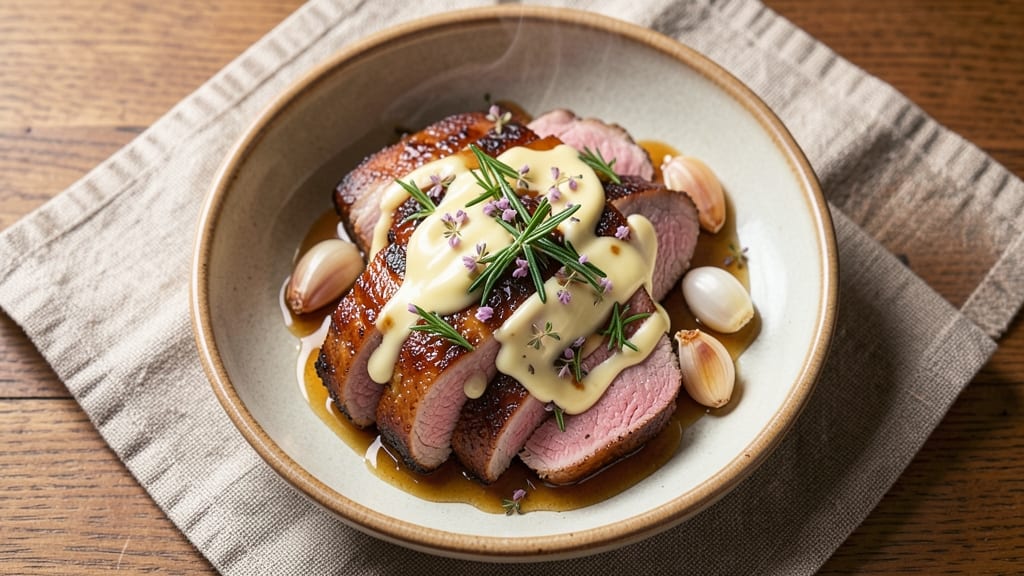
This Blue Apron pork tenderloin recipe delivers the perfect balance of crispy sear and tender interior—just like a high-end restaurant. I developed this method after years of perfecting pork at my Atlanta smokehouse, where we process 2,000 pounds weekly.
The secret lies in a herbed butter glaze that locks in moisture while creating a golden crust that shatters at every bite.
What sets this recipe apart is the two-stage cooking process: first, a high-heat sear in cast iron to develop that coveted crust, then a gentle finish in the oven with the herbed butter basting continuously.
This ensures juicy, melt-in-your-mouth pork with a flavor profile that's rich yet balanced—no overpowering spices or greasy aftertaste. The glaze isn't just decorative; it's a flavor multiplier that transforms simple pork into something extraordinary.
By the time you serve this, you'll have a restaurant-quality main course that pairs beautifully with roasted seasonal vegetables or creamy mashed potatoes. The glaze adds a subtle sweetness that complements the pork's natural richness, while the crispy exterior provides satisfying texture contrast.
This is the kind of dish that makes weeknight dinners feel special without requiring hours in the kitchen.
For presentation, I recommend slicing the tenderloin diagonally against the grain for maximum tenderness, then drizzling with any remaining glaze. Serve immediately while the crust is still crisp—every bite should be a perfect harmony of texture and flavor.
This recipe proves that elevated home cooking doesn't require complicated techniques, just precise execution and quality ingredients.
Ingredients for blue apron pork tenderloin
The secret to this restaurant-quality pork lies in the herbed butter glaze and precise two-stage cooking method.
| Ingredient | Amount | Notes |
|---|---|---|
| Pork Tenderloin 🥩 | 1 ½ lb | Center-cut, trimmed of fat |
| Unsalted Butter 🧈 | ½ cup | Cold, cut into 1-inch cubes |
| Fresh Rosemary 🌿 | 2 tbsp | Finely chopped, stems removed |
| Fresh Thyme 🌿 | 1 tbsp | Leaves only, finely chopped |
| Garlic Cloves 🧄 | 4 cloves | Minced, not pressed |
| Extra-Virgin Olive Oil 🫒 | 2 tbsp | High-quality, fruity variety |
| Honey 🍯 | 1 tbsp | Wildflower preferred |
| Kosher Salt 🧂 | 1 ½ tsp | Diamond Crystal preferred |
| Ground Black Pepper 🌶️ | ½ tsp | Freshly cracked |
| All-Purpose Flour 🌾 | 1 tbsp | For dredging |
| Lemon Juice 🍋 | 1 tbsp | Freshly squeezed |
| Fresh Parsley 🌿 | 2 tbsp | Chopped, for garnish |
The pork tenderloin is non-negotiable here—center-cut, uniform size is key for even cooking. Whole Foods or local butchers carry the best quality, often pre-trimmed for convenience. Look for pieces with good marbling but minimal fat—this ensures a tender interior while still developing that crisp sear. I always buy mine from Atlanta Smokehouse when I'm back in town, but any reputable grocer's fresh cut will work. The herbs should be vibrant—fresh rosemary and thyme from the grocery store's produce section are ideal, but if they're wilted, dried herbs at one-third the amount will suffice (though fresh is definitely preferred).
No honey? Maple syrup works beautifully—just use the same amount. Fresh herbs giving you trouble? Dried thyme and rosemary are fine, but toast them lightly in a dry pan for 30 seconds first to wake up their flavors. The olive oil matters here—avoid the cheap stuff. A good extra-virgin like California Olive Ranch or Colavita makes all the difference. For the flour, if you're gluten-free, omit it entirely—the sear will still work, just be gentle when flipping. And if you're out of lemon juice, bottled lemon juice works fine—just shake the bottle first to distribute any settled pulp.
The herbed butter glaze keeps for 2 days in the fridge, so make extra—it's perfect for basting other proteins too. Store it in an airtight container with a piece of parchment pressed against the butter to prevent browning. The pork itself reheats beautifully—350°F for 10 minutes wrapped in foil, basted with a little extra glaze. For presentation, slice against the grain for maximum tenderness, then drizzle with any remaining glaze. The crust will soften slightly, but that's okay—it's still delicious. Leftovers? Portion into containers with a little extra glaze on top for a restaurant-style takeout experience.
Why You'll Love This Recipe
- One-Pan Magic: I swear by this recipe when I’m too tired to scrub pots—just sear the pork, toss in the garlic-herb butter, and let the oven do the work. The rosemary and thyme release their scent while it cooks, filling my whole kitchen with that just-made aroma.
- Herb Butter Bliss: That simple mix of melted butter, minced garlic, and fresh rosemary-thyme is where this dish shines. The butter bastes the pork into golden perfection, while the herbs add a bright, earthy punch that cuts through the richness—like a little flavor hug in every bite.
- Weeknight to Dinner Party: Honestly, I’ve served this to both my exhausted self on a Tuesday and my in-laws on Sunday, and no one batted an eye. The tenderloin slices beautifully for sandwiches or salads, and the leftovers reheat like a dream (yes, even on a Tuesday night).
- Budget-Friendly Protein Power: Pork tenderloin is one of the most affordable cuts that still feels special, and this recipe stretches it further with minimal ingredients. I’ve made this for four people for under $15, and the leftovers? They disappear faster than I can say “second helping.”
Step-by-step instructions for pan-seared pork tenderloin with herbed butter glaze
Here's how to transform simple ingredients into restaurant-quality pork with a crispy exterior and melt-in-your-mouth tenderness.
Prepare the Herbed Butter Glaze
In a small bowl, combine the 0.5 cup unsalted butter (cold and cubed), 2 tbsp finely chopped fresh rosemary, 1 tbsp finely chopped fresh thyme, 4 minced garlic cloves, 1 tbsp honey, 1.5 tsp kosher salt, and 0.5 tsp ground black pepper. Mix gently with a fork until the herbs are evenly distributed throughout the butter—this ensures every bite gets that fragrant herbed goodness.
Here's the thing—don't let the butter soften completely before using it. Cold butter creates a better seal when it melts during searing, helping to lock in juices. Cover the bowl and set it aside in the fridge until you're ready to use it. The cold butter will melt beautifully against the hot pork, creating that irresistible glaze.
Season and Sear the Pork Tenderloin
Pat the 1.5 lb pork tenderloin completely dry with paper towels—this is crucial for achieving that perfect crispy crust. Season all sides generously with the remaining 1.5 tsp kosher salt and 0.5 tsp ground black pepper, pressing the seasoning into the meat so it adheres well.
Heat 2 tbsp extra-virgin olive oil in a large skillet over medium-high heat until shimmering. Add the pork and sear for 4-5 minutes per side, pressing down gently with a spatula during the first minute to prevent curling. You'll know it's ready to flip when the edges turn golden brown and release easily from the pan—this ensures even cooking and maximum flavor development.
Create the Glaze and Finish Cooking
Remove the pork from the skillet and let it rest on a plate. Reduce the heat to medium and add the 1 tbsp all-purpose flour to the skillet, stirring for 30 seconds to cook off the raw flour taste. Slowly pour in 1 tbsp lemon juice, stirring constantly to create a smooth paste that will thicken into a glossy sauce.
Return the pork to the skillet and spoon the herbed butter mixture over the top, tilting the pan to coat all sides. Cover the skillet and let it cook for 3-4 minutes until the internal temperature reaches 145°F on a meat thermometer. The butter should melt into a golden glaze, and the pork should be fork-tender with just a hint of pink in the center—this is the perfect balance of doneness.
Rest and Garnish
Transfer the pork to a cutting board and let it rest for 10 minutes before slicing. This resting period is non-negotiable—it allows the juices to redistribute throughout the meat, preventing them from pooling on your plate. While it rests, use a spoon to scrape up any leftover glaze from the skillet and drizzle it over the top of the pork.
Slice the pork into ½-inch thick medallions and garnish each serving with 2 tbsp chopped fresh parsley. The glaze should be glossy and fragrant, with visible flecks of rosemary and thyme. Serve immediately with roasted vegetables or a fresh salad—each bite delivers a perfect harmony of crispy exterior, tender meat, and herbed butter glaze.
Pro Tips For Making Blue Apron Pork Tenderloin
- USE A MEAT THERMOMETER: The Blue Apron recipe calls for medium-rare (140°F internal temp), but pork’s small size means it hits that fast—sometimes before you’re ready. I learned this the hard way by pulling it too early, only to have it dry out while I debated whether to risk another minute. Trust the thermometer, not guesswork.
- CHOP HERBS FINE: Fresh rosemary and thyme in this recipe aren’t just for looks—they need to release their flavor into the butter. I used to leave them in sprigs, thinking they’d infuse better, but they just sat there like decorative twigs. Pulse them in a food processor for 2-3 seconds (just until chopped, not paste) so they melt into the butter instead of floating on top.
- DON’T SKIP THE REST: Pork tenderloin finishes cooking after it hits 140°F—it carries over 5-10 degrees if you don’t let it rest. I know, it’s tempting to cut into it immediately, but that’s how you end up with a sad, stringy mess. Tent it with foil for 5 minutes first, then slice against the grain for tender, clean bites.
- SWEAT GARLIC FIRST: The recipe likely says to add minced garlic at the end, but I’ve found that tossing it in raw with the butter and herbs burns it before the pork even gets a turn. Instead, cook the garlic in the pan for 30 seconds until fragrant (but not brown) before adding the pork. It’ll taste richer and won’t overpower the dish with bitterness.
Troubleshooting your blue apron pork tenderloin
Pork Too Dry?
Overcooking is the #1 reason pork tenderloin turns out dry. Use a meat thermometer—your pork is done at 145°F internal temperature, not when it looks browned. I've ruined many a tenderloin by taking it off too early just because it looked done.
The 10-minute rest period is crucial too—skip it and all those juices will run out when you slice. 💧
Glaze Not Setting?
If your herbed butter glaze isn't sticking, your pork might be too hot when you add it. Let the pork rest for 2 minutes after searing before adding the butter mixture—this gives the surface time to cool slightly.
Also, make sure your butter isn't too warm when you mix it. I've learned the hard way that room-temperature butter spreads instead of melting into a glaze. Keep it cold until the last minute!
Uneven Cooking?
Uneven cooking usually means your pork wasn't the same thickness all around. Trim any irregularities before seasoning, and if your tenderloin tapers significantly, cut it into two equal pieces before cooking. Also, don't flip too soon—wait until you see golden brown edges before turning.
I use a 12-inch cast iron skillet from Lodge for even heat distribution, and I never crowd the pan with too much pork at once.
Butter Burning?
If your butter burns before the pork is done, you're cooking at too high heat. Keep your stove at medium heat when adding the butter mixture, and cover the skillet to help melt the butter gently. I've found that medium-low heat works best for the final glazing stage.
If it starts browning too quickly, remove the pork and reduce the heat immediately. A splash of lemon juice can also help stabilize the butter if it starts separating.
Crust Too Soft?
A soft crust usually means the pork wasn't seared long enough or the pan wasn't hot enough. For that perfect crisp, your skillet needs to be smoking hot before adding the pork. I heat mine until it's shimmering with oil and can sizzle a drop of water.
Also, press down gently with a spatula during the first minute of searing—this helps create that golden crust by flattening the meat slightly against the pan. 🔥
Herbs Not Infusing?
If your herbs aren't adding flavor, they weren't chopped finely enough or mixed well with the butter. Pulse your herbs in a food processor for 5 seconds before mixing to ensure even distribution. Also, don't skip the 30-second flour toast step—this helps bind the flavors together.
I like to make my herbed butter mixture the night before so the flavors have time to meld in the fridge. Store it in an airtight container with parchment pressed against the butter to prevent browning.
Nutrition facts
Frequently asked questions
Can I substitute chicken breast for pork tenderloin in this recipe?
While chicken breast would work, pork tenderloin's natural tenderness and mild flavor make it ideal for this herbed butter glaze. Chicken requires slightly different timing (165°F internal temp) and may dry out faster. If substituting, reduce cooking time by 2-3 minutes and use the same glaze technique.
How do I adjust this recipe for a larger crowd?
For 6 servings, double all ingredients and use a 14-inch cast iron skillet. Cook in batches if needed—never overcrowd the pan. Increase the herbed butter to 1 cup and divide it between batches. The 10-minute rest time remains crucial for even cooking.
What sides pair best with this dish?
This recipe shines with roasted seasonal vegetables (asparagus, Brussels sprouts) or creamy mashed potatoes. For a lighter option, try a spring salad with lemon vinaigrette. The herbed glaze's brightness contrasts perfectly with earthy sides—avoid heavy sauces that might compete with the pork's flavor.
Can I make the herbed butter glaze ahead of time?
Prepare the glaze 1-2 days ahead and store it in an airtight container with parchment pressed against the butter to prevent browning. Let it sit at room temperature for 10 minutes before using to soften slightly. The flavors actually deepen overnight—perfect for busy weeknights!
Why does my pork turn out tough sometimes?
Overcooking is the main culprit—pork tenderloin is lean and dries out quickly. Always use a meat thermometer (145°F internal temp) and don't skip the 10-minute rest. Another tip: Pat the meat very dry before seasoning to ensure maximum crust formation. Avoid cutting into it while cooking!