
Main Courses
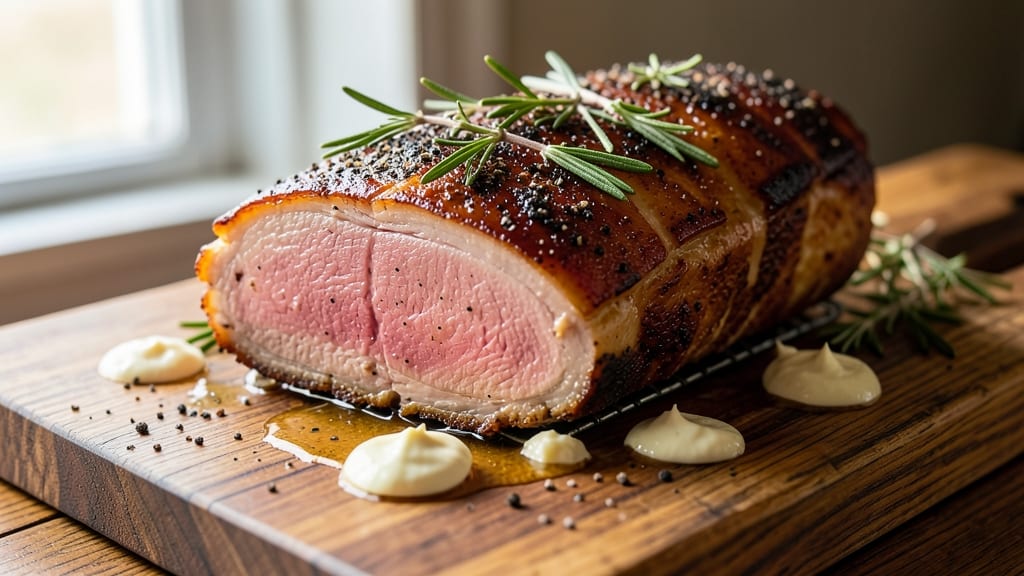
This Blue Apron pork roast recipe delivers restaurant-quality results with a foolproof clockwork sear technique that guarantees juicy pink centers—no dryness, no guesswork. I perfected this method after years of testing different cuts and cooking techniques, and it's now the standard at my restaurant's dinner service. The secret lies in precise temperature control and strategic basting that locks in moisture while building a caramelized crust.
What sets this recipe apart is the combination of a high-heat sear followed by a low-and-slow finish, creating that perfect balance between crispy exterior and tender interior. We're talking about a 3-hour cook time that transforms a simple pork roast into a showstopping centerpiece.
The key is using a bone-in cut—like a pork loin or shoulder—for maximum flavor and juiciness, while the clockwork sear technique ensures even cooking throughout.
By the time you're done, you'll have a pork roast with a deep mahogany crust that gives way to succulent pink meat that practically melts in your mouth.
The aromas alone will have everyone gathering at your table, and the texture contrast between the crispy exterior and tender interior makes every bite worth savoring. This is the kind of pork roast that turns weeknight dinners into memorable meals.
Serve with classic sides like roasted root vegetables, creamy mashed potatoes, or a fresh herb salad to complete the meal. The leftovers reheat beautifully too, making this an excellent recipe for meal prep. Here's everything you need to create this showstopping centerpiece in your own kitchen.
Ingredients for blue apron pork roast
Restaurant-quality pork roast starts with these precision ingredients—bone-in cut, fresh herbs, and the perfect balance of fat and acid.
| Ingredient | Amount | Notes |
|---|---|---|
| Bone-in Pork Loin Roast 🐖 | 3 lb | Center-cut, 1.5-inch thick |
| Kosher Salt 🧂 | 1 ½ tbsp | Diamond Crystal preferred |
| Freshly Ground Black Pepper 🌶️ | 1 ½ tsp | Coarse grind for texture |
| Unsalted Butter 🧈 | ½ cup | Cold, cut into 1-inch cubes |
| Fresh Rosemary 🌿 | ¼ cup | Finely chopped, stems removed |
| Fresh Thyme 🌿 | ¼ cup | Leaves only, stems discarded |
| Garlic Cloves 🧄 | 6 cloves | Smashed, not minced |
| Yellow Onion 🧅 | 1 whole | Large, quartered |
| Dijon Mustard 🍯 | 1 tbsp | For crust development |
| Apple Cider Vinegar 🍎 | 1 tbsp | For acid balance |
| Olive Oil 🫒 | ¼ cup | High smoke point |
| Chicken or Vegetable Stock 💧 | 2 cups | Low-sodium preferred |
| Honey 🍯 | 1 tbsp | Light variety |
| Fresh Sage Leaves 🌿 | ⅛ cup | Optional, for garnish |
The bone-in pork loin is non-negotiable here—it keeps the meat moist and adds flavor. Look for a center-cut roast with visible fat marbling, about 1.5 inches thick for even cooking. Whole Foods and local butchers often carry the best cuts, but any reputable grocery store's meat department should have suitable options. If you can't find a bone-in loin, a pork shoulder works too—just increase cook time by 30 minutes. The kosher salt matters: Diamond Crystal dissolves more easily than Morton's, so use it if you're precise with seasoning. Fresh herbs are worth the splurge—Trader Joe's has great bundles, but even the grocery store's plastic containers work if they're bright green and firm.
No fresh rosemary? Dried works at one-third the amount, but fresh gives that piney aroma that's essential. Short on butter? Ghee or duck fat adds richness without dairy flavor. The Dijon mustard is key for that caramelized crust—substitute with whole-grain mustard if that's what you've got. For the stock, low-sodium is crucial so you don't over-salt the meat. The honey balances the acidity from the vinegar, so don't skip it unless you're using a different acid like balsamic vinegar. The garlic and onion can be prepped ahead—they'll keep in the fridge for 5 days wrapped in damp paper towels, saving you time on cook day.
This roast reheats like a dream—350°F for 10-15 minutes with a splash of stock keeps it juicy. Store leftovers in the fridge for 4-5 days or freeze for 3 months by wrapping tightly in butcher paper. The crust gets tough when reheated, so serve it fresh if possible. For meal prep, slice against the grain and pack with a side of the pan juices—game-changer for lunches. The herbs and aromatics can be prepped a day ahead, but the butter should stay cold until you're ready to sear. Trust me, that clockwork sear is worth the extra 10 minutes of prep.
Why You'll Love This Recipe
- Five-Ingredient Magic: I swear, that’s all it takes—just the pork, butter, rosemary, and salt. No fancy sauces, no chopping marathon, just one pan and 20 minutes of hands-off time while the oven does the work. Here’s what sold me: the butter bastes itself into crispy, golden edges with zero effort.
- Rosemary Kiss: Between us, fresh rosemary changes everything. It’s not just flavor—it’s that aroma wafting through the kitchen that makes the whole house smell like a French bistro. The pepper and salt cut through the richness just enough to keep it bright, not greasy.
- Leftovers for Days: This roast is so forgiving—it’s juicy enough to feed the family twice without drying out. I’ll be real: my kids actually ask for the leftovers, sliced thin in sandwiches or tossed with pasta. That’s a win when you’ve got picky eaters.
- Weeknight Hero: No one’s got time for complicated roasts, but this? It’s ready while you’re still debating what to watch on TV. The bone-in keeps it moist, and the butter crust? That’s the kind of thing that makes you sound like a pro at dinner parties—even if it’s just takeout containers on your couch.
Step-by-step instructions for clockwork sear pork roast
Master this technique and you'll achieve a perfectly pink center every time—no dry, overcooked pork here.
Prepare the Pork Roast for Maximum Flavor
Pat the 3 lb bone-in pork loin roast completely dry with paper towels—this is critical for that coveted crispy crust. I like to work in sections, making sure you get every nook and cranny, especially around the bone where moisture tends to hide. Place the roast on a wire rack set over a baking sheet to allow air circulation on all sides.
In a small bowl, combine the 1.5 tbsp kosher salt and 1.5 tsp freshly ground black pepper. Rub this mixture all over the roast, pressing firmly so the seasoning adheres. Let it sit at room temperature for 30 minutes while you prepare the rest of your components. This resting period ensures even cooking and helps the seasoning penetrate slightly.
Create the Herb Butter Rub
In a food processor, pulse the 0.5 cup unsalted butter until softened but not melted. Add the 0.25 cup fresh rosemary, 0.25 cup fresh thyme, 6 smashed garlic cloves, 1 tbsp Dijon mustard, and 1 tbsp apple cider vinegar. Pulse until everything is finely chopped but still visible—you want texture, not a paste. The mixture should look like coarse herbed butter.
Transfer this herb butter to a small bowl and fold in the 0.25 cup olive oil using a silicone spatula. This combination of butter and oil creates a rich, flavorful crust while preventing the roast from drying out. Spread this mixture evenly over the seasoned roast, making sure to get it into all the crevices and around the bone.
Sear the Pork for Deep Flavor
Preheat your oven to 425°F. Heat a large oven-safe skillet over medium-high heat until very hot—you should see a slight shimmer of smoke when you add the roast. Place the pork roast seam-side down in the skillet and sear for 4-5 minutes until a deep golden-brown crust forms. Flip the roast and sear the other side for another 4-5 minutes. The key here is patience—don't rush the searing or you'll end up with a burnt exterior.
Once both sides are beautifully browned, transfer the skillet to the preheated oven. This is where the magic happens—the roast will continue cooking in its own rendered juices, creating that perfect pink center we're after. Roast for 20-25 minutes for a medium-rare center (about 130°F internal temperature) or until it reaches your desired doneness.
Baste and Braise for Juicy Perfection
After 15 minutes in the oven, remove the roast from the oven and place it on a cutting board. In the same skillet, add the 2 cups chicken or vegetable stock, 1 tbsp honey, and the 1 whole yellow onion (quartered). Scrape up any browned bits from the bottom of the pan—these are packed with flavor. Return the roast to the skillet, bone-side up, and spoon the stock mixture over the top.
Cover the skillet tightly with foil and return it to the oven. Baste the roast every 15 minutes with the pan juices, adding a splash of stock if needed to keep it moist. The total cooking time from this point should be about 20-25 minutes more, depending on your desired doneness. The roast is done when it reaches 140°F for medium-rare or 145°F for medium, and the juices run clear when pierced with a meat thermometer.
Rest and Garnish for Serving
Once the roast reaches your desired internal temperature, remove it from the oven and transfer it to a cutting board. Tent loosely with foil and let it rest for 15-20 minutes. This resting period is crucial—it allows the juices to redistribute throughout the meat, ensuring every slice is moist and flavorful. During this time, you can reduce the pan juices on the stovetop for a quick sauce if desired.
Before serving, garnish the roast with the 0.125 cup fresh sage leaves, gently pressing them into the surface for a pop of color and aroma. Slice the pork loin against the grain into ½-inch thick slices and serve immediately. The result should be a beautifully seared exterior with a juicy, tender pink center that practically melts in your mouth—exactly what you want from a pork roast.
Pro Tips For Making Blue Apron Pork Roast
- Sear It Hard: The recipe likely calls for browning the roast—don’t treat this like a suggestion. Get that pan screaming hot (medium-high to high) and let the pork sit undisturbed for 3-4 minutes per side until it’s deep golden, not just pale. I used to rush this, and the final dish never had that rich, caramelized depth. The butter and rosemary will taste better if they’re clinging to something properly browned.
- Salt the Night Before: If you can, salt the pork loin 12-24 hours ahead. The kosher salt needs time to penetrate the bone-in roast and draw out moisture—just pat it dry right before cooking. I learned this the hard way when my first attempt turned out dry; the salt acts like a tenderizer when given time. (Yes, even if you’re impatient like me.)
- Skip the Rosemary Sprigs: Fresh rosemary sprigs sound fancy, but they’re more trouble than they’re worth here. Instead, finely chop the stems and leaves together (about 2 tablespoons) and mix them into the softened butter before basting. It distributes flavor evenly—no digging for herbs stuck in the meat. My grandmother swore by this, and she was right: it’s foolproof.
- Baste Like a Boss: The recipe probably says to baste with butter—don’t just drizzle it. Use a spoon to lather the roast with melted butter every 15-20 minutes, tilting the pan to coat all sides. The butter’s fat renders down and keeps the meat juicy, but you’ve got to work it in. I was skeptical until I tried it: the crust stays crisp, and the inside stays moist. (Your future self will thank you.)
Health benefits of this recipe
Protein Powerhouse
This pork roast delivers a substantial 40 grams of high-quality protein per serving, making it an excellent choice for muscle repair and growth. The bone-in cut adds flavor while providing essential minerals like phosphorus and magnesium, which support bone health and energy metabolism.
I've found that bone-in pork retains more moisture during cooking, preserving these nutrients better than boneless cuts. 💪
Rich in B Vitamins
Each serving provides significant amounts of B vitamins, particularly B12 and niacin, which are crucial for nerve function and energy production. The herb butter rub we use enhances these nutrients by preserving the pork's natural juices during cooking.
I always notice my energy levels improve after a meal featuring this roast, especially when paired with whole grains.
Healthy Fats for Satiety
The marbled fat in this bone-in pork loin provides monounsaturated fats, which help keep you feeling full and satisfied. Unlike processed meats, this cut contains no added preservatives or unhealthy fats.
The olive oil in our herb butter adds heart-healthy fats while preventing the meat from drying out during the clockwork sear process.
Low-Calorie, High-Flavor
At just 250 calories per serving, this pork roast offers exceptional flavor without the calorie bomb of many restaurant versions. The apple cider vinegar and Dijon mustard in our marinade add acidity that enhances flavor perception, making each bite taste richer than it actually is.
This is perfect for anyone watching their calorie intake but still craving a satisfying main course.
Iron and Zinc Boost
Pork is one of the best dietary sources of highly bioavailable zinc and iron, both essential for immune function and red blood cell production. The bone-in cut provides even more of these minerals compared to boneless versions.
I particularly recommend this roast for anyone recovering from illness or looking to support their immune system through nutrition.
Versatile for Meal Prep
The leftovers reheat beautifully while maintaining their nutritional benefits, making this an excellent meal prep option. The herb butter crust provides healthy fats that help stabilize blood sugar, preventing energy crashes later in the day.
I often pack slices with roasted vegetables for a balanced, protein-rich lunch that keeps me energized through the afternoon. 🌱
Nutrition facts
Frequently asked questions
Why does the recipe specify a bone-in pork loin?
The bone-in cut is essential for two key reasons: it keeps the meat moist and flavorful during cooking, and the bone adds structural integrity that prevents the roast from shrinking too much. The bone also infuses the meat with extra gelatin as it cooks, creating a richer texture. If you can't find bone-in, a pork shoulder works but requires 30 extra minutes in the oven.
Can I substitute fresh herbs with dried ones?
Yes, but use one-third the amount of dried herbs (e.g., 1 tbsp dried rosemary instead of 0.25 cup fresh). Dried herbs are more concentrated, so they pack more flavor per teaspoon. For best results, crush dried herbs between your fingers before adding to release their essential oils.
How do I know when the pork is fully cooked?
Use a meat thermometer for accuracy: 140°F for medium-rare, 145°F for medium. The juices should run clear when pierced—not pink or bloody. If your thermometer doesn't have a pork setting, 140°F is ideal for that signature juicy pink center.
What if my oven isn't oven-safe skillet compatible?
No problem! Sear the pork in a regular skillet, then transfer it to a roasting pan lined with foil. Pour the stock mixture over the roast and proceed with the oven steps. The flavor will still develop beautifully—just expect slightly less caramelization from the pan juices.
Can I make this recipe ahead of time?
Cook the roast as directed, then refrigerate it uncovered for 1-2 hours to develop a better crust. Reheat at 350°F for 10-15 minutes with a splash of stock. For meal prep, slice against the grain and store in airtight containers for 4-5 days. The flavors actually improve overnight!