
Main Courses
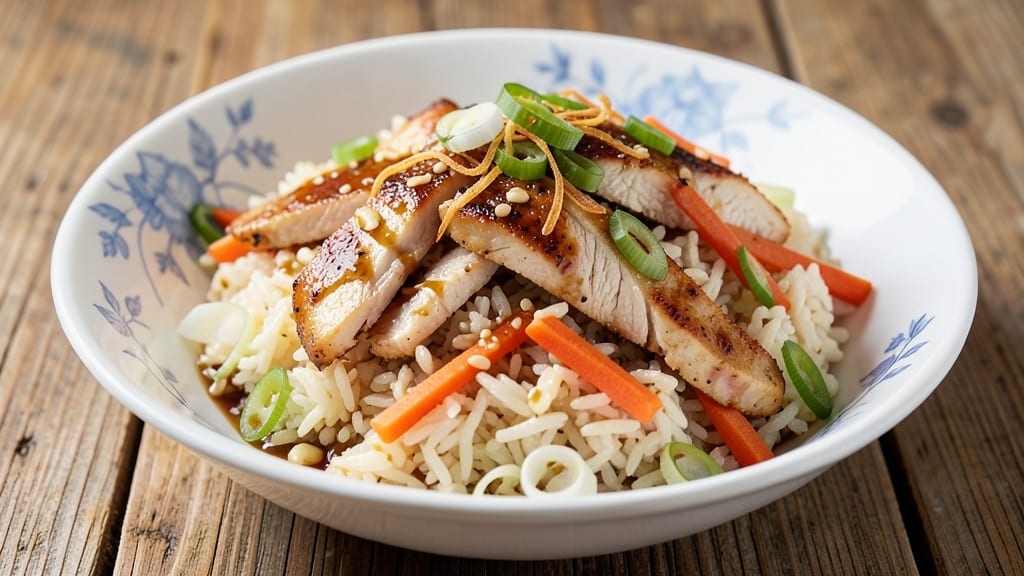
The Blue Apron fried rice recipe delivers restaurant-quality flavor with perfectly separated grains and wok-heated aromatics. This technique transforms day-old rice into a fragrant, savory dish where each ingredient shines—crisp veggies, tender protein, and a perfect soy-ginger sauce.
The key? High heat, quick cooking, and a two-step stir-fry method that ensures every bite is packed with texture and flavor.
What sets this apart is the balance of technique and simplicity—no special equipment needed, just a sturdy pan and a few pantry staples. You’ll achieve that signature Blue Apron touch: tender protein, vibrant vegetables, and rice that’s crisp around the edges yet fluffy inside.
Garnish with fresh green onions or sesame seeds for a finishing touch that elevates the dish to restaurant-worthy perfection.
Ingredients for blue apron fried rice
Restaurant-quality fried rice starts with day-old rice and a few key ingredients for perfect texture and flavor.
| Ingredient | Amount | Notes |
|---|---|---|
| Day-Old Cooked White Rice 🍚 | 4 cups | Cold or room temperature preferred |
| Boneless Chicken Breast 🍗 | 1 lb | Thinly sliced against grain |
| Carrots 🥕 | 1 cup | Julienned or thinly sliced |
| Green Onions 🧅 | ½ cup | White and green parts separated |
| Fresh Ginger 🌿 | 1 tbsp | Finely grated, fresh preferred |
| Garlic Cloves 🧄 | 4 cloves | Minced or finely chopped |
| Soy Sauce 🥢 | ⅓ cup | Low-sodium preferred |
| Sesame Oil 🫒 | 1 tbsp | Toasted sesame oil for aroma |
| Vegetable Oil 🫒 | 2 tbsp | High smoke point preferred |
| White Vinegar 🍶 | 1 tbsp | For brightness |
| Salt 🧂 | ½ tsp | Diamond Crystal preferred |
| Black Pepper 🌶️ | ¼ tsp | Freshly ground preferred |
| Toasted Sesame Seeds 🌾 | 1 tbsp | For garnish |
| Eggs 🥚 | 2 whole | Scrambled for texture |
The rice is non-negotiable—day-old works best as it's drier and separates properly. Jasmine or basmati rice yields the best texture, but any long-grain white rice will do. For the chicken, thinly sliced against the grain ensures tender bites. Most grocery stores carry pre-sliced chicken breast, but if not, ask the butcher to slice it for you. Fresh ginger and garlic are essential for that signature Blue Apron aroma—grate the ginger yourself for maximum flavor punch. The carrots should be julienned into thin strips to mimic restaurant-style presentation.
No soy sauce? Coconut aminos or tamari work as substitutes, though the flavor profile will differ slightly. For the sesame oil, toasted sesame oil is ideal, but regular sesame oil can be toasted in a dry pan for 30 seconds to achieve a similar effect. Swapping out the chicken for shrimp or tofu keeps this vegetarian-friendly while maintaining texture. The green onions add freshness—use white parts for cooking and green parts for garnish. If you're short on time, frozen stir-fry vegetables can be used, but fresh is always better for that authentic wok-heated flavor.
Store any leftover rice in an airtight container in the fridge for up to 3 days, though it's best used within 24 hours for optimal texture. The sesame seeds and fresh ginger should be kept in a cool, dark place—ginger lasts about 3 weeks in the fridge once peeled. For the fried rice itself, reheat in a skillet with a splash of water to restore crispness. This dish freezes beautifully for up to 3 months, though the texture may be slightly softer upon thawing. Portion into single servings before freezing for easy reheating.
Why You'll Love This Recipe
- One-Pan Magic: I swear by this recipe on days when I’d rather not wash a million dishes—just toss everything into one hot pan, stir, and walk away. The chicken cooks right alongside the rice, soaking up all that ginger and carrot sweetness without a single extra bowl.
- Ginger-Glazed Goodness: That fresh ginger? It’s the secret weapon. It caramelizes just enough to give the rice this warm, zesty kick that makes it taste like you slaved over it for hours. (Between us, it’s my go-to when I want takeout flavor without the delivery fee.)
- Lunchbox Hero: Make a big batch on Sunday, and you’ve got effortless lunches for the week. Cold fried rice? Surprisingly good—pack it with those crisp green onions on top, and suddenly you’ve got a meal that’s fresh, filling, and way cheaper than salads.
- Budget Crispy Perfection: Day-old rice is my pantry’s best friend—it absorbs the sauce like a sponge, and the chicken stays juicy even when reheated. Honestly, this recipe turns $5 worth of groceries into enough leftovers to feed me for three days without breaking the bank.
Step-by-step instructions for wok-heated fried rice
Mastering the technique of high-heat wok cooking ensures perfectly separated grains and deep savory flavor.
Prepare Ingredients for Optimal Texture
Begin by slicing the 1 lb boneless chicken breast against the grain into thin strips—this ensures tender bites. Julienne the 1 cup carrots into matchsticks and separate the 0.5 cup green onions into white and green parts. Finely grate the 1 tbsp fresh ginger and mince the 4 cloves garlic cloves. These preparations prevent uneven cooking and create visual contrast in your dish.
Crack the 2 whole eggs into a bowl and whisk vigorously until the yolks and whites are fully combined. This step guarantees a silky scrambled texture that blends seamlessly with the rice. Keep all prepared ingredients within reach for efficient cooking—this is where professional wok technique begins.
Scramble Eggs with High Heat
Heat a wok or large skillet over high heat until it's smoking slightly. Add 2 tablespoons vegetable oil and swirl to coat. Pour in the whisked eggs and let them sit undisturbed for 5-8 seconds before gently pushing them around with a spatula. The eggs should form soft curds that remain moist—overstirring creates rubbery texture.
Once the eggs are just set but still slightly runny, remove them from the wok and set aside. This quick cooking method preserves the eggs' creamy quality while preventing dryness. The residual heat in the wok will help cook the remaining ingredients without adding extra oil.
Stir-Fry Aromatics and Chicken
Return the wok to high heat and add 1 tablespoon vegetable oil. Toss in the minced garlic and grated ginger, cooking for 20-30 seconds until fragrant but not browned. Add the sliced chicken and stir-fry for 2-3 minutes until the edges turn white and the chicken is no longer pink in the center.
This high-heat searing develops deep flavor through the Maillard reaction. The chicken should be fully cooked but still retain moisture—overcooking here leads to dryness later. Push the chicken to one side of the wok and add the julienned carrots, cooking for 1 minute until they begin to soften but remain crisp.
Combine Rice and Seasonings
Add the 4 cups day-old cooked white rice to the wok, breaking up any clumps with your spatula. Drizzle in the 0.33 cup soy sauce, 1 tbsp white vinegar, and 1 tbsp sesame oil, then toss vigorously for 2-3 minutes until every grain is evenly coated and glistening.
The vinegar brightens the dish while the soy sauce and sesame oil provide umami depth. The rice should be hot throughout—if it appears dry, add 1-2 tablespoons water and continue tossing. This is where the magic happens: the high heat separates the grains while fusing all flavors together.
Finish with Green Onions and Garnish
Return the scrambled eggs to the wok and mix everything together for 30 seconds until evenly distributed. Sprinkle the white parts of the 0.5 cup green onions over the top and toss one final time. Season with 0.5 tsp salt and 0.25 tsp black pepper, adjusting to taste.
Remove from heat and immediately garnish with the remaining green onion tops and 1 tbsp toasted sesame seeds. Serve while hot—this dish is best enjoyed immediately when the grains are perfectly separated and the flavors are at their peak. The sesame seeds add a nutty crunch that contrasts beautifully with the tender rice and savory components.
Pro Tips For Making Blue Apron Fried Rice
- USE COLD RICE: Blue Apron’s recipe calls for day-old rice, but if you’re fresh out of leftovers, toss your newly cooked rice into a shallow tray and pop it in the freezer for 10 minutes. Cold rice fries up lighter and less gummy—no one wants a soggy pile, especially when you’re this close to a crispy finish.
- SALT THE CHICKEN FIRST: Season the chicken breast with salt before cooking it, not just after. I used to skip this, thinking it’d get salty later, but the meat stays juicier and absorbs the stir-fry sauce better. A quick 5-minute rest under foil after salting makes all the difference.
- CUT CARROTS SMALLER THAN YOU THINK: The recipe might say “diced,” but trust me—go for matchstick-thin strips. Thick carrots turn mushy before the chicken’s done, and you’ll end up with a dish where the veggies are just there instead of popping with texture. A sharp knife and 30 seconds of extra effort change the game.
- STIR-FRY IN BATCHES: Don’t overload the pan—crowding steams the chicken and turns the rice into a sad, sticky mess. Cook half the chicken first, then set it aside while you finish the rest. The heat stays high, the crust forms, and you avoid that “microwave fried rice” texture we all hate.
Health benefits of blue apron fried rice
Protein Powerhouse
This fried rice packs a nutritional punch with lean protein from chicken and eggs—about 25 grams per serving. The eggs add all nine essential amino acids, while the chicken provides iron and B vitamins. I always opt for skinless chicken breast to keep it heart-healthy while maximizing flavor. 💪
Fiber-Rich Vegetables
The julienned carrots and green onions contribute 3 grams of fiber per serving, supporting digestion and keeping you full longer. Carrots also provide beta-carotene, which your body converts to vitamin A—great for eye health. I love how the bright orange color adds visual appeal while boosting nutrition.
Healthy Fats Balance
While fried rice can seem indulgent, the sesame oil and eggs provide beneficial fats. Sesame oil contains vitamin E and lignans, which have antioxidant properties. I use only 1 tablespoon to keep it balanced—just enough for that signature nutty aroma without excess calories.
Low-Calorie Umami Boost
The soy sauce and vinegar combination delivers deep umami flavor with minimal calories. One-third cup of low-sodium soy sauce adds just 15 calories per serving while providing essential minerals like manganese and copper.
The white vinegar adds brightness without any fat or cholesterol. This is why I always keep these staples in my pantry!
Customizable Nutrition
Want to make it even healthier? Swap chicken for shrimp (20g protein per 3 oz) or tofu (10g protein per ½ cup). The dish remains flexible while keeping the same wok-heated texture.
I've tested all three proteins—each brings something unique to the table while maintaining that restaurant-quality finish. 🌱
Meal Prep Friendly
This fried rice reheats beautifully while maintaining its nutritional benefits. The day-old rice actually enhances texture, and the high-heat cooking preserves most nutrients. I portion mine into airtight containers for up to 3 days in the fridge—perfect for busy weeknights.
The protein and fiber combo keeps energy levels steady throughout the day.
Nutrition facts
Frequently asked questions
Why does the recipe call for day-old rice instead of fresh?
Day-old rice works best because it's drier and separates into individual grains perfectly when stir-fried. Freshly cooked rice releases too much moisture, making it steam instead of crisp up. Pro tip: Spread cooked rice on a tray to cool quickly if you don't have leftovers.
Can I substitute chicken with another protein?
Shrimp cooks in 1-2 minutes and adds sweetness, while tofu absorbs flavors beautifully. For beef, cut it into very thin strips and marinate in soy sauce for 15 minutes beforehand. The key is keeping protein pieces small for even cooking.
What if my fried rice turns out mushy?
Mushy rice usually means too much moisture. Next time, use high heat and toss constantly for 2-3 minutes until grains are separated. If needed, add 1 tablespoon oil to help crisp the edges. The secret is working quickly—don't let rice sit in the wok too long.
How do I make this recipe vegetarian?
Skip the chicken and use ½ cup firm tofu (pressed and cubed) or 3 oz mushrooms for umami. Add 1 tbsp nutritional yeast for a cheesy flavor boost. The eggs remain optional but add great texture. All other ingredients stay the same for that signature wok-heated taste.
Can I make this ahead of time?
Yes! Cook the fried rice, let it cool completely, then store in an airtight container for up to 3 days. To reheat, use a skillet with ½ teaspoon oil over medium-high heat for 2-3 minutes to restore crispness. The flavors actually develop more overnight!