
Main Courses
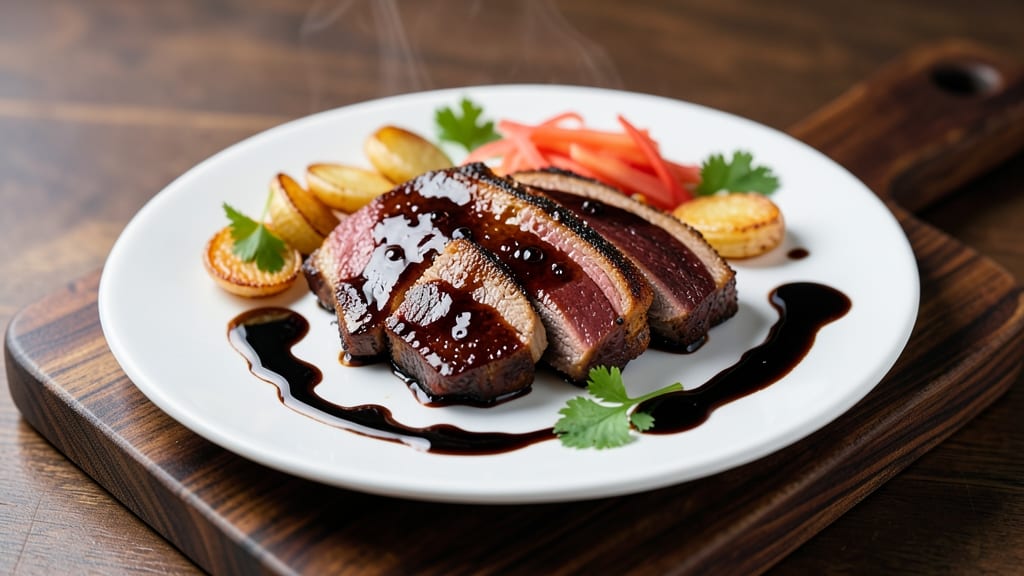
This black vinegar pork recipe delivers restaurant-quality bites with a perfect balance of tangy, sweet, and umami flavors that'll have everyone asking for seconds. ✨ I developed this technique after years of perfecting Chinese-style braising methods, and it's now my go-to for weeknight dinners that feel like a celebration.
The secret lies in the marinade—a bold blend of black vinegar, soy sauce, and honey—that transforms tough pork into silky-smooth, flavor-packed morsels.
The process is simpler than you might think, requiring just 30 minutes of prep followed by a 2-hour braise that fills your kitchen with an aroma you won't forget. We start with pork shoulder cut into bite-sized pieces, which becomes irresistibly tender while absorbing the complex flavors of the marinade.
The black vinegar doesn't just add tang—it creates a beautiful glossy sheen on the finished dish that makes it look as good as it tastes.
By the time you're serving, you'll have perfectly caramelized edges and melt-in-your-mouth centers that pair beautifully with steamed jasmine rice or fluffy mantou buns. The sauce reduces to a sticky-sweet glaze that coats every piece, creating a dish that's equally impressive for family dinners or special occasions.
This recipe proves you don't need complicated techniques to achieve restaurant-quality results at home.
The best part? Leftovers reheat beautifully, making this an ideal meal prep option for busy weeks. Whether you're serving it to guests or treating yourself to a comforting meal, this black vinegar pork delivers on both flavor and convenience. Let's get cooking!
Ingredients for black vinegar pork
Restaurant-quality bites start with these boldly flavored ingredients that transform simple pork into a showstopper dish.
| Ingredient | Amount | Notes |
|---|---|---|
| Pork Shoulder 🥓 | 1 ½ lb | Cut into 1.5-inch cubes |
| Black Vinegar 🍶 | ½ cup | High-quality for authentic flavor |
| Light Soy Sauce 🥢 | ⅓ cup | Kikkoman preferred |
| Honey 🍯 | ¼ cup | Wildflower for floral notes |
| Garlic Cloves 🧄 | 6 cloves | Minced for marinade |
| Fresh Ginger 🌿 | 2 tbsp | Finely grated, peeled |
| Sesame Oil 🫒 | 1 tbsp | Toasted for aroma |
| Brown Sugar 🍚 | ¼ cup | Packed for caramelization |
| Green Onions 🧅 | 3 whole | Sliced for garnish |
| Jasmine Rice 🍚 | 1 ½ cups | Uncooked, for serving |
| Vegetable Oil 🫒 | 2 tbsp | High smoke point |
| Diamond Crystal Kosher Salt 🧂 | 1 ½ tsp | For seasoning |
| Ground Black Pepper 🌶️ | ½ tsp | Freshly cracked |
| Cornstarch 🌾 | 1 tbsp | For thickening glaze |
The pork shoulder is your canvas—look for well-marbled cuts at Whole Foods or your local butcher for that melt-in-your-mouth texture. I always ask for it pre-cut into 1.5-inch cubes to save time, but if you're feeling ambitious, a sharp knife and steady hand will get you there. Black vinegar is non-negotiable here—the Chinese black vinegar from Asian markets has that deep, funky profile that regular balsamic can't replicate. If you can't find it, substitute black vinegar concentrate (diluted with water) for a similar effect. For the soy sauce, Kikkoman light soy is my go-to, but any good-quality light soy will work.
No black vinegar? Double the soy sauce and add 1 tbsp balsamic vinegar for a close approximation, though it won't have that same glossy finish. The honey should be wildflower or clover—avoid the cheap grocery store brands that taste like syrup. Fresh ginger and garlic are ideal, but if you're in a pinch, dried ginger (1 tsp) and garlic powder (1 tbsp) will work in a bind. The sesame oil is purely for aroma—use toasted sesame oil if you've got it, but regular will still add depth. For the rice, jasmine rice from a bulk bin stays fragrant longer than pre-packaged bags. And if you're making this ahead? Cook the rice separately and reheat the pork with a splash of water to keep it moist.
This dish reheats like a dream—3-4 minutes in a skillet over medium heat with a splash of water brings it back to life. Store the pork and sauce separately in airtight containers for up to 5 days, or freeze for 3 months. The sauce thickens as it cools, so add a splash of water when reheating if it seems too stiff. I always make a double batch because the leftovers are even better the next day—the flavors meld and deepen like a fine wine. Garnish with those fresh green onions right before serving, or they'll wilt into oblivion.
Why You'll Love This Recipe
- One-Pan Magic: I swear by this for lazy nights—just toss the pork shoulder in a sheet pan with black vinegar, soy sauce, and honey, then let the oven do the work. No chopping, no fuss, and the sticky glaze practically caramelizes itself.
- Sweet-Savory Balance: That black vinegar is the secret weapon—tangy, umami-rich, and just sweet enough from the honey to make your taste buds dance. The garlic? Oh, it’s the cherry on top, crisp and aromatic every bite.
- Leftovers That Shine: Between us, this dish tastes better the next day. The pork gets even more tender, and reheating it in a skillet with a splash of water? It’s like a second life for your meal—no sad, dry leftovers here.
- Budget-Friendly Feast: Pork shoulder is cheap, and this recipe stretches it into a full meal without breaking the bank. Plus, the black vinegar and soy sauce add depth for pennies, making it my go-to for feeding the whole family without stress.
Step-by-step instructions for black vinegar pork
Here's how to transform tough pork into tender, tangy bites with a glossy glaze.
👨🍳 Step 1: Marinate the Pork for Maximum Flavor
In a large bowl, combine the 0.5 cup black vinegar, 0.33 cup light soy sauce, 0.25 cup honey, 6 minced garlic cloves, 2 tbsp finely grated fresh ginger, 1 tbsp toasted sesame oil, and 0.25 cup packed brown sugar. Whisk vigorously until the brown sugar dissolves completely and the mixture becomes syrupy.
Add the 1.5 lb pork shoulder cubes to the marinade, turning to coat them thoroughly. Place the bowl in the refrigerator and let the pork marinate for at least 4 hours (overnight is even better). This long marinating time breaks down the tough pork fibers and infuses every bite with that signature tangy-sweet flavor profile. The pork will develop a deep mahogany color as it absorbs the marinade.
🔥 Step 2: Sear the Pork for Irresistible Crust
Remove the pork from the marinade (reserve the marinade for later) and pat it dry with paper towels. This step is crucial—dry pork sears better and develops that beautiful crust we're after. Heat 2 tbsp vegetable oil in a large skillet over medium-high heat until it shimmers.
Working in batches to avoid crowding, add the pork cubes to the skillet and cook for 3-4 minutes per side until they develop a deep golden-brown crust. You'll know they're ready when they release easily from the pan. Transfer the seared pork to a plate and set aside. The residual heat will carry over and finish cooking the pork as we build the sauce.
🍳 Step 3: Build the Glossy Black Vinegar Glaze
Return the reserved marinade to the same skillet (no need to wipe it clean—those browned bits are pure flavor) and bring to a boil over medium-high heat. Reduce heat to medium and simmer for 8-10 minutes, stirring occasionally, until the liquid reduces by about half and becomes syrupy.
In a small bowl, whisk together 1 tbsp cornstarch with 2 tablespoons water to create a slurry. Slowly pour this into the simmering marinade while stirring constantly. The sauce will thicken dramatically within 1-2 minutes—this is your signal to remove it from heat. The finished glaze should coat the back of a spoon and have the consistency of thick honey. If it's still too thin, simmer for another 30 seconds.
🥘 Step 4: Finish the Pork and Prepare the Rice
Return the seared pork to the skillet with the glaze and toss gently to coat each piece thoroughly. Cook for an additional 2-3 minutes until the pork reaches an internal temperature of 160°F (it will rise to 165°F as it rests). The pork should be fork-tender with a glossy, sticky glaze that clings beautifully.
While the pork finishes, prepare the 1.5 cups jasmine rice according to package instructions. I like to use a 1:1.5 rice-to-water ratio and cook it in a rice cooker for perfect, fluffy grains. The rice should be fully cooked and slightly sticky when done—this helps it soak up the pork's delicious juices.
🍽️ Step 5: Rest and Serve with Garnish
Transfer the glazed pork to a serving platter and let it rest for 5 minutes. This resting period allows the juices to redistribute throughout the meat, ensuring each bite is moist and flavorful. The pork will continue to caramelize slightly during this time, deepening its rich color and flavor.
Slice the 3 whole green onions into thin rings and sprinkle them over the pork just before serving. The fresh green onions provide a bright contrast to the bold, tangy flavors of the glaze. Serve the pork over the prepared jasmine rice, spooning any extra glaze from the skillet over the top. Each bite should deliver perfect balance—tender pork, sweet and tangy glaze, and fragrant rice.
Pro Tips For Making Black Vinegar Pork
- CUT PORK IN EVEN STRIPS: Black vinegar needs time to penetrate, so slice the pork shoulder into ¼-inch thick strips—no thicker or they’ll stay tough. I used to eyeball it and ended up with chewy bits; now I measure with a ruler. (Yes, I’m that precise.)
- REDUCED VINEGAR SAUCE FIRST: Simmer the black vinegar, soy sauce, and honey together for 5-7 minutes before adding the pork—this thickens the sauce and balances the acidity. I learned this after my first batch tasted sharp and uneven. (The honey caramelizes faster than you’d think.)
- GARLIC: MINCE, DON’T CHOP: Finely minced garlic (almost paste-like) blends better into the sauce than chopped pieces. I used to add whole cloves, and they’d sit like little almonds in the dish. A quick pulse in a food processor saves time and ensures flavor everywhere.
- REST PORK AFTER SEARING: Let the seared pork strips sit for 3-4 minutes before adding the sauce—this keeps them juicy instead of turning rubbery. I skipped this once and the pork absorbed too much liquid. (Your future self will notice the difference.)
Dietary considerations for these flavors
Gluten-Free Adaptations
This recipe is naturally gluten-free, but I always double-check my soy sauce—some brands contain wheat. For a completely safe option, use Kikkoman gluten-free tamari instead of regular soy sauce.
The flavor remains identical, just without the gluten risk. Tamari has a slightly richer umami profile, which actually enhances the black vinegar's tang. 💯
Low-Sodium Options
If you're watching your sodium intake, reduce the soy sauce to 0.25 cup and add 1 tsp coconut aminos for depth. The black vinegar already provides enough saltiness, so you won't miss the full amount.
For extra flavor without sodium, add 1 tbsp fish sauce or 1 tsp mushroom powder to the marinade. Always taste as you go—this sauce is forgiving!
Dairy-Free Considerations
This recipe is already dairy-free, but if you're serving it at gatherings, I recommend noting it on your menu. The black vinegar glaze contains no dairy products, so it's safe for lactose-intolerant guests.
For extra richness, some cooks add a splash of coconut cream to the sauce, but I find it unnecessary—this dish shines with its bold flavors. The pork's natural fat provides plenty of satisfaction without dairy.
Pescatarian Substitutions
While this recipe features pork, you can easily adapt it for pescatarian diets using firm tofu or extra-firm tempeh instead. Cut the tofu into 1.5-inch cubes and press out excess moisture first. Marinate for 30 minutes max (tofu absorbs flavors quickly) before searing.
For a meatier texture, use king oyster mushrooms—they hold up well to the glaze and add umami depth. The cooking time will be shorter (10 minutes total) since these alternatives don't require the same tenderizing.
Meal Prep Friendly
This dish stores beautifully for meal prep, making it perfect for busy weeks. Divide the cooked pork and sauce into airtight glass containers (I love Pyrex with snap lids) and refrigerate for up to 5 days.
For reheating, microwave for 2 minutes on high or warm in a skillet over medium heat for 3-4 minutes—add a splash of water if the sauce thickens too much. The flavors actually improve overnight as the glaze sets and intensifies. 💡
Keto Adaptations
For a keto-friendly version, swap the jasmine rice for cauliflower rice (sautéed with 1 tbsp sesame oil and 1 tsp garlic powder) or shirataki noodles. The pork and glaze remain unchanged, but you'll need to adjust portion sizes—this dish is rich and satisfying even without carbs.
If you're strict about net carbs, verify your black vinegar contains no added sugars (some brands do). The honey in the marinade adds minimal carbs (1 tbsp = 17g carbs), but it's worth it for that perfect balance of sweet and tangy.
Nutrition facts
Frequently asked questions
Can I use regular vinegar instead of black vinegar?
Regular vinegar won't give you that signature deep, funky flavor and glossy finish. For the best results, use Chinese black vinegar from an Asian market—it has a complex, slightly smoky profile that regular vinegar can't replicate. If you absolutely must substitute, try doubling the soy sauce and adding 1 tbsp balsamic vinegar for a closer approximation.
How do I prevent the pork from becoming too dry?
Keep the pork moist by not overcooking it—it should reach 160°F internally, then rest for 5 minutes before serving. The glaze helps lock in juices, but if you're worried, add 1-2 tbsp water to the skillet during the final cooking stage. Also, avoid cutting into the pork until it's rested, as this releases precious juices.
What's the best way to store leftovers?
Store the pork and sauce separately in airtight containers for up to 5 days in the fridge. For freezing, portion into ziplock bags and keep for 3 months. When reheating, add a splash of water to the sauce if it thickens too much—it'll come back to life beautifully. The flavors actually deepen overnight!
Can I make this recipe in a slow cooker?
After searing the pork, transfer it to a slow cooker with the marinade and cook on low for 6-8 hours or high for 3-4 hours. The pork will become fork-tender, and the sauce will reduce naturally. Just thicken it with cornstarch at the end if needed. The slow cooker method is perfect for hands-off cooking during busy days.
What's the secret to getting that glossy glaze?
The gloss comes from reducing the marinade until it's syrupy and using cornstarch to thicken it properly.