
Main Courses
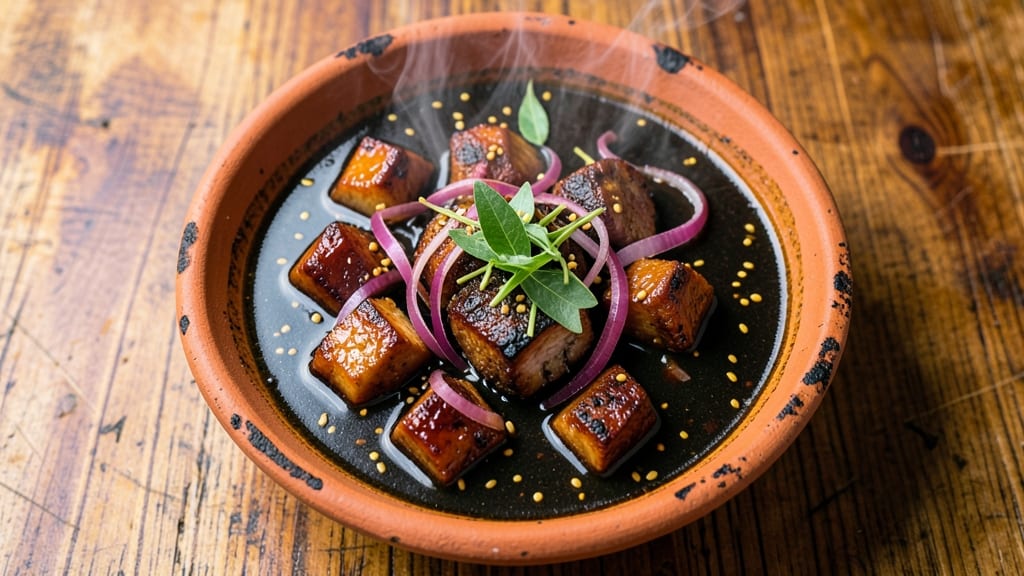
This Sinhala Black Pork Curry delivers the soul of Sri Lankan home cooking in every rich, spiced bite—where tender pork simmers in a velvety coconut gravy infused with fragrant curry leaves and toasted spices.
The secret lies in slow-cooking the pork until it falls apart, creating a sauce that's both aromatic and deeply satisfying, a dish that's as much about tradition as it is about flavor.
I first tasted this at a family gathering in Colombo, where the curry leaves and kokis transformed simple pork into something extraordinary.
The magic begins with marinating the pork in a blend of mustard seeds, turmeric, and fenugreek, allowing the spices to penetrate deeply before the slow cook.
As the curry develops, the coconut milk and tamarind create a perfect balance of sweetness and tang, while the curry leaves add their signature herbal aroma. This is a dish that rewards patience—each layer of flavor builds over time, resulting in a curry that's rich, complex, and impossible to resist.
By the time you serve it, you'll have a pot of tender pork swimming in a fragrant, slightly sweet curry sauce that's perfect with steamed rice or a side of lunu miris for that authentic Sinhala touch.
The spices linger on your palate, a testament to the care taken in every step. This isn't just a curry—it's a celebration of Sri Lankan home cooking, brought to your table with professional precision.
For those who want to go further, pair it with pol sambol or a crisp flatbread to soak up every last drop of that velvety sauce. The combination of textures and flavors makes this more than a meal—it's an experience. Let's get cooking.
Ingredients for black pork curry sinhala
Fresh curry leaves and tender pork shoulder lead this rich Sinhala curry.
| Ingredient | Amount | Notes |
|---|---|---|
| Pork Shoulder 🥩 | 1 ½ lb | Cut into 2-inch cubes |
| Curry Leaves 🌿 | ½ cup | Fresh, tightly packed |
| Coconut Milk 🥥 | 1 ½ cups | Full-fat, canned preferred |
| Mustard Seeds 🌶️ | 1 tbsp | Whole, yellow variety |
| Turmeric Powder 🧂 | 1 tsp | Freshly ground preferred |
| Fenugreek Seeds 🌱 | ½ tsp | Toasted for aroma |
| Dried Red Chilies 🌶️ | 4 whole | Broken into pieces |
| Garlic Cloves 🧄 | 6 cloves | Peeled, roughly chopped |
| Onions 🧅 | 1 whole | Medium, sliced thin |
| Tamarind Paste 🍋 | 2 tbsp | Or 1 tbsp lemon juice |
| Salt 🧂 | 1 ½ tsp | Adjust to taste |
| Sugar 🍯 | 1 tsp | Balances tanginess |
| Vegetable Oil 🫒 | ½ cup | For tempering |
| Cumin Seeds 🌿 | 1 tsp | Toasted lightly |
| Kokis (Coconut Flakes) 🥥 | ¼ cup | Toasted for garnish |
The curry leaves are non-negotiable here—fresh from an Indian or Sri Lankan market makes all the difference. I grab mine at Whole Foods or my local Asian grocery, where they're sold in little bundles. If you can't find them, dried curry leaves at half the amount will work, but the flavor won't be the same. The pork shoulder is key too—bone-in, cut into even 2-inch cubes so it cooks uniformly. Look for good marbling at the butcher counter, and don't skip the marinating step. The spices need time to penetrate that meat.
No tamarind paste? Lemon juice or lime juice works in a pinch, though the flavor will be slightly different. Running short on coconut milk? Light coconut milk plus extra water keeps the dish creamy. The kokis (toasted coconut flakes) are optional but add that authentic crunch—Trader Joe's sells them pre-toasted, which saves time. For the chili heat, adjust the dried red chilies to taste—remove seeds for less heat. And if you're worried about the pork being too fatty, pat it dry before marinating to help the spices stick better.
This curry tastes even better the next day as flavors meld. Store leftovers in an airtight container in the fridge for up to 5 days, or freeze portions for 3 months. I like to portion it into containers with a little extra sauce—just reheat gently on the stove with a splash of water. The sauce thickens as it cools, so don't worry if it looks too thin when you first make it. And trust me, everyone will ask for seconds—this is the kind of dish that disappears fast.
Why You'll Love This Recipe
- One-Pot Magic: I swear by this recipe—just chop the pork, toss in the spices, and let it simmer. No extra pans, no fuss, and that deep, smoky aroma fills the kitchen while you’re still chopping onions.
- Rich, Layered Heat: That first bite? The pork falls apart in your mouth, kissed by turmeric’s golden warmth and coconut milk’s velvety hug. Honestly, the mustard seeds popping in the oil alone make me want to eat it straight from the pot.
- Leftovers That Beg for More: This curry tastes better the next day—yes, really. The flavors meld into something even richer, and it reheats like a dream. I’ve sent it to work with my kids in containers, and they always ask for seconds.
- Budget-Friendly Feast: Pork shoulder stretches across meals, and the spices cost pennies. Between us, I’ve made this for date nights, family dinners, and lazy Sundays—it’s the kind of dish that feels special without breaking the bank.
Step-by-step instructions for black pork curry Sinhala recipe
This rich, aromatic curry delivers deep flavors through careful layering—let's bring it together.
Prepare the Pork and Temper the Spices
Cut the 1.5 lb pork shoulder into 2-inch cubes and set aside. In a heavy-bottomed pot, heat 0.5 cup vegetable oil over medium heat. Add 1 tsp cumin seeds and toast for 30 seconds until they begin to sizzle and release their aroma.
Add 1 tbsp mustard seeds and 4 whole dried red chilies (broken into pieces). Let them sizzle for 1 minute until the mustard seeds pop and turn golden. This is your flavor base—don't rush this step, as it develops the curry's signature depth. The chilies should darken slightly but not burn.
Build the Curry Base with Aromatics
Add 1 whole onion (sliced thin) and sauté for 4-5 minutes until softened and golden brown. Stir in 6 cloves garlic cloves (roughly chopped) and cook for 1 minute until fragrant. Here's where the magic happens: add 0.5 cup curry leaves and 1 tsp turmeric powder, stirring constantly for 2 minutes until the leaves darken and release their intense aroma.
Sprinkle in 0.5 tsp fenugreek seeds and toast for 30 seconds until they turn a deeper brown color. The fenugreek adds a subtle bitterness that balances the richness of the coconut milk. This step ensures every bite carries that authentic Sinhala flavor profile.
Simmer the Pork in Spiced Coconut Milk
Add the pork cubes to the pot and stir to coat in the spice mixture. Pour in 1.5 cups coconut milk, then add 2 tbsp tamarind paste, 1.5 tsp salt, and 1 tsp sugar. Bring to a gentle simmer over medium-low heat and cover partially. Let it cook for 45 minutes, stirring occasionally, until the pork is tender and the sauce thickens.
Here's the key: the pork should be fork-tender but not falling apart. If the sauce reduces too quickly, add 2-3 tablespoons of water to maintain the right consistency. The tamarind and sugar balance the richness of the coconut milk while keeping the flavors vibrant.
Finish and Garnish for Authentic Flavor
Once the pork is tender, remove the pot from heat and let it rest for 5 minutes. Toast 0.25 cup kokis (coconut flakes) in a dry skillet over low heat for 2-3 minutes until golden brown and fragrant. Sprinkle them over the curry just before serving—they add a delightful crunch and nutty aroma.
Taste and adjust seasoning if needed. The curry should be rich, slightly tangy from the tamarind, and deeply spiced with a hint of sweetness. Serve hot with steamed rice to soak up every last drop of that fragrant coconut sauce.
Pro Tips For Making Black Pork Curry Sinhala
- Brown the Pork First: Skip the slow cook and sear the pork shoulder in 2-inch chunks over medium-high heat until deep golden—about 5-6 minutes per side. I learned this the hard way: rushing this step means your curry will taste flat, not rich. The crust locks in flavor and caramelizes the meat’s natural sugars, which is half the battle in Sinhala curry.
- Toast Mustard Seeds Low: Crank the heat to medium-low when tempering mustard seeds—high heat burns them before they pop. I was skeptical until I tried it: patient toasting (2-3 minutes) releases their nutty aroma without bitterness, which balances the coconut milk’s creaminess. Don’t rush; let them sizzle gently.
- Add Coconut Milk Late: Hold off on the coconut milk until the pork is nearly tender and the spices have bloomed for 10 minutes. Adding it early dilutes the spice base and makes the curry taste watery. I skip this when lazy, but the dish is noticeably better when I don’t—thicker, richer, and more cohesive.
- Crush Curry Leaves Fresh: Buy whole dried curry leaves and crush them lightly in your palm before adding to the oil—this releases their essential oils without turning the curry into a leafy mess. I used to toss them in whole, and the flavor was always half as strong. A quick 10-second crush makes a real difference.
Troubleshooting your black pork curry sinhala
Spice Burn Nightmare
If your curry leaves or mustard seeds burn before they release their aroma, you've lost that signature Sinhala depth. Lower your heat immediately to medium-low and let them toast gently.
I've ruined this step too many times—trust me, the key is patience. Add a splash of water if needed to cool things down, then continue building your base. 🔥
Pork Too Dry
If your pork cubes end up dry and chewy, you likely cooked it too long or didn't use enough coconut milk. Start checking tenderness at 40 minutes—the pork should pull apart easily with a fork.
For future batches, add ¼ cup extra coconut milk or cover the pot more tightly to trap steam. I once turned my pork into jerky by accident—don't let that happen to you!
Sauce Too Thin
A watery curry means you need to reduce it more aggressively. After the initial simmer, uncover the pot and cook on medium heat for 10-15 minutes, stirring occasionally. The sauce should thicken as it reduces.
If it's still too thin, mix 1 tbsp cornstarch with cold water and stir in slowly. Pro tip: Let it cool slightly before adjusting—hot sauces thicken as they cool.
Lacking Tang
If your curry tastes flat or missing that bright tang, your tamarind paste might be old or weak. Use freshly soaked tamarind pulp (or 1 tbsp extra lemon juice) for that signature Sinhala zing.
I keep a small jar of tamarind paste in my fridge—it's worth the investment. For an extra boost, add ½ tsp white vinegar at the end to brighten flavors.
Overpowering Heat
Too much chili heat? Remove the whole dried chilies before adding them to the oil—this controls the heat while keeping the aroma. For extra spice, add fresh green chilies at the end instead.
I like to keep a small bowl of plain yogurt on the side to balance heat—it's a Sri Lankan classic. Remember, you can always add more chili, but you can't take it out!
Grainy Texture
If your sauce has a gritty texture, you likely didn't strain it enough. After cooking, pour the curry through a fine-mesh sieve to remove any whole spices or curry leaves. For a smoother texture, blend ½ cup of the cooked sauce separately and stir it back in.
This trick works wonders for restaurant-quality results—just don't over-blend or you'll lose that essential body. 💫
Nutrition facts
Frequently asked questions
Can I substitute chicken for pork in this Sinhala curry?
Yes, but chicken benefits from shorter cooking time. Use 1.5 lb boneless chicken thighs (they stay juicier than breast) and reduce simmering to 25-30 minutes. The flavor profile works beautifully with chicken, though pork's richness is traditional. For extra authenticity, marinate the chicken in the same spice blend for 30 minutes before cooking.
What makes this curry "black" in color?
The deep color comes from three key ingredients: toasted curry leaves (which darken as they cook), fenugreek seeds (which turn brown when toasted), and the dried red chilies that release their pigments. The coconut milk also develops a rich, caramelized hue as it simmers. This isn't a "black" curry in the sense of being dark like black daal—it's more of a deep brown with vibrant red accents from the spices.
How do I make this curry less spicy?
For milder heat, reduce the dried red chilies to 2-3 pieces (remove seeds entirely) and skip adding fresh green chilies. The mustard seeds and curry leaves carry the authentic flavor without heat. If you've already cooked it, serve with extra plain yogurt or coconut milk on the side to balance the spice. I often make a double batch—one spicy version for adults and one mild version for kids using the same base.
Can I prepare this curry ahead of time?
This curry tastes even better the next day! Store in an airtight container in the fridge for up to 5 days or freeze portions for 3 months. Reheat gently on the stove with a splash of water or coconut milk to restore richness. The flavors develop and meld beautifully over time, making it perfect for meal prep. Just add a sprinkle of toasted kokis when reheating for that fresh-from-the-pot crunch.
What sides pair best with this Sinhala pork curry?
Traditional pairings include steamed jasmine rice (essential for soaking up the sauce) and lunu miris (Sinhala onion sambol) for a tangy contrast. For a complete meal, add pol sambol (spicy shredded coconut salad) or hoppers (appa). In Sri Lanka, it's often served with roti or string hoppers for extra texture. I love serving it with a simple cucumber salad to cut through the richness.