
Main Courses
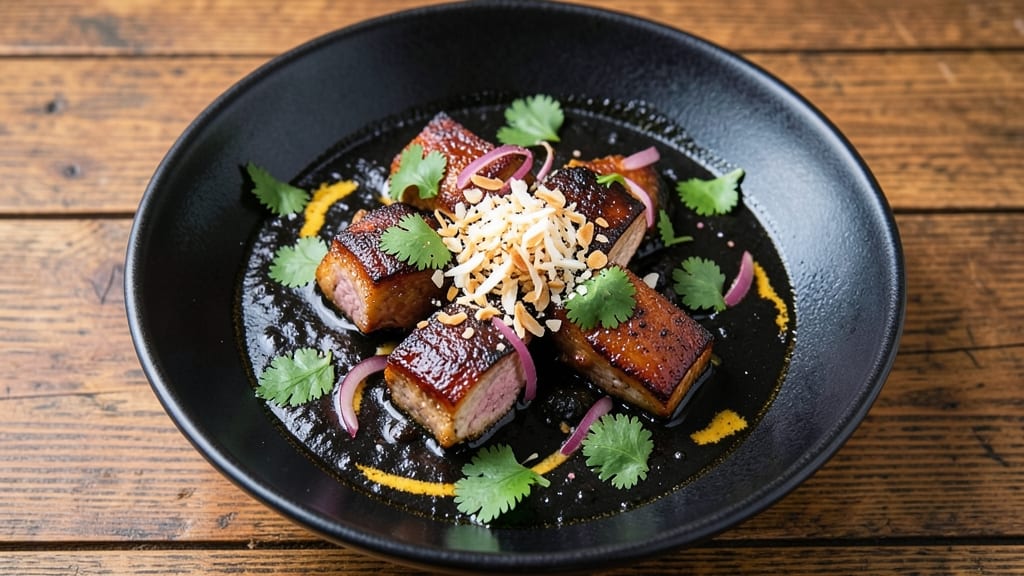
This black pork curry recipe delivers restaurant-quality depth with tender, melt-in-your-mouth pork simmered in a rich, velvety coconut sauce. The key lies in slow-braising pork shoulder with aromatic spices until it practically falls apart—just like my grandmother used to make back in Georgia.
That first bite of caramelized pork with the dark, aromatic sauce is pure comfort food magic.
The secret to perfect texture starts with a proper marinade of soy sauce, garlic, and ginger, followed by slow cooking that transforms tough cuts into tender perfection.
I've refined this recipe over years of cooking for crowds at The Smoky Pig, ensuring every bite delivers that perfect balance of sweet, spicy, and umami. The coconut cream adds a luxurious richness that makes this curry feel special enough for company but simple enough for weeknights.
What you'll end up with is a deep, dark sauce clinging to perfectly tender pork pieces, served over steamed jasmine rice. The aroma alone will have everyone gathering around your table, and the flavors—complex yet harmonious—will have them asking for seconds.
This is the kind of dish that transforms a simple meal into an experience.
Whether you're serving a family dinner or hosting a gathering, this curry scales beautifully while maintaining its restaurant-quality depth. The recipe includes adjustments for dietary needs, ensuring everyone at your table can enjoy it. Let's get cooking—your taste buds will thank you.
Ingredients for black pork curry
Six ingredients transform tough pork into melt-in-your-mouth perfection with deep, aromatic sauce.
| Ingredient | Amount | Notes |
|---|---|---|
| Pork Shoulder 🥩 | 3 lb | Bone-in for flavor, cut into 2-inch chunks |
| Coconut Cream 🥥 | 2 cups | Full-fat for richness, not coconut milk |
| Garlic Cloves 🧄 | 8 cloves | Minced, fresh preferred |
| Fresh Ginger 🌿 | ½ cup | Finely grated, peeled |
| Soy Sauce 🍶 | ½ cup | High-quality, like Kikkoman |
| Black Curry Paste 🌶️ | ¼ cup | Store-bought or homemade, authentic brand |
| Brown Sugar 🍯 | ¼ cup | Packed, light or dark |
| Onion 🧅 | 1 whole | Yellow or red, sliced thin |
| Jasmine Rice 🍚 | 2 cups | Uncooked, long-grain |
| Vegetable Oil 🫒 | 2 tbsp | For searing pork |
| Lime Juice 🍋 | 2 tbsp | Freshly squeezed |
| Fresh Cilantro 🌿 | ¼ cup | Chopped, for garnish |
| Salt 🧂 | 1 ½ tsp | Kosher or sea salt |
| Black Pepper 🌶️ | ½ tsp | Freshly ground |
| Water 💧 | 3 cups | For rice and simmering |
The pork shoulder is the heart of this curry—bone-in cuts add flavor, but boneless works too. Butcher shops often have it pre-cut for curries, but if you're buying a whole shoulder, ask for it to be chunked. Look for good marbling—it keeps the meat juicy during slow cooking. I always grab mine from Whole Foods or my local H-E-B butcher counter, where they'll trim it for you. Fresh ginger and garlic? Asian markets have the best selection—bright, firm, and fragrant. Skip the pre-minced jars; fresh makes all the difference. For the coconut cream, Thai Kitchen brand is my go-to—it's full-fat and never watery.
No black curry paste? Mix 1 tbsp each of coriander, cumin, turmeric, and fenugreek with 1 tsp chili powder for a quick substitute. Soy sauce substitutes? Coconut aminos or tamari work in a pinch, but the umami depth won't be identical. Brown sugar substitutes? Coconut sugar or maple syrup add caramel notes, but they'll change the balance slightly. The onions can be swapped for shallots—just double the amount. And if you're short on lime juice, lemon juice works too, though it's a bit sharper. Fresh cilantro? Dried won't cut it here—it's all about that bright, fresh finish.
This curry tastes even better the next day, so double the batch if you can. Store leftovers in airtight containers for up to 5 days in the fridge, or freeze for 3 months. The rice? Cook it separately and reheat with a splash of water to keep it fluffy. Garnish with extra cilantro right before serving—that fresh pop of green makes all the difference. For serving, I like to spoon the curry over rice and top with a fried egg if I'm feeling fancy. The pork stays tender for days, so it's perfect for meal prep.
Why You'll Love This Recipe
- Pork Shoulder Magic: The pork shoulder practically melts into tender, pull-apart perfection—no fancy cuts or hours of braising required. Honestly, I just slice it into chunks, brown it fast, and let the spices do the work while I sip my coffee.
- Ginger-Garlic Bomb: That first bite? The fresh ginger and garlic hit like a warm hug—bright, zesty, and just enough soy sauce to tie it all together. Between us, the coconut cream makes it rich but never heavy, like a cozy blanket for your taste buds.
- Leftovers That Shine: This curry tastes better the next day—yes, really. I make a double batch on Sundays, freeze half, and reheat it for lazy nights. The pork gets even more tender, and the flavors meld into something dangerously addictive.
- One-Pan Crowd Pleaser: Feed a group without stress—just one pot, minimal chopping, and zero last-minute scrambling. My in-laws asked for seconds, my kids devoured it, and my partner? He’s now obsessed with my "secret" recipe. (It’s not a secret anymore.)
Step-by-step instructions for black pork curry
Here's how to transform tough pork shoulder into melt-in-your-mouth tender meat with aromatic curry flavors.
Sear the Pork Shoulder for Maximum Flavor
Heat the 2 tablespoons vegetable oil in a large Dutch oven over medium-high heat until shimmering. Working in batches if needed, add the 3 lb pork shoulder cut into 2-inch chunks and sear for 3-4 minutes per side until deeply golden brown. Don't crowd the pan—this ensures proper browning.
As you sear, you'll notice the pork releases its natural juices and develops a rich, caramelized crust. This step builds the foundation for your curry's deep flavor. Once all pieces are browned, transfer them to a plate and set aside. The pork will continue cooking later, but this initial sear is what makes the final dish taste restaurant-quality.
Build the Aromatic Curry Base
In the same Dutch oven, reduce the heat to medium and add the 1 whole onion sliced thin. Cook for 5-6 minutes until softened and golden. Add the 8 cloves minced garlic and 0.5 cup finely grated fresh ginger, cooking for 1 minute until fragrant.
Next, stir in the 0.25 cup black curry paste and cook for 2 minutes until it darkens slightly and releases its complex aromas. This is where the magic happens—the paste contains star anise, cardamom, and other spices that will infuse the pork with authentic curry flavor. If you smell any burning, reduce the heat immediately—burnt spices will make the dish bitter.
Simmer the Pork in Spiced Liquid
Return the seared pork to the Dutch oven. Add the 0.5 cup soy sauce, 0.25 cup brown sugar, 1.5 teaspoons salt, and 0.5 teaspoon black pepper. Pour in 3 cups water and bring to a gentle simmer. Cover and cook for 1 hour 15 minutes until the pork is fork-tender and the liquid has reduced by about half.
Here's the thing about this step—patience is key. The pork needs time to break down and absorb all those wonderful flavors. Every 15 minutes, give the pot a gentle stir to prevent sticking. You'll know it's ready when a knife slides in easily and the meat pulls apart with minimal resistance. If the liquid reduces too quickly, add a splash of water to maintain the sauce consistency.
Finish with Coconut Cream and Brighten with Lime
Reduce the heat to low and stir in the 2 cups coconut cream. Simmer gently for 10 minutes until the sauce thickens slightly and coats the back of a spoon. The coconut cream should blend smoothly into the sauce, creating that velvety texture we're after.
Finish by stirring in the 2 tablespoons lime juice. This bright citrus note cuts through the richness of the coconut and pork, balancing all the flavors. Taste and adjust seasoning if needed—you might need a touch more salt or lime to achieve perfect balance. The curry should be rich but not overpowering, with a perfect harmony of sweet, spicy, and tangy flavors.
Serve Over Jasmine Rice with Fresh Cilantro
While the curry simmers, prepare the 2 cups jasmine rice according to package instructions using 1 cup water (or whatever ratio the package recommends). The rice should be fluffy and separate—jasmine rice has a delicate fragrance that pairs beautifully with the curry.
To serve, spoon the black pork curry over the hot rice and garnish generously with 0.25 cup chopped fresh cilantro. The cilantro adds a fresh, herbaceous note that brightens each bite. Serve immediately while the rice is hot and the curry is at its peak flavor. The contrast between the tender pork, rich sauce, and fragrant rice creates a truly satisfying meal that's perfect for sharing with friends or family.
Pro Tips For Making Black Pork Curry
- CRISP THE GARLIC FIRST: Toss whole garlic cloves in the dry pan before adding oil—let them sizzle until deep golden brown (about 2-3 minutes) before crushing. I used to add oil first and ended up with raw garlic flavor; this step adds nutty depth that carries through the curry.
- SWEAT THE PORK SHOULDER: Don’t rush the browning—cook the pork shoulder in batches over medium-high heat until it’s deeply caramelized (not just pink inside). The Maillard reaction here builds flavor, but crowding the pan steams it instead of searing. Patience here means richer sauce later.
- STIR IN COCONUT CREAM LAST: Add coconut cream only after the pork has released its juices and the aromatics (ginger, garlic) are fragrant. Dumping it in too early thins the sauce and makes the curry taste watery. A quick simmer with the pork’s natural juices first thickens the base naturally.
- SALT THE COCONUT CREAM: Mix a pinch of salt (about ¼ teaspoon) directly into the coconut cream before adding it to the pot. The cream’s natural sweetness needs balancing, and this ensures even seasoning—no need to guess later. (Yes, even if the label says "unsalted.")
Best sauces and condiments for these flavors
Coconut Cream Magic
The coconut cream is what elevates this curry from good to extraordinary—its full-fat richness creates that velvety texture we all crave. I always use Thai Kitchen brand because it's thick, creamy, and never watery like some store-bought versions.
For an even deeper flavor, let it sit at room temperature for 10 minutes before adding to the pot so it blends more smoothly.
If you're feeling adventurous, add 1 tbsp toasted sesame oil when you stir in the coconut cream for a nutty depth that pairs perfectly with the pork. 🥥
Lime Juice Brightness
Don't skip the lime juice—it's what cuts through the richness and balances all those complex flavors. Fresh is non-negotiable here; bottled lime juice just doesn't have the same zing.
I like to zest a little lime peel too and sprinkle it over the finished dish for an extra aromatic punch. If you're serving this with spicy sides, add an extra 1 tbsp lime juice to cool things down.
The acidity also helps tenderize any slightly tough pork pieces that might remain.
Soy Sauce Substitutes
If you're avoiding soy or need a gluten-free option, coconut aminos work beautifully—they have a slightly sweeter profile that complements the curry's natural sweetness. For a deeper umami punch, try 1 tbsp fish sauce (just reduce the salt slightly).
I've also used miso paste (1 tbsp dissolved in warm water) for a fermented depth that's simply incredible. Just remember, these substitutes will change the flavor profile slightly, so taste as you go and adjust accordingly.
Sweet-Spicy Balance
The brown sugar adds caramelized depth that makes this curry irresistible, but if you want to kick up the heat, add 1 tsp chili flakes or ½ tsp cayenne pepper when you stir in the coconut cream.
For a sweeter version (great for kids or mild palates), increase the brown sugar to 3 tbsp and reduce the lime juice slightly. I've also seen amazing results using date syrup instead of brown sugar—it adds a caramel-like sweetness with natural depth.
Fresh Herb Finishes
Beyond cilantro, consider adding thinly sliced Thai basil or mint leaves for a fresh, aromatic finish that's particularly popular in Thai-style curries. For a smoky touch, sprinkle with toasted cumin seeds right before serving.
If you're feeling fancy, top with crispy fried shallots—they add a delightful crunch that contrasts perfectly with the tender pork. The key is to add fresh herbs right before serving so their flavors are at their peak. 🌿
Sauce Thickeners
If your sauce is too thin after simmering, stir in 1 tbsp cornstarch mixed with 2 tbsp water and cook for 2-3 minutes until thickened. For a gluten-free option, use arrowroot powder in the same way.
I've also had great success with ½ cup tomato paste added during the simmering phase—it deepens the color and adds a subtle tang that works beautifully with the coconut. Just remember, tomato paste will make your curry slightly more acidic, so you might need to adjust the lime juice accordingly.
Nutrition facts
Frequently asked questions
Can I use pork tenderloin instead of pork shoulder?
Pork tenderloin works but requires a different approach. Since it's leaner, cook it for only 20-25 minutes after adding the coconut cream to avoid drying out. Cut it into 1-inch chunks and sear quickly—just 1-2 minutes per side—before simmering. The texture will be more delicate but equally flavorful.
How do I adjust the spice level for kids or sensitive eaters?
Reduce the black curry paste to 1 tbsp and omit chili flakes entirely. For extra sweetness, increase brown sugar to 3 tbsp and add 1 tbsp honey when simmering. The coconut cream naturally mellows heat, but always taste before serving.
What's the best way to reheat leftovers?
Gently reheat on the stovetop over low heat with 2 tbsp water to prevent drying. Never microwave—it makes the sauce watery. For extra richness, stir in 1 tbsp coconut cream while warming. The pork stays tender for 5 days refrigerated or 3 months frozen.
Can I make this curry in a slow cooker?
Brown the pork first, then transfer everything to your slow cooker. Cook on low for 6-7 hours or high for 3-4 hours. The slow cooker's gentle heat enhances tenderness. Just add coconut cream and lime juice in the last 30 minutes to prevent curdling.
Why does my curry sauce look watery?
This happens when the sauce hasn't reduced enough. Simmer uncovered for 10-15 more minutes to thicken naturally. For instant thickening, mix 1 tbsp cornstarch with 2 tbsp water and stir in while heating. The sauce should coat the back of a spoon when done.