
Main Courses
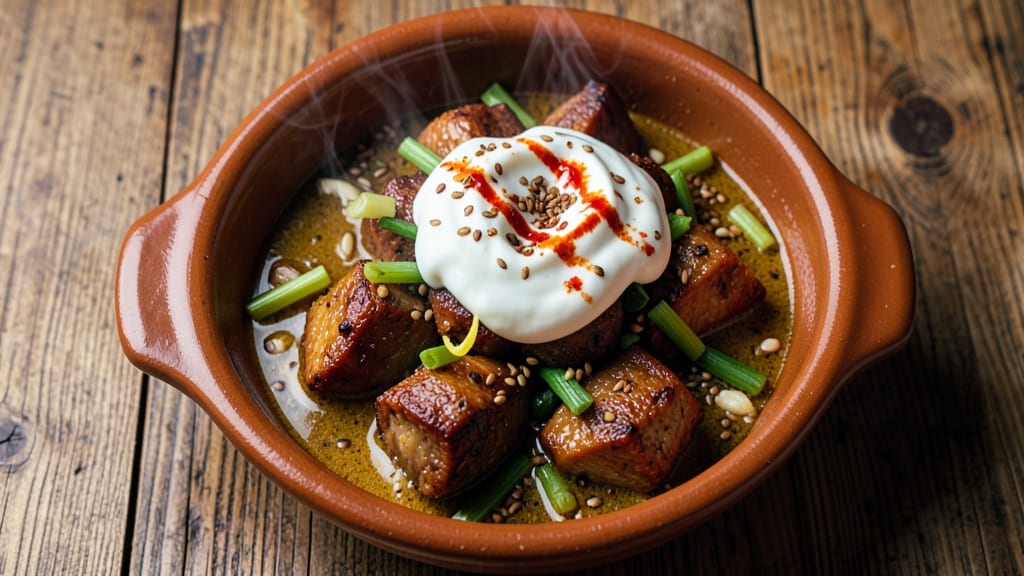
This authentic pork curry recipe brings the rich, spiced flavors of Southeast Asian kitchens to your home table—starting with a yogurt marinade that tenderizes the meat and builds depth.
I developed this method after years of perfecting curries in my Charleston kitchen, where I learned how a simple marinade transforms tough cuts into melt-in-your-mouth perfection. The yogurt not only keeps the pork moist but also creates that signature tangy backbone that defines great curry.
The secret lies in balancing spices with aromatic bases like ginger, garlic, and lemongrass, then simmering the pork until it falls apart while developing a sauce that’s velvety yet complex.
This isn’t your typical one-pot curry—it’s a layered experience with a spiced yogurt marinade that infuses flavor deep into the meat, followed by a slow cook that builds richness without overpowering the natural taste of the pork. The result?
A dish that tastes like it’s been simmering for hours, even if you’re working with a weeknight schedule.
What you’ll end up with is tender, fall-apart pork swimming in a sauce that’s perfectly balanced—sweet from coconut milk, tangy from yogurt, and aromatic from whole spices.
The texture is where this curry truly shines: the pork stays juicy, the sauce clings without being gloppy, and every bite delivers that perfect harmony of heat and depth.
This is the kind of recipe that turns a simple dinner into a restaurant-worthy experience, and it’s foolproof enough for weeknight cooking.
Serve it with steamed jasmine rice or warm naan to soak up every last drop of that rich, spiced sauce, and don’t forget to garnish with fresh cilantro and a squeeze of lime.
The leftovers? Even better the next day as the flavors meld further. Let’s get cooking—this curry is worth every minute of the process.
Ingredients for authentic pork curry
The rich, spiced flavors of Southeast Asian kitchens start with these simple ingredients.
| Ingredient | Amount | Notes |
|---|---|---|
| Pork Shoulder 🥩 | 2 lb | Bone-in, cut into 2-inch chunks |
| Plain Yogurt 🥛 | 1 cup | Full-fat, unsweetened |
| Ginger Root 🌿 | 2 tbsp | Freshly grated, aromatic |
| Garlic Cloves 🧄 | 6 cloves | Minced, for marinade |
| Lemongrass 🌿 | 1 whole | Stalk, finely chopped |
| Ground Cumin 🌶️ | 1 tbsp | Toasted for depth |
| Ground Coriander 🌶️ | 1 tbsp | Freshly ground preferred |
| Turmeric Powder 🌶️ | 1 tsp | Bright yellow color |
| Ground Black Pepper 🌶️ | ½ tsp | Freshly cracked |
| Cayenne Pepper 🔥 | ½ tsp | Adjust for heat |
| Coconut Milk 🥥 | 1 can | 13.5 oz can, full-fat |
| Tomato Paste 🍅 | 2 tbsp | Smooth, no sugar added |
| Fresh Cilantro 🌿 | ¼ cup | Chopped, for garnish |
| Lime Juice 🍋 | 2 tbsp | Freshly squeezed |
| Salt 🧂 | 1 ½ tsp | Kosher or sea salt |
The pork shoulder is the star—look for well-marbled cuts at Whole Foods or your local butcher. Bone-in pieces stay juicier during the long simmer, and that's exactly what we want here. The yogurt? Full-fat Greek yogurt from the refrigerated section—none of that low-fat stuff. It needs that richness to carry the spices. For lemongrass, Asian markets often have it fresh and ready to use, but the frozen stalks work too if you're in a pinch. Just thaw and chop it finely—no need to peel. The spices are non-negotiable: toast your cumin and coriander in a dry pan for 30 seconds before grinding if you want that extra depth.
No lemongrass? Substitute 1 tbsp lime zest plus 1 tbsp lime juice—it won't be identical, but it'll get you close. Running low on yogurt? Plain Greek yogurt or even sour cream work in a bind, though the tang won't be as pronounced. The coconut milk can be swapped for light coconut milk if you're watching calories, but I recommend sticking with full-fat for that velvety texture. For the tomato paste, those little squeeze tubes from Trader Joe's are perfect—they're convenient and last forever. And if you're worried about the heat level, reduce the cayenne to 1/4 tsp or skip it entirely.
This curry tastes even better the next day, so make extra if you can. Store it in an airtight container in the fridge for up to 5 days, or freeze portions for 3 months. The pork will get more tender with time, and the flavors meld into something truly special. For serving, keep the rice and naan warm in a 200°F oven while you reheat the curry—just add a splash of water or coconut milk to loosen the sauce. Garnish with that fresh cilantro right before serving, and trust me, it makes all the difference.
Why You'll Love This Recipe
- One-Pot Magic: I swear by this recipe—just dump the pork, aromatics, and yogurt into one pot, and let it simmer. No chopping mountains of veggies or juggling multiple pans; the lemongrass and ginger do all the heavy lifting while you stir.
- Flavor Bomb: That first bite? Chef’s kiss. The yogurt mellows the heat while the garlic and ginger sear into the pork, creating this perfect balance of creamy, tangy, and smoky. Honestly, it’s the kind of dish that makes you forget about takeout.
- Meal Prep MVP: Between us, this curry only gets better after a day in the fridge. The pork gets tender enough to fall apart, and the flavors meld into something even richer. Double the batch on Sunday—it’s my go-to for lunches all week.
- Budget-Friendly Feast: Pork shoulder is cheap, and a little goes a long way here. The yogurt and lemongrass stretch the dish into four servings without breaking the bank, and leftovers reheat like a dream. (Yes, even on a Tuesday night.)
Step-by-step instructions for authentic pork curry
This method delivers restaurant-quality depth with a yogurt marinade that tenderizes and infuses flavor.
Marinate the Pork for Maximum Tenderization
In a large bowl, combine the 2 lb pork shoulder chunks with the 1 cup plain yogurt. Add all the minced garlic cloves, freshly grated ginger root, chopped lemongrass, ground cumin, ground coriander, turmeric powder, black pepper, cayenne pepper, and 1.5 tsp salt. Mix thoroughly until every piece of pork is well coated in the marinade.
Cover the bowl and refrigerate for at least 4 hours, but I recommend overnight for best results. The yogurt will break down the muscle fibers, creating that melt-in-your-mouth texture. Here's the thing—don't skip this step. The marinade doesn't just add flavor; it transforms the texture of the pork. After marinating, the pork should feel noticeably softer when you press it gently with your fingers.
Brown the Pork for Deep Flavor
Heat a heavy-bottomed pot or Dutch oven over medium-high heat. Remove the pork from the marinade (reserve the marinade) and pat it dry with paper towels. This step is crucial—wet pork won't brown properly. Add the pork in batches if needed, leaving space between pieces to ensure even browning.
Cook the pork for 4-5 minutes per side until it develops a deep golden-brown crust. You'll know it's ready when you see those beautiful caramelized patches and smell that rich, meaty aroma. Here's where it gets fun—this browning creates the Maillard reaction that forms the complex flavors we love in authentic curries. Don't be tempted to rush this; patience pays off with deeper flavor.
Build the Curry Base with Aromatics
Once the pork is browned, remove it from the pot and set aside. In the same pot, add the reserved marinade and cook over medium heat for 3-4 minutes until it thickens slightly. Add the 2 tbsp tomato paste and stir to combine, letting it cook for another 2 minutes until it darkens and becomes fragrant.
Now add the 1 can coconut milk and bring the mixture to a gentle simmer. Here's the moment that matters: let it cook uncovered for 10 minutes to allow the raw coconut flavor to mellow and develop. You'll notice the aroma changing from sharp to rich and creamy. This step is what transforms a simple coconut milk base into the velvety, complex sauce that defines authentic curries.
Simmer the Pork Until Fork-Tender
Return the browned pork to the pot along with any accumulated juices. Partially cover and simmer over low heat for 1 hour 30 minutes to 2 hours, stirring occasionally. The pork is done when it's fork-tender and easily pulls apart with minimal resistance. Here's the thing—your oven might run hot, so start checking at the 1 hour 30 minute mark by inserting a meat thermometer into the thickest piece. It should read 195-205°F.
If the sauce starts to reduce too much and becomes thick, add ¼ cup to ½ cup of water to maintain the proper consistency. The sauce should coat the back of a spoon but still be luscious enough to cling to the pork. Real talk: this is where many home cooks go wrong by either overcooking (dry meat) or undercooking (tough meat). Trust the thermometer, not just the time.
Finish with Fresh Herbs and Bright Flavors
Once the pork is perfectly tender, stir in the 2 tbsp lime juice and 0.25 cup chopped fresh cilantro. The acidity of the lime brightens all the flavors while the cilantro adds that fresh, aromatic finish. Let the curry simmer for another 5 minutes to allow the flavors to meld completely.
Taste and adjust the seasoning if needed—you might want to add a pinch more salt or cayenne to suit your preference. Here's the final check: each bite should deliver tender pork with layers of spiced yogurt, creamy coconut, and bright citrus notes. Serve immediately with steamed basmati rice or warm naan bread to soak up every last bit of that rich, flavorful sauce.
Pro Tips For Making Authentic Pork Curry
- Brown the Pork First: Skip the yogurt marinade first—sear the pork shoulder in a hot pan with oil until it’s deeply browned on all sides. This builds flavor that won’t dissolve when you add the yogurt later. (Yes, it’ll take 10 extra minutes, but your curry will taste like it simmered all day.)
- Bruise the Lemongrass: Don’t just slice it—give that lemongrass a good whack with the flat side of your knife before chopping. It releases oils and aromatics that’ll make your curry smell like a street-side stall. (I used to skip this; now I don’t.)
- Temper the Yogurt: Warm the yogurt gently in a separate pan over low heat until it’s just lukewarm—never hot. Cold yogurt curdles when it hits the hot pork, and you’ll end up with a lumpy mess. (I learned this after one very sad curry.)
- Simmer Low and Long: After the initial sear, reduce the heat to a bare simmer and cover the pot. Pork shoulder needs 1.5–2 hours to break down, not 30 minutes. Rush it, and you’ll have tough, chewy meat. (Trust me, the slow win is the only win.)
Storing and reheating this authentic pork curry
Fridge Storage Secrets
Let your curry cool completely before transferring to an airtight container—I swear by glass Pyrex with snap-on lids for even heating later. Store in the fridge for up to 5 days, but trust me, the flavors deepen overnight as the spices meld.
The yogurt marinade actually helps preserve the pork's moisture, so you won't get that dry, sad curry texture. Just press a piece—if it holds its shape, it's ready to reheat. 🥥
Freezer Magic
For long-term storage, freeze portions in quart-sized freezer bags with 1 inch headspace—this prevents ice crystals from ruining the texture. Label with the date and freeze for up to 3 months.
When reheating, thaw overnight in the fridge for best results. I've found that freezing the curry in single-serving portions makes it perfect for quick lunches. Just pop it in the microwave later!
Stovetop Reheating
This is my go-to method because it maintains that restaurant-quality texture. Pour the curry into a heavy-bottomed pot (I use my Lodge cast iron) and add 2-3 tbsp water or coconut milk to prevent sticking. Heat over medium-low heat for 10-12 minutes, stirring occasionally.
The sauce should loosen up beautifully, and the pork will stay tender. If it looks too thick, add a splash more liquid—just don't overdo it or you'll dilute those hard-earned flavors. 🔥
Microwave Shortcuts
For lazy days, transfer a portion to a microwave-safe bowl and cover with a damp paper towel. Heat on 50% power for 3-4 minutes, stirring halfway. The damp towel prevents splattering and keeps the sauce from drying out.
If the curry seems too thick after reheating, add 1-2 tbsp water and stir until smooth. This method takes about 5 minutes—perfect for when you're in a rush but still want that authentic taste.
Oven Refresh
For a crowd-pleasing approach, spread the curry in a baking dish and cover tightly with foil. Bake at 350°F for 20-25 minutes, stirring once halfway. The oven's gentle heat helps redistribute flavors without overcooking the pork.
This works especially well if you're serving the curry with rice—just pop both in the oven together. The residual heat keeps everything piping hot while you set the table. ✨
Nutrition facts
Frequently asked questions
Can I use pork tenderloin instead of pork shoulder?
Pork tenderloin works but requires adjustments—it cooks much faster and can dry out. Cut it into 1-inch cubes and reduce the marinating time to 2-3 hours (not overnight). Simmer for only 45-60 minutes after browning, checking at 45 minutes with a meat thermometer (145°F for tenderloin). The yogurt marinade still helps, but tenderloin's natural tenderness means you won't need the same long cook time.
How do I adjust the spice level for kids or sensitive eaters?
Skip the cayenne entirely and reduce the black pepper to ¼ tsp. For extra mildness, add ½ cup coconut milk after simmering (instead of with the spices) to dilute the heat. The yogurt marinade already provides natural tang that balances flavors, so you won't lose depth—just the spicy kick. Always taste the sauce before serving to adjust salt or lime as needed.
What's the best way to make this curry in a slow cooker?
Brown the pork first in a skillet (critical for flavor!), then transfer everything—pork, marinade, and spices—to your slow cooker. Cook on LOW for 6-7 hours or HIGH for 3-4 hours. The long cook time ensures tender pork without drying it out. Add the coconut milk and tomato paste during the last 30 minutes to prevent curdling. The slow cooker method actually enhances the yogurt's tenderizing power for even more melt-in-your-mouth results.
Why does my curry sauce separate or get grainy?
This usually happens from sudden temperature changes or adding coconut milk too early. Always simmer coconut milk uncovered for 10 minutes first to mellow its flavor, then add it gradually while stirring constantly. For graininess, blend ½ cup of the sauce (with pork removed) until smooth, then stir it back in. The yogurt in the marinade is your friend—it naturally emulsifies the sauce when cooked properly.
Can I make this curry in a pressure cooker for faster results?
After browning, add all ingredients (including coconut milk) to your pressure cooker. Seal and cook on HIGH pressure for 25 minutes (not including natural release). The high heat breaks down collagen faster, but you'll need to add ½ cup water during the last 5 minutes if the sauce thickens too much. For best texture, finish with fresh cilantro and lime juice—this brightens the flavors that can get muted with pressure cooking.