
Side Dishes
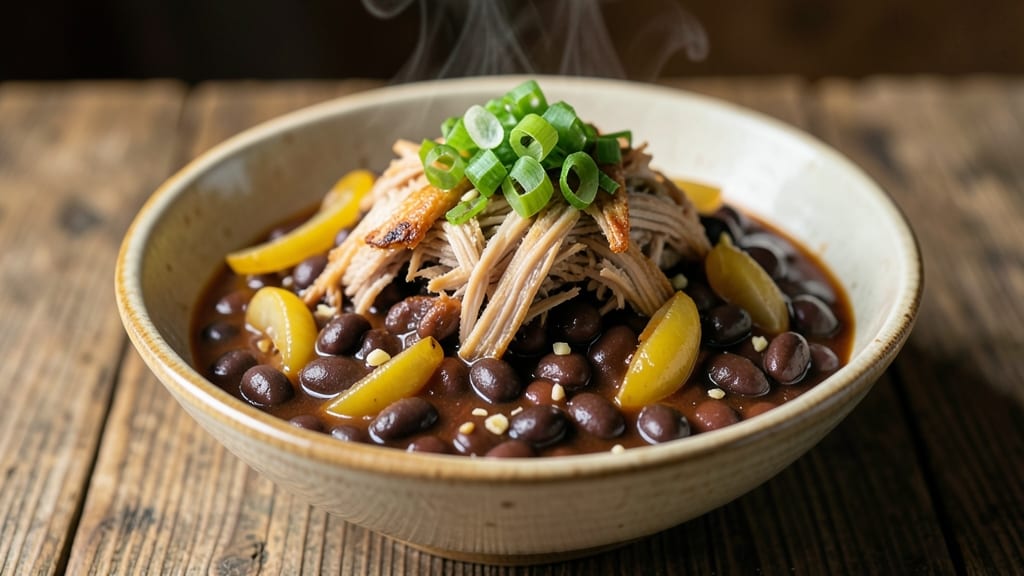
This Panlasang Pinoy black beans with pork recipe transforms simple ingredients into a restaurant-quality dish that tastes like home. 💛 The secret lies in slow-cooked pork shoulder that falls apart over creamy, slightly sweet black beans—just like my lola used to make during family gatherings in the Philippines.
That smoky garlic-soy glaze? Pure magic for turning weeknight dinners into special occasions.
The beauty of this dish is its balance—rich, tender pork meets velvety beans, all tied together with a sauce that's tangy from soy and sweet from just a touch of brown sugar.
I've perfected this recipe to deliver creamy beans that hold their shape while absorbing the pork's deep flavors, plus pork so tender it practically melts. The best part? It all comes together in one pot, making cleanup as easy as the cooking.
What you'll end up with is a dish that's hearty enough for a main course but simple enough for a side—imagine golden-brown pork shreds resting over black beans that've absorbed all their savory juices, finished with a sprinkle of green onions for freshness.
This is comfort food at its finest, the kind that brings people together around the table. Let's get cooking.
Between you and me, this recipe has fed my entire family and still disappeared faster than I could say "kain na!" The pork stays juicy, the beans stay creamy, and the sauce?
That's where the real magic happens. Trust me, once you try this version, you'll never go back to store-bought again.
Ingredients for black beans with pork recipe panlasang pinoy
Pantry staples plus pork shoulder—just 13 ingredients for a dish that tastes like home.
| Ingredient | Amount | Notes |
|---|---|---|
| Pork Shoulder 🥓 | 2 ½ lb | Bone-in for flavor, cut into 2-inch chunks |
| Dry Black Beans 🌱 | 1 ½ cups | Soaked overnight or quick-soaked |
| Garlic Cloves 🧄 | 8 cloves | Minced for smoky flavor |
| Yellow Onion 🧅 | 1 whole | Medium, sliced into half-moons |
| Soy Sauce 🍶 | ½ cup | Preferred: <strong>Golden Mountain</strong> or <strong>Lee Kum Kee</strong> |
| Brown Sugar 🍯 | 2 tbsp | Light or dark, for subtle sweetness |
| Calamansi Juice 🍋 | ¼ cup | Or substitute lime juice (less tangy) |
| Bay Leaves 🌿 | 2 whole | Dried, for aromatic depth |
| Ground Black Pepper 🌶️ | 1 tsp | Freshly cracked for heat |
| Olive Oil 🫒 | 2 tbsp | Extra-virgin for searing |
| Green Onions 🧅 | ¼ cup | Sliced, for garnish (white + green parts) |
| Water 💧 | 4 cups | For soaking beans if quick-soaked |
| Salt 🧂 | 1 ½ tsp | Kosher or sea salt (adjust to taste) |
The pork shoulder is non-negotiable here. Look for bone-in cuts at Filipino markets or your local butcher—they've got more marbling, which means more flavor. If you can't find bone-in, regular pork shoulder works, but the bones add that deep, savory broth. I always grab the 2.5 lb size—it's perfect for 6 servings and gives you leftovers for lunch. The black beans? Dry is best—canned beans lack that creamy texture, but if you're in a pinch, use low-sodium ones and rinse well. For garlic, Asian supermarkets often have pre-minced jars, but fresh minced is worth the 5-minute chop.
No calamansi? Lime juice works in a pinch, but it won't have that same bright, citrusy kick. Running low on soy sauce? Coconut aminos adds a slightly different flavor profile but still delivers. The brown sugar is key for that caramelized glaze—don't skip it, even if you're watching sugar intake. For the beans, if you forget to soak them overnight, boil them 2 minutes, then let sit 1 hour before cooking. The bay leaves? Tear them first—they release flavor better. And if you're feeling fancy, toast the whole spices in the olive oil before adding everything else—game changer for depth.
This dish tastes even better the next day, so make extra. The pork stays tender for 3-4 days in the fridge, and the beans? They'll keep for 5 days if stored in their cooking liquid. For leftovers, I portion into containers with a little extra sauce—microwave 2 minutes to reheat, and it's like you're eating it fresh. Freezes beautifully for 3 months too, though the texture gets slightly softer after thawing. Garnish with green onions right before serving—they add that fresh pop of color that makes the dish look restaurant-worthy.
Why You'll Love This Recipe
- One-Pot Magic: I swear by this—just dump everything in one pot, simmer, and walk away. No fancy techniques, no last-minute chopping frenzy. The pork shoulder practically falls apart on its own, and those black beans soak up all the savory goodness without extra effort.
- Umami Bomb: That soy sauce and garlic combo? It’s next level. The pork gets this deep, caramelized crust while staying tender inside, and the beans develop this rich, almost smoky flavor—like a cozy hug in a bowl. Honestly, my picky-eater husband asks for seconds.
- Weeknight Workhorse: This dish is my go-to when I’m swamped. Serve it over rice for a full meal, or let it cool for packed lunches—it stays delicious for days. Even better? It’s the kind of thing that tastes just as good reheated as it does fresh.
- Budget Win: Pork shoulder is cheap, beans stretch miles, and you’re not sacrificing flavor for pennies. I’ll be real: I’ve made this for potlucks, family dinners, and lazy Sundays, and no one ever questions the ingredients—just the taste. Pure satisfaction.
Step-by-step instructions for smoky garlic-soy pork over creamy beans
Here's how to create tender pork shreds with a rich, garlicky sauce over velvety black beans.
🍳 Step 1: Cook the Black Beans Until Creamy
Combine the 1.5 cups dry black beans, 1 whole yellow onion (sliced), 2 whole bay leaves, and 1.5 tsp salt in a large pot. Add 4 cups water and bring to a boil over medium-high heat. Reduce heat to low, cover, and simmer for 1.5 to 2 hours until the beans are fork-tender and the liquid has thickened into a creamy consistency.
Here's the thing—don't skip the simmering time. The beans need to break down completely so they absorb all that smoky pork flavor later. Stir occasionally to prevent sticking, and if the water level gets too low, add ½ cup hot water to keep it covered. You'll know it's ready when the beans mash slightly between your fingers and the sauce clings like pudding.
🔥 Step 2: Sear the Pork Shoulder for Maximum Flavor
While the beans cook, cut the 2.5 lb pork shoulder into 2-inch chunks. Heat 2 tbsp olive oil in a large Dutch oven or heavy pot over medium-high heat. Working in batches if needed, add the pork and sear for 3-4 minutes per side until deep golden brown. This creates that irresistible crust that'll melt in your mouth.
Don't crowd the pan—give each piece room to brown. If the oil starts smoking, reduce heat slightly. Once all pork is seared, transfer it to a plate and set aside. You'll be adding it back in soon, and that crispy exterior is what makes this dish sing.
🍳 Step 3: Build the Smoky Garlic-Soy Sauce
In the same pot with the pork drippings, add the 8 cloves minced garlic and cook for 30 seconds until fragrant. Pour in the 0.5 cup soy sauce and 2 tbsp brown sugar, scraping up any browned bits from the bottom. Let it simmer for 2 minutes until slightly reduced and glossy.
This is where the magic happens. The soy sauce deepens in flavor while the sugar caramelizes just enough to balance the saltiness. Add the 0.25 cup calamansi juice and 1 tsp ground black pepper, stirring to combine. The citrus brightens everything up—don't skip this step, even if you're using lime juice as a substitute.
🥘 Step 4: Shred the Pork and Combine with Beans
Return the seared pork to the pot with the sauce. Add enough of the bean cooking liquid (about 1 cup) to just cover the pork. Bring to a gentle simmer, cover, and cook for 45-60 minutes until the pork is fork-tender. Remove the bay leaves and shred the pork using two forks, discarding any large fat pieces.
Real talk: The pork should pull apart easily with minimal resistance. If it's still tough, add another ½ cup bean liquid and cook another 15 minutes. Stir the shredded pork into the bean mixture and simmer uncovered for 5-10 minutes to let the flavors meld. The beans should be creamy, and the pork should be coated in that glossy, garlicky sauce.
🍽️ Step 5: Finish and Serve with Fresh Garnish
Taste and adjust seasoning—you might need a pinch more salt or a splash of calamansi juice for brightness. Transfer to serving bowls and garnish with 0.25 cup sliced green onions. Serve immediately with steamed rice to soak up every last bit of that creamy, smoky goodness.
Here's the moment that matters: The contrast between the tender pork shreds and velvety beans should make you smile. Each bite delivers layers of garlic, soy, and just enough sweetness to balance the richness. Leftovers? They actually get better the next day as the flavors deepen even more.
Pro Tips For Making Black Beans With Pork Recipe Panlasang Pinoy
- SOAK BEANS OVERNIGHT: I learned this the hard way—rushing the soak leaves beans tough and mealy. Cover dry black beans in water (3:1 ratio) and let them sit 12+ hours. No peeling or pre-soaking? At least soak 8 hours minimum, then add baking soda (½ tsp per cup) to soften them faster.
- SEAR PORK IN BATCHES: High heat. Seriously, crank it up for that crispy crust. Cut pork shoulder into 1-inch chunks and cook in two batches to avoid steaming—crowded meat just turns out greasy. Use the same pan for onions and garlic afterward; the fond adds depth.
- DEGLAZE WITH SOY SAUCE: Skip the water splash. After browning the pork, immediately add 2 tablespoons soy sauce to the hot pan—it’ll release all those stuck-on bits. Let it bubble for 30 seconds before adding beans and broth. This shortcut cuts cleanup and boosts flavor.
- LOW-SIMMER BEANS UNTIL TENDER: I used to walk away when the beans looked soft, only to find them mushy. Keep heat at a gentle simmer (small bubbles, not rolling) for 45–60 minutes. Stir occasionally—especially the bottom—to prevent scorching. The beans should mash slightly but still hold shape.
Wine and beer pairings for this dish
Filipino Red Wine
For this dish, I always reach for a dry red wine with enough body to stand up to the rich pork and soy flavors. A Cabernet Sauvignon from the Philippines—like Petron Red Blend—works beautifully. Its dark fruit notes and slight smokiness complement the garlic and soy sauce perfectly.
If you can't find a Filipino wine, a California Cabernet or Spanish Tempranillo will do the trick, just avoid overly oaky wines that might clash with the dish's brightness. 🍷
Craft Beer Pairings
For beer lovers, a Filipino-style lager like San Miguel Pale Pilsen cuts through the richness with its crisp, clean finish. The subtle malt sweetness balances the soy and garlic, while the effervescence cleanses your palate between bites.
If you prefer American craft beers, a wheat beer with citrus notes—like Allagash White—mirrors the calamansi juice in the dish and adds a refreshing contrast. 🍺
Rice Wine Options
Since this is a Filipino dish, don't overlook rice wine as a pairing. A chilled Mirin or Sake with a slightly sweet, umami profile enhances the pork's depth while complementing the beans' creaminess.
I like to serve it in small cups alongside the main dish—it's a tradition in Filipino feasts and adds an authentic touch. For a non-alcoholic option, try sparkling yuzu soda—the citrusy bubbles mirror the calamansi in the recipe. 🍶
Dessert Wine Finish
End your meal with a light dessert wine like Moscato d'Asti to cleanse your palate. Its honeyed sweetness contrasts the savory dish without overpowering it. If you're serving this as part of a larger Filipino spread, a Filipino-made dessert wine like Lambrusco (sparkling red) adds a festive touch.
The bubbles and fruitiness make it feel like a celebration—just how my lola used to serve special meals. 🍇
Coffee Pairing
For a non-alcoholic finish, a strong Filipino coffee like Barako (made from Robusta beans) pairs wonderfully. Its bold, slightly bitter notes cut through the richness of the pork and beans.
Serve it in small cups with a splash of milk—it's a classic Filipino after-dinner tradition that feels just right after this hearty dish. ☕
Nutrition facts
Frequently asked questions
Can I substitute canned black beans for dry?
You can use canned beans in a pinch, but the texture won't be as creamy. Drain and rinse 3 cups canned beans (with liquid) and simmer them uncovered for 15-20 minutes to thicken. For best results, reduce the cooking liquid by ½ cup to compensate. The flavor will be good, but the sauce won't be as velvety as with dried beans.
What's the best cut of pork for this recipe?
Bone-in pork shoulder is ideal—it stays juicy and adds flavor to the broth. If you can't find it, use a pork butt or pork picnic roast (both are shoulder cuts). For leaner options, pork loin works but needs extra care to stay moist. Never use ground pork—it won't shred properly and lacks the rich flavor.
How do I make this dish spicier?
Add 1-2 tbsp chopped siling labuyo (Filipino chili) or ½ tsp cayenne pepper when building the sauce. For heat without spice, include 1 tbsp chopped ginger with the garlic. Stir in extra chili flakes at the end if you prefer adjustable heat. Remember: The beans' creaminess balances spice beautifully!
Can I make this in an Instant Pot?
Sauté the pork first, then add beans, onion, and spices. Cook on high pressure for 30 minutes, then quick-release. Shred the pork, mix with beans, and finish with sauce on sauté mode for 5 minutes. The Instant Pot cuts cooking time by 1.5 hours, but the flavors develop differently—expect slightly less caramelization in the sauce.
Why did my pork turn out tough?
Overcooking or not enough liquid are the most common causes. Always use bone-in pork (it stays tender longer) and add enough bean liquid to cover the pork by ½ inch. If using lean cuts, add 1 tbsp coconut milk to the cooking liquid. For tough pork, shred it anyway—it'll soften as it absorbs the bean sauce during the final simmer.