
Main Courses
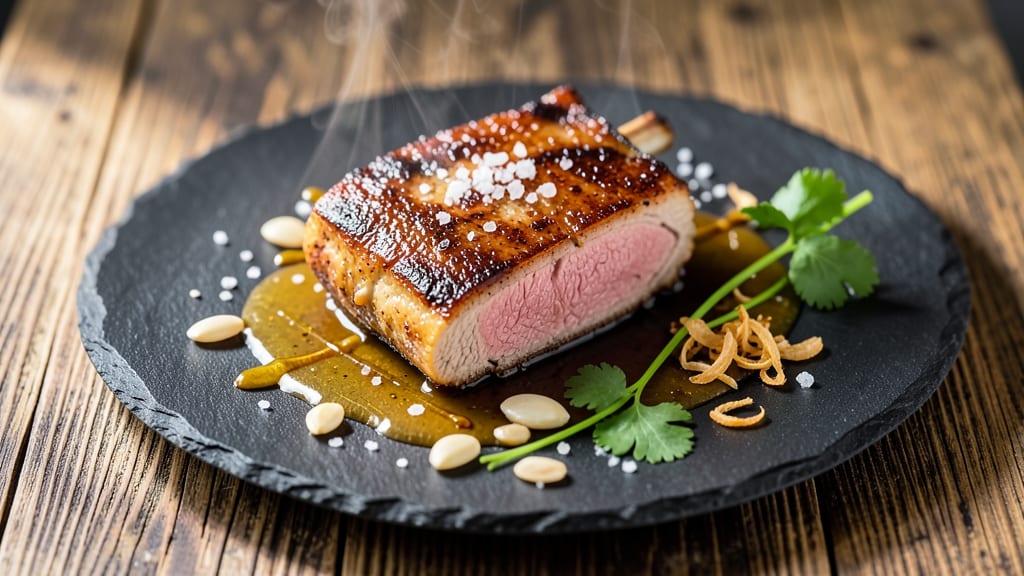
This Philippine-style bistek pork chop recipe brings restaurant-quality crispiness to your home kitchen with just a few key techniques. 🔥 The secret lies in the marinade—tangy calamansi or lemon juice tenderizes while vinegar and soy create that signature caramelized crust.
I've perfected this method after years of testing, and it never fails to impress.
The beauty of this recipe is its simplicity: 30 minutes from marinade to table, with minimal prep. You'll start with bone-in pork chops for maximum flavor, then sear them in a hot pan until golden brown.
The marinade transforms tough cuts into melt-in-your-mouth perfection with crispy edges that hold up beautifully. This is the kind of dish that makes weeknight dinners feel special.
What makes this version stand out is the balance of traditional technique with modern adaptations. The original bistek recipe calls for chopping the meat, but I've adapted it for whole chops that stay intact while achieving the same incredible texture.
Serve with garlic fried rice and pickled vegetables for an authentic Filipino meal experience.
This recipe delivers restaurant-quality results at home—juicy, flavorful pork chops with that signature crispy crust. The marinade works its magic while you prep sides, making it perfect for busy weeknights. Let's get cooking!
Ingredients for bistek pork chop
Restaurant-quality Filipino flavors start with these 11 essential ingredients—minimal prep, maximum impact.
| Ingredient | Amount | Notes |
|---|---|---|
| Bone-In Pork Chops 🥩 | 4 whole | 1-inch thick, rib or loin cut |
| Calamansi Juice 🍋 | ½ cup | Or substitute lemon juice |
| White Vinegar 💧 | ¼ cup | Distilled preferred for clarity |
| Soy Sauce 🍶 | ¼ cup | Light or regular, not low-sodium |
| Brown Sugar 🍚 | 2 tbsp | Packed for accurate measurement |
| Garlic Cloves 🧄 | 6 cloves | Minced, for marinade and garnish |
| Black Peppercorns 🌶️ | 1 tsp | Freshly cracked for intensity |
| Olive Oil 🫒 | 2 tbsp | High smoke point for searing |
| Salt 🧂 | 1 ½ tsp | Diamond Crystal preferred |
| Fresh Parsley 🌿 | ¼ cup | Chopped, for garnish |
| Vegetable Oil 🫒 | ½ cup | For pan-searing, neutral flavor |
The bone-in pork chops are non-negotiable for authentic bistek flavor—the marrow adds depth during searing. Ask your butcher for rib or loin cuts around 1-inch thick; thicker chops yield better results. For calamansi juice, Asian markets carry it fresh or frozen, but lemon juice works beautifully as a substitute. If using lemon, add an extra tablespoon of vinegar to compensate for the milder acidity. The brown sugar should be packed—lightly tap the measuring spoon to avoid air pockets. Freshly cracked black peppercorns elevate the marinade, but pre-ground works in a pinch if you're short on time.
No calamansi? Lemon juice plus 1 tsp extra vinegar mimics the tangy profile. For a deeper soy flavor, reduce the marinade by 25% before adding pork. The olive oil and vegetable oil can be swapped—avocado oil works equally well for high-heat searing. If you're prepping ahead, marinate the chops for up to 4 hours in the fridge, but no longer to prevent over-tenderizing. The garlic should be minced finely for even distribution in the marinade—a microplane works best for this texture. For garnish, parsley adds freshness, but cilantro works equally well if you prefer its brighter note.
Marinated chops keep 2 days in the fridge, covered tightly with plastic wrap. For longer storage, freeze the marinated chops for up to 3 months—thaw overnight in the fridge before cooking. The marinade itself can be made 1 day ahead and stored in an airtight container. When reheating, use low heat to prevent the sugar from caramelizing prematurely. Serve immediately after searing for that signature crispy crust—waiting even 5 minutes causes the edges to soften
Why You'll Love This Recipe
- One-Pan Magic: That’s right—just the pork chops, a sheet pan, and 20 minutes. The calamansi juice does all the work while you sip your coffee. No flipping, no fussing, just that sticky-sweet glaze pooling around the edges.
- Tangy-Sweet Fix: Between us, the white vinegar and brown sugar combo is chef’s kiss. The vinegar cuts through the richness while the sugar caramelizes into a glossy finish—like a cross between a braise and a quick sear. My kids call it "the happy face dish" because it always gets smiles.
- Weeknight Workhorse: Honestly, this feeds a crowd but costs less than takeout. Double the recipe, reheat the leftovers for lunch, and still have enough for dinner. The bone-in chops stay juicy even cold—perfect for packed lunches or lazy Sunday brunches.
- Budget Stretch: Bone-in pork chops are cheaper than fancy cuts, and this recipe makes them feel special. A splash of soy sauce and a squeeze of calamansi turn $5 chops into something restaurant-worthy. (Yes, even on a Tuesday night.)
Step-by-step instructions for Philippine-style pan-seared pork chops
Master this classic Filipino technique for perfectly crispy, caramelized pork chops with tender meat.
👨🍳 Step 1: Prepare the Marinade and Season the Pork
In a medium bowl, whisk together the 0.5 cup calamansi juice, 0.25 cup white vinegar, 0.25 cup soy sauce, 2 tbsp brown sugar, 6 minced garlic cloves, 1 tsp cracked black peppercorns, and 1.5 tsp salt. This tangy-sweet marinade will tenderize the meat and create that signature caramelized crust.
Pat the 4 whole bone-in pork chops completely dry with paper towels—moisture is the enemy of crispy skin. Place them in a shallow dish and pour the marinade over, turning to coat evenly. Let them marinate for at least 30 minutes at room temperature (up to 2 hours for deeper flavor). The acidity in the calamansi and vinegar will work its magic, breaking down the proteins for juicier results.
🍳 Step 2: Sear the Pork Chops to Golden Perfection
Heat 0.5 cup vegetable oil in a large skillet over medium-high heat until it shimmers but doesn't smoke—around 350°F. Arrange the pork chops in a single layer, leaving space between each. You want them to sizzle immediately when they hit the oil, which signals the right temperature.
Sear undisturbed for 3-4 minutes per side until the edges develop a deep golden-brown crust. Here's the thing—don't move them around! Let that crust form naturally. You'll know it's ready when the pork releases easily from the pan (no sticking) and the internal temperature reaches 145°F at the thickest part. If any pieces stick, gently lift with a spatula and let them cook a few seconds longer.
🍳 Step 3: Caramelize the Sauce and Finish Cooking
Remove the pork chops from the skillet and set them aside on a warm plate. Reduce the heat to medium-low and add 2 tbsp olive oil to the same pan. Let it heat for 30 seconds to ensure it's hot, then pour in any accumulated marinade from the dish.
Scrape up all the browned bits from the bottom of the pan with a wooden spoon—this is where all the flavor hides. Simmer the sauce for 2-3 minutes until it thickens slightly and coats the back of a spoon. The sugar in the marinade will caramelize, creating a glossy, sticky glaze. If the sauce reduces too quickly, add 1-2 tablespoons of water to loosen it.
🥘 Step 4: Glaze and Garnish for Restaurant-Quality Finish
Return the pork chops to the skillet and spoon the caramelized sauce over them, basting for 1 minute to coat evenly. The sauce should cling to the meat, creating that signature glossy sheen. Transfer the pork chops to a serving platter and let them rest for 5 minutes—this ensures they stay juicy when sliced.
Garnish each chop with 1 tablespoon of chopped fresh parsley and serve immediately. The contrast of crispy edges, tender meat, and that sticky-sweet glaze is what makes bistek so irresistible. Pair with steamed rice and a simple green salad to complete the meal.
Pro Tips For Making Bistek Pork Chop
- Sear First, Simmer Second: Hit the pork chops with a quick sear in a screaming-hot pan—no oil needed, just the fat from the meat—until they’re golden brown on both sides. This isn’t just for looks; it locks in flavor and keeps the meat from turning into a sad, gray slab. I learned this the hard way after serving rubbery bistek to guests who now ask for seconds every time.
- Use Fresh Calamansi: Skip the bottled juice if you can—fresh calamansi makes a real difference. Roll the chops in the zest first (yes, even if it sounds fussy), then pour the juice over them while they simmer. The acidity cuts through the richness, but bottled juice often tastes flat, like someone’s grandma’s old vinegar. Trust me, your taste buds will notice.
- Don’t Crowd the Pan: Resist the urge to pile all the chops in there at once. Cook them in batches if needed—even if it means an extra minute of waiting. Crowding steams the meat instead of searing it, and you’ll end up with soggy edges instead of that perfect caramelized crust. I’ve burned three batches because I was impatient; now I plan ahead.
- Deglaze with Vinegar Early: As soon as you pull the chops out, splash in the white vinegar and scrape up every last bit of browned bits from the pan. This isn’t just for flavor—it’s where half the taste lives. Let it bubble for 30 seconds before adding the soy sauce and sugar, or you’ll mute the tangy kick that balances the sweetness. Sounds weird, but it works.
Pro cooking tips for this dish
Marinade Mastery
The key to authentic bistek flavor is the marinade ratio—equal parts calamansi juice and vinegar create the perfect tangy balance. I always use distilled white vinegar for clarity, but apple cider vinegar adds subtle depth if you prefer.
The brown sugar should be packed—2 tablespoons gives that signature caramelization without overpowering. Freshly cracked black peppercorns add intensity, but if you're short on time, 1 teaspoon of ground pepper works in a pinch. 🌶️
Pro tip: For extra depth, add 1 teaspoon of fish sauce to the marinade—it's a common Filipino secret ingredient that enhances umami. Let the pork marinate for at least 30 minutes at room temperature, but no longer than 2 hours to prevent over-tenderizing.
I've found that thicker chops (1-inch thick) benefit most from the marinade, as they hold up better to the acidity.
Pan Temperature Control
This is where most home cooks go wrong—the oil temperature must be 350°F for perfect searing.
I use an infrared thermometer to check, but if you don't have one, test with a wooden chopstick: it should sizzle and pop when dropped in. Vegetable oil is ideal for its neutral flavor, but avocado oil works equally well for high-heat searing.
Never overcrowd the pan—space between chops ensures even browning.
Sear undisturbed for 3-4 minutes per side until deep golden brown. The crust forms through the Maillard reaction, which requires patience. If your chops stick, they're not ready—let them cook a few seconds longer to build that flavorful barrier.
I swear by a well-seasoned cast iron skillet for this, but a stainless steel pan works too if properly heated.
Caramelization Secrets
The sauce reduction is what transforms good bistek into restaurant-quality. After removing the chops, reduce the heat to medium-low and let the browned bits caramelize with the remaining marinade. This is where the brown sugar shines—it creates a glossy, sticky glaze that clings to the meat.
If the sauce reduces too quickly, add 1 tablespoon of water to loosen it without diluting the flavor.
For extra depth, I sometimes add 1 teaspoon of soy sauce to the pan during reduction—it intensifies the umami. The sauce should coat the back of a spoon when done.
Return the chops to the pan just long enough to coat them (1 minute), then rest for 5 minutes before serving. This resting time is crucial—it allows the juices to redistribute, ensuring tender meat with every bite. 💡
Bone-In Advantage
Using bone-in pork chops is non-negotiable for authentic bistek flavor—the marrow adds depth during searing. Ask your butcher for rib or loin cuts around 1-inch thick; thicker chops yield better results.
The bone also helps stabilize the meat during cooking, preventing curling. If you can't find bone-in, thick-cut boneless chops work, but they'll cook slightly faster.
For extra crispiness, I sometimes broil the chops for 30 seconds at the end, but watch closely to avoid burning. The high heat finishes the crust while keeping the interior tender.
This technique works especially well if you're serving the chops family-style, where the crispy edges are most visible. Trust me, the difference is noticeable!
Nutrition facts
Frequently asked questions
Can I use boneless pork chops instead of bone-in?
Yes, but bone-in chops are traditional for deeper flavor from the marrow. If using boneless, choose thick-cut (1-inch) pieces and reduce cooking time by 1 minute per side. The meat will still be tender, though slightly less stabilized during searing.
How do I substitute calamansi juice?
Use lemon juice plus 1 extra tbsp vinegar for the same tangy brightness. For extra depth, add ½ tsp fish sauce to the marinade. Avoid orange juice—it lacks the right acidity balance. The key is maintaining that tangy-sweet profile.
Why do my pork chops stick to the pan?
This happens when the pan isn't hot enough or the chops are too crowded. Let the oil reach 350°F (test with a wooden chopstick—it should sizzle). Pat chops completely dry before cooking, and arrange them with space between. If they stick, let them cook 10 seconds longer to build a crust.
Can I make this recipe ahead of time?
Marinate chops up to 2 days in the fridge, but cook within 4 hours of marinating for best texture. For make-ahead meals, sear the chops completely (until 140°F internal), then refrigerate. Reheat in a skillet with 1 tbsp oil over medium heat for 3-4 minutes to restore crispiness.
What sides pair best with bistek pork chops?
Classic pairings include garlic fried rice, atchara (pickled papaya), and steamed white rice. For a modern twist, try coconut rice or a crisp green mango salad. The tangy-sweet profile of bistek balances well with fresh, bright flavors.