
Main Courses
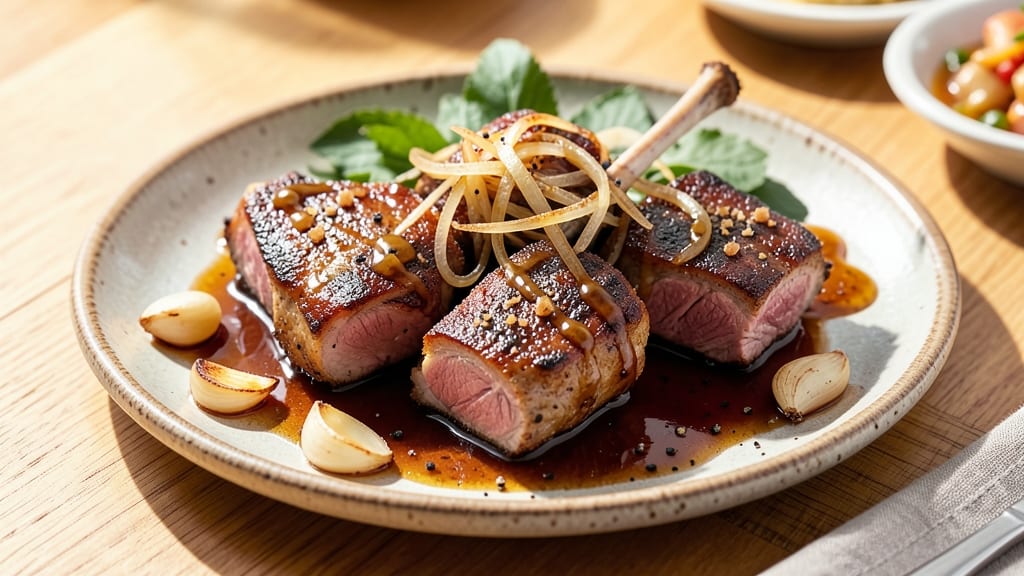
This Bistek Tagalog pork chop recipe brings the bold flavors of Filipino street food to your kitchen table with crispy edges and tender centers. 🔥 The secret lies in marinating the pork in vinegar and calamansi (or lemon) for hours, then searing it until golden brown before finishing with a tangy, caramelized glaze.
I first tasted this dish in Manila's bustling markets, where vendors cooked it over charcoal grills, and it's since become a staple in my home—especially when I crave that perfect balance of sweet, sour, and savory.
The recipe starts with bone-in pork chops, which stay juicy while the exterior develops that signature crispy crust. Unlike many Western pork dishes, Bistek Tagalog relies on vinegar for both marinating and cooking, creating a bright acidity that cuts through the richness.
The celery crown topping adds a refreshing crunch and visual appeal, while garlic and onions build depth of flavor. This dish is foolproof for weeknight dinners but feels special enough for guests—just like the meals I grew up sharing with my family in Georgia, where pork was always the star.
What makes this recipe stand out is the technique: high-heat searing followed by a quick deglaze with vinegar and soy sauce, which transforms the pan drippings into a glossy, flavorful sauce.
The result is pork that's crispy on the outside, tender on the inside, and coated in a glaze that's both sticky and tangy. Serve it with garlic fried rice and atchara (pickled papaya) for the full Filipino experience, or pair it with mashed potatoes for a comfort-food twist.
Every bite delivers that restaurant-quality satisfaction I've spent years perfecting.
This method works equally well with boneless chops if you prefer convenience, though bone-in pieces stay juicier. The key is patience—letting the vinegar work its magic during marinating and resisting the urge to rush the searing.
Trust me, the crispy edges are worth the wait. Once you try this, you'll understand why Bistek Tagalog has been a favorite in Filipino homes and street corners for generations. Let's get cooking!
Ingredients for bistek pork chop tagalog
Pantry staples meet Filipino street food magic—crispy pork chops with tangy vinegar glaze and crunchy celery crown.
| Ingredient | Amount | Notes |
|---|---|---|
| Bone-In Pork Chops 🥩 | 4 pieces | 1-inch thick, rib chops preferred |
| White Vinegar 💧 | 1 cup | Distilled white vinegar preferred |
| Calamansi Juice (or Lemon Juice) 🍋 | ½ cup | Substitute lemon if unavailable |
| Soy Sauce 🍶 | ¼ cup | Light or regular soy sauce |
| Brown Sugar 🍯 | ¼ cup | Packed, light brown preferred |
| Garlic Cloves 🧄 | 6 cloves | Minced, fresh preferred |
| Yellow Onion 🧅 | 1 whole | Thinly sliced, white or yellow |
| Celery Stalks 🥬 | 2 whole | Thinly sliced, for crown topping |
| Olive Oil 🫒 | 2 tbsp | Extra-virgin for high heat |
| Salt 🧂 | 1 ½ tsp | Kosher or sea salt |
| Black Pepper 🌶️ | ½ tsp | Freshly ground preferred |
| Ground Black Peppercorns 🌶️ | ½ tsp | For marinade texture |
| Vegetable Oil 🫒 | ½ cup | For deep frying celery crown |
The pork chops are the star, so bone-in rib chops are ideal—they stay juicier and add flavor to the pan. Grab them from the butcher counter if possible, or use pre-cut chops from the meat section. Look for pieces about 1-inch thick; thinner cuts will dry out. If you can't find calamansi (that bright Filipino citrus), lemon juice works perfectly—just add a pinch more sugar to balance the tartness. The vinegar does double duty here: tenderizing the meat and creating that signature tangy glaze. I always use distilled white vinegar for the cleanest flavor, but apple cider vinegar adds a nice depth too.
No soy sauce? Coconut aminos is a great swap, though it has a slightly different profile. The brown sugar can be swapped for white sugar if that's what you've got, but the molasses notes in brown sugar add that extra layer of complexity. For the celery crown, thinly sliced celery is key—it needs to crisp up fast. If you're short on time, skip frying and just toss it with a little oil and salt for a lighter version. The garlic and onion build the flavor base, so don't skip them. Pro tip: Toast the garlic in the oil first—it brings out so much more flavor. And if you're feeling fancy, add a pinch of ground white pepper to the marinade for that classic Filipino touch.
Marinate the pork for at least 2 hours, but overnight is even better if you're planning ahead. The vinegar needs time to work its magic. Store the marinade in the fridge in an airtight container for up to 3 days. For the celery crown, fry it fresh right before serving—it loses its crunch if made ahead. The cooked pork chops reheat beautifully; just warm them in the sauce over low heat. Leftovers keep for 3-4 days in the fridge, though I've never had any last that long—they disappear fast around here. Freeze portions for up to 3 months if you're making a big batch.
Why You'll Love This Recipe
- One-Pan Magic: I swear by this—just toss the pork chops in a hot pan with a splash of vinegar, let them sear until golden, then flip and simmer with soy, sugar, and that bright calamansi. No cutting boards, no extra dishes, and the kitchen stays cleaner than my usual mess.
- Tangy-Sweet Crunch: That crispy caramelized crust on the outside? Chef’s kiss. The vinegar and sugar combo turns the pork into something addictive—savory, slightly sweet, with a zing from the citrus that cuts through the richness. (Yes, even my picky husband grabs seconds.)
- Weeknight Workhorse: I make this for lazy Mondays, potlucks, or when friends drop by unannounced. It reheats beautifully—just a quick sizzle in the pan—and the leftovers? Still taste fresh the next day. Honestly, it’s my go-to when I don’t want to overthink dinner.
- Budget-Friendly Feast: Bone-in pork chops stretch further than you’d think, and the ingredients? Pantry staples. A few chops, a little sugar, a squeeze of calamansi—no fancy shopping required. Between us, this is how I feed my family well without breaking the bank. (And the kids don’t even notice it’s “healthy.”)
Step-by-step instructions for bistek tagalog pork chop
Here's how to make restaurant-quality bistek tagalog with perfectly crispy pork chops and that iconic celery crown crunch.
🔥 Step 1: Marinate the Pork Chops for Maximum Flavor
In a bowl, combine the 1 cup white vinegar, 0.5 cup calamansi juice, 0.25 cup soy sauce, 0.25 cup brown sugar, 6 minced garlic cloves, 1.5 tsp salt, 0.5 tsp black pepper, and 0.5 tsp ground black peppercorns. Stir until the brown sugar dissolves completely.
Place the 4 bone-in pork chops in a resealable plastic bag and pour the marinade over them. Seal the bag and massage the marinade into the meat, making sure it coats all sides. Refrigerate for at least 4 hours (overnight is even better). This marinade does double duty—it tenderizes the meat and creates that signature tangy-sweet sauce.
🍳 Step 2: Sear the Pork Chops for Crispy Perfection
Remove the pork chops from the marinade (don't worry about the leftover marinade—it's flavor gold) and pat them dry with paper towels. Heat 2 tbsp olive oil in a large skillet over medium-high heat until shimmering.
Add the pork chops and sear for 3-4 minutes per side until they develop a deep golden-brown crust. You want that beautiful Maillard reaction happening—don't move them around too much or you'll lose that crispy skin. The chops should release easily from the pan when ready. Transfer them to a plate and tent loosely with foil to keep warm.
🥘 Step 3: Build the Signature Vinegar-Braised Sauce
Return the skillet to medium heat and add the thinly sliced yellow onion. Cook for 3-4 minutes until softened but not browned. Pour in the remaining marinade from the bag and scrape up all those delicious browned bits from the bottom of the pan.
Bring the mixture to a gentle simmer and let it cook uncovered for 5-7 minutes until it reduces by about half and becomes slightly syrupy. The sauce should coat the back of a spoon and have a glossy appearance. Taste and adjust seasoning if needed—this is where the magic happens, transforming simple ingredients into that iconic bistek tagalog flavor.
🔥 Step 4: Deep-Fry the Celery Crown for Crunch
While the sauce simmers, prepare the celery crown. Heat 0.5 cup vegetable oil in a small saucepan over medium heat until it reaches 350°F (use a candy thermometer for accuracy). The oil should be hot enough to create bubbles around the celery when added.
Carefully add the thinly sliced celery stalks in batches (don't overcrowd) and fry for 1-2 minutes until they're bright green and slightly puffed. Drain on paper towels and sprinkle with a pinch of salt while still hot. This quick fry gives the celery that signature crunch that makes bistek tagalog so special—don't skip this step!
🍽️ Step 5: Combine and Serve with Confidence
Return the seared pork chops to the skillet with the sauce and gently spoon the sauce over them. Let everything simmer together for 2-3 minutes to heat through completely. The pork chops should be fork-tender with that beautiful glossy sauce clinging to them.
To serve, place each pork chop on a plate and arrange the fried celery crown on top. The contrast of crispy pork with tender meat and crunchy celery is what makes this dish so irresistible. Serve immediately while the celery is still crisp and the pork is piping hot—this dish doesn't wait!
Pro Tips For Making Bistek Pork Chop Tagalog
- SEAR THE CHOPS FIRST: Don’t rush the initial sear—let those pork chops hit the pan over medium-high heat until they develop a deep golden crust before adding any liquid. I learned this the hard way when my first batch turned out bland because I started deglazing too soon.
- USE THICK CUTS ONLY: Skip the thin slices—bone-in pork chops should be at least 1.5 inches thick to handle the vinegar and soy sauce without falling apart. Thin cuts turn mushy, and nobody wants that.
- DEGLAZE WITH VINEGAR LAST: Add the white vinegar and calamansi juice after the pork chops are already cooked, not during. Pouring it in too early just steams the meat instead of caramelizing the fond. Wait until the pan’s dry and hot—then splash it in like you’re setting off fireworks.
- SWEAT THE SOY SAUCE: Reduce the soy sauce by half before pouring it over the pork—simmer it in the pan for 2-3 minutes until it thickens slightly. This cuts the saltiness and makes the glaze stick better. (Yes, it’s an extra step, but your taste buds will notice.)
Pro cooking tips for bistek pork chop tagalog
Marinade Mastery
The key to tender, flavorful pork chops starts with the marinade—let it work its magic for at least 4 hours, but overnight is ideal. I always use a resealable plastic bag to ensure the marinade fully coats every surface of the meat.
The combination of vinegar and calamansi juice tenderizes while the soy sauce and brown sugar build depth. Don't skip the ground black peppercorns—they add texture and that classic Filipino touch. 💫
High-Heat Searing
This is where the magic happens—sear the pork chops over medium-high heat until they develop a deep golden-brown crust. I use a cast-iron skillet (my trusty Lodge piece) because it retains heat perfectly. The secret? Don't move the chops too much—let that crust form undisturbed.
A good rule of thumb is 3-4 minutes per side for 1-inch thick chops. If you rush this step, you'll lose that crispy exterior that makes bistek tagalog so special.
Deglazing Like a Pro
After searing, scrape up all those browned bits from the bottom of the pan—this is where flavor lives! Add the thinly sliced onions and cook until softened, then pour in the remaining marinade. Let it reduce by about half for that glossy, syrupy sauce.
Taste as you go—this is your chance to adjust seasoning. I often add a splash of water if the sauce gets too thick, but trust the process. The sauce should coat the back of a spoon when done. ✨
Celery Crown Crunch
The celery crown is what makes this dish pop—it adds freshness and crunch. Fry the celery in 350°F oil for just 1-2 minutes until bright green and puffed. Overcooking turns it soggy, so keep an eye on it. Drain on paper towels and sprinkle with salt immediately.
This step is worth the effort—it's the perfect contrast to the crispy pork. For a shortcut, you can lightly toss celery in oil and bake at 400°F for 5 minutes, though it won't be as crisp.
Sauce Perfection
Return the seared pork chops to the skillet with the reduced sauce and let everything simmer together for 2-3 minutes. This final step ensures the chops are fully coated in that tangy-sweet glaze. The sauce should cling to the meat like a second skin.
If it's too thin, reduce it a bit longer—you want it syrupy but not sticky. Serve immediately while the celery is still crisp and the pork is piping hot. 🔥
Serving with Confidence
Plate the pork chops with the fried celery crown on top for that classic presentation. The contrast of textures and temperatures makes every bite exciting.
I like to serve this with garlic fried rice and atchara for the full Filipino experience, but it's just as delicious with mashed potatoes or a simple salad. The key is to serve it hot—this dish doesn't reheat well, so eat it fresh off the stove.
Trust me, your guests will ask for seconds. 💪
Nutrition facts
Frequently asked questions
Can I use boneless pork chops instead of bone-in?
Yes, boneless chops work perfectly! Just adjust cooking time slightly—boneless pieces cook about 1-2 minutes faster per side. For 1-inch thick boneless chops, sear for 2-3 minutes per side instead of 3-4 minutes. The crispy exterior will still form beautifully, though bone-in chops stay juicier due to the marrow.
What if I don't have calamansi? Can I substitute?
Calamansi is hard to find outside Filipino markets, but lemon juice works perfectly. For best results, use 0.5 cup lemon juice plus 1 tsp extra sugar to balance the tartness. Lime juice also works, though it's slightly more acidic. The key is maintaining that bright citrus tang in the marinade.
How do I prevent the pork from drying out?
Keep the pork chops bone-in and sear them over medium-high heat (not high) to develop crispy edges without overcooking. Pat them very dry before searing, and don't overcrowd the pan. For extra insurance, tent with foil while the sauce reduces. The vinegar marinade also helps retain moisture.
Can I make this recipe ahead of time?
Yes, but with a few adjustments. Marinate the pork overnight for maximum flavor, then refrigerate the cooked chops (without celery) for up to 3 days. Reheat gently in the sauce over low heat—just until warmed through. Fry the celery crown fresh before serving to maintain its crunch. Leftovers reheat best in a skillet, not the microwave.
What's the best way to serve this dish?
For an authentic Filipino meal, pair with garlic fried rice and atchara (pickled papaya). For a Western twist, try mashed potatoes or a simple green salad. The crispy celery crown adds freshness, while the tangy pork shines with any starch. Serve immediately—this dish is best hot off the stove!