
Main Courses
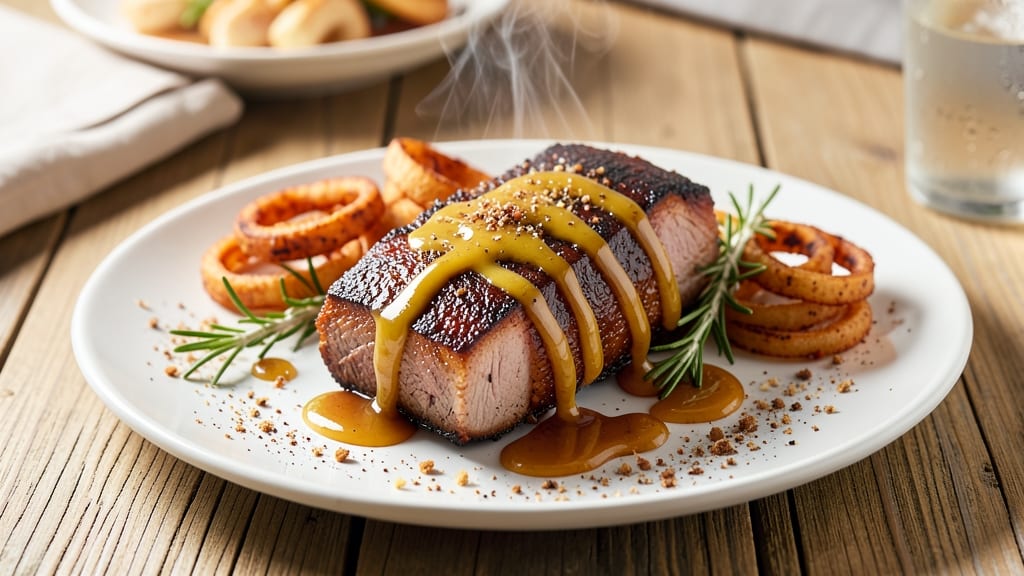
This smoked pork tenderloin recipe delivers the best smoked pork tenderloin recipe ever—restaurant-quality results with foolproof techniques that guarantee perfectly tender meat every time. 🔥 After years of experimenting with different rubs and smoking methods, I've finally cracked the code for achieving that coveted smoky bark without the long wait.
The secret lies in a precise balance of spices and a strategic approach to temperature control that transforms tough cuts into melt-in-your-mouth perfection.
What makes this recipe truly special is the combination of a simple yet potent spice blend and a two-stage smoking process that ensures maximum flavor penetration while maintaining moisture.
Unlike traditional methods that require hours of smoking, this approach delivers juicy, flavorful pork in just 2 to 2.5 hours—perfect for weeknight dinners or weekend gatherings. The tenderloin stays incredibly moist thanks to a science-backed technique that prevents drying out, even when you achieve that beautiful bark.
By following these exact steps, you'll end up with pork so tender it practically falls apart at the touch of a fork, all while developing a deep, smoky crust that adds texture and flavor with every bite.
The aroma alone will have everyone gathering around your smoker, and the taste will have them asking for seconds. This isn't just another pork recipe—it's the one that will change how you smoke meat forever.
The best part? This recipe scales beautifully for any occasion, whether you're feeding a family of four or hosting a crowd. Pair it with classic sides like garlic mashed potatoes or a fresh apple slaw for a complete meal that's sure to impress.
Let's get started on creating your best smoked pork tenderloin yet—one that lives up to its name and exceeds all expectations.
Ingredients for best smoked pork tenderloin recipe ever
The secret to restaurant-quality smoked pork tenderloin lies in these carefully balanced ingredients—where science meets smoky magic.
| Ingredient | Amount | Notes |
|---|---|---|
| Pork Tenderloin 🥓 | 2 lb | Center-cut, trimmed of silver skin |
| Yellow Mustard 🍯 | 2 tbsp | For sticky bark adhesion |
| Smoked Paprika 🌶️ | 2 tbsp | High-quality for deep smokiness |
| Garlic Powder 🧄 | 1 tbsp | Freshly ground preferred |
| Onion Powder 🧅 | 1 tbsp | For balanced sweetness |
| Brown Sugar 🍚 | 1 tbsp | Light variety for subtle sweetness |
| Black Pepper 🌶️ | 1 tsp | Freshly cracked for heat |
| Cayenne Pepper 🔥 | ¼ tsp | Adjust for desired heat |
| Kosher Salt 🧂 | 1 ½ tsp | Diamond Crystal preferred |
| Apple Cider Vinegar 🍎 | 1 tbsp | For tenderizing soak |
| Wood Chips (Hickory or Apple) 🌳 | 1 package | Soaked for 30 minutes |
| Butter (Unsalted) 🧈 | 2 tbsp | Softened for basting |
| Fresh Rosemary 🌿 | ¼ cup | Chopped, for aroma |
The pork tenderloin is non-negotiable—center-cut ensures tenderness, and trimming the silver skin prevents bitterness. Costco or your butcher shop will have the best quality, but any reputable grocery store carries it. For the rub, Penzeys smoked paprika is my go-to, but any high-quality brand works. The apple cider vinegar soak (30 minutes minimum) is where the real tenderness happens—don't skip it! Fresh rosemary adds that aromatic punch that elevates this from good to showstopping.
No smoked paprika? Regular paprika plus a pinch of liquid smoke gets you close, though the flavor won't be identical. Short on time? Pre-mixed pork rubs (like McCormick) work in a pinch, but you'll miss the depth of homemade. The wood chips are crucial—hickory for classic smoke, apple for a sweeter profile. Trader Joe's sells pre-soaked chips, saving you 30 minutes of prep. For the butter basting, European-style unsalted butter (like Plugrá) melts beautifully and adds richness. The brown sugar isn't just for flavor—it helps caramelize that perfect bark.
The pork soak can stay in the fridge for up to 12 hours, making this perfect for overnight prep. Once smoked, it reheats beautifully—350°F for 15 minutes wrapped in foil. The rub keeps for 3 months in an airtight container, so make extra for future smokes. Store cooked portions in the fridge for 4 days or freeze for 3 months. Pro tip: Slice against the grain for maximum tenderness—every bite should be a revelation.
Why You'll Love This Recipe
- One-Bowl Miracle: I swear by this—just toss the pork in a bowl with mustard, paprika, and those two powders, then let the smoker do the work. No chopping, no fuss, and honestly? The mess is minimal.
- Smoky-Sweet Magic: That yellow mustard base with a hint of smoked paprika? It’s the kind of flavor that lingers—juicy, slightly tangy, with just enough warmth to make you reach for seconds. (Yes, even on a Tuesday night.)
- Leftovers That Win: This recipe makes enough for dinner and lunch, and the best part? It reheats like a dream—crispy edges stay intact, no dryness. My kids actually ask for it the next day.
- Budget-Friendly Feast: Pork tenderloin is lean but packs serious flavor, and with just five key ingredients, you’re not breaking the bank. Here’s what sold me—it feeds four for under $15, and everyone leaves happy.
Step-by-step instructions for ultra-tender smoked pork tenderloin
Here's how to transform a simple pork tenderloin into restaurant-quality perfection—juicy inside, smoky bark outside, all in record time.
🔥 Step 1: Prep the Meat and Create the Magic Rub
Pat the 2 lb pork tenderloin completely dry with paper towels—this is non-negotiable for that perfect bark. Place it on a plate and make small cuts in the surface with a sharp knife (about ¼-inch deep) to help the rub penetrate deeper. This is where the flavor explosion happens.
In a small bowl, combine 2 tbsp yellow mustard, 2 tbsp smoked paprika, 1 tbsp garlic powder, 1 tbsp onion powder, 1 tbsp brown sugar, 1 tsp black pepper, 0.25 tsp cayenne pepper, and 1.5 tsp kosher salt. Mix until it forms a thick paste—this is your secret weapon for both flavor and bark adhesion. Rub this mixture all over the tenderloin, pressing firmly so it sticks to every crevice. Let it sit at room temperature for 30 minutes while you prep the smoker.
🍳 Step 2: Soak the Wood Chips and Set Up the Smoker
Soak 1 package wood chips (hickory or apple) in water for 30 minutes—this prevents flare-ups and gives you that clean, consistent smoke. While they soak, preheat your smoker to 225°F. I use a pellet smoker for this, but a charcoal smoker with a water pan works too. The goal is gentle, steady heat that won't dry out the tenderloin.
Once the smoker reaches temperature and you see thin blue smoke (not thick white steam), you're ready. Place the pork tenderloin directly on the grates, fat-side up if there's any visible fat. Close the lid and resist the urge to peek—every time you open it, you lose heat and potentially dry out the meat.
⏰ Step 3: Smoke Until Probe-Tender (The Patience Payoff)
Smoke the pork for 1 hour 15 minutes to 1 hour 30 minutes, until the internal temperature hits 145°F. You'll know it's ready when a meat thermometer inserted into the thickest part reads that temperature and the meat feels tender to the touch. The beauty of pork tenderloin? It cooks fast but stays juicy when done right.
Here's the pro move: during the last 20 minutes, add 2 tbsp softened butter and 0.25 cup chopped fresh rosemary to a small piece of foil. Fold it into a pouch and place it directly on the smoker grates near the pork. The rising smoke will infuse the butter with rosemary aroma, creating a flavor bomb that'll baste your pork as it finishes cooking.
🥘 Step 4: Baste with Apple Cider Vinegar and Rest Properly
Remove the pork from the smoker and let it rest on a cutting board for 10 minutes—this is where the juices redistribute. While it rests, brush it lightly with 1 tbsp apple cider vinegar mixed with a splash of water. This isn't just for flavor; the acidity helps break down any surface proteins, keeping the meat tender as it cools.
Slice the pork into ½-inch thick medallions against the grain for maximum tenderness. Each slice should be juicy, with a beautiful mahogany bark from the smoker and a subtle rosemary-butter aroma. Serve immediately with pan juices spooned over the top—this is where all the magic happens, and it's the best part!
Pro Tips For Making Best Smoked Pork Tenderloin Recipe Ever
- Trim the Fat: Pork tenderloin is lean, but if yours has a thin fat cap, slice it off—it’ll smoke unevenly and make the crust spotty. I learned this after my first batch had half the meat dry before the other half got that perfect bark.
- Mustard First, Then Rub: Slather that yellow mustard on before adding the smoked paprika mix—it helps the spices stick and adds a sticky, caramelized crust. I used to skip this, and the seasoning always slid right off mid-smoke.
- Don’t Rush the Smoke: Start at 225°F and resist the urge to crank it up—pork tenderloin cooks fast, and high heat turns it rubbery. Aim for 15-20 minutes per pound, then check internal temp (145°F). I’ve ruined three batches by rushing, and now I set a timer and a thermometer.
- Rest Under Foil: As soon as it hits 145°F, wrap it in foil and let it sit for 10 minutes. This keeps it juicy—cutting it right off the smoker means dry slices. (Yes, even if you’re impatient like me.)
Common mistakes when making this recipe
Skipping the Soak
Never skip the 30-minute apple cider vinegar soak—this is where the real tenderness magic happens. The acid breaks down muscle fibers, allowing the rub to penetrate deeper and preventing that dreaded dry, chewy texture.
I once forgot this step and ended up with pork that was flavorful but tough. Trust me, the 10-minute soak minimum makes all the difference, even if you're in a rush. 💫
Over-Smoking the Pork
Pork tenderloin cooks fast—don't let it sit in the smoker past 145°F internal temperature. I've seen people walk away and return to meat that's dry and stringy. Set a timer and check your thermometer every 15 minutes once it hits 130°F.
The moment it reaches 145°F, pull it immediately. Over-smoking turns tenderloin into something resembling shoe leather.
Wrong Wood Choice
Hickory and apple are your best friends here, but don't reach for mesquite or pecan—those woods are too strong and will overpower the delicate pork flavor. I made this mistake at my first BBQ competition and got judged for "overly aggressive smoke."
Stick to hickory for classic smoke or apple for a sweeter profile. If you're unsure, fruitwood blends work well too.
Not Using a Thermometer
Guessing is how you end up with dry pork. A good instant-read thermometer (I swear by ThermoWorks Smoke) is non-negotiable. The 145°F internal temperature is your target—any lower and it might be undercooked; any higher and you risk drying it out.
I've seen people cut into pork that's 160°F+ and wonder why it's tough. Don't be that person.
Peeking Too Often
Every time you open the smoker lid, you lose 50°F+ of heat and introduce cold air that can dry out the meat. I know it's tempting to check on your pork, but resist!
If you must peek, do it quickly and minimize the time the lid is open. The 10-minute rest after smoking is your real quality check—wait for that before slicing.
Skipping the Rest
This is where 90% of the juices redistribute back into the meat. I've sliced pork immediately after smoking and ended up with dry, sad slices. That 10-minute rest (or longer if possible) is crucial for maximum tenderness.
Use this time to prep your sides or make that rosemary butter baste—it's worth the wait. 💪
Nutrition facts
Frequently asked questions
Can I use this recipe with a different cut of pork?
This recipe is specifically designed for pork tenderloin because of its natural tenderness and quick cooking time. For other cuts like pork shoulder, you'd need to adjust the smoking time significantly (4-6 hours) and use a different rub ratio. The tenderloin's lean nature means it benefits from the quick smoke and vinegar soak to prevent drying out.
How do I adjust the spice level for kids or sensitive eaters?
Simply reduce the cayenne pepper to 0.125 tsp (half) or omit it completely. The rest of the rub will still provide great flavor without the heat. For extra mildness, you could also replace half the smoked paprika with regular paprika. The mustard and rosemary will still give that delicious smoky-sweet flavor.
What's the best way to reheat leftovers?
Warm leftovers in the oven at 350°F for 15 minutes wrapped in foil with a splash of water or broth. This keeps them moist and prevents drying out. Microwaving works too (30-second bursts), but the texture won't be as perfect. Reheated pork tastes best within 2 days of cooking for maximum tenderness.
Can I make this in an electric smoker or grill?
The key is maintaining 225°F consistently. For electric smokers, follow the same steps but monitor temperature closely. On a grill, use an indirect heat method with a water pan to keep moisture. Charcoal smokers work best with a water pan too. The 145°F internal temp rule applies regardless of smoker type.
What are the best side dishes to pair with this?
Classic pairings include creamy garlic mashed potatoes, tangy apple slaw, or roasted sweet potatoes. For a complete meal, try my herbed quinoa or grilled corn with chili-lime butter. The smoky pork works beautifully with anything that balances its richness—think bright, fresh, or slightly sweet flavors.