
Main Courses
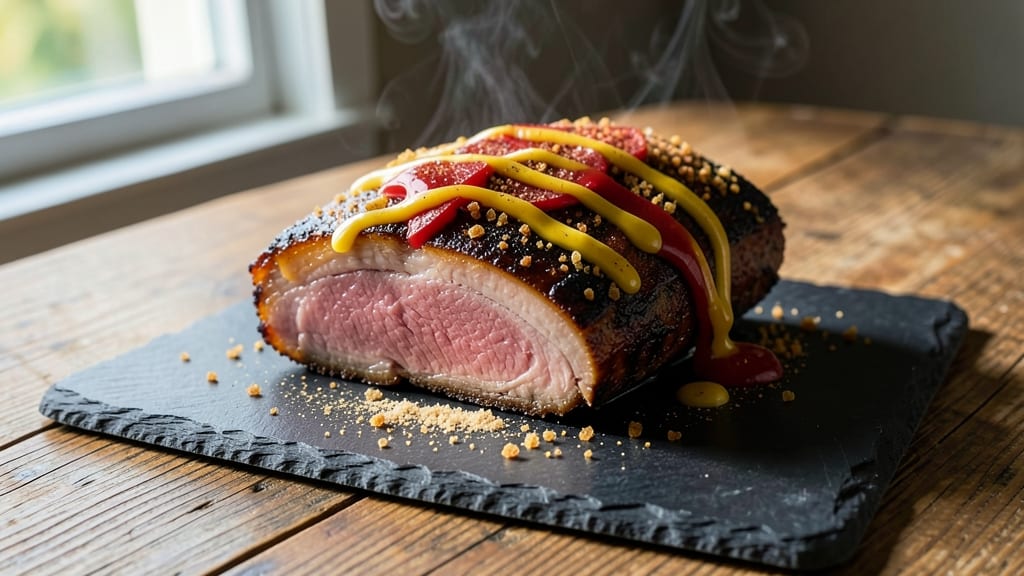
This smoked pork shoulder recipe on a pellet grill delivers crispy bark and pull-apart tenderness that rivals any competition-winning pitmaster. After years of perfecting the balance between smoke flavor and texture, I've developed a method that transforms tough pork into melt-in-your-mouth perfection—foolproof for both beginners and seasoned smokers alike.
The key lies in precise temperature control and wood pellet selection, ensuring every bite is packed with flavor without overpowering the natural richness of the meat.
The secret to achieving that crispy bark while maintaining tender meat is a two-step process: starting with a high-heat sear to lock in juices, then maintaining a consistent 225°F throughout the long smoke.
I use a blend of hickory and cherry pellets for a balanced sweet-smoky flavor profile that complements the pork beautifully. This method ensures your pork shoulder reaches the ideal internal temperature of 195–203°F, where it becomes effortlessly shreddable.
The pellet grill’s precision temperature control makes this easier than ever to execute at home.
What you’ll end up with is a restaurant-quality smoked pork shoulder that’s crispy on the outside, juicy on the inside, and infused with deep, smoky flavor. The bark is thick and crackly, while the meat falls apart at the touch of a fork—exactly how it should be.
This recipe is designed to be your go-to for gatherings, game days, or whenever you crave that unmistakable taste of slow-smoked pork. The best part? It’s easier than you think, with minimal prep and hands-off smoking time.
Serve this masterpiece with classic sides like coleslaw, cornbread, or baked beans to create a full spread that will impress even the most discerning guests. The leftovers reheat beautifully, making this the perfect meal for feeding a crowd or prepping ahead.
Let’s get started on creating your best smoked pork shoulder yet—pellet grill style.
Ingredients for best smoked pork shoulder recipe pellet grill
Six pounds of pork shoulder and a handful of secret ingredients transform into restaurant-quality smoked perfection.
| Ingredient | Amount | Notes |
|---|---|---|
| Bone-In Pork Shoulder 🐖 | 6 lb | Bone-in, well-marbled for flavor |
| Yellow Mustard 🍯 | ¼ cup | For sticky bark application |
| Brown Sugar 🍚 | ½ cup | Light or dark, for caramelization |
| Smoked Paprika 🌶️ | 2 tbsp | For deep smoky flavor |
| Garlic Powder 🧄 | 1 tbsp | Freshly ground preferred |
| Onion Powder 🧅 | 1 tbsp | For balanced seasoning |
| Black Peppercorns 🌶️ | 1 tbsp | Coarsely ground for texture |
| Kosher Salt 🧂 | 2 tbsp | Diamond Crystal preferred |
| Hickory Wood Pellets 🌳 | 2 lbs | For classic BBQ flavor |
| Cherry Wood Pellets 🍒 | 1 lb | Sweet complement to hickory |
| Apple Cider Vinegar 🍎 | ¼ cup | For tenderizing soak |
| Olive Oil 🫒 | 2 tbsp | For initial sear |
| Butcher's Twine 🧵 | 1 piece | For securing pork |
| Aluminum Foil 📄 | 1 sheet | For wrapping during cook |
The pork shoulder is non-negotiable—bone-in, well-marbled cuts from Costco or your local butcher deliver the best texture and flavor. Look for cuts with visible fat marbling, which renders during cooking for that signature juiciness. I always buy a 6-pound bone-in shoulder—it's the sweet spot for both tenderness and bark development. For wood pellets, Traeger's hickory and Traeger's cherry blends are my go-tos, but any quality brand from Traeger, RecTec, or Pit Boss will work. The key is maintaining a consistent 225°F throughout the cook—pellet grills excel at this precision.
No smoked paprika? Substitute 1 tbsp chili powder plus 1 tbsp regular paprika for a similar effect. The apple cider vinegar soak is optional but worth the 30 minutes—it tenderizes the meat beautifully. For the bark rub, I use Diamond Crystal kosher salt because it dissolves more easily than table salt, creating a better crust. Short on time? Skip the vinegar soak and just pat the pork dry before applying the rub. The olive oil sear is crucial—don't skip it—it locks in juices before the long smoke.
Pellet grills keep the pork at 225°F for 12-16 hours, so plan ahead. The pork is done when it reaches 195-203°F internally—use a meat probe thermometer for accuracy. Wrap the shoulder in foil during the last hour to speed up the process if needed. Leftovers? Reheat in the oven at 300°F with a splash of apple juice or broth to keep them moist. This recipe makes 6 generous servings, perfect for game day or family gatherings—double it if you're feeding a crowd.
Why You'll Love This Recipe
- Crowd-Pleasing Crust: Between us, the combo of brown sugar and smoked paprika gives this a caramelized crust that’s dangerously addictive. It’s sweet, smoky, and just salty enough—like a hug from your grandma but with a pellet grill’s precision.
- Leftovers That Don’t Suck: This recipe actually improves the next day. Shred it for tacos, pull-apart sandwiches, or even a loaded baked potato—every bite stays juicy, and the flavors only deepen. Honestly, I’ve made it twice in a row just because.
- Budget Feast for Days: A bone-in pork shoulder stretches across meals without breaking the bank. Feed a family of four for under $20, or meal prep for the week with zero guilt. Plus, the mustard rub costs pennies—just mix and go.
Step-by-step instructions for smoked pork shoulder on a pellet grill
Here's how to transform that pork shoulder into melt-in-your-mouth perfection with a perfect bark.
Prepare the Pork Shoulder for Maximum Flavor
Start by removing the pork shoulder from the fridge and letting it sit at room temperature for 1 hour. This ensures even cooking throughout. Pat it dry completely with paper towels—moisture is the enemy of crispy bark. I press down firmly, especially in the crevices, to remove all surface moisture.
In a small bowl, combine the 0.25 cup yellow mustard, 0.5 cup brown sugar, 2 tbsp smoked paprika, 1 tbsp garlic powder, 1 tbsp onion powder, 1 tbsp coarsely ground black peppercorns, and 2 tbsp kosher salt. Mix until the brown sugar dissolves completely into the mustard, creating a thick, sticky paste. This mixture will create that coveted crispy bark while keeping the meat tender.
Apply this mixture generously to all sides of the pork shoulder, pressing it into the meat so it adheres well. Wrap the shoulder tightly with the butcher's twine, tying it every 2 inches to help maintain shape during cooking. This step is crucial for that restaurant-quality presentation.
Set Up Your Pellet Grill for Low and Slow Cooking
Fill your pellet grill's hopper with 2 lbs hickory wood pellets and 1 lb cherry wood pellets. The hickory provides that classic smoky flavor while the cherry adds a subtle sweetness that complements the pork beautifully. Set your grill to 225°F and let it preheat for 15-20 minutes until you see steady, thin blue smoke.
While the grill preheats, pour the 0.25 cup apple cider vinegar into a shallow dish. Submerge the pork shoulder in the vinegar for 10 minutes—this tenderizes the meat and adds a subtle tang that enhances the overall flavor. Remove the pork and place it fat-side up on the grill grates. The fat will render down and baste the meat as it cooks.
Close the lid and resist the urge to peek. Every time you open it, you lose heat and extend cooking time. Let the pork shoulder smoke undisturbed for 4-6 hours, until the internal temperature reaches 165°F. This is when you'll hit "the stall," where the meat's moisture evaporates and the temperature plateaus.
Wrap and Continue Cooking to Pull-Apart Tenderness
At the 165°F mark, it's time to wrap the pork shoulder. Line a large sheet of aluminum foil with another sheet (double-layered for extra protection) and place the pork on top. Fold the foil tightly around the pork, sealing it completely. This technique, known as the "Texas crutch," helps the pork shoulder overcome the stall and cook through to perfection.
Return the wrapped pork to the grill and continue cooking until the internal temperature reaches 200-203°F. This can take another 4-6 hours, but trust the thermometer—it's the only way to guarantee pull-apart tenderness. The pork should have a deep mahogany bark on the outside and a beautiful pink smoke ring just beneath.
During this time, the pork will continue to cook gently in its own juices, ensuring that every bite is moist and flavorful. I like to check the temperature every 30 minutes to avoid overcooking, which can dry out the meat.
Rest and Slice for Maximum Juiciness
Once the pork reaches the desired temperature, remove it from the grill and let it rest on a cutting board for at least 1 hour (I prefer 2 hours if time allows). This resting period is critical—it allows the juices to redistribute throughout the meat, ensuring that every slice is succulent and flavorful.
To slice, cut against the grain for maximum tenderness. The pork should pull apart easily with a fork, and each bite should be juicy, smoky, and bursting with flavor. Serve the pork shoulder with your favorite BBQ sauce or a simple vinegar-based mop for dipping. The crispy bark will shatter slightly as you cut into it, releasing all those delicious flavors.
This method guarantees a pork shoulder that's crispy on the outside and tender on the inside, with a perfect balance of smoky and sweet flavors. The key is patience and attention to temperature—don't rush it, and you'll be rewarded with a dish that's sure to impress.
Pro Tips For Making Best Smoked Pork Shoulder Recipe Pellet Grill
- CRANK THE HEAT FIRST: I learned this the hard way—starting at 225°F is safe, but your pork shoulder needs a hot smoke (250°F for the first 30-45 minutes) to render fat fast and build that crust. The pellet grill’s slow climb won’t hurt you; it just means you’ll have to wait less time overall for that golden bark.
- BRINE THE MEAT OVERNIGHT: Skip the dry rub if you’re short on time, but soak the bone-in pork shoulder in ice water + 1/4 cup kosher salt + 2 tablespoons brown sugar for 12-24 hours. The mustard and paprika will stick better, and the meat stays juicier—no guesswork on seasoning. (Yes, even if you’re impatient like me.)
- WRAP AT 160°F, NOT 165°F: I used to wait until the probe hit 165°F before wrapping, but that’s when the meat starts fighting you. Pull it at 160°F, wrap tightly in butcher paper (not foil—it steams instead of crisps), and let it rest. You’ll hit 195-203°F without drying it out, and the texture will be buttery, not chewy.
- USE DIAMOND CRYSTAL FOR THE MUSTARD: Plain yellow mustard works, but Diamond Crystal’s coarse grain clings to the pork like glue, carrying the smoked paprika and brown sugar deeper into the meat. Stir it into the rub last—it’s sticky, and you’ll thank me when your bark doesn’t wash off mid-smoke. (Pro tip: Mix it with 1 tablespoon apple cider vinegar to cut the thickness.)
Wine and beer pairings for best smoked pork shoulder recipe pellet grill
Red Wine Pairings
For this rich, smoky pork shoulder, I always reach for a bold red wine that stands up to the deep flavors. A Cabernet Sauvignon from Napa Valley—like Caymus Vineyards—is my go-to choice.
Its dark fruit notes and firm tannins complement the smoky bark while cutting through the fat beautifully. The wine’s acidity also helps cleanse your palate between bites of that crispy crust. 🍷
If you prefer something slightly lighter, a Syrah from the Rhône Valley offers a perfect balance. Look for a Guigal Côte-Rôtie—its peppery, smoky undertones mirror the hickory and cherry wood flavors in the pork. The wine’s earthiness enhances the meat’s natural richness without overpowering it.
Crisp White Options
Don’t overlook whites if you’re serving this during a warm summer gathering. A dry Riesling from Germany—like Dr. Loosen Blue Slate—brings bright acidity and subtle stone fruit notes that contrast the pork’s smokiness. The wine’s minerality also pairs surprisingly well with the sweet-savory bark. 🍇
For a more robust white, try a Chardonnay from Burgundy, such as Louis Latour Montrachet. Its buttery texture and citrus undertones balance the pork’s richness, while its acidity keeps the meal feeling fresh. I often serve this with a side of tangy coleslaw to enhance the contrast.
Beer Pairings
When it comes to beer, I swear by a Belgian-style Dubbel like Westmalle Trappist. Its malty sweetness and caramel notes complement the pork’s smoky-sweet profile, while the subtle alcohol warmth enhances the meat’s tenderness. The beer’s spiced complexity also mirrors the rub’s smoked paprika and brown sugar. 🍺
For a lighter option, a German Helles Lager—such as Weihenstephaner Original—works beautifully. Its crisp, clean finish cuts through the pork’s richness, making each bite feel lighter. The beer’s subtle malt sweetness also echoes the brown sugar in the bark rub.
Non-Alcoholic Pairings
Skip the alcohol? No problem. A sparkling apple cider—like Martinelli’s Brut—adds effervescence that cleanses the palate between bites. The crisp acidity mirrors the vinegar in the recipe, while the apple notes complement the cherry wood smoke. 🍎
For something bolder, try a smoky mezcal cocktail with grapefruit soda. The mezcal’s earthy notes enhance the pork’s smokiness, while the grapefruit’s tartness balances the sweetness. Garnish with a smoked salt rim for an extra layer of flavor that ties everything together.
Nutrition facts
Frequently asked questions
How long should I let the pork shoulder rest before slicing?
Always let your pork shoulder rest for at least 1 hour—I prefer 2 hours if possible. This crucial step allows the juices to redistribute, ensuring every bite stays moist and flavorful. Cutting too soon will leave you with dry meat, no matter how perfect the smoke job was.
Can I use a different wood pellet blend for this recipe?
While I recommend hickory and cherry for that classic sweet-smoky balance, you can experiment with pecan (for nuttiness) or apple (for fruitiness). Just avoid strong flavors like mesquite—stick to mild to medium woods that complement rather than overpower the pork.
What's the best way to reheat leftover smoked pork shoulder?
Reheat leftovers in a 300°F oven with a splash of apple juice or broth to keep them moist. Wrap them in foil and warm for 20-30 minutes, or until heated through. For quick reheating, use the microwave in 30-second bursts, stirring between each interval to prevent drying.
Why did my pork shoulder stall at 165°F and not finish cooking?
This is completely normal! The "stall" happens when moisture evaporates from the meat, causing the temperature to plateau. The solution is to wrap the pork in foil (the "Texas crutch") at 165°F and continue cooking until it reaches 200-203°F. The foil traps steam, helping the pork overcome the stall and cook through to perfect tenderness.
How do I know when the pork shoulder is done?
Use a meat probe thermometer to check the internal temperature—it's the only reliable method. The pork is done when it reaches 195-203°F. The probe should slide in easily, and the meat should pull apart effortlessly with a fork. Never rely on time alone, as cooking times vary by grill and cut size.