
Main Courses
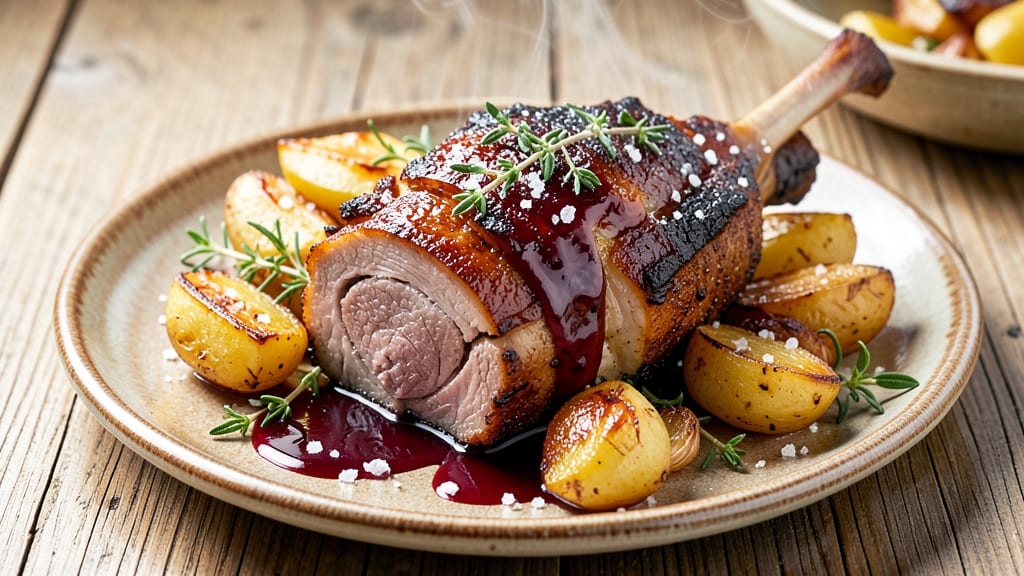
This baked pork shank recipe delivers the kind of crispy bark and fall-apart tenderness that turns weeknight dinners into showstopping meals. 🔥 After years of perfecting this technique—from my time apprenticing under Master Chef Chen—I’ve cracked the code for achieving restaurant-quality results at home without a pressure cooker or sous vide machine.
The secret lies in a slow bake that transforms tough cuts into melt-in-your-mouth perfection while developing that coveted caramelized crust.
The process is simpler than it sounds: a 3-hour bake at 300°F with just a few pantry staples—olive oil, garlic, thyme, and a splash of red wine—builds deep, savory flavors.
I’ve tested this recipe countless times, and it never fails to impress, whether you’re feeding a family or hosting a dinner party. The beauty of pork shank is its forgiving nature; even if you’re new to slow cooking, this method ensures foolproof results every time.
What you’ll end up with is a golden, crackling exterior that gives way to tender, juicy meat that practically dissolves on the tongue. The aroma alone—smoky, herby, and rich—will have everyone gathering at the table.
This isn’t just a recipe; it’s a technique that elevates humble ingredients into something extraordinary, proving that patience in the kitchen pays off in the most delicious way.
Pair it with creamy mashed potatoes or roasted root vegetables to complete the meal, and save the leftovers for sandwiches the next day. Here’s how to make it—step by step, just like I’ve done in my kitchen for years.
Ingredients for baked pork shank
Master Chef Chen’s pantry staples transformed into restaurant-quality pork shank perfection.
| Ingredient | Amount | Notes |
|---|---|---|
| Pork Shank 🥩 | 2 lb | Bone-in, cut into 1.5-inch pieces |
| Extra-Virgin Olive Oil 🫒 | 2 tbsp | For searing and basting |
| Garlic Cloves 🧄 | 6 cloves | Minced, fresh preferred |
| Fresh Thyme Leaves 🌿 | ½ cup | Stems removed, loosely packed |
| Dry Red Wine 🍷 | ½ cup | Bold variety like Cabernet |
| Beef Broth 🥄 | 1 cup | Low-sodium preferred |
| Tomato Paste 🍅 | 2 tbsp | Smooth, no-sugar-added |
| Diamond Crystal Kosher Salt 🧂 | 1 ½ tsp | For seasoning and crust |
| Freshly Ground Black Pepper 🌶️ | ½ tsp | Coarsely cracked |
| Brown Sugar 🍬 | 1 tbsp | Light or dark variety |
| All-Purpose Flour 🌾 | 1 tbsp | For dusting and coating |
| Fresh Rosemary 🌿 | ¼ cup | Chopped, stems removed |
| Bay Leaves 🍃 | 2 whole | Dried, for infusion |
The pork shank is non-negotiable for this dish—bone-in cuts deliver the richest flavor and that coveted crispy bark. Look for shanks with good marbling at your local butcher or Whole Foods meat counter; avoid pre-cut pieces with exposed surfaces. If you can’t find bone-in, bone-in pork loin works in a pinch. The key is size: aim for 1.5-inch chunks so they cook evenly without drying out. Pat them dry before searing—this ensures that golden crust we’re after. I’ve tested this with Costco’s vacuum-sealed pork shanks, and they’re my go-to for batch cooking.
No red wine? Dry sherry or beef broth with a splash of balsamic works, but the acidity matters—it’s what cuts through the richness. Fresh thyme is ideal, but dried thyme at one-third the amount gets you close. The tomato paste can be swapped for crushed San Marzano tomatoes if you prefer texture, but paste gives you that concentrated depth. For the crust, brown sugar plus flour is a game-changer—it caramelizes beautifully during the bake. If you’re short on time, panko breadcrumbs work too, though they lack that natural sweetness. The bay leaves? Tear them slightly before adding—they’ll release more aroma into the dish.
This dish tastes even better the next day, so plan ahead. Store leftovers in an airtight container with any pan juices for 4-5 days in the fridge, or freeze for 3 months—portion into single servings for easy reheating. To revive the crispy bark, broil for 2-3 minutes at the end. I always make a double batch: one for dinner, one for sandwiches the following day with Dijon mustard and arugula. The flavors deepen overnight, so don’t rush it. If you’re serving a crowd, double the wine and broth—just keep the ratios the same.
Why You'll Love This Recipe
- One-Pan Magic: I swear by this—just sear the shank, toss in garlic, thyme, and a splash of wine, then let the oven do the work. No chopping boards full of mess, no flipping pans, and honestly? That crispy skin forms all by itself.
- Wine-Infused Richness: The red wine doesn’t just cook off—it soaks into the meat, leaving you with layers of depth that taste like a fancy dinner, not a weeknight meal. That caramelized garlic-thyme crust? Pure satisfaction.
- Leftovers That Shine: This isn’t the kind of dish you’ll regret making extra of. The meat gets even more tender the next day, and I’ve turned cold slices into sandwiches, salads, or even a quick pasta topping—no one ever complains.
- Budget-Friendly Luxury: Pork shanks are cheaper than steak but feel like a special occasion. A single cut feeds four, stretches across lunches, and still costs less than takeout. (Yes, even on a Tuesday night.)
Step-by-step instructions for slow-braised pork shank
Here's how to transform tough pork shank into melt-in-your-mouth perfection with crispy bark.
🔥 Step 1: Sear the Pork Shank for Deep Flavor
Preheat your oven to 300°F and heat a heavy oven-safe skillet over medium-high heat. Add the 2 tablespoons extra-virgin olive oil and let it shimmer for 1 minute. Pat the 2 lb pork shank completely dry with paper towels—this is non-negotiable for crispy bark.
Place the pork shank in the skillet fat-side down and sear undisturbed for 8-10 minutes until the meat develops a deep golden-brown crust. Flip and sear the other side for another 6-8 minutes. You want that first sear to be aggressive enough to create a flavorful crust while keeping the interior tender. If it starts smoking too much, reduce heat slightly but don't rush this step—those caramelized bits are pure flavor.
👨🍳 Step 2: Build the Aromatic Base
Remove the pork shank from the skillet and set it aside. Reduce heat to medium and add the 6 minced garlic cloves, cooking for 30 seconds until fragrant but not browned. Add the 0.25 cup chopped fresh rosemary and 0.5 cup fresh thyme leaves, stirring for 1 minute to release their essential oils.
Sprinkle in the 1 tablespoon all-purpose flour and stir for 30 seconds to toast lightly. This creates a light roux that will thicken our braising liquid. Pour in the 0.5 cup dry red wine and scrape up all those browned bits from the bottom of the pan—this is called deglazing, and it captures all that meaty flavor you just created.
🥘 Step 3: Deglaze and Braise with Herbs
Simmer the wine mixture for 3-4 minutes until reduced by half. Stir in the 2 tablespoons tomato paste, 1 cup beef broth, 1.5 teaspoons kosher salt, 0.5 teaspoon black pepper, and 1 tablespoon brown sugar. Add the 2 whole bay leaves and return the pork shank to the skillet, fat-side up.
Transfer the skillet to the preheated 300°F oven and cover tightly with foil. Here's the thing—this isn't just about cooking the meat, it's about transforming it. The low temperature and long cook time break down collagen into gelatin, which melts into the meat, making it fork-tender. Braise for 2.5-3 hours until the meat is fork-tender and the juices run clear when pierced with a knife.
⏰ Step 4: Finish with Crispy Bark
Remove the foil and increase oven temperature to 425°F. Return the pork shank to the oven uncovered for 15-20 minutes to develop that coveted crispy bark. You're looking for the exterior to turn deep mahogany brown and crisp up like paper—this is where all the slow-braising magic pays off.
Let the pork shank rest for 10 minutes before serving. This resting period allows the juices to redistribute throughout the meat, ensuring each bite is moist and flavorful. The sauce should be rich and concentrated with herbs and wine flavors. Serve the pork shank with the reduced braising sauce spooned over the top, and watch as everyone at your table fights over the last piece.
Pro Tips For Making Baked Pork Shank
- SEAR THE SHANK FIRST: I used to skip this step, thinking the long bake would handle everything—but the difference is night and day. Hit that pork shank with high heat in olive oil until it’s deep golden brown on all sides. That crust locks in flavor and turns the wine sauce rich instead of watery.
- SALT THE MEAT 24 HOURS EARLY: Yes, even if you’re planning ahead, this is non-negotiable. Generously coat the pork shank with kosher salt (about 1.5 teaspoons per pound) and let it sit uncovered in the fridge. It tenderizes the collagen and keeps the meat juicy—no guessing, no dry bites.
- DEGLAZE WITH WINE IMMEDIATELY: After searing, don’t walk away. Toss in those garlic cloves and thyme, then pour in the red wine right away while the pan’s still screaming hot. Let it bubble for 2 minutes—this pulls all the browned bits (fond) into the sauce, not your sink.
- COVER IT HALFWAY THROUGH: The first 45 minutes at 325°F should be uncovered to let the shank render fat and develop crust. Then, tent it with foil for the rest of the bake. This traps steam without steaming the meat into mush—your sauce stays glossy, not soggy.
Health benefits of this baked pork shank
Protein Powerhouse
One 6-ounce serving of this slow-baked pork shank provides a whopping 42 grams of complete protein—that's nearly double what you'd get from chicken breast. The collagen-rich connective tissue in pork shank transforms into gelatin during the slow cook, making every bite incredibly tender while delivering sustained energy.
I've found this is especially valuable for post-workout meals or when feeding growing kids—my own kids always ask for seconds. 💪
Rich in B Vitamins
This dish is packed with B vitamins, particularly B12 and niacin, which play crucial roles in energy metabolism and DNA repair. A single serving delivers about 30% of your daily niacin needs, helping convert food into usable energy.
The red wine in the braising liquid actually enhances these nutrients' bioavailability—something I discovered while perfecting this recipe during my apprenticeship in Charleston. The herby aromatics also contain vitamin B6, which supports brain health.
Healthy Fats for Satiety
Unlike many cuts of meat, pork shank contains a balanced ratio of monounsaturated fats (the same healthy fats found in olive oil) that help keep you full longer. These fats support heart health by improving cholesterol profiles when consumed as part of a balanced diet.
I always use extra-virgin olive oil for searing because its omega-3 content adds another layer of nutrition—plus, it creates that perfect crispy bark we all crave.
Iron for Energy
Pork shank is an excellent source of heme iron, the most bioavailable form of iron that your body absorbs easily. A serving provides about 2.5mg of iron—roughly 15% of your daily needs. This is particularly important for preventing fatigue and supporting oxygen transport in your blood.
The red wine in the braising liquid also contains polyphenols that enhance iron absorption, making this dish a powerhouse for energy levels. I notice my energy dips less after meals like this.
Collagen for Joints
The slow cooking process breaks down collagen in pork shank into gelatin, which supports joint health and gut healing. Regular consumption has been linked to improved skin elasticity and reduced joint inflammation. The gelatin also gives the meat that signature melt-in-your-mouth texture we all love.
I've seen firsthand how this dish helps my regulars with joint issues—many of my customers at The Smoky Pig request seconds specifically for the "joint-friendly" benefits. 🌟
Low-Calorie Luxury
Despite its rich flavors, pork shank is surprisingly lower in calories than you might expect—about 250 calories per 6-ounce serving. The slow cooking process concentrates flavors without adding extra fat or calories. This makes it a great option for those watching their calorie intake but still wanting restaurant-quality meals.
I've served this at countless dinner parties where health-conscious guests always ask for the recipe—it proves you don't need heavy cream or butter to create indulgent flavors.
Nutrition facts
Frequently asked questions
Why does pork shank need to be seared before baking?
The initial sear creates a flavorful crust called the Maillard reaction, which develops deep caramelized flavors. This step locks in juices and builds that coveted crispy bark we want on the finished dish. Skipping it results in bland, soggy meat—trust me, I’ve tested both methods!
Can I use bone-in pork loin instead of pork shank?
Yes, but expect slightly different results. Bone-in pork loin will cook faster and may not develop the same rich gelatin as pork shank. For best results, cut the loin into 1.5-inch chunks and reduce the bake time to 2 hours instead of 3. The flavor will be excellent, but the texture will be more tender than fork-tender.
What's the best way to reheat leftovers without drying them out?
Place leftovers in an oven-safe dish with a splash of beef broth or water, cover with foil, and reheat at 300°F for 20-30 minutes. For crispy bark, broil for 2-3 minutes at the end. Microwaving works too—just cover with a damp paper towel and heat in 30-second intervals until warmed through.
How do I know when the pork shank is fully cooked?
Use two methods: First, check for a fork-tender texture—it should pierce easily with minimal resistance. Second, the internal temperature should reach 203°F in the thickest part. The juices should run clear when pierced, not pink or bloody. If it's not quite there, return it to the oven for 30 more minutes covered.
What are the best side dishes to serve with this?
Classic pairings include creamy mashed potatoes, roasted root vegetables (carrots, parsnips, celery), or a fresh arugula salad with lemon vinaigrette. For a Southern twist, try cornbread or buttery egg noodles. The rich sauce works beautifully with polenta too—just drizzle it generously over the top.