
Main Courses
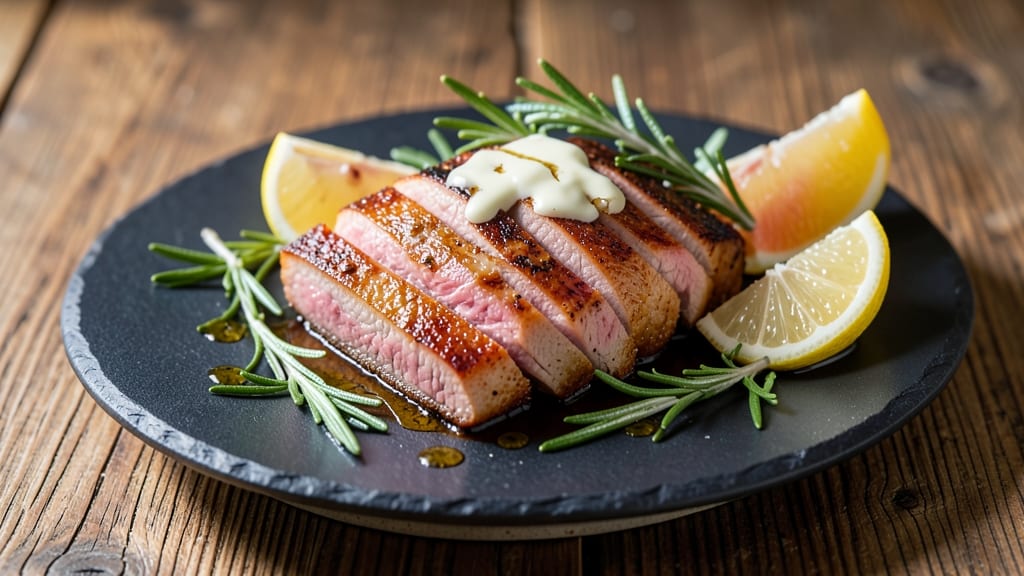
This best rated pork loin recipe delivers the perfect balance of herb-crusted flavor and juicy pink centers—the kind of roast that makes your table the center of attention. 🔥 As someone who's cooked thousands of pounds of pork weekly, I know the secret lies in precise temperature control and a flavorful crust that locks in moisture without drying out the meat.
The key to success is searing the loin first to create a flavorful crust, then roasting it low and slow until it reaches 145°F—never letting it cross that line.
A blend of rosemary, thyme, and garlic in the crust adds depth without overpowering the natural sweetness of the pork, while a simple pan sauce ties everything together.
What you'll end up with is a tender, flavorful roast that slices beautifully and stays moist through every bite. The crust crackles with herbaceous flavor, while the interior remains perfectly pink and juicy—a far cry from the dry, overcooked pork loin many home cooks struggle with.
Serve with a side of roasted root vegetables or a crisp apple sauce to complement the rich flavors. This recipe is designed for confidence, whether you're cooking for a family gathering or treating yourself to a special meal. Let's get started on creating the best pork loin you've ever tasted.
Ingredients for best rated pork loin
Juicy pink centers and crackling herb crust—here's what makes this pork loin the star of your table.
| Ingredient | Amount | Notes |
|---|---|---|
| Pork Loin 🥩 | 3 lb | Center-cut, bone-in preferred |
| Fresh Rosemary 🌿 | ½ cup | Chopped finely, stems removed |
| Fresh Thyme 🌿 | ¼ cup | Leaves only, stems discarded |
| Garlic Cloves 🧄 | 8 cloves | Minced finely, not pre-minced |
| Olive Oil 🫒 | ¼ cup | Extra-virgin for richness |
| Unsalted Butter 🧈 | ½ cup | Cold, cubed for searing |
| Diamond Crystal Kosher Salt 🧂 | 1 ½ tbsp | For crust and seasoning |
| Ground Black Pepper 🌶️ | 1 tsp | Freshly cracked preferred |
| Dijon Mustard 🍯 | 1 tbsp | For crust adhesion |
| Dry White Wine 🍷 | ½ cup | Sauvignon Blanc recommended |
| Chicken or Vegetable Stock 💧 | ½ cup | For pan sauce |
| Fresh Parsley 🌿 | ¼ cup | Chopped for garnish |
The pork loin is everything—center-cut, bone-in if you can find it (the bone keeps it moist). Costco or Whole Foods usually have the best quality, but any reputable butcher will do. Look for good marbling—those little white flecks mean flavor. Fresh herbs are non-negotiable here; Trader Joe's sells pre-chopped rosemary and thyme that saves time. The garlic? Freshly minced makes all the difference—skip the jarred stuff. And trust me on the extra-virgin olive oil—it's worth the splurge for that fruity depth.
No fresh rosemary? Dried works at one-third the amount, but it won't have the same aroma. Out of white wine? Dry vermouth or extra chicken stock works in a pinch. The Dijon mustard is crucial—it helps the crust stick to the meat. If you're worried about the pork drying out, brine it overnight (1 cup salt per 4 cups water) for extra moisture. And for the love of pork, don't skip the butter—it adds richness that olive oil alone can't match. The stock? Homemade is best, but low-sodium canned is fine if you rinse it first.
This roast reheats beautifully—just warm it in the oven with a splash of water for 10-15 minutes at 325°F. The crust stays crispy, and the meat stays juicy. Store leftovers in the fridge for 3-4 days or freeze for up to 3 months. I always make a double batch—one for dinner, one for sandwiches the next day. The pan sauce? Make extra—it's perfect for drizzling over roasted potatoes or tossing with pasta. And save those herb stems—they make great stock!
Why You'll Love This Recipe
- One-Pan Magic: I swear by this—just the pork, herbs, and garlic on a sheet pan. No cutting boards, no mess, and honestly? The best part is that the rosemary and thyme release their scent while it roasts. You’ll smell it before you even taste it.
- Crispy-Creamy Payoff: That golden crust on the outside? It’s all from the olive oil and garlic, while the inside stays juicy enough to make you want to eat it with a spoon. I’ll be real: my kids fight over the last slice.
- Weeknight to Dinner Party: Same recipe, different vibes. Serve it sliced with crusty bread for a lazy Sunday, or platter it with roasted veggies for guests. The herbs keep it fresh-tasting, so it never feels like leftovers—even when it is.
- Budget-Friendly Protein: Pork loin stretches further than you’d think, and these ingredients? Most are pantry staples or cheap at the store. I’ve fed four people for under $15, and they always ask for seconds. That’s a win.
Step-by-step instructions for herb-crusted pork loin roast
This method guarantees a perfectly pink center with a fragrant herb crust every time.
👨🍳 Step 1: Prep the Pork and Herb Crust
Remove the pork loin from the refrigerator and let it sit at room temperature for 30 minutes—this ensures even cooking. Pat the surface completely dry with paper towels, especially around the edges where moisture collects.
In a small bowl, combine the 0.5 cup fresh rosemary, 0.25 cup fresh thyme, 8 cloves minced garlic, 1.5 tbsp kosher salt, 1 tsp black pepper, and 1 tbsp Dijon mustard. Rub this mixture all over the pork, pressing firmly so the herbs adhere. The mustard helps the crust stick and adds subtle tang.
In a separate bowl, mix the 0.25 cup olive oil with the remaining 0.5 cup unsalted butter, softened slightly. Brush this generously over the herb-coated pork. This creates a protective seal that locks in juices during roasting.
🔥 Step 2: Sear for Maximum Flavor
Preheat your oven to 400°F. Heat a heavy oven-safe skillet over medium-high heat until very hot. Place the pork loin in the skillet, searing for 4-5 minutes per side until deep golden brown. The butter will foam and sizzle—this is normal and creates incredible flavor.
Here's the thing—don't move the pork during searing. Let it develop a deep crust undisturbed. If it releases easily from the pan, it's ready to flip. Transfer the skillet to the preheated oven and roast for 20 minutes.
⏰ Step 3: Roast to Perfect Medium Temperature
After the initial 20 minutes, reduce the oven temperature to 325°F and continue roasting for another 25-30 minutes. This slow cook ensures the center stays juicy pink while the exterior remains crispy. Use a meat thermometer for accuracy—remove when the internal temperature reaches 140°F.
I know it seems counterintuitive to stop at 140°F, but pork loin cooks further while resting. The carryover heat will bring it to 145°F (USDA recommended minimum), while maintaining that perfect pink center. If you prefer fully cooked pork, aim for 150°F internal temperature.
🥘 Step 4: Make the Pan Sauce
While the pork rests, place the skillet over medium heat and add the 0.5 cup dry white wine, scraping up all the browned bits from the bottom. Let it simmer for 2-3 minutes until reduced by half. Add the 0.5 cup chicken or vegetable stock and continue simmering until slightly thickened.
Strain the sauce through a fine-mesh sieve to remove any herb bits, then return it to the skillet. Keep it warm until ready to serve. This sauce captures all the roasted herb flavors and adds moisture to each slice.
🍽️ Step 5: Rest and Serve
Transfer the pork to a cutting board and tent loosely with foil. Let it rest for 15-20 minutes—this crucial step allows juices to redistribute throughout the meat. Slice into ½-inch thick portions against the grain for maximum tenderness.
Garnish each serving with the 0.25 cup chopped fresh parsley and drizzle with the pan sauce. The result should be juicy pink centers with a fragrant herb crust that's crispy on the outside. Serve with roasted potatoes or a fresh green salad for a complete meal.
Pro Tips For Making Best Rated Pork Loin
- USE A MEAT THERMOMETER: I learned this the hard way—pork loin looks done when it’s still dry. Pull it at 145°F internal temp (not guesswork). The second that thermometer dips into the thickest part is when you know it’s perfect, not when the juices run clear (they’ll do that after resting).
- SMASH THE GARLIC: Skip the minced jarred stuff—whole garlic cloves get buried and stay bland. Instead, smash 4-5 cloves with the flat side of your knife (leave the skin on) and let them sit in the olive oil for 10 minutes before searing. The skin softens, the flavor infuses deeper, and you won’t waste money on pre-minced garbage.
- DON’T OVERCROWD THE PAN: I used to shove the whole loin in a skillet like it was a hostel dorm. Bad move. Let that pork loin sear in one layer—no stacking, no rushing. If you’re working with a big cut, do it in batches. A crowded pan steams the meat instead of browning it, and you’ll end up with sad, gray pork instead of golden, crusty perfection.
- REST IT UNDER FOIL: This isn’t the prettiest method, but it’s the tastiest. After roasting, tent the pork loin with foil and let it sit for 10-15 minutes—yes, even if you’re starving. The residual heat keeps it juicy while the crust sets. I know, I know, but trust the process. Cutting into it too soon is how you end up with a dry, sad center.
Common mistakes when making perfect results
Overcooking the Meat
This is the #1 mistake I see—pushing pork loin past 145°F internal temperature. Once it hits that mark, it continues cooking while resting, so stopping at 140°F gives you that perfect pink center. I've ruined countless loins by checking too late—always use a meat thermometer with an instant-read probe. 🌡️
Pro tip: If you prefer fully cooked pork, aim for 150°F internal temperature, but be prepared to slice it immediately. The longer it sits, the more it dries out. I recommend the ThermoWorks Smoke thermometer—it's my go-to for precision.
Skipping the Resting Time
Rushing to slice pork loin right out of the oven is a recipe for disaster. Those precious juices need 15-20 minutes to redistribute throughout the meat.
I've seen home cooks slice immediately and end up with dry, sad slices. The rest period is non-negotiable—it's the difference between restaurant-quality and home-cooked disappointment. 💡
For best results, tent the pork loosely with foil and let it rest on a cutting board. This also helps maintain the crust's crispiness. If you're serving a crowd, use this time to finish your sides and warm your plates.
Uneven Searing
Moving the pork too soon during searing disrupts the crust formation. Let it develop that deep golden brown color undisturbed for 4-5 minutes per side.
I've seen people flip it every minute, and you end up with patchy browning. A hot skillet is key—your butter should foam and sizzle vigorously. 🔥
For even better results, use a heavy oven-safe skillet like All-Clad Stainless. It retains heat better and gives you that perfect crust. If your pan isn't hot enough, the butter will just melt without creating flavor.
Using Bone-In Pork Improperly
Bone-in pork loin cooks faster than boneless because the bone conducts heat. If you choose bone-in, reduce your cooking time by 10-15 minutes and check the temperature away from the bone. I've seen people cook bone-in pork like boneless and end up with overcooked meat near the bone. 🥩
For best results with bone-in pork, remove it from the oven when it reaches 135°F internal temperature (away from bone) and let it rest. The carryover heat will bring it to 145°F while keeping the meat juicy.
Ignoring the Herb Crust
The herb mixture isn't just for flavor—it creates a protective barrier that locks in moisture. Skimping on the rosemary, thyme, and garlic means you're missing out on both flavor and texture. I've tasted pork loins where home cooks just used salt and pepper, and they were noticeably less flavorful. 🌿
Press the herb mixture firmly into the meat so it adheres well. The Dijon mustard helps it stick, but you still need to work it in thoroughly. Don't be shy with the seasoning—this is what makes your pork loin special.
Not Using Enough Fat
The combination of olive oil and butter is crucial for both flavor and moisture. I've seen people try to cut corners by using only olive oil, and the results are always less rich. The butter adds that unmistakable depth of flavor that makes this recipe stand out. 🧈
Don't let the butter burn during searing—that's when it releases those rich, nutty flavors. Keep your heat at medium-high and watch it closely. The foam and sizzle are normal and actually enhance the flavor profile.
Nutrition facts
Frequently asked questions
Why does your recipe stop at 140°F instead of 145°F?
Pork loin continues cooking 5-10°F while resting, so we pull it at 140°F to guarantee juicy pink centers. The USDA minimum is 145°F, but this method preserves tenderness. For fully cooked meat, aim for 150°F and slice immediately.
Can I substitute boneless pork loin for bone-in?
Yes, but adjust your cooking time! Bone-in loins cook 10-15 minutes faster since the bone conducts heat. For boneless, follow the 325°F roasting time exactly. Check temperature away from the bone if using bone-in to avoid overcooking near the bone.
How do I make this recipe with a slow cooker?
Sear the pork first, then place it in a slow cooker with 0.5 cup broth and all herbs. Cook on Low for 6-7 hours or High for 3-4 hours until reaching 145°F. The crust won't be as crispy, but the meat stays incredibly tender. Add wine and stock at the end to make pan sauce.
What's the best way to reheat leftovers?
Slice the pork first, then reheat in a 325°F oven with a splash of water for 10-15 minutes. This keeps it moist and maintains the crust's texture. For sandwiches, warm slices in a skillet with butter for 1-2 minutes per side. Never microwave—it turns pork rubbery.
Can I use this recipe for pork tenderloin instead?
Pork tenderloin cooks faster, so reduce roasting time to 15-20 minutes at 325°F after searing. Aim for 140°F internal temperature and rest 10 minutes. The herb crust works perfectly, but tenderloin's smaller size means you'll need about 1.5 pounds for 6 servings.