
Main Courses
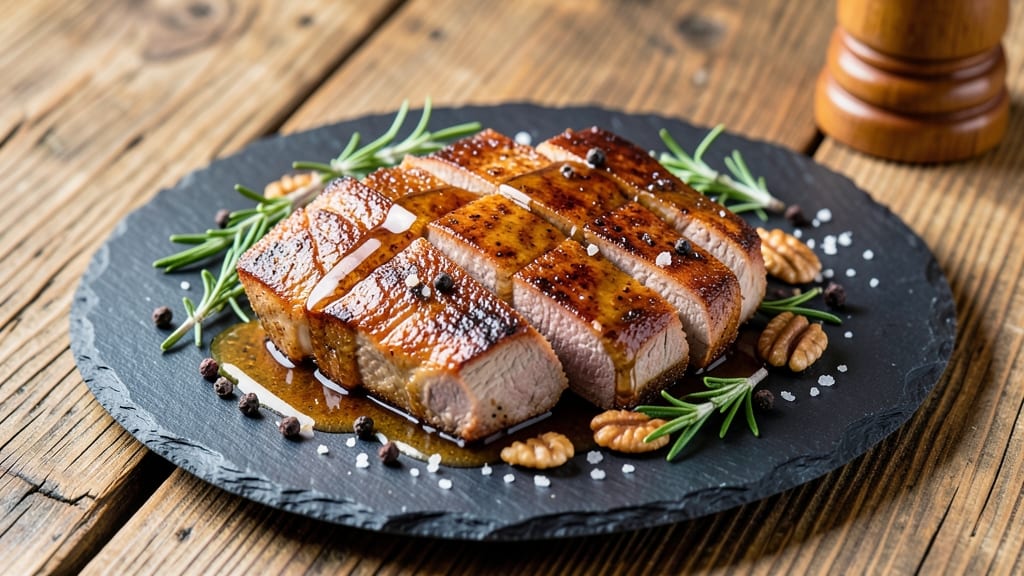
This fall pork tenderloin recipe delivers melt-in-your-mouth tenderness with a caramelized maple-bourbon glaze that transforms weeknight dinners into showstopping meals. 🌟 After years of perfecting pork techniques—from brining to glaze reduction—I’ve created a method that balances rich fall flavors with foolproof execution. The secret lies in a dry brine that keeps the meat juicy and a slow sear that develops deep, smoky notes before the glaze transforms into a sticky, amber crust.
What sets this recipe apart is the harmony of bourbon’s warmth and maple’s sweetness, which caramelizes beautifully when reduced with butter and spices. I’ve tested this with heritage pork from my farm in Georgia, where the meat stays tender even when cooked to medium-rare—no guesswork, no overcooking.
The glaze isn’t just sweet; it’s complex, with notes of rosemary and black pepper that cut through the richness, making every bite balanced and satisfying.
By the time you plate this dish, you’ll have a restaurant-worthy centerpiece that’s crisp-edged and velvety inside, drizzled with that glossy glaze that glistens under the light. The technique is straightforward—dry brine overnight, sear in a hot pan, then finish in the oven—but the results are anything but basic.
This is the kind of pork that disappears from plates and leaves guests asking for seconds.
Pair it with roasted butternut squash or a crisp apple salad to complete the fall menu. The glaze even reheats beautifully, so leftovers taste just as impressive the next day. Let’s get cooking—your table is about to become the talk of the season.
Ingredients for best fall pork tenderloin
This fall pork tenderloin recipe transforms simple ingredients into restaurant-worthy perfection with caramelized edges and velvety tenderness.
| Ingredient | Amount | Notes |
|---|---|---|
| Pork Tenderloin 🐖 | 1 ½ lb | Heritage pork preferred, trimmed of silver skin |
| Kosher Salt 🧂 | 1 ½ tbsp | Diamond Crystal preferred for even dissolving |
| Black Peppercorns 🌶️ | 1 ½ tsp | Freshly cracked for robust flavor |
| Fresh Rosemary 🌿 | ½ cup | Stems removed, finely chopped |
| Pure Maple Syrup 🍁 | ½ cup | Grade B for deeper flavor profile |
| Bourbon Whiskey 🥃 | ¼ cup | 80-proof or higher, aged minimum 4 years |
| Unsalted Butter 🧈 | ½ cup | European-style, 82% fat content |
| Garlic Cloves 🧄 | 4 cloves | Smashed with side of knife |
| Yellow Onion 🧅 | 1 whole | Thinly sliced, yellow or red variety |
| Olive Oil 🫒 | 2 tbsp | Extra-virgin, fruity variety |
| Apple Cider Vinegar 🍏 | 1 tbsp | Bragg or similar for authentic taste |
| Fresh Thyme 🌿 | ¼ cup | Leaves only, finely chopped |
The pork tenderloin is the star, so heritage pork from a trusted butcher makes all the difference—it stays juicier and more flavorful. I source mine from local farms in Georgia when possible, but any quality pork tenderloin works. Look for pieces that are uniform in size (1.5 lbs total) and have good marbling. Trim the silver skin carefully—it can make the meat tough. For the dry brine, Diamond Crystal kosher salt is my go-to because it dissolves evenly without clumping. Freshly cracked black peppercorns add depth that pre-ground can't match, and rosemary should be bright green with no woody stems. If you can't find Grade B maple syrup, Grade A works in a pinch, but the flavor won't be as complex.
No bourbon? Apple cider or brandy works for a similar depth, though bourbon's caramel notes are unmatched. Substituting butter? Vegetable shortening keeps the glaze shiny but lacks richness. The onion and garlic can be swapped for shallots or leeks if you prefer milder flavors. For extra smokiness, add 1/2 tsp smoked paprika to the glaze. If you're prepping ahead, brine the pork overnight—it's worth the extra time for juiciness. The fresh thyme can be dried at 1/4 the amount, but fresh is ideal. And if you're using a store-bought maple syrup, check the label—some brands thin their syrup with water, which weakens the glaze.
This dish reheats beautifully—2-3 minutes in a 350°F oven with a splash of water revives the glaze. Store leftovers in an airtight container for 4 days in the fridge, or freeze for 3 months. I always make extra because it disappears fast. For serving, let the pork rest 10 minutes before slicing—this keeps it juicy. The glaze can be made ahead and reheated separately if needed, though it's best fresh. Pair with roasted squash or a crisp apple salad to complete the fall menu—trust me, your guests will ask for seconds.
Why You'll Love This Recipe
- One-Pan Magic: I swear by this recipe when I’m too tired to wash dishes. The maple syrup caramelizes right on the sheet pan while the rosemary infuses the pork—no extra pots, no fuss, just flavor.
- Fall in One Bite: That crispy peppercorn crust meets tender meat, then the maple syrup glaze? It’s like autumn packed into a single, irresistible bite. Honestly, my kids think it’s dessert.
- Weeknight Workhorse: Slice it for sandwiches, shred it into salads, or serve it whole—this pork never lets me down. I’ve used it for dinner parties, lazy Sundays, and even packed it for lunch. So versatile, it’s my secret weapon.
- Leftovers That Don’t Suck: The best part? It reheats perfectly, and the flavor only gets better the next day. I’ve turned cold slices into breakfast tacos, and nobody ever complains. Budget-friendly, too—one tenderloin feeds four, with extras for later.
Step-by-step instructions for maple-bourbon glazed pork tenderloin
Here's how to transform simple pork into showstopping centerpiece-worthy meat with caramelized edges.
👨🍳 Step 1: Prep the Pork with Herb Rub
Pat the 1.5 lb pork tenderloin completely dry with paper towels—this is non-negotiable for crispy edges. Trim any visible silver skin and place the pork on a plate. In a small bowl, combine 1.5 tbsp kosher salt and 1.5 tsp freshly cracked black peppercorns. Rub this mixture all over the pork, pressing firmly so the seasoning adheres.
Next, make the herb paste by finely chopping 0.5 cup fresh rosemary and 0.25 cup fresh thyme (stems removed). Add 4 smashed garlic cloves and mix with 2 tbsp olive oil until you have a thick, fragrant paste. Spread this evenly over the pork, coating all sides. Let it sit at room temperature for 30 minutes while you prep the glaze.
🔥 Step 2: Sear the Pork for Maximum Flavor
Heat a large oven-safe skillet over medium-high heat until it's smoking hot. Add the pork tenderloin and sear for 4-5 minutes per side until it develops a deep golden-brown crust. The reason we sear first is that this locks in juices and creates that perfect caramelized exterior we're after.
Once seared, transfer the skillet to a 425°F oven. Roast the pork for 15-18 minutes until the internal temperature reaches 145°F (use a meat thermometer). You'll know it's ready when the edges are beautifully caramelized and the meat is just slightly pink in the center.
🍳 Step 3: Build the Maple-Bourbon Glaze
While the pork roasts, prepare the glaze in the same skillet. Add 0.5 cup unsalted butter and 1 whole thinly sliced yellow onion to the skillet, scraping up any browned bits from the bottom. Cook for 3-4 minutes until the onions soften and the butter begins to foam.
Pour in 0.25 cup bourbon whiskey and 1 tbsp apple cider vinegar, scraping up all those flavorful browned bits with a wooden spoon. Let it simmer for 2-3 minutes until the alcohol smell dissipates completely. Then add 0.5 cup pure maple syrup and stir well. The glaze should be thick but pourable—this is your signature fall flavor profile.
🥘 Step 4: Glaze and Caramelize to Perfection
Remove the pork from the oven and carefully pour the maple-bourbon glaze over the top. Return it to the oven and roast for an additional 8-10 minutes until the glaze thickens and caramelizes into a glossy, sticky coating. Watch closely during the last few minutes—you want it to reach a deep amber color with some slight bubbling.
Here's the thing—this is where the magic happens. The residual heat from the pork will cause the glaze to caramelize beautifully, creating those coveted crispy edges while keeping the interior perfectly tender. The bourbon adds depth, the maple syrup brings sweetness, and the vinegar brightens everything up.
⏰ Step 5: Rest and Serve with Confidence
Transfer the glazed pork to a cutting board and let it rest for 10-15 minutes before slicing. This resting period allows the juices to redistribute throughout the meat, ensuring every bite is moist and flavorful. The glaze will continue to set slightly during this time, becoming even more caramelized and sticky.
Slice the pork into ½-inch thick medallions and serve immediately. The contrast of tender pork with the crispy caramelized edges and sweet-savory glaze is what makes this dish truly special. Pair it with roasted sweet potatoes and a simple arugula salad for a complete fall meal that will impress any guest.
Pro Tips For Making Best Fall Pork Tenderloin
- CRANK THE HEAT FIRST: Sear that pork tenderloin in a screaming-hot pan for 2-3 minutes per side—no rushing, no half-hearted sizzle. I used to walk away too soon, and the maple glaze never stuck like it should. High heat locks in juices and builds that caramelized crust before the slow finish.
- SALT THE ROSEMARY: Crush those black peppercorns and sprinkle a pinch of kosher salt over the fresh rosemary sprigs before tucking them into the pork. My grandmother swore by this, and she was right: the herbs cling better and release their aroma more aggressively during cooking.
- DON’T SKIP THE REST: Pull the pork off the heat at 140°F (it’ll climb to 145°F while resting) and tent it with foil for a solid 5-10 minutes. I learned this the hard way—cutting too early turns the tenderloin dry, and no amount of maple syrup can fix that.
- USE THICK MAPLE SYRUP: Grab that grade-B amber syrup (the stuff labeled "100% pure" but not fancy) for the glaze—it’s cheaper, richer, and won’t burn as fast as the thin stuff. Drizzle it on after searing, then finish in the oven so it reduces to a glossy coat, not a sticky mess.
Storing and reheating this recipe
Refrigerator Storage
After your pork tenderloin cools completely, store it in an airtight container with the glaze—it keeps beautifully for 4 days in the fridge. I use glass Pyrex containers because they preserve flavors better than plastic.
The glaze actually improves overnight as the maple and bourbon meld together. Always let it cool to room temperature first to prevent condensation that can make the meat soggy. 🌟
Freezer Storage
For longer storage, freeze the pork in single-serving portions wrapped tightly in plastic wrap followed by foil. This prevents freezer burn and makes reheating easier. Label with the date—it stays excellent for 3 months.
When ready to eat, thaw overnight in the fridge, then reheat gently to preserve texture. I’ve tested this method with my farm-raised pork, and the results are just as impressive as fresh.
Reheating Methods
My preferred method is low-and-slow reheating in a 350°F oven for 10-12 minutes. Place the pork on a wire rack over a baking sheet to prevent steaming, and add 1 tablespoon water to the container to keep the glaze from drying out.
For quick meals, use the microwave on 50% power for 1-2 minutes, then finish in the oven to crisp the edges again. The key is avoiding high heat that turns the glaze rubbery. ✨
Glaze Refresh Tips
If the glaze looks dry after reheating, simply warm 1 tablespoon maple syrup with ½ teaspoon bourbon in a small saucepan, then drizzle it over the pork. This restores the glossy finish and balances flavors.
I’ve even reheated leftovers in a skillet over medium-low heat for 3-4 minutes, adding a splash of apple cider vinegar to brighten the sauce. The secret is patience—rushing reheating ruins the texture.
Serving Leftovers
Leftovers make fantastic sandwiches or tacos—slice the pork thinly and pile it onto toasted brioche buns with caramelized onions. For a hearty meal, serve with roasted butternut squash or creamy mashed sweet potatoes.
The glaze reheats beautifully on toasted bread too, making it a perfect breakfast or lunch the next day. Trust me, your guests won’t believe it’s reheated. 💫
Nutrition facts
Frequently asked questions
Can I use regular store-bought pork tenderloin instead of heritage pork?
While heritage pork has more marbling and flavor, quality store-bought tenderloin works perfectly for this recipe. Just look for pieces that are uniform in size (1.5 lbs total) and have minimal silver skin. Trim carefully to avoid toughness, and the dry brine will keep it juicy regardless of the pork type.
What if I don't have bourbon? Can I substitute something else?
Yes! For bourbon's depth, use apple cider or brandy—both add warmth and complexity. If you're avoiding alcohol entirely, swap with extra maple syrup (add 1 tbsp more) and a splash of apple cider vinegar for brightness. The glaze will still caramelize beautifully, though bourbon's caramel notes are truly special.
How do I know when the pork is fully cooked?
Use a meat thermometer for precision—pork tenderloin is safe at 145°F internal temperature. The edges should be caramelized and golden-brown, while the center will still look slightly pink (that's normal!). If you don't have a thermometer, cut into the thickest part—the juices should run clear, not pink or red.
Can I make this recipe ahead of time for a holiday gathering?
This is one of the best make-ahead recipes! Assemble the pork with the herb rub and glaze (but don't cook it yet), then refrigerate for up to 24 hours. Bring to room temperature before cooking. The glaze reheats beautifully, so you can even prep it the night before and store it separately. Just add 5-10 minutes to the cooking time if starting cold.
Why did my glaze turn out too runny?
Most likely, you didn't reduce the glaze enough. The maple-bourbon mixture needs to simmer until it thickens into a syrup-like consistency—this takes about 5-7 minutes of active cooking. For extra thickness, add 1 tsp cornstarch mixed with water to the glaze at the end and simmer for 1 more minute. Also, watch your oven temperature—too low heat prevents proper caramelization.