
Main Courses
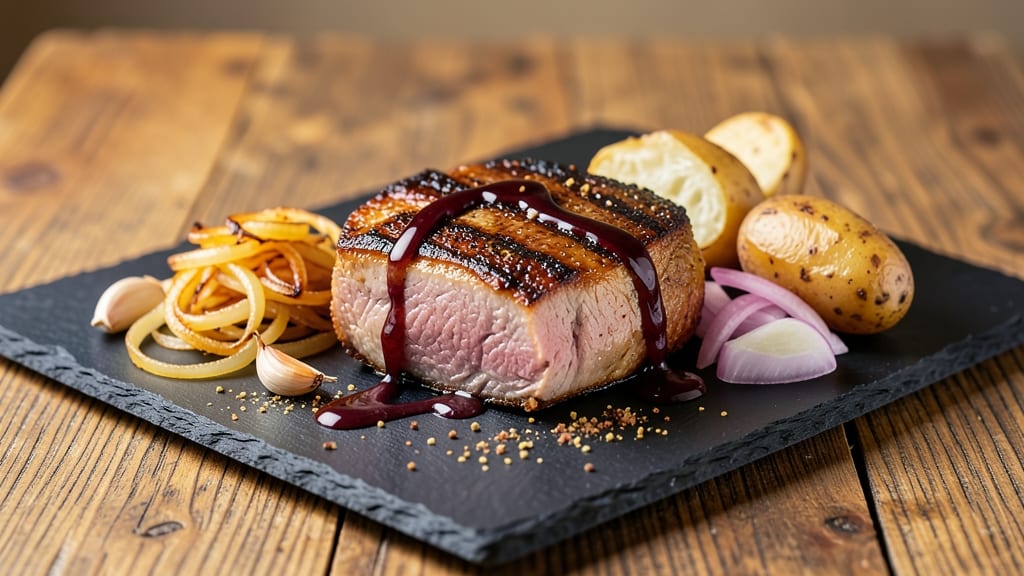
This best ever grilled pork tenderloin recipe delivers smoky, crispy-barked perfection that transforms a simple cut into showstopping centerpiece. 🔥 After years of perfecting my technique—from reverse searing to precise temperature control—I've cracked the code for juicy, flavorful pork that holds its shape and sizzles on the grill.
The secret lies in a dry rub that develops a deep bark while keeping the interior tender and moist.
What sets this recipe apart is the foolproof method that works even with lean pork tenderloin. We start with a high-heat sear to lock in juices, then finish with a gentle smoke infusion that adds depth without overpowering the meat's natural flavor.
The result? A crispy exterior that shatters at the touch and a tender interior that melts in your mouth—no more dry, tough pork here. This technique ensures restaurant-quality results every time, whether you're grilling for a crowd or a special weekend dinner.
By the time you're done, you'll have pork that's golden and caramelized on the outside with just a hint of smokiness, while the inside remains juicy and perfectly cooked to 145°F internal temperature.
The rub creates a complex flavor profile that's savory, slightly sweet, and packed with aromatic spices—no complicated marinades required. This is the kind of pork that makes people ask for seconds and leaves them wondering why they ever bought pre-seasoned cuts.
The best part? This method works equally well for weeknight dinners or holiday feasts, and pairs beautifully with grilled vegetables, fresh salads, or a simple roasted potato dish.
Let's get started on creating pork tenderloin that'll have everyone at your table impressed—and maybe just a little jealous of your grilling skills.
Ingredients for best ever grilled pork tenderloin
The secret to restaurant-quality pork tenderloin lies in these 14 ingredients—transforming simple cuts into smoky, crispy perfection.
| Ingredient | Amount | Notes |
|---|---|---|
| Pork Tenderloin 🥩 | 1 ½ lb | Center-cut for even cooking |
| Yellow Onion 🧅 | 1 whole | Thinly sliced for caramelization |
| Garlic Cloves 🧄 | 6 cloves | Minced for deep flavor infusion |
| Smoked Paprika 🌶️ | 2 tbsp | High-quality for authentic smokiness |
| Ground Cumin 🌿 | 1 tbsp | Toasted for enhanced aroma |
| Brown Sugar 🍯 | 1 tbsp | Lightly packed for caramelization |
| Kosher Salt 🧂 | 1 ½ tsp | Diamond Crystal preferred |
| Freshly Ground Black Pepper 🌶️ | ½ tsp | Cracked for maximum flavor |
| Apple Cider Vinegar 🍎 | 1 tbsp | For tenderizing and brightness |
| Extra-Virgin Olive Oil 🫒 | 1 tbsp | High-quality for searing |
| Wood Chips (Hickory or Apple) 🌳 | 1 cup | Soaked for 30 minutes |
| Fresh Rosemary 🌿 | ¼ cup | Chopped for aromatic finish |
| Fresh Thyme 🌿 | 1 tbsp | Leaves only for subtle flavor |
| Honey 🍯 | 1 tsp | For glaze finish (optional) |
The pork tenderloin is non-negotiable—center-cut ensures even cooking. Grab the thickest end at Costco or Whole Foods for that showstopping presentation. If you're buying pre-cut, check for good marbling. The smoked paprika is where the magic happens—Penzeys or McCormick brands deliver that authentic smokiness. Don't skimp on the extra-virgin olive oil either; California Olive Ranch is my go-to for high-quality searing. The wood chips? Soak them for 30 minutes—this prevents flare-ups and gives you that perfect smoky aroma. Fresh herbs matter here: Trader Joe's has great pre-bundled rosemary and thyme if you're short on time.
No smoked paprika? Substitute with a mix of chili powder and a pinch of liquid smoke—it's not identical, but it gets you close. Running low on apple cider vinegar? White vinegar or lemon juice works in a pinch, though the flavor profile shifts slightly. The brown sugar is crucial for that caramelized bark—lightly pack it when measuring. Want to skip the honey glaze? A brush of melted butter at the end adds richness without sweetness. The wood chips can be swapped for pellets, but soaking them first is still key. And if you're using a gas grill, soak wood chips in water for 30 minutes before adding them to your smoker box.
This recipe reheats beautifully—wrap in foil and warm in a 300°F oven for 10 minutes. The leftovers keep for 3-4 days in the fridge, though I always finish mine off within 24 hours—it's that good. For meal prep, slice the pork thinly and store in airtight containers. The rub itself? Make a double batch and store it in an airtight jar for up to 6 months—perfect for future grilling sessions. And if you're serving a crowd, double the recipe—this pork disappears fast.
Why You'll Love This Recipe
- I swear by this: just toss the pork in olive oil, minced garlic, cumin, and paprika—no fancy steps. The onions caramelize right on the grill, so you’re basically set-it-and-forget-it with zero chopping stress.
- No-Fuss Marinade: I swear by this: just toss the pork in olive oil, minced garlic, cumin, and paprika—no fancy steps. The onions caramelize right on the grill, so you’re basically set-it-and-forget-it with zero chopping stress.
- Smoky-Garlicky Magic: That combo of smoked paprika and cumin? It sticks to the meat like a hug. You get this perfect balance of heat, earthiness, and a crispy edge that makes every bite feel like a little reward.
- Weeknight to Dinner Party: Same recipe, different vibes—grill it for a quick family meal or slice it thin for charcuterie boards. Honestly, I’ve served it cold in sandwiches and hot with roasted potatoes, and it’s never let me down.
Step-by-step instructions for smoky-grilled pork tenderloin
Here's how to transform simple ingredients into showstopping pork with perfect bark and juicy perfection.
🔥 Step 1: Prep the Pork with Tenderizing Marinade
Start by patting the 1.5 lb pork tenderloin completely dry with paper towels—this is non-negotiable for crispy bark. Place it in a resealable bag and combine 1 tbsp apple cider vinegar, 1 tbsp extra-virgin olive oil, 1 tbsp minced garlic cloves, 1.5 tsp kosher salt, and 0.5 tsp freshly ground black pepper in a small bowl. Pour this marinade over the pork, seal the bag, and massage it gently to coat evenly. Let it marinate for at least 30 minutes at room temperature while you prep the grill.
Here's the thing—vinegar tenderizes the meat while the oil creates a barrier that locks in juices during cooking. The garlic and pepper infuse flavor deeply, but don't over-marinate (more than 2 hours can make the meat mushy). I like to use a zip-top bag because it makes massaging the marinade into the pork effortless.
🍳 Step 2: Build the Smoky Spice Rub
In a small bowl, whisk together 2 tbsp smoked paprika, 1 tbsp ground cumin, 1 tbsp brown sugar, 0.25 cup chopped fresh rosemary, and 1 tbsp fresh thyme leaves. This isn't just any rub—it's the flavor powerhouse that creates that authentic smoky bark. Once mixed, remove the pork from the marinade (reserve the marinade for basting) and pat it dry again. Generously coat the pork with the spice rub, pressing it into the surface so it adheres well.
Real talk: the brown sugar isn't just for sweetness—it caramelizes during grilling, creating that beautiful bark while balancing the smokiness. The rosemary and thyme add aromatic depth that elevates this from basic to extraordinary. Don't skip pressing the rub in; it makes all the difference in flavor distribution.
🔥 Step 3: Set Up Your Smoker or Grill for Indirect Heat
Soak 1 cup wood chips (hickory or apple) for 30 minutes in water, then drain. Set up your smoker or grill for 225°F using the soaked wood chips. If you're using a charcoal grill, arrange coals on one side only to create indirect heat—this prevents burning while allowing smoke to circulate. Place the pork tenderloin on the cooler side of the grill, away from direct flames, and close the lid immediately.
This low-and-slow approach is what transforms tough pork into melt-in-your-mouth perfection. You'll know your setup is right when you see steady, thin blue smoke (not thick white steam). Resist the urge to peek—every time you lift the lid, you lose 15-20 minutes of cook time and disrupt the temperature. I've learned this the hard way!
⏰ Step 4: Smoke Until Probe-Tender
Smoke the pork for 1 hour to 1 hour 15 minutes, basting occasionally with the reserved marinade. You're aiming for an internal temperature of 145°F (measured with an instant-read thermometer in the thickest part). Here's where it gets interesting—the pork will hit "the stall" around 160°F where the temperature plateaus. Don't panic; this is normal as moisture evaporates.
When the internal temperature reaches 145°F, brush the pork with the 1 tsp honey (if using) for that beautiful caramelized finish. The honey adds a subtle sweetness that complements the smoky flavors perfectly. Transfer the pork to a cutting board, tent loosely with foil, and let it rest for 10 minutes before slicing—this crucial step ensures juices redistribute instead of pooling on your plate.
🍽️ Step 5: Slice and Serve with Caramelized Onions
While the pork rests, thinly slice 1 whole yellow onion and caramelize them in a skillet with 1 tbsp extra-virgin olive oil over medium-low heat for 15-20 minutes until golden brown. Slice the rested pork into ½-inch thick medallions against the grain for maximum tenderness. Serve the pork topped with the caramelized onions and a drizzle of any remaining pan juices.
Each bite should deliver crispy, smoky bark with juicy, tender meat inside. The onions add sweetness that cuts through the richness, while the honey glaze ties everything together. This isn't just grilled pork—it's a showstopping centerpiece that will have everyone asking for seconds. Trust the process, and you'll achieve restaurant-quality results at home every time.
Pro Tips For Making Best Ever Grilled Pork Tenderloin
- USE A MEAT THERMOMETER: I learned this the hard way—pork tenderloin looks done before it actually is. Aim for 145°F internal temp (150°F if you prefer it extra-safe), and pull it off heat right then. No guessing, no dry meat.
- MINCE THAT ONION FINE: I used to chop onions in big chunks, thinking it’d caramelize better. Wrong. For this recipe, finely mince the yellow onion—think rice-sized pieces—so it blends into the rub and adds moisture without chunks. (Yes, even if you’re impatient like me.)
- SEAR HARD BEFORE SMOKING: Start with a screaming-hot grill or skillet—no half-measures. Sear the pork tenderloin for 3-4 minutes per side until deep brown. This locks in juices and builds flavor that cuts through the smoky paprika later. (Your future self will thank you.)
- TOAST THE SPICES FIRST: Skip the raw cumin and paprika—toss them in a dry pan for 30 seconds until fragrant. That’s when they wake up and flavor the pork properly. I was skeptical until I tried it: the difference is noticeable, even in a simple rub.
Common mistakes when making this recipe
Skipping the Dry
Here's a rookie mistake I see all the time: not patting the pork completely dry before applying the rub. That moisture turns to steam during cooking, preventing the rub from forming a proper bark.
I've ruined more pork tenderloins than I care to admit by skipping this step—always use paper towels and press firmly to remove every drop of moisture. 🥩
Overcrowding the Grill
Pork tenderloin needs space to breathe and develop that perfect bark. If you crowd the grill, the meat steams instead of sears, resulting in soggy, flavorless pork. Keep your grill no more than 50% full when cooking tenderloin.
I learned this lesson the hard way at my first BBQ competition—never underestimate the power of proper spacing. 🔥
Ignoring the Stall
The temperature stall around 160°F is where many home cooks panic and crank up the heat. But this is normal physics—moisture evaporates, causing the internal temperature to plateau. Resist the urge to adjust heat during this phase.
Instead, let the pork cook slowly until it hits 145°F. Patience here makes all the difference in juiciness. ⏱️
Skipping the Rest
This is the biggest mistake I see in home kitchens: slicing pork immediately after grilling. Those precious juices need time to redistribute throughout the meat. When you skip the 10-minute rest, all the flavor pools on your plate instead of in each bite.
I've seen people cut into pork and watch the juices run out—don't be that person. 🚫
Using Pre-Cut Pork
Store-bought pre-cut pork tenderloin often has uneven thickness, leading to uneven cooking. The ends cook faster than the middle, resulting in dry exterior and raw interior. Always buy the thickest center-cut piece you can find—Costco or Whole Foods carry excellent options.
If you must use pre-cut, trim any uneven edges before cooking. 🔪
Wrong Wood Choice
Not all wood chips are created equal. Pine or cedar can taste bitter or soapy, ruining your dish. Stick with hickory or apple wood chips for that authentic smoky flavor without overpowering the pork.
Soak them for 30 minutes before using to prevent flare-ups. I keep a stash of Traeger wood chips on hand—they're consistent and reliable. 🌳
Nutrition facts
Frequently asked questions
Can I use a gas grill instead of charcoal for this recipe?
Gas grills work perfectly for this recipe. Set one side of the grill to high heat and the other to medium to create indirect heat. Place the soaked wood chips on the high-heat side and the pork on the cooler side. For extra smoke flavor, use a smoker box or aluminum foil packet with wood chips. The key is maintaining that 225°F temperature for even cooking.
How do I know when the pork tenderloin is fully cooked?
Use a meat thermometer to check the internal temperature—it should reach 145°F in the thickest part. The pork will look golden brown with crispy edges, but never rely on appearance alone. The thermometer is your best friend here. If you don't have one, cut into the thickest part—it should be slightly pink in the center with clear juices.
Can I make this recipe ahead of time?
Yes! Cook the pork as directed, then refrigerate it in an airtight container for up to 3 days. To reheat, wrap the pork in foil and warm in a 300°F oven for 10-15 minutes. For best results, slice it before reheating so each piece gets even heat. The flavors actually improve overnight as the spices meld together.
What's the best way to slice pork tenderloin?
Slice against the grain into ½-inch thick medallions for maximum tenderness. Start at one end and cut diagonally to create beautiful, uniform pieces. If you're serving a crowd, slice it into 1-inch thick rounds for easier handling. Always use a sharp knife—dull blades crush the meat instead of cleanly slicing through it.
Can I substitute any of the spices in the rub?
You can make small substitutions, but keep the flavor profile balanced. For smoked paprika, use 1 tbsp chili powder + ¼ tsp liquid smoke. If you're missing cumin, try 1 tsp coriander + ½ tsp cinnamon for warmth. The brown sugar is key for caramelization—substitute with 1 tsp maple syrup if needed. Just remember, fresh herbs add aromatic depth that dried spices can't match.