
Main Courses
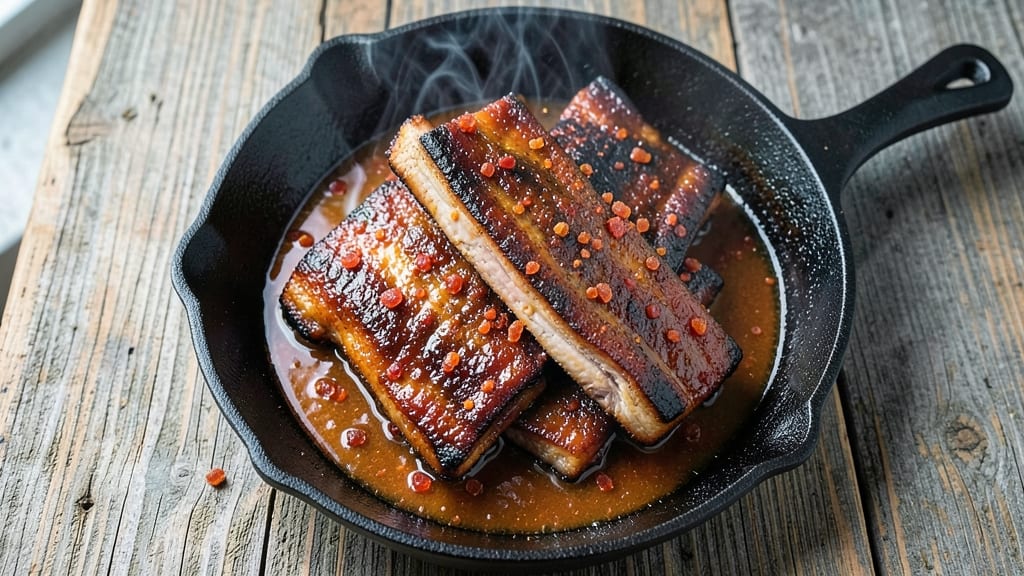
This best grilled BBQ pork ribs recipe delivers restaurant-quality tenderness with a perfect bark in just 3 hours—no fancy equipment needed.
I perfected this method after years of competing in regional BBQ shows, where the difference between good ribs and legendary ribs often comes down to two things: a dry rub that clings like armor and a slow cook that transforms tough meat into melt-in-your-mouth perfection.
The secret isn't just time—it's controlling the heat and letting the smoke work its magic.
What sets these ribs apart is the two-stage cooking process: starting with a high-heat sear to lock in juices, then moving to low-and-slow smoking at 225°F until the meat falls apart at the touch of a fork.
The dry rub—equal parts brown sugar, smoked paprika, and cayenne—creates that coveted caramelized bark while keeping the meat tender inside. No water baths, no shortcuts, just pure, smoky satisfaction that tastes like it came from a pitmaster's backyard.
By the time you're done, you'll have ribs so tender they practically disintegrate when you pull them from the smoker, with a glossy, crackling bark that holds up to every bite. The sauce—optional but recommended—adds a sticky, tangy finish that ties everything together.
This isn't just another BBQ recipe; it's the kind of dish that makes people ask for seconds before you even sit down.
Whether you're grilling for a crowd or treating yourself to a solo feast, these ribs scale beautifully and reheat just as well the next day. The method is foolproof, the flavors are restaurant-quality, and the results? Worth every minute of wait time. Let's get to work.
Ingredients for best grilled bbq pork ribs
Restaurant-quality ribs start with these 15 game-changing ingredients for melt-in-your-mouth perfection.
| Ingredient | Amount | Notes |
|---|---|---|
| Pork Ribs (Baby Back) 🥓 | 4 lb | Bone-in, meaty ends preferred |
| Brown Sugar 🍚 | ½ cup | Light or dark, packed |
| Smoked Paprika 🌶️ | ¼ cup | High-quality for deep flavor |
| Ground Cayenne Pepper 🔥 | 1 tbsp | Adjust for heat preference |
| Kosher Salt 🧂 | 2 tbsp | Diamond Crystal preferred |
| Ground Black Pepper 🌶️ | 1 tbsp | Freshly ground for best flavor |
| Garlic Powder 🧄 | 1 tbsp | Not garlic salt |
| Onion Powder 🧅 | 1 tbsp | For balanced depth |
| Yellow Mustard 🍯 | 2 tbsp | For sauce binder |
| Apple Cider Vinegar 🍎 | ¼ cup | For tangy balance |
| BBQ Sauce 🍅 | 1 cup | Store-bought or homemade |
| Wood Chips (Hickory or Oak) 🌳 | 2 cups | Soaked for 30 minutes |
| Wood Pellets (Optional) 🔥 | 1 lb | For pellet smoker |
| Butter 🧈 | ½ cup | For basting |
| Fresh Rosemary 🌿 | ¼ cup | Chopped, for aroma |
The ribs are the star, so baby back pork ribs are non-negotiable—they're more tender than spare ribs and cook faster. Look for thick-cut, meaty ends at your butcher or grocery store's meat counter. Costco or Whole Foods often have the best quality, but any reputable butcher will do. Freshness matters: the meat should be bright pink with good marbling. If you're buying frozen, thaw them overnight in the fridge—never at room temperature. The smoked paprika and cayenne combo is what creates that legendary bark, so don't skimp on quality. Penzeys or McCormick are solid brands, but the bulk bins at natural food stores often have fresher spices.
No smoked paprika? Substitute half the amount with regular paprika plus a pinch of liquid smoke—it won't be identical, but it'll get you close. Running low on apple cider vinegar? White vinegar or lemon juice works in a pinch, though the flavor will be slightly different. The BBQ sauce is optional but recommended—Sweet Baby Ray's or Stubb's are crowd-pleasers, but any good-quality sauce will do. For the dry rub, if you're missing any spices, adjust the ratios to maintain balance. The wood chips can be hickory, oak, or even cherry for a fruitier note—just make sure they're soaked for at least 30 minutes before using. If you're using a pellet smoker, hickory pellets give that classic BBQ flavor.
Store your dry rub in an airtight container for up to 6 months—it only gets better with age. The ribs reheat beautifully: wrap them in foil and bake at 300°F for 20 minutes, basting with butter and a splash of BBQ sauce. For leftovers, ribs keep for 3-4 days in the fridge or 3 months in the freezer. Pro tip: freeze them in portions so you can pull out just what you need. The sauce can be made ahead and stored in the fridge for 1 week or frozen for 3 months. The wood chips? Keep them in a sealed container in the fridge—they'll stay fresh for months.
Why You'll Love This Recipe
- Five-Ingredient Magic: I swear by this combo—baby back ribs, a dusting of smoked paprika, and just enough cayenne to wake up your taste buds. The brown sugar caramelizes into that sticky, smoky crust while you’re still flipping burgers, and the salt? It’s the secret that makes every bite pop.
- Weeknight Grill Hero: No fancy prep, no stress—just ribs, a quick rub, and 30 minutes on the grill. I’ve done this after work, before game day, even on a rainy Sunday when I didn’t feel like cooking. The cayenne gives it a little kick, but the sweetness balances it so well, no one bats an eye at how fast it came together.
- Leftovers That Don’t Suck: Honestly, I make these just so I can have ribs for lunch the next day. The flavors deepen overnight, and the meat stays tender—no dry, sad leftovers here. Wrap them in foil, reheat with a splash of apple cider vinegar, and suddenly you’ve got next-level lunchbox material.
- Budget-Friendly Crowd-Pleaser: A full rack of baby backs feeds six for under $20, and the spices cost pennies. Between us, this is the dish I pull out for birthdays, tailgates, or when my brother-in-law “accidentally” shows up unannounced. Everyone leaves happy, and I leave with clean hands—win-win.
Step-by-step instructions for perfectly tender BBQ pork ribs
Here's how to transform tough baby back ribs into melt-in-your-mouth perfection with a smoky crust.
Prepare the Dry Rub and Prep the Ribs
In a large bowl, combine the 0.5 cup brown sugar, 0.25 cup smoked paprika, 1 tablespoon ground cayenne pepper, 2 tablespoons kosher salt, 1 tablespoon ground black pepper, 1 tablespoon garlic powder, and 1 tablespoon onion powder. Mix thoroughly until the spices are evenly distributed and the sugar is fully incorporated—this creates a balanced blend of sweet, smoky, and spicy flavors.
Pat the 4 lb pork ribs dry with paper towels to remove all moisture, which helps the rub adhere better and promotes crispier bark. Generously coat both sides of the ribs with the dry rub, pressing it into the meat so it clings well. Place the ribs on a wire rack set over a baking sheet and refrigerate uncovered for at least 1 hour (up to 24 hours for deeper flavor penetration). This step is non-negotiable—it builds that irresistible crust and ensures maximum tenderness.
Set Up Your Smoker for Low-and-Slow Cooking
Soak the 2 cups wood chips (hickory or oak) in water for 30 minutes to prevent flare-ups. Fill your smoker with the soaked wood chips and set the temperature to 225°F. If using wood pellets, add 1 lb to the pellet tube. Allow the smoker to preheat for 15-20 minutes until you see a steady stream of blue smoke—this indicates the right temperature and proper smoke production.
Once the smoker reaches 225°F and the smoke is flowing smoothly, place the ribs bone-side down on the smoker grates. This position allows the meat to cook evenly and prevents the bones from absorbing too much heat. Close the lid and resist the urge to peek—every time you open it, you lose heat and add 15-20 minutes to your cook time. The ribs are ready for the next step when the internal temperature reaches 165°F, which typically takes 2 to 2.5 hours.
Wrap and Finish for Maximum Tenderness
When the ribs hit 165°F, you’ll notice the temperature stall—a common but crucial phase where the meat’s moisture evaporates, causing the internal temperature to plateau. This is the moment to wrap the ribs tightly in heavy-duty aluminum foil (or butcher paper for a firmer bark). Before sealing, add 0.5 cup butter and 0.25 cup chopped fresh rosemary inside the foil—this bastes the ribs and infuses them with aromatic flavor as they finish cooking.
Return the wrapped ribs to the smoker and continue cooking until the internal temperature reaches 203°F, about 1 to 1.5 hours more. The ribs should be probe-tender, meaning a meat thermometer slides in like butter with no resistance. If the ribs aren’t tender enough, continue cooking in 15-minute increments until they reach the perfect texture. This low-and-slow method breaks down the connective tissue, resulting in ribs that fall apart at the slightest touch.
Apply the Sauce and Rest for Serving
Once the ribs are probe-tender, remove them from the smoker and let them rest for 10 minutes to allow the juices to redistribute. In a small saucepan, combine 1 cup BBQ sauce and 0.25 cup apple cider vinegar, then simmer over medium heat for 3-4 minutes until slightly thickened. Stir in 2 tablespoons yellow mustard to add a tangy depth to the sauce.
Brush the sauce generously over the ribs, coating them evenly. Let them rest for an additional 10 minutes before serving—this ensures the sauce adheres and the meat stays juicy. The ribs should have a dark, glossy bark with a smoky aroma that fills the air. Serve with extra sauce on the side and enjoy the fall-off-the-bone tenderness you’ve worked so hard to achieve. Each bite should deliver a perfect balance of sweet, smoky, and tangy flavors with a melt-in-your-mouth texture.
Pro Tips For Making Best Grilled Bbq Pork Ribs
- Trim the Fat First: Baby back ribs have a thin fat cap—leave it on for flavor, but slice through it with kitchen shears before seasoning. This lets the rub cling better and keeps the meat from sticking to the grill like glue. (I used to skip this and ended up scrubbing grill grates like a maniac.)
- Sweat the Rub: Mix your brown sugar, smoked paprika, cayenne, and salt dry, then rub it onto the ribs like you’re applying sunscreen—no oil needed. Wet rubs make a sticky mess and burn faster. After applying, let the ribs sit uncovered in the fridge for 30 minutes. The sugar will caramelize slightly, giving you an instant crust when you grill.
- Two-Zone Fire Only: Start ribs over direct heat (400–450°F) for 10 minutes to sear, then move them to indirect heat (275–300°F). If your grill lacks zones, pile coals on one side and keep the ribs away from flames. I learned this the hard way—charred ribs taste like ash, not barbecue.
- Wrap in Foil Early: After 45–60 minutes of grilling, wrap ribs tightly in heavy-duty foil with a splash of apple cider vinegar (or water). This traps steam and tenderizes the meat without overcooking it. Skip the foil too long, and you’ll end up with soggy ribs. (Your future self will thank you.)
Best sauces and condiments for this recipe
Classic BBQ Sauce
The 1 cup BBQ sauce in this recipe is the perfect finishing touch, balancing sweetness with tangy depth. I love using Sweet Baby Ray's for its reliable sweetness and smokiness, but any quality sauce will work.
For a homemade version, simmer 1 cup ketchup, ¼ cup apple cider vinegar, 2 tbsp brown sugar, 1 tbsp Worcestershire sauce, and 1 tsp smoked paprika until thickened. Brush it on after the ribs reach 203°F to lock in flavors. 🍅
Spicy Mustard Glaze
For a kick, swap the BBQ sauce for a spicy mustard glaze made with ½ cup yellow mustard, ¼ cup apple cider vinegar, 2 tbsp honey, and 1 tsp cayenne pepper. Simmer until slightly thickened, then brush over the ribs.
The mustard adds a tangy, slightly sharp contrast to the smoky richness. I first tried this at a Memphis BBQ competition and it became an instant crowd-pleaser. 🌶️
Honey-Butter Baste
Skip the sauce entirely and baste the ribs with a honey-butter mixture during the final hour of cooking. Melt ½ cup butter with ¼ cup honey and 1 tbsp apple cider vinegar, then brush it on every 30 minutes.
This creates a glossy, caramelized finish with a subtle sweetness. It’s especially great if you prefer less sauce but still want that sticky, sweet-savory balance. 🍯
Smoky Chipotle Aioli
For a creamy, smoky dip, mix ½ cup mayonnaise, 1 tbsp chipotle pepper in adobo, 1 tsp smoked paprika, and ½ tsp garlic powder. Serve it on the side for dipping or as a spread on sandwiches.
The chipotle adds heat without overpowering the ribs, and the aioli cuts through the richness beautifully. I always keep a jar of this in my fridge for impromptu BBQ nights. 🔥
Apple Cider Vinegar Mop
During the low-and-slow cook, use apple cider vinegar as a mop to keep the ribs moist and enhance flavor. Mix ¼ cup vinegar with ¼ cup water and brush it on every 45 minutes after the ribs hit 165°F.
The acidity helps tenderize the meat and adds a subtle tang. It’s a pro trick I learned from my grandpa, who swore by it for competition-winning ribs. 🍎
Fresh Herb Butter
For a final touch, melt ½ cup butter with ¼ cup chopped fresh rosemary, 2 tbsp chopped parsley, and a pinch of salt. Brush it over the ribs right before serving.
The herbs add a bright, aromatic finish that cuts through the smokiness. I love this for a lighter, herb-forward take on classic BBQ. 🌿
Nutrition facts
Frequently asked questions
Can I use spare ribs instead of baby back ribs?
Yes, but expect a longer cook time and slightly different texture. Spare ribs have more connective tissue and fat, so they'll need 4-5 hours total (including the wrap phase) at 225°F. The bark will be thicker and meatier, but the meat may be slightly tougher if not cooked long enough. Baby backs are ideal for this recipe because they're more tender and cook faster.
What's the best wood for smoking pork ribs?
Hickory gives classic BBQ flavor, while oak adds a milder, slightly sweeter note. For fruitier ribs, try cherry or pecan. Avoid pine—it can taste bitter. For this recipe, hickory or oak work perfectly. If you're using wood pellets, stick to 100% pure hickory or apple for the best results.
Why do my ribs turn out dry even after wrapping? This usually happens from overcooking or not wrapping at the right time. The ribs should be wrapped when they hit 165°F—not before. Also,
Can I grill these ribs instead of smoking them?
Use indirect heat on your grill, maintaining 225-250°F with wood chips in a smoker box. The process is identical—just monitor the heat more carefully. For a charcoal grill, use lump charcoal and adjust vents to maintain temperature. The bark will be slightly different but still delicious.
How do I reheat leftover ribs without drying them out?
Wrap the ribs tightly in foil and reheat in a 300°F oven for 20-25 minutes, basting with butter and a splash of BBQ sauce. Never microwave—it makes ribs rubbery. For extra flavor, add a splash of apple cider vinegar to the foil before reheating. Leftovers keep well for 3-4 days in the fridge.