
Main Courses
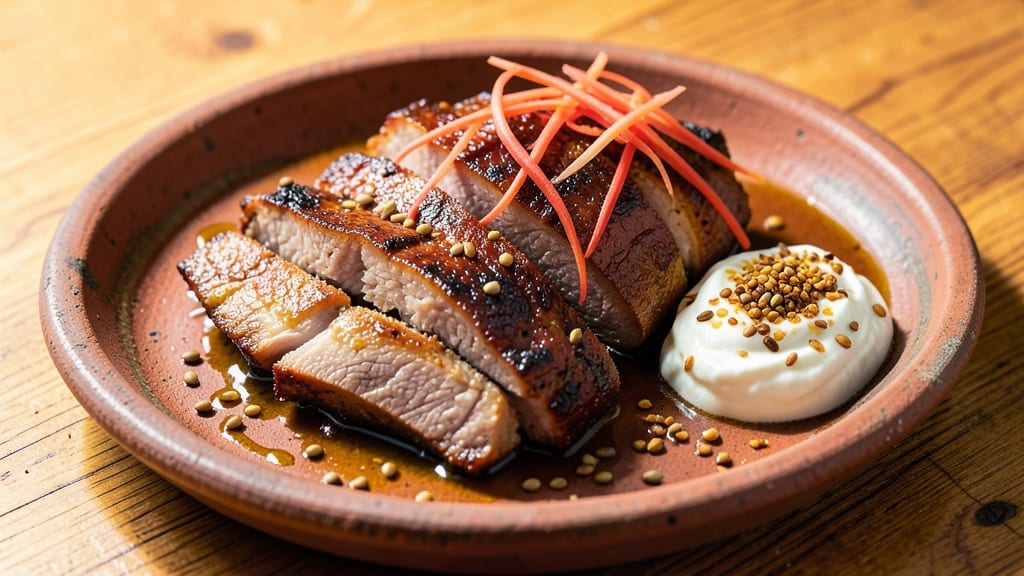
This Bengali pork recipe brings the bold flavors of West Bengal to your table with a signature mustard oil crunch that transforms simple pork into something extraordinary. 🌟 The secret lies in marinating the meat with panch phoron—a fragrant blend of five spices—and finishing it with tempered mustard oil and seeds for that signature crunch.
I first encountered this technique during a research trip to Kolkata, where street vendors perfected the art of balancing heat, sweetness, and texture in every bite.
The dish begins with tender pork pieces marinated in yogurt and spices, then slow-cooked until fall-apart tender. The magic happens in the final step, where hot mustard oil infuses the meat with its signature nutty aroma and crunchy texture from toasted mustard seeds.
This method preserves the pork's natural juices while building layers of flavor that make each bite unforgettable.
What you'll end up with is restaurant-quality Bengali pork that's rich, aromatic, and perfectly balanced between smoky, sweet, and spicy notes. The mustard oil finish adds a unique crunch that elevates the dish beyond ordinary pork preparations.
This recipe serves 4 and pairs beautifully with steamed basmati rice and a side of Bengali-style dal.
Perfect for special occasions or when you want to impress guests with authentic Bengali flavors. The technique is straightforward but requires patience for the marinating and slow cooking—trust me, it's worth every minute. Let's get cooking!
Ingredients for bengali pork
Fourteen ingredients, each playing a role in this aromatic Bengali pork masterpiece.
| Ingredient | Amount | Notes |
|---|---|---|
| Pork Shoulder 🥩 | 1 ½ lb | Cut into 1.5-inch cubes |
| Plain Yogurt 🥛 | ½ cup | Full-fat preferred |
| Panch Phoron Spice Blend 🌶️ | 2 tbsp | Homemade or store-bought |
| Mustard Oil 🫒 | ½ cup | For tempering |
| Mustard Seeds 🌿 | 2 tbsp | Whole, for tempering |
| Ginger Root 🧅 | 2 tbsp | Freshly grated |
| Garlic Cloves 🧄 | 6 cloves | Minced finely |
| Green Chili Peppers 🌶️ | 2 whole | Slit lengthwise |
| Cumin Seeds 🌿 | 1 tsp | Toasted lightly |
| Turmeric Powder 🧂 | 1 tsp | Freshly ground preferred |
| Garam Masala 🌶️ | 1 tsp | For finishing |
| Coconut Milk 🥥 | ¼ cup | Full-fat for richness |
| Salt 🧂 | 1 ½ tsp | Adjust to taste |
| Sugar 🍯 | 1 tbsp | Balances heat |
The pork shoulder is the backbone of this dish—look for well-marbled cuts at your local butcher or Indian grocery store like Patel Brothers or Apna Bazaar. If you can't find panch phoron (a five-spice blend of fenugreek, nigella, cumin, fennel, and black pepper), make your own or substitute with equal parts cumin, coriander, and black pepper. Mustard oil can be tricky to find outside Indian markets, but Trader Joe's often carries it. If unavailable, use light olive oil for tempering, though the flavor won't be identical. Fresh ginger and garlic are non-negotiable here—they're the foundation of the marinade's depth.
No panch phoron? Mix 1 tsp each of cumin, coriander, fennel seeds, and black pepper for a close approximation. Mustard seeds can be swapped for sesame seeds if you're avoiding mustard, but the dish will lose its signature crunch. The yogurt should be plain and full-fat—Greek yogurt works if that's what you have, but traditional Indian dahi adds a tangy richness. For the chili peppers, green bird's eye peppers pack the most heat, but serrano or jalapeños will work in a pinch. If you're sensitive to spice, reduce the amount or remove the seeds. The coconut milk adds a subtle sweetness that balances the heat—use full-fat for the best texture.
Marinate the pork for at least 4 hours, or overnight for deeper flavor. Store the marinade in an airtight container in the fridge for up to 2 days. The mustard oil should be kept in a cool, dark place—it can go rancid quickly if exposed to light or heat. Leftover cooked pork reheats beautifully in a 350°F oven for 15 minutes with a splash of water. The dish freezes well for up to 3 months, though the mustard oil's crunch may soften slightly upon thawing. Serve with steamed basmati rice and a side of dal to complete the Bengali meal.
Why You'll Love This Recipe
- Five-Ingredient Magic: I swear by this—just pork, yogurt, panch phoron, mustard oil, and seeds. That’s it. No fancy prep, no hidden pantry raids, and the flavors still pack a punch like a full spice rack.
- Tangy Crispy Perfection: The yogurt marinade keeps it tender while the mustard oil and seeds deliver that signature crunch and heat. Honestly, the first bite makes me forget it’s weeknight dinner.
- Weeknight to Party Star: Same recipe for lazy Tuesdays or when unexpected guests show up. Serve with rice or naan—no judgment either way. My roommates call it the "no-plan dish."
- Leftovers That Don’t Suck: This actually tastes better the next day. I’ll be real—some curries turn to glue, but not this one. The spices meld into something richer, and it reheats in minutes. Budget win.
Step-by-step instructions for Bengali pork with mustard oil crunch
Transform tender pork into a rich, spiced masterpiece with this authentic technique.
👨🍳 Step 1: Marinate the Pork for Maximum Flavor
In a large bowl, combine the 1.5 lb pork shoulder (cut into 1.5-inch cubes) with the 0.5 cup plain yogurt, 2 tbsp panch phoron spice blend, 1.5 tsp salt, and 1 tbsp sugar. Mix until the pork pieces are thoroughly coated in the marinade. The yogurt helps tenderize the meat while the spices begin to penetrate.
Cover the bowl and refrigerate for at least 4 hours (overnight is ideal). This long marinating time ensures the pork absorbs all the flavors deeply. You'll notice the marinade becomes slightly watery—this is normal as the spices bloom and the yogurt breaks down.
🔥 Step 2: Temper the Mustard Oil for Authentic Crunch
In a small saucepan, heat the 0.5 cup mustard oil over low heat. Add the 2 tbsp mustard seeds and let them sizzle gently for 1-2 minutes until they begin to pop. This process, called tempering, releases the mustard seeds' natural oils, creating that signature crunch.
Next, add the 1 tsp cumin seeds and toast for 30 seconds until fragrant. Remove from heat immediately to prevent burning. This step is crucial—burnt oil will make the entire dish bitter. Let the tempered oil cool slightly before using it to cook the pork.
🍳 Step 3: Sear the Pork in Spiced Oil
Heat a heavy-bottomed pan over medium-high heat. Add the cooled tempered oil and swirl to coat the pan. Working in batches to avoid crowding, add the marinated pork cubes and sear for 3-4 minutes per side until they develop a deep golden-brown crust. This searing step locks in juices and builds flavor.
Once all pork pieces are browned, remove them from the pan and set aside. In the same pan, add the 2 tbsp grated ginger root, 6 cloves minced garlic, and 2 slit green chili peppers. Sauté for 1 minute until the raw aroma disappears and the garlic turns golden. This aromatic base forms the flavor foundation of your dish.
🥘 Step 4: Simmer in Coconut Milk for Richness
Return the seared pork to the pan and add 0.25 cup coconut milk, scraping up any browned bits from the bottom. Bring to a gentle simmer and cook uncovered for 15-20 minutes, stirring occasionally, until the pork is fork-tender and the sauce has thickened slightly. The coconut milk adds creaminess while balancing the heat from the spices.
Taste and adjust seasoning with additional salt if needed. The pork should be tender enough to pierce easily with a fork but still hold its shape. If the sauce is too thick, add 1-2 tablespoons of water to reach your desired consistency. This simmering step develops the dish's signature rich, velvety texture.
🔪 Step 5: Finish with Garam Masala and Serve
Sprinkle 1 tsp garam masala over the pork and sauce, then toss gently to combine. The garam masala adds warmth and complexity to the dish. Let the pork sit for 2-3 minutes off the heat to allow the spices to meld completely into the sauce.
Serve immediately with steamed basmati rice or warm roti. The dish should have a perfect balance of spicy, creamy, and slightly sweet flavors with that signature mustard seed crunch. Each bite should deliver tender pork coated in a rich, aromatic sauce that's both comforting and exciting.
Pro Tips For Making Bengali Pork
- CRACK THE PANCH PHORON: I used to measure this blend by eye—big mistake. Weigh it: 1 teaspoon per pound of pork (so 1.5 tbsp for a 3-lb shoulder). Too little and it’s just curry; too much and you’ll taste fenugreek like a dental floss commercial. Toast it in the mustard oil first—30 seconds max—or it’ll turn bitter.
- SLOW THE YOGURT MARINADE: Skip the overnight soak if you’re in a hurry, but don’t rush it either. Minimum 4 hours in the fridge, stirred every hour. I learned this the hard way—lazy marinating = rubbery pork. Use full-fat yogurt (Greek or regular), and strain out the whey if it’s too runny. Thick yogurt clings better and caramelizes into a glossy crust.
- WATCH THE MUSTARD OIL: Mustard oil has a low smoke point, and burning it ruins the whole dish. Heat it on medium-low until the mustard seeds pop, then immediately add the onions and spices. If you let it get too hot, the oil turns acrid—no amount of panch phoron will fix that. Keep a bowl of ice water nearby; if it starts smoking, remove the pan and let it cool before proceeding.
- REST THE PORK AFTER SEARING: I know, I know—you’re eager to dump everything in the pot. But 10 minutes under foil makes all the difference. The residual heat finishes cooking the exterior while you prep the yogurt sauce, and the meat stays juicy. Cutting into it too soon is how you end up with a dry, sad curry. (Yes, even if you’re impatient like me.)
Wine and beer pairings for this dish
Mustard Oil Pairings
Bengali pork shines when paired with mustard oil-based drinks that enhance its nutty, spicy profile. Try a mango lassi—the creamy yogurt and sweet mango cut through the heat while complementing the dish's richness.
I often serve this with chaas (Indian buttermilk), which cools the palate and balances the mustard oil's intensity. For a refreshing twist, add 1 tsp roasted cumin powder and a pinch of black salt to your buttermilk. 🥤
Beer Complements
Light, crisp Indian pale lagers like Kingfisher or Tuborg work beautifully with this dish. Their subtle malt sweetness mirrors the coconut milk's creaminess without overpowering the spices. For craft beer lovers, a Belgian witbier with its citrusy notes provides a bright contrast to the pork's depth.
Avoid heavy stouts—they'll clash with the dish's delicate balance. 🍺
Wine Recommendations
Opt for off-dry Riesling from Germany or Gewürztraminer from Alsace—both wines have enough sweetness to stand up to the spice while their acidity cleanses your palate. I particularly love Dr. Loosen Blue Slate Riesling for its stone fruit flavors that echo the coconut milk.
Red wine lovers should try Pinot Noir from Burgundy, as its earthy notes harmonize with the pork's smoky depth. 🍷
Regional Pairings
In West Bengal, this dish is traditionally served with steamed basmati rice and dal (lentil soup). For a complete meal, add luchi (deep-fried flatbreads) or beguni (potato fritters) to soak up the sauce. The contrast between the crispy fritters and tender pork creates an unforgettable textural experience. 🍛
Non-Alcoholic Options
For a refreshing non-alcoholic pairing, serve with sweet lime soda (Indian nimbu pani) or rose water-infused milk. The tartness of the lime enhances the dish's spice, while rose milk adds floral notes that complement the garam masala.
I also recommend coconut water from young coconuts—its natural sweetness mirrors the dish's coconut milk base. 🥥
Dessert Pairings
End your meal with mishti doi (Bengali sweet yogurt) or rosogolla (syrup-soaked milk dumplings). The creamy sweetness of these desserts provides a perfect contrast to the spicy, savory pork. For a modern twist, try mango kulfi—its intense tropical flavor cleanses the palate after the rich, aromatic pork. 🍦
Nutrition facts
Frequently asked questions
Can I substitute mustard oil with another oil?
While mustard oil is essential for authentic flavor, you can use light olive oil or vegetable oil in a pinch. However, the dish will lose its signature nutty aroma and crunchy texture. For a closer substitute, try sesame oil—it adds a toasty depth that works well with Bengali flavors.
How spicy is this Bengali pork recipe?
The recipe includes 2 green chili peppers for mild heat, but you can adjust to taste. For extra spice, add 1 tsp red chili powder to the marinade or serve with extra chili flakes on the side. The coconut milk helps balance the heat, so don't skip it!
Can I make this recipe with chicken instead of pork?
Yes! Replace the pork with 1.5 lb boneless chicken thighs (they stay juicier than breasts). Reduce the marinating time to 2-3 hours since chicken cooks faster. The same technique works, but chicken may require 10-12 minutes of simmering instead of 15-20 minutes for pork.
Why does the recipe call for panch phoron?
Panch phoron is a Bengali spice blend of fenugreek, nigella, cumin, fennel, and black pepper that creates a complex, aromatic base. If unavailable, mix 1 tsp each of cumin, coriander, and black pepper for a similar effect. The blend's earthy notes balance the mustard oil's sharpness perfectly.
Can I prepare this ahead of time?
The marinated pork keeps well in the fridge for 2 days before cooking. After cooking, store leftovers in an airtight container for 3-4 days or freeze for 3 months. Reheat gently in a skillet with 1 tbsp water to restore moisture. The mustard oil crunch may soften slightly after reheating.