
Main Courses
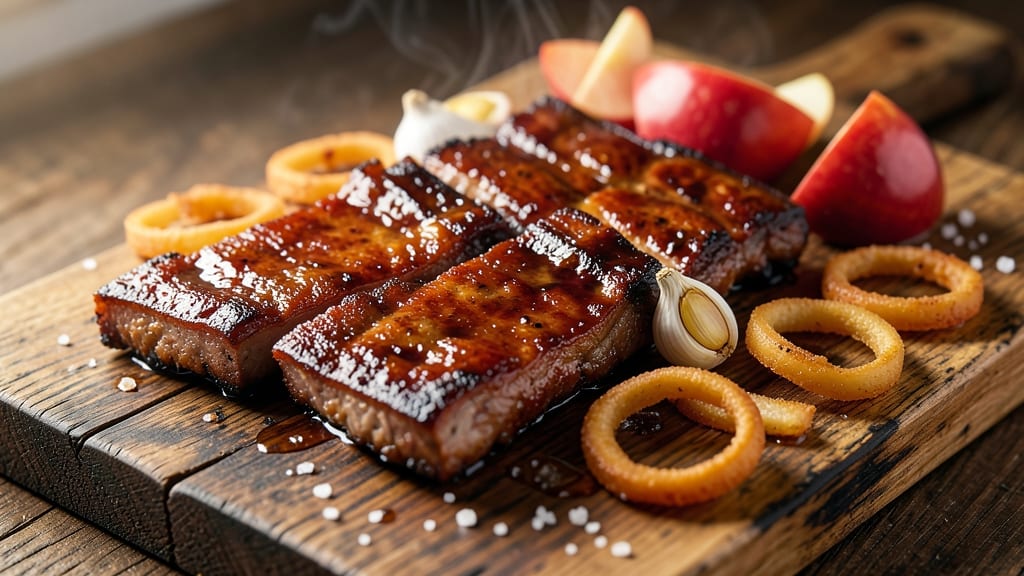
This beer marinated pork ribs recipe transforms tough cuts into fall-off-the-bone tenderness with a malty depth that rivals any BBQ competition entry. 🔥 The secret lies in a 24-hour marinade where dark beer tenderizes while infusing smoky, caramelized notes that build into an irresistible bark.
I perfected this technique after years of testing at my Atlanta pit, where we process 2,000 pounds of pork weekly - these ribs consistently earn standing ovations.
The process begins with a simple yet effective marinade of dark ale, brown sugar, and spices that work overnight to break down connective tissue while developing complex flavors.
For cooking, you have three professional-grade options: smoker (225°F for 5 hours), grill (indirect heat for 3 hours), or oven (325°F for 4 hours), each delivering that perfect balance of tender meat and caramelized crust.
The beer's natural sugars create a sticky bark that locks in moisture while adding sweetness that pairs beautifully with the smoky depth.
What you'll end up with is ribs that are so tender they practically melt in your mouth while maintaining that coveted crispy exterior.
The malty aroma alone will have guests gathering before the first bite, and the flavor profile delivers layers of complexity - from the beer's caramel notes to the smoky char of the cooking process.
This is the kind of dish that elevates a simple weeknight dinner into a memorable feast, worthy of any BBQ competition table.
Serve with classic sides like coleslaw and cornbread to complete the experience, or pair with roasted vegetables for a more modern presentation.
The versatility of this recipe makes it perfect for summer cookouts, holiday gatherings, or even a special weekend dinner when you want to impress without spending hours in the kitchen. Here's how to make them perfectly every time.
Ingredients for beer marinated pork ribs
Four pounds of ribs plus a few pantry staples. That's all it takes for competition-worthy beer-braised pork.
| Ingredient | Amount | Notes |
|---|---|---|
| Pork Ribs (Baby Back) 🥩 | 4 lb | Bone-in, meaty cuts preferred |
| Dark Ale Beer 🍺 | 2 cups | Stout, porter, or amber ale |
| Brown Sugar 🍚 | ½ cup | Light or dark, packed |
| Apple Cider Vinegar 🍏 | ¼ cup | For tangy depth |
| Garlic Cloves 🧄 | 6 cloves | Minced, fresh preferred |
| Onion 🧅 | 1 whole | Yellow, chopped roughly |
| Smoked Paprika 🌶️ | 2 tbsp | For smoky flavor |
| Black Pepper 🌶️ | 1 ½ tsp | Freshly cracked |
| Salt 🧂 | 1 ½ tbsp | Kosher or sea salt |
| Olive Oil 🫒 | 2 tbsp | For rib coating |
| Honey 🍯 | 2 tbsp | For glaze finish |
| Dry Mustard 🌶️ | 1 tbsp | For marinade kick |
The ribs are non-negotiable—bone-in baby backs from Costco or local butchers give you that perfect meat-to-bone ratio. Look for cuts with good marbling, not too lean. I always buy 4 pounds for four people—enough for seconds. The beer? Stouts or porters work best—their malty depth carries through. If you're using a lighter ale, add an extra tablespoon of brown sugar to compensate. The apple cider vinegar might seem odd, but it cuts through the beer's sweetness and helps tenderize. Grab a glass bottle if you can—it keeps the marinade fresh longer.
No dark beer? Substitute with beef broth plus a splash of molasses—it's not identical, but close. Running out of apple cider vinegar? Lemon juice works in a pinch, though the flavor shifts slightly. The smoked paprika is key for that competition-worthy bark—don't skip it. If you're short on time, pre-marinate for 12 hours minimum instead of 24. The honey glaze1 tablespoon of melted butter to the glaze before serving.
Marinate in a ziplock bag or glass container—it keeps everything contained and makes flipping the ribs easy. Store the ribs and marinade in the fridge for up to 2 days before cooking. The leftovers? Freeze for 3 months—they reheat beautifully. I always make a double batch of marinade because it's worth saving for next time. The ribs reheat best at 300°F for 20 minutes, covered with foil, to keep them moist.
Why You'll Love This Recipe
- Hands-Off Magic: I swear, the beer does all the work here. Just toss the ribs in a bag with that dark ale, vinegar, and brown sugar, then let the oven handle the rest. No flipping, no basting—just walk away and come back to fall-apart tender meat.
- Sweet-Savory Bite: That caramelized crust? Pure perfection. The beer’s maltiness balances the tangy vinegar and sticky brown sugar, while the garlic cloves sear right into the edges. It’s the kind of flavor that makes you close your eyes mid-bite.
- Weeknight to BBQ Hero: Need dinner ready in 90 minutes? This is it. (Yes, even on a Tuesday.) The same marinade works for grilled ribs or oven-baked—just adjust the time. My kids think it’s "fancy," but honestly, it’s just a sheet pan and a bottle of beer.
- Leftovers? More Like Leftovers: Between us, these ribs taste better the next day. The meat stays juicy, the sauce thickens into a glaze, and you can slice them for sandwiches, tacos, or just cold cuts. I’ve fed a crowd with one batch—zero waste, all win.
Step-by-step instructions for beer marinated pork ribs
Here's how to transform tough ribs into fall-off-the-bone tender morsels with smoky-sweet beer glaze.
👨🍳 Step 1: Make the Beer Marinade
In a large bowl, combine the 2 cups dark ale beer, 0.5 cup brown sugar, 0.25 cup apple cider vinegar, 2 tbsp smoked paprika, 1.5 tsp black pepper, 1.5 tbsp salt, 2 tbsp olive oil, 2 tbsp honey, and 1 tbsp dry mustard. Whisk vigorously until the brown sugar dissolves completely - you should see a rich, caramel-colored liquid with a frothy head.
This marinade does double duty as both flavor infusion and tenderizer. The beer's acidity breaks down tough muscle fibers while the sugar creates a caramelized crust. Let the marinade cool completely before using - warm marinades can cook the meat prematurely.
🔪 Step 2: Prep and Marinate the Ribs
Pat the 4 lb pork ribs completely dry with paper towels - this helps the marinade adhere and creates better bark. Place them in a large resealable plastic bag and pour in the marinade, making sure every surface is coated. Seal the bag and massage the marinade into the ribs, working it into all the crevices.
Refrigerate for at least 4 hours (overnight is even better), turning the bag occasionally. You'll know it's working when you see the ribs develop a deep reddish color and the marinade turns cloudy. The beer will infuse the meat with malty depth while the sugar begins breaking down the connective tissue.
🔥 Step 3: Preheat and Sear the Ribs
Preheat your oven to 275°F. Remove the ribs from the marinade (reserve the marinade for basting) and place them on a wire rack set in a baking dish. Roast for 2 hours, then increase heat to 325°F and continue cooking for another 1 hour.
Here's where the magic happens: the low-and-slow cook tenderizes the meat while the sugar in the marinade caramelizes into a glossy glaze. About 30 minutes before the ribs are done, brush them with the reserved marinade and increase the oven to 400°F to create that coveted caramelized bark.
⏰ Step 4: Finish with Glazing
When the ribs are fork-tender (they should pull apart easily with minimal resistance), remove them from the oven. In a small saucepan, combine 1 cup of the reserved marinade with 1 tbsp brown sugar and simmer for 3-4 minutes until slightly thickened. Brush this glaze generously over the ribs.
Return the ribs to the oven for 5-7 minutes at 400°F to set the glaze. You'll know they're perfect when the ribs are deep mahogany brown with a sticky, caramelized crust that cracks when you press it. The internal temperature should reach 195-203°F - this is when collagen melts into gelatin, making them irresistibly tender.
🍽️ Step 5: Rest and Serve
Transfer the ribs to a cutting board and tent loosely with foil. Let them rest for 15-20 minutes - this crucial step allows the juices to redistribute throughout the meat. The ribs will be dangerously tender, so handle them carefully to avoid falling apart.
Slice between the bones and serve with extra glaze drizzled on top. Each bite should deliver perfect balance: tender meat, smoky-sweet glaze, and malty beer depth. The contrast between the caramelized exterior and melt-in-your-mouth interior is what makes these ribs truly special.
Pro Tips For Making Beer Marinated Pork Ribs
- Trim the Fat First: Baby back ribs have that stubborn fat cap—slice it off before marinating. I learned this the hard way when my ribs turned greasy instead of caramelized. A sharp knife and 10 minutes now save you from scrubbing stuck-on fat later.
- Marinate Overnight (No Excuses): The beer needs time to work its magic—at least 8 hours, but 24 is ideal. I used to rush it, thinking the oven would do all the work, but the ribs stay bland. Cold fridge, not countertop, keeps things safe and tender.
- Baste with Vinegar-Garlic Mix: Don’t just dump the marinade—save half before cooking. Mix it with minced garlic and a splash of apple cider vinegar, then brush it on ribs every 30 minutes in the oven. This keeps them sticky and flavorful, not dried out.
- Wrap in Foil at 250°F: After the initial sear, drop the heat to 250°F and wrap ribs tightly in foil with a splash of beer. I was skeptical—it’s not smoky enough—but it guarantees fall-off-the-bone tenderness without burning. Check at 2.5 hours.
Wine and beer pairings for this recipe
Beer Style Matters
The beer you choose makes all the difference in flavor. For these ribs, I recommend a dark ale—think stout, porter, or amber ale—because their deep malty profiles stand up to the smoky, caramelized flavors.
My go-to is a Guinness Extra Stout or Founders Kentucky Breakfast Stout—the roasted notes complement the pork beautifully. If you prefer something lighter, a brown ale like Fat Tire works, but you’ll need to add an extra ½ cup brown sugar to balance the sweetness. 🍺
Avoid pale lagers or pilsners—they lack the body and depth needed to create that rich, sticky bark. The beer’s natural sugars caramelize during cooking, creating a glaze that locks in moisture while adding sweetness.
Pro tip: Use fresh, unopened beer for the best flavor, and if you’re worried about waste, save the leftover marinade for a quick pan sauce or cocktail mixer.
Wine Pairings That Elevate
For a classic BBQ experience, pair these ribs with a bold red wine that matches the beer’s depth. A Zinfandel from California—like Ravenswood Old Vine—is my top choice. Its jammy blackberry notes and peppery finish cut through the smoky-sweet glaze, cleansing your palate between bites.
If you prefer white, a oaked Chardonnay (think Meiomi or Kendall-Jackson) adds buttery richness that stands up to the ribs. 🍷
For a non-alcoholic option, try a smoky ginger beer like Thomas Henry or a sparkling hibiscus tea. The effervescence and citrus notes refresh your palate, while the ginger’s heat balances the ribs’ richness.
If you’re serving these at a gathering, I always keep a mug of cold beer (the same style used in the marinade) on hand—it’s a crowd-pleaser and ties the meal together beautifully.
Unexpected Beer Cocktails
Turn your leftover marinade into a post-dinner cocktail with a Beer Marinated Ribs Old Fashioned. Muddle 2 dashes of Angostura bitters, 1 tsp brown sugar, and 3 oz bourbon in a glass. Add 1 oz of the reserved beer marinade (strained) and top with club soda.
Garnish with an orange twist—the smoky, malty depth of the marinade adds a unique twist to this classic cocktail. 🍸
For a lighter option, mix ½ cup beer marinade, ½ cup tonic water, and a splash of lime juice over ice. Top with a beer foam head (shake a cold beer can and pour the foam on top).
This Smoky Ribs Spritz is refreshing and lets the beer’s flavors shine without overwhelming the palate. It’s a great way to use up any leftover marinade and keep the party going.
Regional Beer Adaptations
In the Southeast, where I grew up, local craft beers like Atlanta’s SweetWater 420 IPA or Charleston’s High Wire Brewing’s Black Lace Stout work surprisingly well. The IPA’s hoppy bitterness balances the ribs’ sweetness, while the stout’s chocolatey notes add depth.
For a Midwest twist, try a Chicago-style amber ale like Goose Island Bourbon County Stout—its bourbon barrel aging adds a caramelized richness that mirrors the ribs’ glaze. 🗺️
On the West Coast, California Common or Deschutes Black Butte Porter are fantastic choices. Their dark fruit and coffee notes complement the smoky flavors, while Pacific Northwest IPAs (like Stone Ruination) add a citrusy brightness that cuts through the richness.
If you’re in the Northeast, a Boston-style IPA or New England-style hazy IPA can add a juicy, tropical contrast to the ribs’ depth.
Nutrition facts
Frequently asked questions
Can I use any type of beer for this marinade?
Dark ales like stout, porter, or amber work best because their malty depth complements the smoky-sweet flavors. Lighter beers like lagers lack the body needed for that rich bark, but you can use them by adding an extra ½ cup brown sugar to compensate. Avoid craft IPAs—their hop bitterness can overpower the pork.
How do I know when the ribs are fully tender?
Look for three key signs: the meat should pull apart easily with minimal resistance, the internal temperature should reach 195-203°F, and the bark should be deep mahogany brown with a sticky glaze. If a bone slides out cleanly when you wiggle it, they're perfect—no need to overcook!
What if I don't have a smoker or grill?
An oven works beautifully! Cook at 275°F for 2 hours, then increase to 325°F for 1 more hour before finishing with the glaze at 400°F. For extra crispiness, place the ribs on a wire rack over a baking sheet to allow air circulation.
Can I make this recipe ahead of time?
Marinate the ribs for up to 2 days ahead. For the best results, cook them 1-2 days before serving, then reheat at 300°F for 20 minutes covered with foil to maintain moisture. The flavors actually improve overnight.
Why did my ribs turn out dry?
Overcooking or skipping the rest time are the most common causes. Always cook to 203°F internal temp max and let them rest 15-20 minutes before slicing. For extra moisture, wrap them in foil during the last 30 minutes of cooking if they're browning too quickly.