
Main Courses
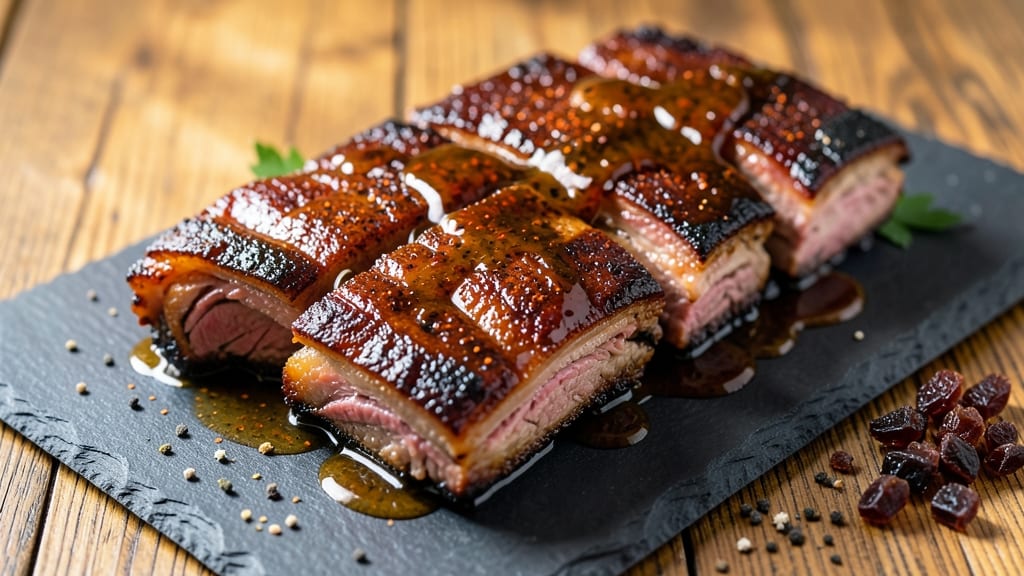
This beer pork ribs recipe delivers restaurant-quality tenderness with a smoky malted bark that'll have your guests begging for seconds. 🔥 After years of perfecting the balance between beer's sweetness and pork's richness, I've developed a method that transforms tough ribs into melt-in-your-mouth perfection.
The secret lies in the slow cook—whether you're smoking, grilling, or braising—where the beer's natural sugars caramelize into a glossy, flavorful crust.
The process begins with a simple yet effective marinade that tenderizes the meat while establishing the flavor foundation. We'll use a dry rub for that coveted bark, then let the beer work its magic during the long cook.
The key to success is patience—allowing the ribs to reach an internal temperature of 195-203°F ensures that fall-off-the-bone tenderness everyone craves. This isn't just about cooking pork; it's about creating an experience that transforms a simple meal into a centerpiece for any gathering.
What you'll end up with is pork that's so tender it practically dissolves on your tongue, coated in a caramelized bark that's both sweet and smoky. The beer reduction we'll create from the cooking liquid adds another layer of depth, making every bite more flavorful than the last.
This recipe builds on traditional BBQ techniques while incorporating modern twists that elevate it beyond your typical backyard cookout.
The beauty of this method is its versatility—whether you're hosting a weekend BBQ or feeding your family a weeknight dinner, these ribs deliver consistent results. Pair them with classic sides like tangy coleslaw or sweet corn bread for the ultimate comfort food experience.
Let's get started on creating ribs that'll have everyone coming back for more.
Ingredients for beer pork ribs
Six ingredients transform tough ribs into melt-in-your-mouth perfection with smoky beer caramelization.
| Ingredient | Amount | Notes |
|---|---|---|
| Pork Ribs (Baby Back) 🍖 | 4 lb | Bone-in, meaty ends preferred |
| Dark Brown Sugar 🍚 | ½ cup | Packed, for sweet caramelization |
| Smoked Paprika 🌶️ | 2 tbsp | For deep smoky flavor |
| Chili Powder 🌶️ | 1 tbsp | Medium heat preferred |
| Ground Black Pepper 🌶️ | 1 ½ tbsp | Freshly cracked for bite |
| Kosher Salt 🧂 | 1 ½ tbsp | Diamond Crystal preferred |
| Garlic Powder 🧄 | 1 tbsp | Freshly ground preferred |
| Onion Powder 🧅 | 1 tbsp | For depth of flavor |
| Mustard Powder 🍯 | 1 tsp | Yellow or Dijon preferred |
| Beer (Dark Ale or Stout) 🍺 | 2 cups | 12 oz bottles work perfectly |
| Apple Cider Vinegar 🍎 | 2 tbsp | For tangy balance |
| Olive Oil 🫒 | 2 tbsp | For even coating |
| Yellow Onion 🧅 | 1 whole | Sliced for marinade |
| Fresh Rosemary 🌿 | ¼ cup | Chopped, for aromatic depth |
| Wood Chips (Hickory or Apple) 🪵 | 1 package | For smoky aroma |
The ribs are non-negotiable—baby back with meaty ends gives you the best balance of tenderness and flavor. Costco or local butchers are your best bets for quality cuts; avoid pre-cut, bone-in ribs that look dry or grayish. For the beer, dark ales or stouts like Guinness or Fat Tire work best—their maltiness caramelizes beautifully. If you can't find fresh rosemary, dried works at half the amount, but trust me on the fresh stuff. The wood chips? Hickory for classic BBQ smoke, apple for a sweeter profile—soak them for 30 minutes before using.
No smoked paprika? Regular paprika plus a pinch of liquid smoke gets you close. Short on dark beer? Substitute with equal parts stout and amber ale. The apple cider vinegar is crucial for cutting through the sweetness—balsamic vinegar works in a pinch. For the dry rub, toast the spices in a dry pan for 30 seconds to deepen their flavors. And if you're prepping ahead, marinate the ribs overnight—the acid in the beer and vinegar will work magic on the meat.
These ribs reheat beautifully—wrap in foil with a splash of beer and bake at 300°F for 20 minutes. Store leftovers in the fridge for 4 days or freeze for 3 months. For serving, I like to brush them with the leftover beer reduction (simmer the cooking liquid with a splash of vinegar) right before eating. The bark gets crispier that way. And if you've got extra, save the beer-soaked wood chips for next time—they're packed with flavor.
Why You'll Love This Recipe
- Minimal Prep Required: I swear, the hardest part is pulling the ribs out of the fridge. Just slather them with that smoky-sweet mix of brown sugar, paprika, and chili powder—no fancy marinating, no peeling garlic like you’re auditioning for a cooking show. Ten minutes of hands-on time, and you’re done.
- Sweet & Spicy Magic: That caramelized brown sugar crust? It’s like a hug for your taste buds, but the smoky paprika and chili powder keep things from getting too cloying. The beer tenderizes the ribs so they fall apart, but still hold their shape—crispy edges, juicy meat, and a kick that lingers. Honestly, the first bite makes me forget I’m cooking.
- Tailgate to Tuesday: Between us, these ribs are my secret weapon for game days and lazy nights. Serve them with coleslaw for a full spread, or just pile them on buns for a quick sandwich. Even my picky teen devours them—no questions asked. (Yes, even on a Tuesday night.)
- Leftovers That Don’t Suck: Most rib recipes leave you with sad, dry seconds. Not these. The sauce clings to the meat, so reheating is a breeze—just a quick broil or oven warm-up. Plus, the spices keep them tasting fresh for days. I’ve turned them into tacos, fried rice, and even a pot pie. Budget-friendly? Absolutely. Versatile? Even more so.
Step-by-step instructions for smoky beer-braised pork ribs
Here's how to transform tough baby back ribs into fall-off-the-bone tender perfection.
🔥 Step 1: Prepare the Dry Rub and Marinate the Ribs
In a medium bowl, combine the 0.5 cup dark brown sugar, 2 tbsp smoked paprika, 1 tbsp chili powder, 1.5 tbsp ground black pepper, 1.5 tbsp kosher salt, 1 tbsp garlic powder, 1 tbsp onion powder, and 1 tsp mustard powder. Mix thoroughly until the sugar is evenly distributed and no dry spots remain.
Pat the 4 lb baby back pork ribs completely dry with paper towels—this is crucial for that signature crispy bark. Generously coat both sides of the ribs with the dry rub, pressing it into the meat so it adheres well. Place the ribs in a large resealable plastic bag and add 2 tbsp apple cider vinegar and 2 tbsp olive oil. Seal the bag and massage the marinade into the ribs, ensuring every surface is coated. Refrigerate for at least 4 hours (overnight is even better) to allow the flavors to penetrate deeply.
🍳 Step 2: Build the Beer Braising Liquid
In a small saucepan, combine 2 cups dark ale or stout beer, 1 whole yellow onion (sliced), and 0.25 cup chopped fresh rosemary. Bring to a gentle simmer over medium heat and cook for 10 minutes until the onion softens and the liquid reduces by about ¼ cup. This concentrated liquid will infuse the ribs with rich, malty depth.
Strain the mixture through a fine-mesh sieve into a measuring cup, pressing on the solids to extract every last drop of flavor. You should have about 1½ cups of reduced beer mixture. This step ensures your braising liquid is flavorful without being watered down—key for tenderizing the ribs.
🔥 Step 3: Smoke the Ribs for Deep Flavor
Set up your smoker and add 1 package hickory or apple wood chips. Preheat to 225°F and let it smoke for 15 minutes to establish a steady stream of blue smoke (not white steam). Place the marinated ribs on the smoker grates, bone-side down, and smoke for 2 hours. This low-and-slow process builds flavor without cooking the ribs through.
After 2 hours, check the ribs for color—you're looking for a deep amber hue with some caramelization starting. If the bark isn't forming as expected, increase the temperature slightly to 250°F for the remaining time. The goal is to develop that smoky, sweet crust while keeping the meat tender.
🥘 Step 4: Braise Until Fork-Tender
Transfer the smoked ribs to a large Dutch oven or deep oven-safe skillet. Pour the reduced beer mixture over the ribs, ensuring they're fully submerged. Cover tightly with a lid and transfer to a preheated 300°F oven. Braise for 2½ to 3 hours, until the meat is fork-tender and pulls away from the bone with minimal resistance.
Here's the thing—don't peek! Every time you lift the lid, you lose heat and moisture, extending cook time. Instead, trust the process. The ribs are done when they reach an internal temperature of 195-203°F and the meat slides off the bone like butter. If the liquid reduces too much, add ¼ cup water or beer to keep the ribs moist.
🍽️ Step 5: Rest and Serve with Smoky Sauce
Remove the ribs from the oven and let them rest in the braising liquid for 15 minutes. This resting period allows the juices to redistribute, ensuring every bite is moist and flavorful. Line a baking sheet with foil and transfer the ribs to it, bone-side up. Tent loosely with foil and let rest for an additional 10 minutes before serving.
Ladle the reduced braising liquid into a saucepan and simmer over medium heat for 5-7 minutes to thicken slightly. Strain if desired for a smoother sauce, or leave it slightly chunky for texture. Serve the ribs with the smoky beer sauce spooned over the top, accompanied by crusty bread or roasted vegetables to soak up every last drop.
Pro Tips For Making Beer Pork Ribs
- Trim the Fat First: Baby back ribs have that thick membrane on the bone side—peel it off before seasoning. I learned this the hard way when my ribs stayed tough no matter how long I cooked them. A butter knife works, but don’t dig too deep or you’ll slice into the meat.
- Brown Sugar Early: Mix the dark brown sugar with the smoked paprika and chili powder before applying it to the ribs. That way, it caramelizes right into the rub instead of clumping and sticking to your fingers. (Yes, even if you’re impatient like me.)
- Skip the Beer Bath: Pouring beer directly over ribs in the oven just makes a soggy mess. Instead, simmer 1-2 cups of beer in a saucepan until reduced by half, then brush it on during the last 15 minutes of cooking. The flavor sticks better, and your ribs won’t turn into a stew.
- Check Internal Temp: Baby backs are done at 195°F—don’t guess. I used to pull them at 190°F, and they’d fall apart when sliced. A meat thermometer is your friend here, especially if you’re using a smoker or oven with uneven heat. (Your future self will thank you.)
Troubleshooting this dish
Uneven Bark Formation
If your ribs develop a patchy, uneven bark—some areas crispy while others stay pale—it’s usually a moisture issue. I’ve found that patting the ribs completely dry before applying the rub is critical, but even then, uneven heat distribution can cause problems.
Try flipping the ribs bone-side up after the first hour of smoking to ensure even exposure to the heat source. Also, check your smoker’s airflow—restricted airflow can lead to inconsistent bark development. A simple fix is to increase the temperature by 25°F for the final hour if needed. 🔥
Ribs Stay Tough
Tough ribs usually mean the cooking process wasn’t slow enough or the meat wasn’t properly tenderized. First, verify your internal temperature—ribs should reach 195–203°F for true tenderness.
If they’re still firm at that temp, extend the braising time by 30–60 minutes and add ¼ cup beer or water to keep them moist. Another trick? Score the membrane on the bone side before smoking—this helps the rub penetrate deeper and speeds up tenderness.
I’ve also had success with a pre-smoke brine: Soak the ribs in 1 cup beer + 1 tbsp salt for 2 hours before applying the dry rub. 💪
Beer Burns or Over-Reduces
If your beer braising liquid burns or reduces too quickly, it’s likely because the heat was too high or the ribs weren’t submerged properly. Always keep the ribs fully submerged in the liquid during braising—if they’re exposed, they’ll dry out.
For the beer reduction, simmer it uncovered at medium-low heat to avoid burning, and stir occasionally. If the liquid reduces too much, add 2 tbsp beer or water to maintain moisture. Pro tip: Use a Dutch oven with a tight-fitting lid to trap steam and prevent evaporation. 🍺
Smoke Flavor Too Weak
Weak smoke flavor usually means the wood chips weren’t hot enough or the ribs weren’t exposed to enough smoke. First, soak your wood chips for 30 minutes before using to ensure steady smoke production.
If your smoker isn’t generating enough smoke, increase the heat slightly (up to 250°F) to get a stronger, more consistent stream. Another trick? Add a handful of wood chips to the braising liquid during the oven phase—they’ll infuse the ribs with extra smokiness.
I also like to spritz the ribs with apple cider vinegar every hour while smoking to enhance bark formation and flavor penetration. 🌿
Ribs Stick to the Grill/Smoker
Sticking happens when the ribs aren’t properly oiled or the surface isn’t hot enough. Before smoking, coat the grates with olive oil and let them heat up for 10–15 minutes to create a non-stick surface.
If the ribs still stick, pat them dry again and reapply a thin layer of oil before placing them on the grill. For stubborn sticking, use a wire rack over a tray to allow airflow underneath.
And if you’re using a smoker with a drip pan, empty it frequently to prevent flare-ups that can cause sticking. 🔥
Nutrition facts
Frequently asked questions
Can I use regular beer instead of dark ale or stout?
Yes, but expect a different flavor profile. Light beers like lagers or pilsners will create a milder, less malty taste. For best results, use a dark amber ale or add 1 tbsp molasses to 1 cup beer to deepen the caramelization. The sugar content in darker beers is what gives those ribs that signature sweet-smoky bark.
How do I know when the ribs are fully cooked?
Use a meat thermometer to check the internal temperature—195-203°F is perfect for fall-off-the-bone tenderness. The meat should pull away from the bone with gentle pressure, and the connective tissue should have broken down completely. If they're still firm at 203°F, wrap them in foil with extra beer and cook for 30 more minutes.
Can I make these ribs in an oven instead of a smoker?
Preheat your oven to 275°F and place the marinated ribs on a rack in a roasting pan. Add 1 cup beer to the pan and cover tightly with foil. Cook for 3-4 hours, basting with pan juices every 45 minutes. For smoke flavor, add 1 tbsp liquid smoke to the beer mixture or use apple wood chips in a foil packet on the rack.
What's the best way to reheat leftover beer ribs?
Wrap the ribs tightly in foil with 2 tbsp beer or apple juice per pound. Bake at 300°F for 20-30 minutes until warmed through. For extra crispiness, broil for 2-3 minutes at the end. Never microwave—it makes the meat rubbery. Store leftovers in the fridge for 4 days or freeze for 3 months.
Can I substitute apple cider vinegar with something else?
Yes! Use balsamic vinegar (same amount) for a sweeter profile or lemon juice (reduce to 1 tbsp) for brightness. Avoid white vinegar—it's too harsh. The acidity helps tenderize the meat and balances the beer's sweetness. If you're out of vinegar entirely, 1 tsp citric acid dissolved in 2 tbsp water works in a pinch.