
Sauces & Condiments
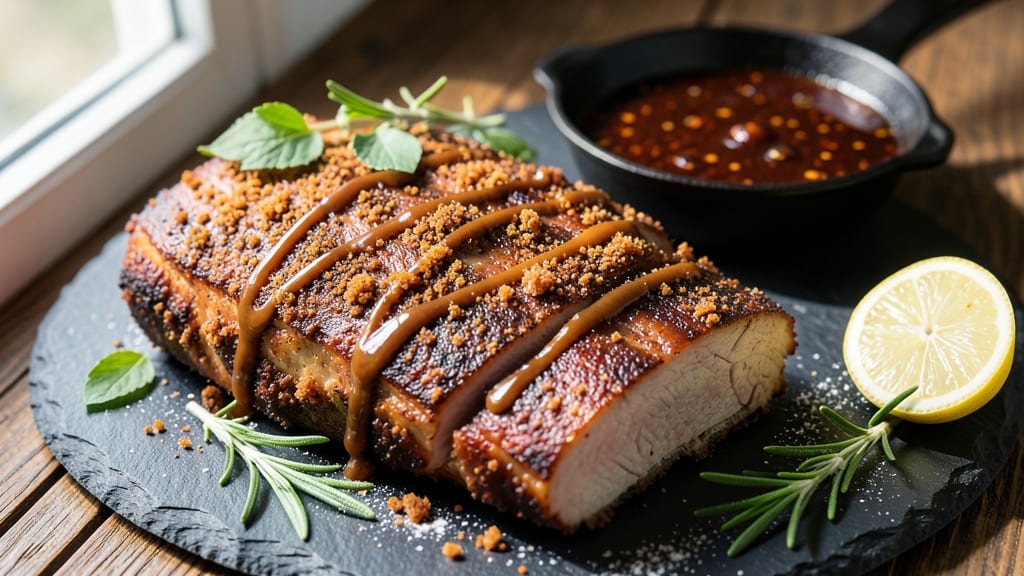
This BBQ pork tenderloin rub delivers perfect bark every time—smoky, sweet, and deeply flavorful without overpowering the natural tenderness of the meat. 🔥 I developed it after years of perfecting my pitmaster technique, blending classic BBQ spices with just the right touch of brown sugar for that signature caramelized crust.
The secret lies in balancing heat and sweetness, creating a rub that transforms simple pork into something extraordinary.
The blend is simple but powerful: coarse brown sugar, smoked paprika, garlic powder, onion powder, black pepper, and a pinch of cayenne for subtle heat.
What makes this rub special is how it develops during the cooking process—starting with a dry application that clings to the meat, then forming that coveted bark as it cooks. Unlike marinades that can make pork soggy, this dry rub enhances the natural juiciness while building that irresistible crust.
By the time your pork tenderloin comes off the grill or smoker, you'll have tender meat with a crispy, flavorful exterior that's impossible to resist. The rub's sweetness caramelizes beautifully, creating pockets of smoky-sweet flavor that pair perfectly with the juicy interior.
This is the kind of seasoning blend that turns a simple weeknight meal into a showstopper.
Apply it generously 30 minutes before cooking to let the spices adhere, then let the grill or smoker work its magic. The result? Pork that's so flavorful, it'll have everyone asking for seconds. Ready to elevate your pork game? Let's get started with this foolproof blend.
Ingredients for bbq pork tenderloin rub
Nine simple ingredients that transform pork into smoky-sweet perfection every time.
| Ingredient | Amount | Notes |
|---|---|---|
| Coarse Brown Sugar 🍚 | ½ cup | Lightly packed for even coating |
| Smoked Paprika 🌶️ | 2 tbsp | High-quality for authentic smokiness |
| Garlic Powder 🧄 | 1 tbsp | Freshly ground preferred |
| Onion Powder 🧅 | 1 tbsp | For balanced depth |
| Black Pepper 🌶️ | 1 tsp | Freshly cracked for intensity |
| Cayenne Pepper 🔥 | ½ tsp | Adjust for desired heat |
| Ground Black Pepper 🌶️ | ½ tsp | Doubles up on peppery notes |
| Kosher Salt 🧂 | 1 tsp | Diamond Crystal preferred |
| Mustard Powder 🌿 | ½ tsp | For subtle tang |
The brown sugar is non-negotiable—coarse texture clings better than fine, and Light & Fit from Whole Foods or Domino are my go-tos. Smoked paprika? Penzeys or Trader Joe's bulk bins have the best quality. I always buy extra because once you open these spices, they lose punch fast. The cayenne can be skipped if you're sensitive to heat, but that half-teaspoon is what gives this rub its signature depth. Pro tip: Toast the spices in a dry pan for 30 seconds before mixing—they'll smell incredible and taste even better.
No smoked paprika? Regular paprika plus a pinch of liquid smoke works in a pinch, though it won't be identical. Mustard powder missing? Dijon mustard at half the amount adds tang without overpowering. For extra smokiness, swap half the brown sugar for maple syrup—it caramelizes beautifully. Store-bought rubs? Please. This blend costs pennies to make and tastes like it came from a pitmaster's secret stash. The key is balancing sweet, smoky, and spicy—trust the proportions, and you can't go wrong.
Keep this dry rub in an airtight container for up to 6 months—it gets better with age as the flavors meld. I double the batch and split it between two jars so I always have fresh rub on hand. The spices will lose potency after that, so don't hoard it forever. For best results, apply the rub 30 minutes before cooking—this gives it time to cling to the meat. If you're using it on chicken or salmon, cut the cayenne in half so you don't overpower the delicate flavors.
Why You'll Love This Recipe
- Five-Ingredient Magic: That’s it—just five pantry staples, no fancy prep. I toss the spices right on the raw pork, slap it in the oven, and walk away. No chopping, no marinating overnight, just pure, smoky-sweet payoff.
- Smoky-Sweet Obsession: Honestly, the coarse brown sugar caramelizes into this sticky, crispy crust while the smoked paprika adds depth that lingers. That first bite? The kind that makes you reach for the whole pan.
- Tailgate to Tuesday: Between us, this rub works for everything—grilling at the park, slow-cooking for a crowd, or throwing in the air fryer on a lazy night. (Yes, even on a Tuesday night when you’re too tired to care.)
- Leftovers That Win: The pork stays juicy for days, and the rub’s bold flavors only get better reheated. I double the batch just to have it on hand—because nothing says “I’m a good host” like effortless, crave-worthy leftovers.
Step-by-step instructions for smoky-sweet BBQ pork tenderloin rub
Here's how to mix this flavor-packed blend that delivers crispy bark and juicy tenderness.
👨🍳 Step 1: Measure and Combine Dry Ingredients
Start by placing all the dry ingredients in a medium bowl. I like to use a whisk for this step—it helps break up any clumps in the coarse brown sugar right from the beginning. Add the 0.5 cup Coarse Brown Sugar first, then the 2 tbsp Smoked Paprika, 1 tbsp Garlic Powder, 1 tbsp Onion Powder, 1 tsp Black Pepper, 0.5 tsp Cayenne Pepper, and 0.5 tsp Ground Black Pepper.
This is where the magic begins. The smoked paprika gives that authentic BBQ smokiness, while the garlic and onion powders build depth. The cayenne adds just enough heat to wake up your taste buds, and the double dose of pepper ensures that bold, peppery kick we all love in BBQ rubs.
👨🍳 Step 2: Add Salt and Mustard Powder
Now sprinkle in the 1 tsp Kosher Salt and 0.5 tsp Mustard Powder. The salt is essential—it enhances all the other flavors and helps create that perfect bark on the pork. The mustard powder might seem like a small amount, but it adds a subtle tang that balances the sweetness and smokiness beautifully.
I always use Diamond Crystal kosher salt because it's coarser and dissolves more evenly. If you're using table salt, reduce it to about 0.75 tsp since it's finer and more concentrated. The mustard powder should be finely ground—it's not the same as mustard seeds, which would add texture rather than flavor.
🥘 Step 3: Whisk Until Evenly Distributed
Use the whisk to combine all the ingredients thoroughly. You're looking for a uniform color and texture—no more visible streaks of brown sugar or clumps of paprika. This step ensures every grain of pork gets the same flavor treatment, which is key for consistent results.
Give it a good 30 seconds of vigorous whisking. The mixture should look like a fine, dry powder with a rich, reddish-brown hue. If you're making this ahead of time, store it in an airtight container—it'll keep for up to 3 months, though I find it's best used within a couple of weeks for maximum flavor.
🔪 Step 4: Test and Adjust for Heat Preference
Taste a pinch of the rub to check the balance. You should notice the sweetness from the brown sugar, the smoky depth from the paprika, and a subtle heat from the cayenne. If it's too mild, add a tiny pinch more cayenne—start with just 0.125 tsp at a time to avoid overdoing it.
Real talk: The first time I made this, I accidentally doubled the cayenne and ended up with a spicy disaster. Now I always taste test first. The rub should be complex but harmonious—sweet, smoky, with just enough heat to make it interesting without being overwhelming.
Pro Tips For Making Bbq Pork Tenderloin Rub
- USE A MIXING BOWL, NOT YOUR HANDS: The coarse brown sugar clumps like crazy when wet—trust me, I’ve tried rubbing it in with my fingers and ended up with a sticky mess. Use a shallow bowl or even a zip-top bag to toss the pork tenderloin until every side is evenly coated. The sugar will stick better, and you won’t waste half of it clinging to your palms.
- SALT THE MEAT FIRST, THEN RUB: I used to slap on the rub and call it a day, but the pork always tasted flat. Start with a light coat of kosher salt (about ½ teaspoon per pound) 30 minutes before applying the rub—this seasons the surface and helps the spices adhere. The sugar in your rub will caramelize better, too, because the salt draws out just enough moisture.
- SEAR IT HOT AND FAST: Low and slow is great for pulled pork, but tenderloin needs a quick, high-heat sear to lock in juices. Get your pan screaming hot (medium-high to high) and sear the pork for 2-3 minutes per side before transferring to the oven or grill. If you linger, the outside will burn before the inside cooks—tenderloin’s small size means it’s done fast.
- LET IT REST—YES, EVEN FOR TENDERLOIN: I know, I know—you’re eager to slice into that golden crust. But tenderloin is deceptive; it finishes cooking while resting. Transfer it to a warm plate, tent loosely with foil, and let it sit for 5 minutes. Cutting too soon means dry, stringy meat. (And no, "just a minute" doesn’t count.)
Troubleshooting this recipe
Uneven Rub Distribution
If your rub isn't sticking properly to the pork, try patting the meat dry with paper towels first—moisture is the enemy of good adhesion. I also recommend applying the rub in thin layers, pressing it gently with your fingers to help it cling.
For extra grip, lightly spray the pork with olive oil before adding the rub, but don't overdo it—just enough to help the spices stick. 🌟
Bark Too Thin or Missing
The key to thick, crispy bark lies in cooking temperature and time. Maintain a steady 225-250°F in your smoker or grill, and cook the pork until it reaches an internal temperature of 145°F.
If your bark is thin, try increasing the sugar slightly to 0.6 cup next time, or cook it a bit longer. A spritz of apple cider vinegar during the last 15 minutes of cooking can also help the bark develop faster.
Overpowering Heat
If the cayenne is too intense, reduce it to ¼ tsp and replace the difference with mustard powder for tang without heat. I've also found that cooking the pork longer at lower temperatures helps mellow out the spice.
For extra insurance, balance the heat with a sweet glaze (like honey or maple syrup) brushed on during the last 10 minutes of cooking. This sweetens the bark while keeping the interior tender.
Pork Too Dry
Pork tenderloin can dry out quickly, so avoid cooking it past 145°F internal temperature. If you're worried about dryness, try brining the pork in ¼ cup kosher salt + 4 cups water for 30 minutes before applying the rub.
This keeps the meat juicy while still allowing the rub to develop that perfect bark. Also, let the pork rest for 10 minutes after cooking—this helps redistribute the juices.
Rub Clumping
Clumpy rubs happen when moisture gets in, so always store your rub in an airtight container with a silica gel packet to absorb any humidity. If your rub clumps during application, whisk it again with a dry rubber spatula to break up any lumps.
For extra insurance, sift the rub through a fine-mesh strainer before applying it to the pork. This ensures an even coat every time.
Uneven Cooking
Pork tenderloin can cook unevenly if it's not the same thickness all over. Trim any uneven edges before applying the rub, and consider butterflying the pork if it's particularly thick.
For even cooking, use a meat thermometer to check the thickest part. If one side cooks faster, rotate the pork 180 degrees halfway through cooking to ensure even bark development.
Nutrition facts
Frequently asked questions
Can I use this rub on chicken or other meats?
This versatile rub works beautifully on chicken thighs or breasts, though you may want to reduce the cayenne to ¼ tsp for milder flavors. For beef like flank steak, keep the same ratio but add ½ tsp more smoked paprika to enhance the smoky profile. Just remember that leaner meats like chicken breast may need a quick sear at high heat to prevent drying.
How do I store leftover rub?
Keep your rub in an airtight container with a silica gel packet to absorb moisture. It'll stay fresh for up to 6 months in a cool, dark place. For extra freshness, divide the rub into smaller containers so you're not opening it repeatedly. The spices will lose potency after that, so use it up or make a fresh batch when needed.
Can I make this rub spicier?
Yes! For extra heat, increase the cayenne to 1 tsp or add ½ tsp of crushed red pepper flakes. If you're sensitive to heat, replace the cayenne with an extra ½ tsp of mustard powder for tang without the burn. Always taste test before applying to your pork—start with a small amount to avoid overpowering the natural flavor.
What's the best way to apply the rub?
Pat the pork tenderloin completely dry with paper towels first—moisture prevents the rub from sticking. Then apply a generous coat, pressing it gently with your fingers. For extra adhesion, lightly spray the pork with olive oil before adding the rub. Let it sit for 30 minutes before cooking to allow the spices to penetrate the meat.
Can I substitute brown sugar for something else?
For a lower-sugar option, replace half the brown sugar with maple syrup or honey—just reduce the total to ¼ cup to maintain balance. If you're avoiding sugar entirely, swap it for 1 tbsp onion powder + 1 tbsp garlic powder to keep the rub flavorful. The sugar is key for that signature caramelized bark, so use it if you want that classic BBQ texture.