
Main Courses
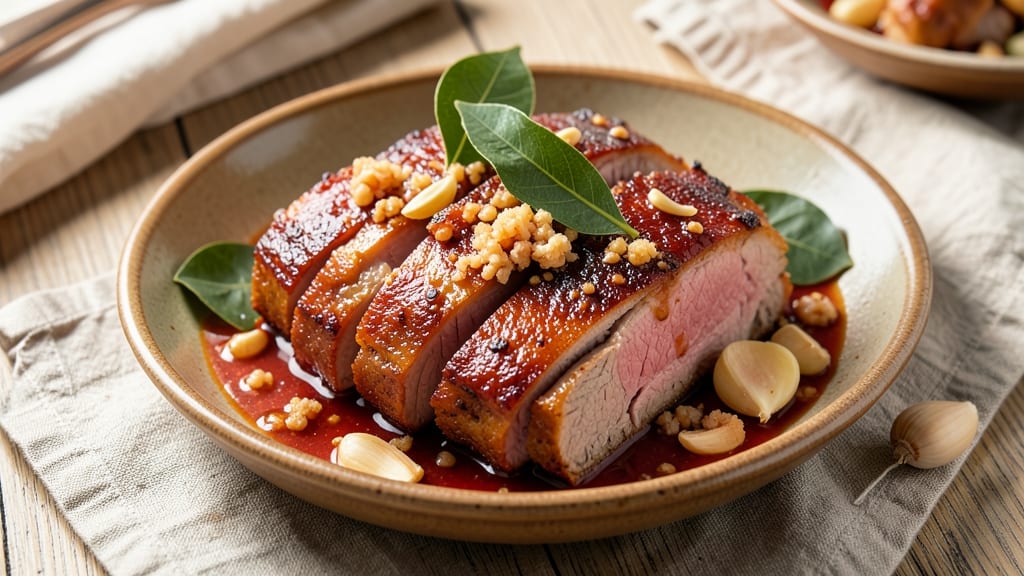
This Batangas pork adobo recipe delivers the crispy edges and deep, tangy richness that make it a Filipino classic. 🔥 After years of perfecting the balance between vinegar's sharpness and soy's umami depth, I've cracked the code for restaurant-quality results at home.
The secret lies in marinating the pork overnight, then slow-braising it until the edges crisp while the meat stays fork-tender. What sets this version apart is the use of Batangas vinegar—more robust than regular white vinegar—and a touch of shrimp paste for that unmistakable Filipino depth.
The sauce reduces to a glossy, slightly sticky glaze that coats every bite, with just enough heat from black pepper to keep things interesting. This isn't your typical adobo; it's a foolproof method that transforms tough pork shoulder into melt-in-your-mouth perfection.
By the time you're done, you'll have golden-brown pork with caramelized edges that shatter at the first bite, swimming in a sauce that's equal parts tangy, savory, and sweet. The aroma alone will have everyone gathering around the table—this is comfort food at its finest.
Serve it with steamed rice to soak up every last drop of that glorious sauce. The best part? This recipe scales beautifully for family gatherings or meal prep. Leftovers actually taste better the next day as the flavors meld even more. Let's get cooking—your taste buds will thank you.
Ingredients for batangas pork adobo
Six ingredients transform tough pork into melt-in-your-mouth perfection with crispy edges.
| Ingredient | Amount | Notes |
|---|---|---|
| Pork Shoulder 🥓 | 3 lb | Bone-in, cut into 2-inch chunks |
| Batangas Vinegar 🍶 | 1 ½ cups | Or substitute with white vinegar |
| Soy Sauce 🍶 | ½ cup | Use light soy for authentic flavor |
| Shrimp Paste 🦐 | 2 tbsp | Or substitute with 1 tbsp fish sauce |
| Garlic Cloves 🧄 | 8 cloves | Minced for marinade and sauce |
| Bay Leaves 🌿 | 2 whole | Dried for flavor infusion |
| Black Peppercorns 🌶️ | 1 tsp | Crushed for subtle heat |
| Brown Sugar 🍚 | ¼ cup | Packed for caramelization |
| Olive Oil 🫒 | 2 tbsp | For crispy pork edges |
| Water 💧 | 1 cup | For braising liquid |
| Green Onions 🧅 | 4 whole | Sliced for garnish |
| Salt 🧂 | 1 ½ tsp | Kosher or sea salt |
Batangas vinegar is the heart of this dish—find it at Asian markets or online if your local store doesn't carry it. The real magic happens with the pork: bone-in shoulder stays juicier than boneless cuts. If you can't get shrimp paste, fish sauce works in a pinch—just reduce the amount by half. The garlic should be fresh, not powdered—mince it yourself for the best flavor. I always double-check my vinegar's acidity; if it smells sharp and clean, you're good to go.
No shrimp paste? Fish sauce or even a dash of anchovy paste (if you're okay with that umami punch) works. The brown sugar caramelizes beautifully—pack it tightly when measuring. For a quicker version, use white sugar instead, but the flavor won't be as deep. The bay leaves add complexity, but if you're out, a pinch of cinnamon or cloves can stand in. And don't skip the olive oil—it's what creates those coveted crispy edges. Trust me on this one.
This dish gets better with time—plan ahead and marinate the pork overnight if possible. The sauce reduces to a glossy finish, so don't rush the braising. Leftovers keep for 5 days in the fridge, and the flavors only deepen. I always make extra because it reheats perfectly—just warm through with a splash of water to loosen the sauce. Serve it with steamed rice to soak up every last drop of that tangy, savory goodness.
Why You'll Love This Recipe
- Pantry Staples Only: I swear by this recipe because it uses what’s already in my cupboard—no fancy shopping trips. The Batangas vinegar’s sharp tang cuts through the pork’s richness, while the shrimp paste adds that unmistakable umami depth without extra effort.
- Crispy-Tender Magic: That first bite? The pork shoulder gets gloriously crispy edges while staying juicy inside, all thanks to the slow simmer with garlic and vinegar. It’s the kind of texture that makes you pause mid-bite—no sad, dry meat here.
- Leftover Goldmine: Between us, this dish tastes better the next day. I make a big batch on Sundays, and by Wednesday, the flavors have melded into something even more addictive. Reheat it, serve it cold, or toss it into rice—it’s always a win.
- Budget-Friendly Feast: Pork shoulder stretches across meals, and the ingredients cost next to nothing. Honestly, I’ve fed a table of six for under $15, and everyone’s left happy. The shrimp paste might sound fancy, but a little goes a long way.
Step-by-step instructions for Batangas pork adobo
Here's how to braise pork shoulder until it's fall-apart tender with crispy edges and rich, tangy sauce.
🔥 Step 1: Sear the Pork Shoulder for Depth of Flavor
Heat a large Dutch oven over medium-high heat and add the 2 tablespoons olive oil. Once shimmering, add the 3 lb pork shoulder in a single layer, working in batches if needed. Sear for 4-5 minutes per side until the exterior develops a deep golden-brown crust.
This step is non-negotiable—it locks in juices and builds flavor through the Maillard reaction. Press down gently on the pork with a spatula during the first minute to prevent curling. Once browned, remove the pork and set it aside on a plate.
🍳 Step 2: Build the Flavor Base in the Dutch Oven
In the same Dutch oven (no need to wipe it clean—those browned bits are pure flavor), add the 8 cloves minced garlic cloves and cook for 30 seconds until fragrant. Add the 2 tablespoons shrimp paste and stir vigorously for 1 minute—this releases its umami punch. Immediately pour in the 1.5 cups Batangas vinegar and scrape up all the browned bits from the bottom.
Add the 0.5 cup soy sauce, 1.5 teaspoons salt, and 1 teaspoon crushed black peppercorns. Stir well and let the mixture bubble for 2 minutes until it reduces slightly and the raw garlic smell disappears. Here's where the magic happens—this aromatic base will infuse the pork with layers of flavor.
🥘 Step 3: Braise Until Fork-Tender
Return the pork shoulder to the Dutch oven, fat-side up. Add the 1 cup water, 2 whole bay leaves, and 0.25 cup packed brown sugar. Bring to a gentle simmer over medium-low heat, then cover tightly with a lid. Reduce heat to low and braise for 2.5-3 hours until the pork is fork-tender.
Here's the thing—don't rush this. The pork needs time to break down collagen into gelatin, which creates that silky texture. Check for doneness by inserting a fork into the thickest part—it should slide in easily with no resistance. If the liquid reduces too quickly, add 2-3 tablespoons water every 30 minutes to maintain a gentle simmer.
🔥 Step 4: Caramelize the Sauce for Richness
Once the pork is tender, increase heat to medium-high and uncover the pot. Let the sauce reduce for 10-15 minutes until it thickens to a glossy consistency and develops a deep caramel color. You're looking for a sauce that coats the back of a spoon—this is where the sweetness from the brown sugar combines with the tangy vinegar to create that signature Batangas richness.
If the sauce reduces too quickly, add 1-2 tablespoons water to loosen it. The pork should be surrounded by a thick, syrupy sauce that clings beautifully to each bite. This is the moment that matters—the sauce should be balanced between sweet, salty, and tangy with a hint of umami from the shrimp paste.
🍽️ Step 5: Finish with Crispy Edges and Garnish
Transfer the pork to a cutting board and tent loosely with foil. Let it rest for 10 minutes while you finish the sauce. Skim off any excess fat from the sauce (if needed) and stir in the 4 whole sliced green onions. Discard the bay leaves. Return the sauce to a gentle simmer for 2 minutes to heat through.
Slice the pork against the grain into ½-inch thick pieces. Arrange on a serving platter and ladle the sauce generously over the top. The edges should be beautifully crispy from the initial sear, while the interior remains juicy and tender. Serve immediately with steamed rice—each bite delivers that perfect balance of crispy, tender, and richly flavored pork with a sauce that's tangy, sweet, and deeply savory.
Pro Tips For Making Batangas Pork Adobo
- CRANK THE HEAT FIRST: The first 5 minutes in a screaming-hot pan with a splash of oil—no, not just warm—will give you that deep, caramelized crust on the pork before the vinegar even hits. I used to simmer it gently and wondered why my adobo tasted one-dimensional. High heat. Seriously, crank it up.
- SMASH THE SHRIMP PASTE: Skip the "lightly toast" approach—mash that shrimp paste into a paste with the garlic first, then add oil. This way, it blends fully into the pork instead of clumping like sad, underused bits. (Yes, even if you’re impatient like me.)
- DON’T DROWN IT: Batangas vinegar is potent—start with half the amount called for, taste, then add more if needed. Too much vinegar turns your adobo into soup. I learned this the hard way when I doubled the recipe and ended up with a watery mess.
- USE THE FAT: After browning the pork, scrape up those crispy bits from the bottom of the pan and toss them into the pot with the vinegar and soy sauce. That’s flavor gold—don’t pour it down the drain. (Your future self will thank you.)
Dietary considerations for this dish
Gluten-Free Adaptations
This recipe is naturally gluten-free, but I always double-check soy sauce labels—some brands use wheat in processing. Opt for certified gluten-free soy sauce like Kikkoman Tamari or San-J Tamari to ensure safety. The shrimp paste and vinegar are inherently gluten-free, so no substitutions are needed there. 🌱
Dairy-Free & Vegan Options
For a dairy-free version, simply follow the original recipe—no dairy is used. For a vegan adaptation, replace the pork with extra-firm tofu or mushrooms (like king oyster) cut into thick slices.
Press the tofu for 30 minutes to remove excess water, then sear and braise as directed. The sauce will still cling beautifully to the vegan protein. 🌱
Lower-Carb Adjustments
To reduce carbs, skip the brown sugar entirely and use 1 tablespoon erythritol or monk fruit sweetener instead. The sauce will still caramelize slightly, though the sweetness will be more subtle.
For a keto-friendly version, replace the rice with cauliflower rice or shirataki noodles. The pork remains the star, and the tangy sauce pairs perfectly with these lower-carb options. 🥦
Allergen-Friendly Swaps
If shrimp paste is a concern, substitute with 1 tablespoon fish sauce (check for gluten-free certification) or ½ teaspoon anchovy powder. For a nut-free version, ensure all ingredients are nut-free—this recipe is already nut-free as written.
If you're sensitive to garlic, reduce the amount to 4 cloves or use garlic-infused olive oil instead. Always verify ingredient labels for hidden allergens. 🚫
Protein Substitutions
While pork shoulder is traditional, you can swap it for chicken thighs (bone-in, skin-on) or beef chuck roast for a heartier dish. For chicken, reduce braising time to 1.5-2 hours—it cooks faster than pork.
The sauce will adapt beautifully to any protein, though pork remains my top choice for its rich texture and fat content. 🍗
Nutrition facts
Frequently asked questions
What makes Batangas pork adobo different from regular adobo?
Batangas-style adobo uses Batangas vinegar—a more robust, slightly sweeter vinegar than regular white vinegar—which gives it a deeper tang. It also incorporates shrimp paste for that signature umami depth, and the pork is braised longer to achieve ultra-tender meat with crispy edges. The sauce reduces to a glossy, slightly sticky consistency that's more complex than traditional adobo.
Can I use regular white vinegar instead of Batangas vinegar?
Yes, but the flavor will be less complex. White vinegar is more acidic and lacks the subtle sweetness of Batangas vinegar. If substituting, reduce the amount by 1-2 tablespoons to prevent overpowering the dish. For best results, use cane vinegar (like Filipino cane vinegar) as a middle-ground alternative.
Why does the pork need to marinate overnight?
The overnight marinade tenderizes the meat and allows the vinegar and soy sauce to penetrate deeply, creating a more flavorful result. The acidity in the vinegar also helps break down proteins, resulting in meat that's fork-tender with minimal effort. If short on time, marinate for at least 4 hours—just don't skip this step entirely!
How do I fix if the sauce turns out too thin?
Simmer the sauce uncovered for an additional 10-15 minutes to reduce it naturally. If it still seems too thin, mix 1 tablespoon cornstarch with 2 tablespoons water, stir into the sauce, and simmer until thickened. Avoid adding too much cornstarch—it can make the sauce taste starchy.
Can I make this in a slow cooker?
Sear the pork first, then transfer everything (including the sauce) to a slow cooker. Cook on low for 6-8 hours or high for 4-5 hours. The texture will be slightly more tender, but the sauce may not caramelize as deeply. Finish by reducing the sauce on the stovetop for 5-10 minutes to restore its richness.