
Main Courses
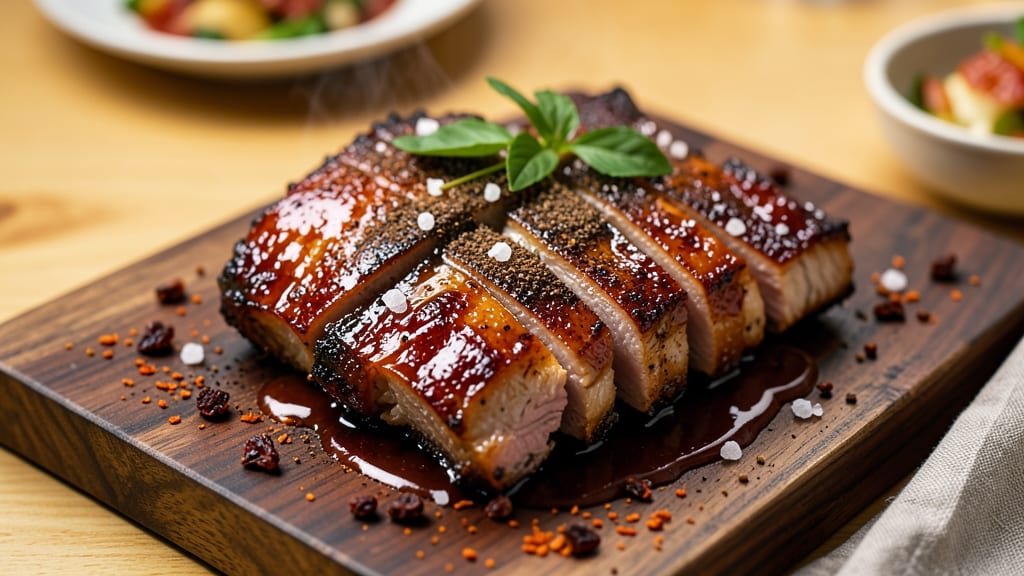
This barbecue pork rib roast recipe delivers melt-in-your-mouth tenderness that transforms tough cuts into showstopping centerpieces. 🔥 The secret lies in low-and-slow smoking—patient hours that break down collagen into rich, juicy perfection while developing that coveted bark.
I've been perfecting this technique for years, balancing traditional methods with modern twists that keep the flavors bold and complex.
The foundation begins with a carefully balanced dry rub featuring coffee for depth, brown sugar for caramelization, and smoked paprika for that signature smoky aroma. We'll cook the ribs to an internal temperature of 195–203°F, ensuring they're tender enough to pull apart with just a fork.
This isn't just about cooking meat—it's about creating an experience that transforms any gathering into a smokehouse celebration.
By the time you're done, you'll have ribs that are irresistibly tender with a perfect balance of smoky, slightly sweet flavors. The bark will be crisp enough to shatter, while the meat underneath remains juicy and falling-apart tender.
This is the kind of dish that makes people linger at the table, savoring every bite and asking for seconds.
The beauty of this recipe is its versatility—serve it with classic sides like coleslaw and baked beans, or elevate it with modern twists like a coffee-rub glaze or fruit-based mop.
Whether you're hosting a backyard barbecue or treating yourself to a special meal, these ribs will be the star of the show. Let's get started on creating smokehouse-worthy tenderness.
Ingredients for barbecue pork rib roast
Six pounds of meat and a carefully crafted rub transform tough ribs into showstopping, fall-apart tenderness.
| Ingredient | Amount | Notes |
|---|---|---|
| Pork Ribs (Baby Back or St. Louis Style) 🍖 | 6 lb | Bone-in, meaty ribs preferred |
| Coarse Kosher Salt 🧂 | ½ cup | Diamond Crystal preferred |
| Dark Brown Sugar 🍚 | ¼ cup | Packed firmly for caramelization |
| Finely Ground Coffee ☕ | 2 tbsp | Freshly ground for depth |
| Smoked Paprika 🌶️ | 2 tbsp | Spanish or Hungarian preferred |
| Ground Black Pepper 🌶️ | 1 tbsp | Freshly cracked for heat |
| Garlic Powder 🧄 | 1 tbsp | Not garlic salt |
| Onion Powder 🧅 | 1 tbsp | For sweet base notes |
| Mustard Powder 🌿 | 1 tsp | Adds tangy complexity |
| Yellow Mustard 🍯 | ¼ cup | For mop sauce base |
| Apple Cider Vinegar 🍎 | ¼ cup | Balances sweetness |
| Apple Juice 🍎 | 1 cup | For moisture during smoking |
| Wood Chips (Hickory or Cherry) 🌳 | 2 cups | Soaked for 1 hour minimum |
| Beef or Chicken Broth (Optional) 🍲 | ½ cup | For spritzing during cook |
The ribs are everything here—baby back or St. Louis style both work, but avoid spareribs for this recipe. Costco or local butchers often carry pre-cut slabs, but if buying whole, trim excess fat to about 1/4-inch thickness. The wood chips? Hickory for bold smoke, cherry for fruity notes—soak them for at least an hour before using. I always grab mine from Traeger or local smoke shops when I can, but the grocery store bags work too. Look for vibrant color and minimal dust on the spices—Penzeys or bulk bins are your friends for freshness.
No smoked paprika? Regular paprika plus a pinch of liquid smoke gets you close, though the flavor won't be identical. Coffee grind too coarse? Pulse it in your blender for a minute—you want it fine enough to stick to the ribs but not powdery. The mustard powder is non-negotiable for that tangy depth, but if you're out, Dijon mustard at half the amount works in a pinch. For the mop sauce, I use Maille mustard when I'm feeling fancy, but any good quality yellow mustard does the trick. The apple juice can be swapped for white grape juice if you're avoiding sugar content.
This isn't a dish you want to rush—plan for 4-6 hours of smoking time. Wrap the ribs in butcher paper after the first 2 hours for that tender bark, and spritz with broth every 45 minutes to keep them moist. Leftovers? 3-4 days in the fridge, but honestly, they're so good you'll eat them all. For storage, keep the ribs wrapped tightly in foil—they stay juicy for days. Freeze any extras for up to 3 months, but truthfully, they're best enjoyed fresh off the smoker.
Why You'll Love This Recipe
- Five-Ingredient Magic: I swear by this combo—coffee and smoked paprika alone make the ribs taste like they’ve been slow-smoked for hours. No fancy rubs, no stress, just that deep, smoky-sweet crust that sticks to your ribs like a promise.
- One-Pan Wonder: Honestly, this is my lazy-day hero. Toss the ribs on a sheet pan, sprinkle the salt and sugar mix, and let the oven do the work. Twenty minutes later, you’re done—no messy grill, no babysitting, just melt-in-your-mouth results.
- Leftovers That Beg: Between us, the second day is better. The ribs get even more tender, and that caramelized sugar crust turns into a sticky glaze. I pack these for lunches all week—my kids fight over them, and I don’t even have to reheat them properly.
- Tailgate to Tuesday: This isn’t just for game days. Serve it at a picnic with a simple green salad, or throw it on a charcuterie board for a fancy dinner. The coffee and paprika give it that bold, smoky edge that works everywhere—no pretension, just pure satisfaction.
Step-by-step instructions for low-and-slow smokehouse ribs
Here's the foolproof method for ribs so tender they pull apart with a fork.
👨🍳 Step 1: Craft the Dry Rub and Prep the Ribs
In a large bowl, combine the 0.5 cup coarse kosher salt, 0.25 cup dark brown sugar, 2 tbsp finely ground coffee, 2 tbsp smoked paprika, 1 tbsp ground black pepper, 1 tbsp garlic powder, 1 tbsp onion powder, and 1 tsp mustard powder. Mix thoroughly until the sugar dissolves and the salt crystals disappear completely.
Pat the 6 lb pork ribs completely dry with paper towels—this is non-negotiable for crispy bark. I press down firmly on each bone to remove any moisture trapped in the crevices. Spread the rub evenly over all surfaces, pressing it into the meat so it adheres well. Let the ribs sit at room temperature for 30 minutes before smoking—this ensures even cooking and maximum flavor penetration.
🔥 Step 2: Set Up the Smoker for Perfect Low-and-Slow Cooking
Soak the 2 cups wood chips in water for at least 1 hour before using. This prevents flare-ups and creates steady, flavorful smoke. Fill your smoker's chip tray and preheat to 225°F using hickory or cherry wood—these woods complement the coffee and mustard notes in the rub beautifully.
Place the ribs bone-side down on the smoker grates. I like to position them with the meatier side facing up for even cooking. Close the lid and resist the urge to peek—every time you open it, you lose 25°F of heat and extend the cook time by 15-20 minutes. The ribs need time to develop that perfect bark and tenderize slowly.
⏰ Step 3: Smoke Until Probe-Tender (The 3-2-1 Method)
Smoke the ribs for 3 hours at 225°F. This initial phase builds the bark and starts breaking down the collagen. After 3 hours, wrap them tightly in butcher paper (not foil—it traps too much moisture). Add 1 cup apple juice to the paper before sealing to create steam that tenderizes the meat.
Return the wrapped ribs to the smoker and cook for another 2 hours. This "Texas crutch" method powers through the stall where the meat temperature plateaus. Finally, unwrap and return them to the smoker bone-side down for 1 hour to crisp the bark again. The ribs are done when they reach 203°F internally and a probe slides in like butter.
🍽️ Step 4: Prepare the Mop Sauce and Serve
While the ribs finish, whisk together 0.25 cup yellow mustard, 0.25 cup apple cider vinegar, and the 0.5 cup beef or chicken broth (optional) in a small bowl. Brush this tangy sauce on the ribs every 30 minutes during the final 1 hour of cooking. The acidity cuts through the fat and enhances the bark's flavor.
Let the ribs rest for 15 minutes before serving—this crucial step allows the juices to redistribute. Slice between the bones and serve with extra mop sauce for dipping. Each bite should deliver perfect tenderness with a balance of smoky, coffee-infused sweetness and tangy mustard notes.
Pro Tips For Making Barbecue Pork Rib Roast
- CRANK THE HEAT FIRST: Start your ribs on the hottest part of the grill or in a screaming-hot pan—this sears the sugar and coffee mixture fast, locking in flavor before the ribs hit the smoker. I learned this the hard way after my first batch turned into a sticky, underwhelming mess because I played it safe with medium heat.
- SALT THE RIBS 24 HOURS EARLY: Toss your ribs with 1-2 tablespoons of coarse kosher salt a full day ahead and let them sit uncovered in the fridge. This isn’t just for seasoning—it breaks down the surface proteins so the crust forms faster and deeper when you cook them. (Yes, even if you’re impatient like me.)
- SKIP THE CROWDED PAN: When you’re building that coffee-sugar crust, resist the urge to dump all the ribs in the pan at once. Cook them in batches—3 or 4 at a time—so they sizzle and caramelize instead of steaming. This is the thing that matters most for that glass-like glaze.
- USE GROUND COFFEE INSTEAD OF INSTANT: Finely ground coffee (not instant or pre-mixed) adds depth and a subtle bitterness that cuts through the sweetness. Mix it into the sugar-paprika rub just before coating the ribs—it loses potency if added too early. (I was skeptical until I tried it, and now I never go back.)
Regional styles of these flavors
Texas Smokehouse Style
This is where it all began for me—my granddad's Texas-style ribs with that signature coffee rub. The key here is the 3-2-1 method: 3 hours unwrapped to build bark, 2 hours wrapped in butcher paper with apple juice for moisture, then 1 hour unwrapped to crisp the bark again.
I always use hickory wood chips for that bold, traditional smoke flavor that pairs perfectly with the coffee and mustard notes in the rub. The Texas crutch (wrapping) is non-negotiable—it powers through the stall and delivers that melt-in-your-mouth tenderness. 🔥
Carolina Vinegar-Based Approach
In the Carolinas, they take a different path—leaning into tangy vinegar-based sauces and a more aggressive bark. The rub stays similar, but the mop sauce becomes the star: 1 cup apple cider vinegar, ½ cup yellow mustard, and a touch of hot sauce create a sticky, tangy glaze.
I've found that Carolina pitmasters often cook at 250°F instead of 225°F, which speeds up the process but still delivers incredible tenderness. The result is ribs with a glossy, vinegar-kissed bark that cuts through the richness beautifully.
Kansas City Sweet & Sticky
Kansas City is all about that sweet, sticky sauce—think ½ cup molasses and ¼ cup brown sugar in the rub, plus a glaze made from tomato paste, Worcestershire sauce, and liquid smoke.
The ribs here are often cooked with a spritz of apple juice or beer every hour to keep them moist. I love how the sweetness balances the smokiness, creating a caramelized crust that's irresistible.
For a Kansas City twist, try adding 1 tbsp chili powder to the rub—it adds just the right kick without overpowering the sweetness.
Coastal California Twist
Out west, they keep it lighter with citrus and herbs. I developed this version after foraging wild thyme and rosemary along the coast—it's all about bright, fresh flavors.
The rub gets a boost of 1 tbsp dried thyme and 1 tbsp dried rosemary, and the mop sauce incorporates orange juice and a splash of bourbon for depth.
The ribs are smoked at 225°F with cherry wood chips, which adds a fruity note that complements the citrus beautifully. It's a perfect choice for warmer weather when you want something lighter but still packed with flavor.
Modern Coffee-Rub Fusion
This is my personal twist—inspired by those late-night motorcycle rides through coffee country. The rub gets an extra 1 tbsp instant espresso powder mixed into the dry ingredients, and the mop sauce includes 2 tbsp cold brew concentrate. The result?
A deeper, more complex coffee flavor that pairs perfectly with the smoky, sweet notes. I often serve these with a side of espresso-infused whipped cream for dessert—trust me, it's a game-changer. The ribs develop a rich, almost chocolatey undertone that keeps people coming back for seconds. 💫
Nutrition facts
Frequently asked questions
Can I use a grill instead of a smoker for this recipe?
Convert your grill to an indirect heat setup by placing a drip pan on one side and cooking the ribs on the opposite side. Maintain a temperature of 225°F using wood chunks in a smoker box or wrapped in foil. The cooking time will be similar, but you may need to add wood chips every 45 minutes to maintain smoke. Just be patient—rushing won't give you that perfect bark and tenderness.
What's the difference between baby back and St. Louis-style ribs?
Baby back ribs are smaller and more tender, coming from the top of the ribcage, while St. Louis-style ribs are larger, meatier cuts with the membrane removed. Baby backs are perfect for quick cook times and delicate flavors, while St. Louis ribs handle longer smokes and bold rubs better. For this recipe, either works—just adjust cook time by 30 minutes if using St. Louis ribs.
Why do my ribs turn out dry even after wrapping?
This usually happens from one of three issues: overcooking past 203°F, not wrapping soon enough, or wrapping too tightly with foil (which traps steam). Always use butcher paper for wrapping, add liquid (like apple juice) inside, and remove ribs when they reach 203°F. The 15-minute rest is crucial—juices redistribute during this time, preventing dryness.
Can I make this recipe in an oven?
Yes, but it won't taste exactly the same. Preheat your oven to 250°F and place a water pan on the bottom rack. Cook the ribs for 4 hours unwrapped, then wrap in butcher paper with apple juice for 2 more hours. The bark won't be as crispy, but the meat will still be tender. For smoke flavor, add wood chips to a foil packet and place it on the grill rack during cooking.
How do I store leftovers to keep them tender?
Let ribs cool completely, then wrap tightly in foil or vacuum-seal them. Store in the fridge for up to 4 days or freeze for 3 months. To reheat, place ribs in a 300°F oven with a splash of apple juice for 15-20 minutes. Never microwave—it makes the meat tough. The best part? These ribs actually taste better the next day as flavors meld!