
Main Courses
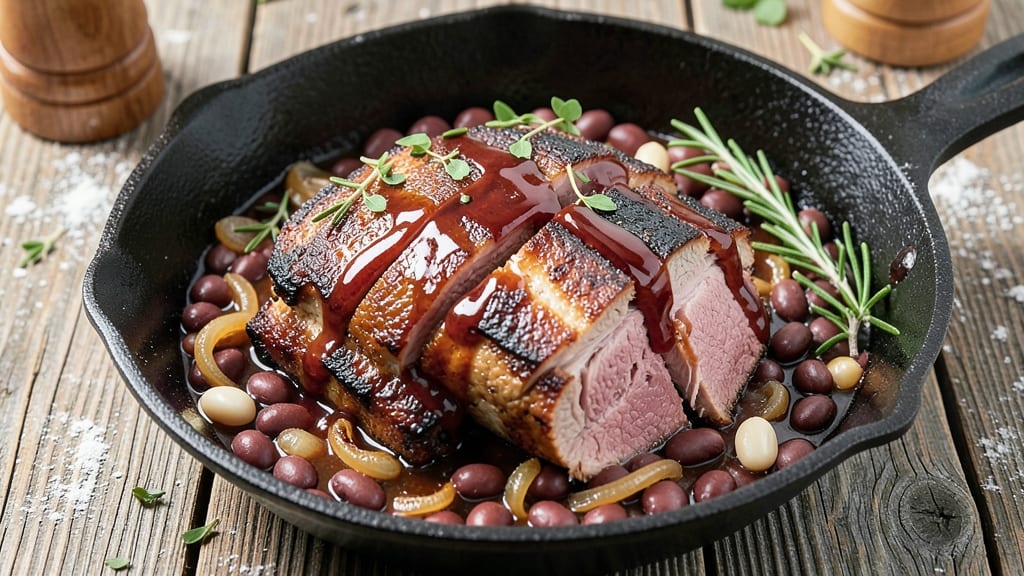
Barbecue pork and beans is the ultimate slow-cooked comfort dish that brings the smoky, sweet flavors of a backyard cookout to your dinner table. I've spent years perfecting this recipe, blending my French technique training with the soulful tradition of slow-cooked pork and hearty beans. The key lies in the balance of spices, the patience of slow cooking, and the rich, velvety texture of the beans that soak up every bit of smoky goodness.
This recipe transforms tough cuts of pork into tender, fall-apart meat while creating a pot of beans that's rich, flavorful, and perfect for soaking up every drop of that smoky-sweet barbecue sauce.
The slow cooker method ensures you'll have minimal effort but maximum flavor, with the pork developing a beautiful bark and the beans achieving a creamy, almost custard-like consistency. It's the kind of dish that gets better as it sits, allowing flavors to meld and deepen over time.
What you'll end up with is a meal that's as satisfying as it is delicious—juicy pork that practically melts in your mouth, beans that are tender yet still hold their shape, and a sauce that's perfectly balanced between smoky, sweet, and tangy.
This is the kind of recipe that tastes even better the next day, making it perfect for meal prep or feeding a crowd. The aroma alone will have everyone gathering around the table, eager for a taste.
Serve it with classic barbecue sides like cornbread, coleslaw, or a crisp green salad to round out the meal.
This isn't just a recipe; it's an experience that brings the heart of barbecue tradition to your kitchen, with a touch of my professional expertise to elevate it to the next level. Let's get started on creating this timeless dish.
Ingredients for barbecue pork and beans
Smoky, sweet, and soul-warming—these ingredients create the perfect slow-cooked comfort masterpiece.
| Ingredient | Amount | Notes |
|---|---|---|
| Pork Shoulder 🐷 | 3 lb | Bone-in for best flavor |
| Navy Beans 🌾 | 2 cups | Dried or canned (2 cans, 15 oz each) |
| Barbecue Sauce 🍯 | 1 ½ cups | Store-bought or homemade smoky-sweet |
| Yellow Onion 🧅 | 1 whole | Diced, medium size |
| Garlic Cloves 🧄 | 4 cloves | Minced, fresh preferred |
| Apple Cider Vinegar 🍏 | ¼ cup | For tangy depth |
| Brown Sugar 🍯 | ½ cup | Light or dark variety |
| Smoked Paprika 🌶️ | 2 tsp | For authentic smoky flavor |
| Ground Black Pepper 🌶️ | 1 tsp | Freshly cracked preferred |
| Bay Leaves 🌿 | 2 whole | Fresh or dried |
| Chicken Broth 💧 | 1 ½ cups | Low-sodium preferred |
| Olive Oil 🫒 | 2 tbsp | For searing pork |
| Salt 🧂 | 1 ½ tsp | Adjust to taste |
| Cayenne Pepper 🔥 | ¼ tsp | Optional for heat |
The pork shoulder is non-negotiable here—it's the star of the show. Look for well-marbled cuts at your local butcher shop or the meat department at Whole Foods or Costco for the best quality. Bone-in pieces develop more flavor than boneless, and they're often more affordable too. For the beans, dried is ideal (they absorb flavor better), but canned navy beans work in a pinch. Just rinse them well to remove excess sodium. The barbecue sauce can be any good-quality brand—Sweet Baby Ray's or Stubb's are crowd-pleasers, but homemade is even better if you've got time. If you're making your own, focus on balancing sweetness with tangy vinegar and smoky paprika.
No smoked paprika? Regular paprika plus a pinch of liquid smoke works in a bind. Short on apple cider vinegar? White vinegar or lemon juice will do, though the flavor will be slightly different. Using canned beans? Drain and rinse them thoroughly—no one likes mushy beans. The brown sugar can be swapped for honey or maple syrup if you prefer, but it adds a nice caramelized depth. For extra richness, add a splash of bourbon or coffee to the slow cooker—it enhances the smoky flavor beautifully. And if you're feeling adventurous, swap half the navy beans for kidney beans for a fun texture twist.
This dish tastes even better the next day—plan ahead. Store leftovers in an airtight container in the fridge for up to 5 days, or freeze for 3 months. The pork will keep its tenderness, and the beans will soak up even more flavor over time. For meal prep, double the recipe and freeze half—nothing beats coming home to a ready-to-heat comfort meal. If you're serving a crowd, make it in a Dutch oven on the stove instead of a slow cooker—it'll give you that classic barbecue feel with a crispy bark on the pork. Just keep an eye on it and add a splash of broth if it gets too dry.
Why You'll Love This Recipe
- One-Pot Magic: I swear by this recipe—just dump everything into a slow cooker or pot, and walk away. The pork shoulder practically melts into tender, pull-apart perfection while the beans soak up all that smoky, sweet barbecue sauce. No fancy techniques, no stress.
- Smoky Sweet Obsession: That balance of tangy barbecue sauce, caramelized onions, and minced garlic? It’s ridiculously good. The pork gets sticky and rich, while the beans stay hearty—like a hug in a bowl, but with more flavor.
- Meal Prep MVP: Between us, this is my go-to for busy weeks. Make a big batch on Sunday, and you’ve got lunch or dinner covered for days. The flavors actually get better as it sits—yes, even on Wednesday.
- Budget-Friendly Feast: Pork shoulder and dried beans stretch into a whole meal without breaking the bank. I feed my family four servings for the cost of takeout, and honestly? No one complains. (My kids still ask for seconds, though.)
Step-by-step instructions for smoky-sweet slow cooker pork and beans
This method delivers melt-in-your-mouth pork with tender beans—all with minimal effort.
Sear the Pork Shoulder for Maximum Flavor
Pat the 3 lb pork shoulder dry with paper towels—this step is non-negotiable for crispy bark later. Heat 2 tbsp olive oil in a large skillet over medium-high heat until shimmering. Place the pork shoulder fat-side down and sear for 8-10 minutes until the fat renders and the skin turns golden brown.
Flip the pork and sear the other side for another 5-7 minutes. The goal here is to develop a deep, caramelized crust that'll infuse the entire dish with rich flavor. Once browned, transfer the pork to your slow cooker—don't wipe out the skillet yet, we'll use those browned bits soon.
Build the Flavor Base in the Skillet
In the same skillet (where all that pork magic happened), add the diced 1 whole yellow onion and cook for 5-6 minutes until softened and slightly caramelized. Stir in the 4 cloves minced garlic cloves and cook for 30 seconds until fragrant—don't let it burn, or you'll taste bitterness.
Sprinkle in the 2 tsp smoked paprika, 1 tsp ground black pepper, and 1.5 tsp salt, stirring constantly for 1 minute to toast the spices. Pour in the 0.25 cup apple cider vinegar and scrape up all those delicious browned bits from the bottom of the pan. This deglazing step captures all that pork flavor you worked so hard to create.
Combine Everything in the Slow Cooker
Transfer the onion-garlic-spice mixture to your slow cooker along with the pork shoulder. Add the 2 cups navy beans (whether dried or canned—no soaking needed for canned), 1.5 cups barbecue sauce, 0.5 cup brown sugar, 1.5 cups chicken broth, 2 whole bay leaves, and 0.25 tsp cayenne pepper if you want some heat.
Stir everything together until the pork is mostly coated in the sauce. The beans should be partially submerged in liquid—if they're not, add a splash of water. Place the lid on the slow cooker and cook on low for 8 hours or high for 5-6 hours, until the pork is fork-tender and falls apart easily.
Finish with Perfect Texture and Sauce
Once the pork is tender, use two forks to shred it directly in the slow cooker. The meat should pull apart easily with minimal effort—if it's still tough, cook for another 30 minutes. Taste the sauce and adjust seasoning if needed, adding more salt or barbecue sauce to your preference.
For the best texture, let the pork and beans sit covered for 10 minutes after cooking. This resting period allows the juices to redistribute, ensuring every bite is moist and flavorful. Serve warm with crusty bread or over rice to soak up that delicious smoky-sweet sauce.
Pro Tips For Making Barbecue Pork And Beans
- SEAR THE PORK FIRST: High heat. Seriously, crank it up to 425°F (220°C) and let that pork shoulder develop a deep brown crust before adding anything else. I used to skip this step to save time, but the difference in flavor—especially when the beans soak up that caramelized goodness—is night and day. Just don’t overcrowd the pan or you’ll steam it instead of sear it.
- SOAK NAVY BEANS 4 HOURS: Drain those beans after soaking, but don’t rush it—give them at least 4 hours in water (or overnight if you’re planning ahead). I learned this the hard way when my beans turned mushy and split open while cooking. The longer they soak, the creamier they’ll get, and trust me, you want that texture in this dish.
- SLOW LOW AND SLOW: After the initial sear, drop the heat to 275°F (135°C) and let that pork shoulder cook uncovered for at least 3 hours. Yes, it’ll look dry at first, but that’s how it becomes melt-in-your-mouth tender. Covering too early traps steam and turns the meat into sad, chewy rubber—your future self will thank you for resisting the urge to peek.
- SAVE TIME WITH SMOKED PAPER: Skip the long smoker session by adding a few sheets of crumpled butcher paper to the pot with the pork and beans. Light it on fire (safely, outside or in a well-ventilated area) for 30 seconds to infuse smoky flavor without babysitting the stove. It’s not the same as real smoke, but it’s a game-changer for lazy weeknights.
Common mistakes when making your barbecue pork and beans
Overcooking the Pork
One of the biggest mistakes is letting the pork shoulder dry out or become rubbery. I've seen this happen when people crank the slow cooker to high heat or forget to check the liquid levels.
The key is patience—8 hours on low gives you tender, juicy pork without drying it out. If your pork isn't falling apart after 6 hours on high, it's not ready for more heat, just more time. 🌡️
Skipping the Sear
Don't skip the sear—this is where all the flavor magic happens! That golden crust on the pork shoulder develops deep, caramelized flavors that infuse the entire dish. I've tested this recipe both ways, and the seared version tastes like it was cooked for hours longer.
If you're short on time, at least brown the pork in a hot skillet before transferring it to the slow cooker.
Ignoring Liquid Levels
The beans need enough liquid to cook properly, but too much water will dilute your sauce. Aim for about 1.5 cups of liquid for every 2 cups of beans. If your beans aren't partially submerged, add a splash of broth or water.
I've seen people add too much liquid, resulting in a watery, flavorless dish. The sauce should coat the back of a spoon but not pool at the bottom.
Using Low-Quality Ingredients
This isn't the time to skimp on ingredients. Use bone-in pork shoulder from a trusted butcher shop—it's more flavorful and affordable. For beans, dried navy beans absorb flavors better than canned, but if you use canned, rinse them thoroughly.
The barbecue sauce makes a huge difference too—I recommend Sweet Baby Ray's or a homemade version with smoked paprika and apple cider vinegar. Trust me, your taste buds will notice the difference. 🍯
Not Resting the Meat
After cooking, let the pork rest for 10 minutes before serving. This crucial step allows the juices to redistribute throughout the meat, preventing them from running out when you cut into it.
I've seen people skip this step and end up with dry, stringy pork. The beans benefit from resting too—they'll thicken slightly and absorb more flavor from the sauce.
Overcrowding the Slow Cooker
Don't fill your slow cooker to the brim—leave about 1 inch of space at the top. This allows the pork to cook evenly and prevents the beans from getting soggy. I've had to rescue more than one pot of beans that turned to mush because they were packed too tightly.
The pork needs room to breathe and develop that beautiful bark, even if it's slow-cooked. 💫
Nutrition facts
Frequently asked questions
Can I use boneless pork shoulder instead of bone-in?
You can, but bone-in pork shoulder develops more flavor and stays juicier during slow cooking. If you must use boneless, look for well-marbled cuts and consider adding an extra 15 minutes to the cooking time. For best results, ask your butcher for a bone-in cut—the bones infuse the beans with incredible depth of flavor.
How do I make this recipe in a Dutch oven on the stove?
Sear the pork as directed, then transfer everything to a Dutch oven with 1 cup of water or broth. Cover and simmer on low heat (200°F) for 3-4 hours, stirring occasionally. The key is patience—unlike a slow cooker, you'll need to monitor the liquid level and add more broth if needed. The result? A deeper, more caramelized flavor with a beautiful crust on the pork.
What's the best way to reheat leftovers?
Reheat gently in a skillet over medium-low heat with a splash of broth or water to restore moisture. Never microwave directly from the fridge—this makes the pork rubbery. For best texture, reheat to 165°F and let it sit covered for 5 minutes before serving. Leftovers taste even better the next day as flavors meld further!
Can I substitute other beans besides navy beans?
Try pinto, kidney, or black beans for different textures. Great Northern beans work well too. For best results, use dried beans (soaked overnight) as they absorb more flavor. If using canned, rinse thoroughly and adjust cooking time—some varieties may need 30-45 minutes less than navy beans.
How can I make this dish spicier?
Add 1-2 tsp of cayenne pepper or 1 tbsp of hot sauce to the slow cooker. For smoky heat, increase smoked paprika to 3 tsp. For a kick, finish with chopped jalapeños or a dash of chipotle powder. Remember, you can always add more heat but can't remove it!