
Main Courses
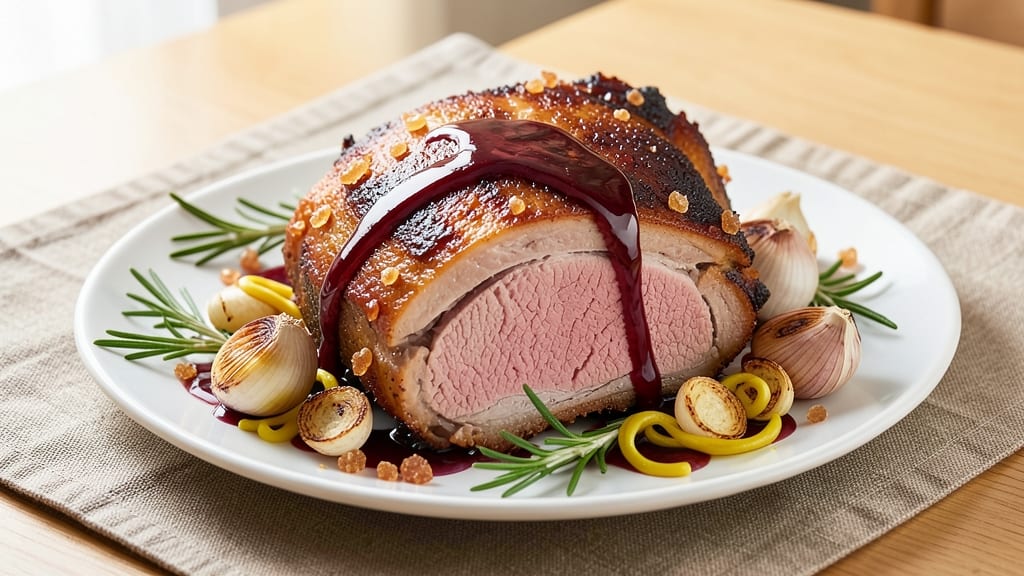
A balsamic pork roast transforms a simple weeknight meal into something restaurant-worthy with just a few key techniques. The secret lies in the glaze—a balance of sweetness and acidity that caramelizes beautifully while keeping the meat tender and juicy.
I've perfected this method over years of cooking for crowds, and it never fails to impress.
What makes this recipe special is the combination of slow-roasting and finishing with a rich balsamic reduction. Start with a bone-in pork shoulder for maximum flavor, then let it cook low and slow until the internal temperature reaches 195°F—this ensures melt-in-your-mouth tenderness.
The glaze adds depth, creating a glossy, caramelized crust that's both visually stunning and packed with flavor.
By the time you serve this dish, you'll have perfectly cooked pork with crispy, glaze-coated edges and a moist interior. The balsamic glaze ties everything together, offering a sweet-tart contrast that elevates the natural richness of the meat.
Serve with roasted vegetables or a fresh salad to round out the meal.
This recipe is designed for home cooks with standard equipment, making it approachable yet impressive. The process is straightforward, and the results are consistently delicious—ideal for family dinners, holiday gatherings, or when you want to elevate a simple meal. Let's get started!
Ingredients for balsamic pork roast
Six ingredients transform simple pork into restaurant-worthy balsamic perfection—just the right balance of sweet and tangy.
| Ingredient | Amount | Notes |
|---|---|---|
| Bone-In Pork Shoulder 🥓 | 4 lb | With fat cap intact for flavor |
| Balsamic Vinegar 🍷 | ½ cup | Aged, high-quality preferred |
| Brown Sugar 🍯 | ½ cup | Packed, light or dark |
| Dijon Mustard 🥬 | 2 tbsp | For depth of flavor |
| Garlic Cloves 🧄 | 6 cloves | Minced for marinade |
| Olive Oil 🫒 | ¼ cup | Extra-virgin for richness |
| Fresh Rosemary 🌿 | ¼ cup | Chopped, stems removed |
| Fresh Thyme 🌿 | 1 tbsp | Leaves only, chopped |
| Salt 🧂 | 1 ½ tsp | Diamond Crystal kosher |
| Black Pepper 🌶️ | 1 tsp | Freshly ground |
| Yellow Onion 🧅 | 1 whole | Large, sliced into wedges |
| Carrots 🥕 | 4 whole | Medium, peeled and halved |
| Honey 🍯 | 2 tbsp | For glaze sweetness |
| Apple Cider Vinegar 🍏 | 1 tbsp | For acid balance |
The pork shoulder is non-negotiable—bone-in gives you that deep, slow-roasted flavor you can't get with boneless cuts. Costco or Whole Foods carry excellent quality, but your local butcher shop might have even better marbling. Look for a piece with good fat distribution—it'll render down beautifully during cooking. The balsamic vinegar should be aged at least 12 years for that rich, caramelized depth. Di Bruno or Balsamic Vinegar of Modena are my go-tos, but any aged balsamic will work. Fresh herbs? Trader Joe's has great bundles—rosemary and thyme are key here for that herby backbone.
No aged balsamic? Substitute with 3 tbsp regular balsamic plus 1 tbsp maple syrup—it won't be as complex, but it'll get you close. Running low on Dijon? Yellow mustard plus 1/2 tsp white wine vinegar works in a pinch. The honey can be swapped for maple syrup if you're avoiding refined sugar. For the glaze, if you can't find apple cider vinegar, white wine vinegar at half the amount does the trick. The carrots and onions? Baby carrots and pearl onions work perfectly if you're short on time—just trim the ends and leave them whole for easier roasting.
Pork shoulder keeps beautifully—store it uncovered in the fridge for 3-4 days to let the crust form, then refrigerate. The glaze ingredients stay fresh for 6 months in the pantry except honey (which lasts indefinitely). For make-ahead magic, prep the marinade and store it in the fridge for up to 3 days. The roasted veggies? They reheat perfectly—just toss them with a splash of water and cover while warming. Leftovers? This dish actually gets better the next day as the flavors meld.
Why You'll Love This Recipe
- Sweet-Savory Magic: The brown sugar and balsamic vinegar create this perfect balance—sticky, tangy, and just sweet enough to make your taste buds do a happy dance. That Dijon mustard adds a little kick, but it’s the garlic cloves roasted right into the meat that steals the show. Between us, this isn’t just flavor—it’s the kind of taste that makes people ask, “What’s in this?”
- Leftovers That Shine: This roast practically begs to be made in bulk. Shred it for sandwiches, toss it into pasta, or serve it cold in wraps—it’s that versatile. My freezer’s always stocked with portions because reheating it? It’s even better the second day. (Yes, even on a Tuesday night.)
- Budget-Friendly Feast: A pork shoulder is one of the most affordable cuts, and this recipe stretches it into multiple meals without breaking the bank. Plus, the ingredients? Most are pantry staples. You’re getting a restaurant-worthy dish for the cost of a single takeout order—and way more leftovers to boot. Solid move for anyone watching their wallet.
Step-by-step instructions for balsamic pork roast with caramelized edges
Here's how to transform that pork shoulder into melt-in-your-mouth perfection with a glossy, sweet-tart glaze.
Prepare the Pork and Marinade for Maximum Flavor
Begin by patting the bone-in pork shoulder completely dry with paper towels—this is critical for that beautiful caramelized crust. I like to work in stages: first dry the surface, then use your fingers to press between any crevices where moisture might hide. Place the pork fat-side up in a large roasting pan.
In a small bowl, whisk together the 0.5 cup balsamic vinegar, 2 tbsp Dijon mustard, 0.25 cup olive oil, 2 tbsp honey, 1 tbsp apple cider vinegar, and 1.5 tsp salt. This marinade is the flavor foundation—don't skip the whisking as it emulsifies the ingredients for even distribution. Pour this mixture evenly over the pork, making sure it coats all sides. Let it marinate uncovered in the refrigerator for at least 4 hours, but overnight is ideal for maximum penetration.
Build the Herb and Vegetable Base
While the pork marinates, prepare the aromatics. In a small bowl, combine the 6 minced garlic cloves, 0.25 cup chopped fresh rosemary, and 1 tbsp chopped fresh thyme. This herb blend adds earthy depth that pairs perfectly with the balsamic. Spread this mixture evenly over the pork, pressing gently so it adheres.
Arrange the 1 whole yellow onion (sliced into wedges) and 4 peeled, halved carrots around the pork in the roasting pan. These vegetables will caramelize beautifully during roasting, creating a flavorful bed for your pork. The onion and carrots also help distribute heat evenly and prevent the pork from drying out.
Roast Until Fork-Tender with Perfect Crust
Preheat your oven to 325°F. This lower temperature ensures the pork cooks slowly and evenly, developing that incredible texture. Place the roasting pan in the oven and cook for 3 hours, then carefully flip the pork over (use oven mitts—it's heavy!) and continue roasting for another 1 hour. The internal temperature should reach 195-200°F—this is when the collagen breaks down and the meat becomes fork-tender.
Here's where the magic happens: increase the oven temperature to 425°F for the final 20 minutes. This high heat creates that beautiful caramelized crust while keeping the interior juicy. Watch closely—you want the edges to turn a deep mahogany color with a glossy sheen from the balsamic reduction.
Create the Signature Glaze and Rest
While the pork finishes roasting, remove the pan from the oven and place it on a stovetop burner over medium heat. Spoon the accumulated juices from around the pork into a small saucepan. Add the 0.5 cup brown sugar and simmer for 3-4 minutes until it forms a thick, syrupy glaze. This is your finishing sauce—it should coat the back of a spoon.
Carefully brush this glaze over the pork, working quickly so it doesn't set. Let the pork rest for 15 minutes before carving—this crucial step allows the juices to redistribute throughout the meat. The result should be slices that are tender enough to pull apart with a fork, with that perfect balance of sweet, tangy, and savory flavors in every bite.
Pro Tips For Making Balsamic Pork Roast
- SEAR THE SKIN FIRST: That bone-in pork shoulder won’t caramelize properly if you rush the searing. Get your pan screaming hot—we’re talking smoke-just-starting-to-rise hot—and lay the meat fat-side down. Let it sit undisturbed for 6-8 minutes until the skin turns deep golden. I used to flip it too soon, and the crust would never crisp up right.
- BRINE THE PORK OVERNIGHT: Skip the dry rub and brine the pork shoulder in a mix of cold water, 1 tablespoon salt per quart, and 2 tablespoons brown sugar for 12-24 hours. This guarantees juicy meat and lets the balsamic glaze cling better later. I learned this after my first attempt turned out dry—don’t skip it, even if you’re impatient.
- DEGLAZE WITH BALSAMIC + MUSTARD: After searing, don’t just splash water in the pan—grab that balsamic vinegar and Dijon mustard right away. Let them bubble for 2-3 minutes to break down the browned bits before adding any liquids. This makes the sauce richer and cuts through the pork’s fat. I used to add water first, and the flavor always felt flat.
- REST IT UNDER FOIL: Once the pork hits 195°F internally, pull it from the oven and wrap it tightly in foil for 30 minutes. This traps heat and lets the juices redistribute—no more dry slices when you carve. I used to skip this, and the meat would always be tougher in the middle. Yes, it’s an extra step, but it’s worth it.
Storing and reheating this recipe
Refrigerator Storage
Store your balsamic pork roast in an airtight container with a splash of its own juices to keep it moist. I like using a glass dish with a tight lid—I've found Glasslock containers work best for this.
Keep it refrigerated for up to 4 days, though the flavor actually deepens overnight as the balsamic continues to meld with the meat. The roasted vegetables stay fresh for 3 days if stored separately. 🥗
Freezer Magic
For longer storage, slice the pork into portions and freeze it in a single layer on a tray before transferring to a freezer bag. This prevents freezer burn and makes individual servings easy to grab. Label with the date—it keeps for 3 months without losing quality.
When reheating, I add a splash of water or broth to prevent drying out. The glaze freezes well too, so you can store it separately for up to 6 months. ❄️
Stovetop Reheating
My preferred method is stovetop reheating because it preserves that perfect texture. Place slices in a skillet over medium-low heat with a splash of water or the reserved juices. Cover and warm for 5-7 minutes, stirring occasionally.
The residual heat will melt any solidified glaze back into a glossy finish. For the vegetables, toss them in the pan with a pat of butter for 3-4 minutes to restore their crispness. 🔥
Microwave Shortcut
When you're in a hurry, microwave reheating works surprisingly well. Place slices on a microwave-safe plate with a damp paper towel covering them. Heat on 50% power for 2-3 minutes, then check—you might need 15-30 seconds more depending on your microwave.
The key is low power to prevent drying out. For extra flavor, add a teaspoon of the reserved glaze before reheating. 💫
Oven Refresh
If you have leftovers with crispy edges, the oven is your best friend. Preheat to 350°F and place slices on a baking sheet. Cover loosely with foil and warm for 10-12 minutes.
This method maintains the caramelized crust while gently warming the interior. I often use this when serving the pork for lunch the next day—it feels like a fresh meal. 🌟
Glaze Revival
If your glaze has thickened too much during storage, simply reheat it in a small saucepan over low heat with 1 tbsp water until smooth. This works wonders for drizzling over reheated pork slices. For extra richness, add a pinch of salt and a dash of balsamic vinegar.
I keep a small jar of this glaze in my fridge for quick flavor boosts on sandwiches or salads too. 💡
Nutrition facts
Frequently asked questions about balsamic pork roast
Why does the recipe call for bone-in pork shoulder instead of boneless?
The bone-in cut is essential for achieving that restaurant-quality depth of flavor. The bone acts as a flavor anchor, infusing the meat with rich, gelatinous juices as it cooks. Plus, the fat cap on a bone-in shoulder renders beautifully, creating a self-basting effect that keeps the meat impossibly tender. For best results, look for a piece with good marbling—this is what makes the difference between good and exceptional pork roast.
Can I use a different cut of pork like pork loin?
While you can technically use pork loin, it won't yield the same tender results. Pork loin is leaner and more prone to drying out during the long cooking process. For a similar texture, try pork butt (another name for pork shoulder) or even a bone-in ham hock. The key is choosing a cut with enough fat and connective tissue to stay juicy during the slow roasting. If you must use loin, reduce the cooking time by about 30 minutes and watch it closely.
What's the secret to getting that perfect caramelized crust?
The crust comes from three key elements: proper drying, high heat finish, and the balsamic glaze. First, pat the pork completely dry before roasting—this creates a better surface for browning. Then, the final 20 minutes at 425°F is crucial for developing that deep mahogany color. The balsamic reduction acts like a natural glaze, locking in moisture while creating that glossy sheen. Don't rush this step—patience is what transforms good pork into showstopping pork.
How do I adjust the recipe for a smaller or larger crowd?
This recipe scales beautifully! For 4 servings, reduce the pork to 3 pounds and halve all other ingredients. For 8 servings, increase to 6 pounds and double everything. The key is maintaining the same ratio of pork to vegetables and marinade. When cooking larger pieces, you may need an additional 30-60 minutes at 325°F to reach 195°F internally. Always use a meat thermometer—it's the only reliable way to judge doneness.
What are the best sides to serve with balsamic pork roast?
The sweet-tart flavors of the balsamic glaze pair beautifully with earthy, fresh, or creamy sides. I recommend roasted root vegetables (like parsnips or sweet potatoes), creamy mashed potatoes, or a crisp arugula salad with shaved parmesan. For something lighter, try sautéed green beans with garlic or a bright apple and walnut salad. The roasted carrots and onions from the recipe itself make an excellent side—just toss them with fresh herbs after roasting.