
Main Courses
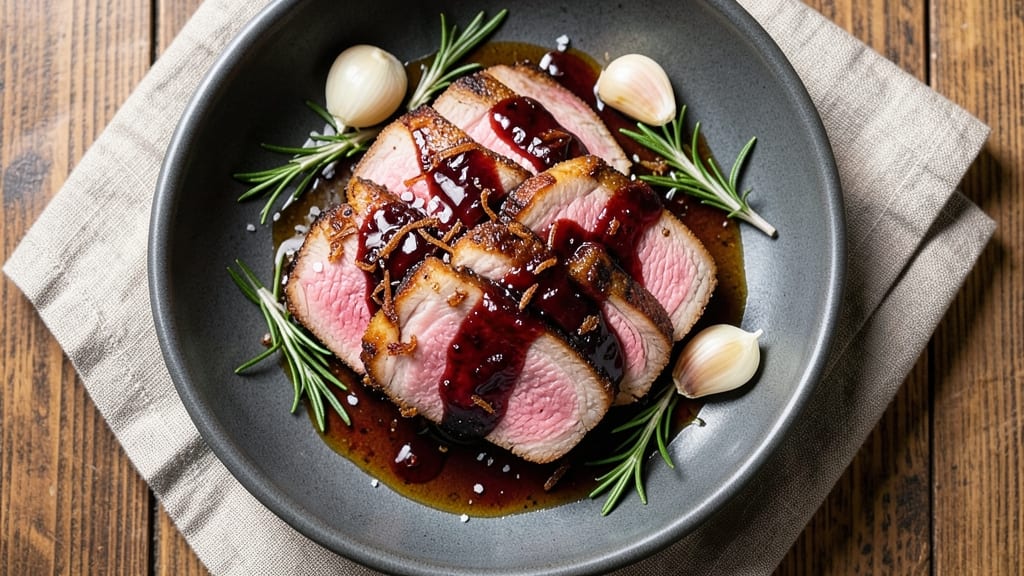
This balsamic marinated pork tenderloin transforms simple ingredients into a restaurant-worthy centerpiece with just 30 minutes of active prep. The secret lies in the marinade—where tangy balsamic vinegar tenderizes while building a caramelized crust that seals in juices.
I perfected this technique during a busy week when I needed a showstopper that required minimal effort but maximum flavor impact.
The magic happens when the pork roasts in its own marinade, creating a glaze that's both sticky and crisp at the edges. What starts as a lean cut becomes impossibly tender, with a glossy finish that makes every slice look like it belongs on a fine-dining plate.
The balsamic's acidity cuts through the richness while adding depth that transforms ordinary pork into something extraordinary.
By the time you're done, you'll have perfectly pink centers and edges that are caramelized to a deep amber—proof that great meals don't require complicated techniques.
This method delivers restaurant-quality results with just one pan, making it ideal for weeknight dinners or special occasions when you want to impress without stressing.
Serve with roasted vegetables or a fresh salad to balance the richness, or pair it with crusty bread to soak up every last drop of that luscious balsamic glaze.
The leftovers reheat beautifully too, keeping that perfect texture for days. Let's get cooking—this pork tenderloin will become your new go-to main dish.
Ingredients for balsamic marinated pork tenderloin
Just twelve ingredients transform simple pork into restaurant-quality perfection with minimal effort.
| Ingredient | Amount | Notes |
|---|---|---|
| Pork Tenderloin 🥩 | 1 ½ lb | Center-cut, trimmed of fat |
| Balsamic Vinegar 🍷 | ½ cup | High-quality aged variety |
| Olive Oil 🫒 | ¼ cup | Extra-virgin for richness |
| Garlic Cloves 🧄 | 4 cloves | Minced, fresh preferred |
| Dijon Mustard 🍯 | 1 tbsp | For depth of flavor |
| Brown Sugar 🍚 | 2 tbsp | Light or dark variety |
| Salt 🧂 | 1 tsp | Diamond Crystal preferred |
| Black Pepper 🌶️ | ½ tsp | Freshly ground for heat |
| Thyme Leaves 🌿 | 1 tsp | Fresh or dried equivalent |
| Rosemary Sprigs 🌿 | 2 whole | Fresh, for aromatic depth |
| Honey 🍯 | 1 tbsp | Wildflower preferred |
| Red Wine 🍷 | ¼ cup | Bold dry variety optional |
| Butter 🧈 | 1 tbsp | Unsalted, for basting |
The pork tenderloin is your star, so look for center-cut pieces with even diameter—this ensures even cooking. Whole Foods or local butchers often carry the best quality, but most grocery stores stock it too. Trim any visible fat before marinating; it's the secret to that clean, caramelized crust. For the balsamic vinegar, aged varieties like Barolo or Chianti add complexity, but any good-quality balsamic will work. The garlic should be fresh—those little jars of minced garlic? Skip them. Freshly minced makes all the difference.
No balsamic vinegar? Substitute with 3 tbsp red wine vinegar plus 1 tsp sugar—it won't be identical, but it'll get you close. Running short on honey? Maple syrup works 1:1, though it'll add a different depth. The red wine is optional but recommended—if you skip it, just add an extra splash of balsamic. For the herbs, dried thyme and rosemary work at half the amount, but fresh is ideal. Trader Joe's often has affordable fresh bundles, and their balsamic vinegar is surprisingly good. The butter should be unsalted—adding salt here would overpower everything.
Marinate the pork for at least 2 hours (overnight is even better), but don't let it sit too long or the acid will start cooking the meat. The leftovers reheat beautifully—just warm in a skillet with a splash of water or broth for 2-3 minutes to keep that glaze intact. Store any unused marinade separately; it's perfect for drizzling over roasted veggies or tossing with pasta. This dish keeps for 3 days in the fridge, but honestly, it disappears fast—it's that good.
Why You'll Love This Recipe
- Foolproof Roast: I’ve ruined pork tenderloin before—overcooked, dry, sad—but this method? Just a 400°F oven, 20 minutes of marinating (while I chop veggies), and 25 minutes of hands-off roasting. That’s it. The balsamic glaze caramelizes into a sticky, sweet crust without fail.
- Umami Bomb: The garlic and Dijon mustard create this deep, savory punch that sticks with you. Honestly, the first time I tasted it, I went back for seconds just to experience it again. It’s the kind of flavor that makes you pause mid-bite and nod.
- Weeknight to Dinner Party: Same recipe, different vibes. Serve it sliced over polenta for a cozy Tuesday night, or platter-style with roasted potatoes and greens for guests. The balsamic glaze even drizzles beautifully—no one will guess it’s a 30-minute meal.
- Leftovers That Don’t Suck: Most pork recipes turn into sad, dry scraps by day two. Not this. The tenderloin stays juicy, and the glaze keeps it tender enough to slice thin for sandwiches or toss into pasta. I’ve had it cold in salads, reheated in foil—it’s always good.
Step-by-step instructions for balsamic marinated pork tenderloin
Here's how to transform simple pork into melt-in-your-mouth perfection with a glossy, caramelized glaze.
Create the Balsamic Marinade
In a medium bowl, whisk together the 0.5 cup balsamic vinegar, 0.25 cup olive oil, 1 tbsp Dijon mustard, 2 tbsp brown sugar, 1 tsp salt, 0.5 tsp black pepper, 1 tsp thyme leaves, 2 whole rosemary sprigs, 1 tbsp honey, and 0.25 cup red wine. The rosemary sprigs should remain whole for maximum aromatic impact.
This marinade needs time to develop its complex flavors. Let it sit at room temperature for 15 minutes while you prepare the pork, giving the ingredients a chance to meld. You'll notice the mixture darken slightly as the sugars begin to caramelize—this is exactly what we want for that rich, glossy finish.
Marinate the Pork Tenderloin
Place the 1.5 lb pork tenderloin in a resealable plastic bag or shallow dish. Pour the marinade over the pork, ensuring it's completely coated on all sides. Seal the bag tightly or cover the dish and refrigerate for at least 4 hours, or preferably overnight. The acidity in the balsamic will tenderize the meat while infusing it with deep flavor.
Here's the thing—don't skip this step. The longer the pork marinates, the more tender and flavorful it becomes. If you're short on time, even 2 hours will make a noticeable difference. Just be sure to flip the pork occasionally during marinating so all sides absorb the marinade evenly.
Preheat and Sear the Pork
Remove the pork from the marinade (reserve the marinade for later) and pat it dry with paper towels. This step is crucial for achieving that perfect sear. Preheat your oven to 400°F and heat an oven-safe skillet over medium-high heat. Add 1 tbsp butter and let it melt, coating the bottom of the pan.
Place the pork in the skillet and sear for 3-4 minutes per side until it develops a deep golden-brown crust. You'll know it's ready when the pork releases easily from the pan—this indicates the surface proteins have set. The butter will foam and create a rich, flavorful base for your glaze. Don't walk away; constant attention prevents burning.
Roast and Glaze to Perfection
Transfer the skillet to the preheated oven and pour the reserved marinade over the pork. The liquid should sizzle and begin to reduce immediately. Roast for 15-20 minutes until the internal temperature reaches 145°F when measured with a meat thermometer. The pork should be tender but still slightly pink in the center.
Here's where the magic happens: the residual heat will cause the balsamic glaze to caramelize beautifully. Watch closely in the last 5 minutes of cooking. If the glaze reduces too quickly, add a splash of water or the 0.25 cup red wine to maintain moisture. The edges should develop a glossy, dark caramelization while the center remains succulent.
Rest and Serve with Grace
Remove the pork from the oven and transfer it to a cutting board. Let it rest for 10 minutes before slicing. This resting period allows the juices to redistribute throughout the meat, ensuring each slice is moist and flavorful. The glaze will thicken slightly as it cools—this is normal and actually enhances the texture.
Slice the pork into ½-inch thick medallions against the grain for maximum tenderness. Spoon the rich, caramelized glaze over the top and serve immediately. The contrast of tender pork with the tangy-sweet glaze is what makes this dish truly special. Pair it with roasted vegetables or crusty bread to soak up every last drop of that luscious sauce.
Pro Tips For Making Balsamic Marinated Pork Tenderloin
- SEAR FIRST, MARINATE LATER: The pork’s crust comes from searing, not marinating—so hit a screaming-hot pan with olive oil before adding the meat. After a 3-minute sear on each side, let it rest 5 minutes, then baste with the balsamic-garlic-mustard mix. This locks in juices and builds flavor after the initial crust forms, not before.
- SMASH THOSE GARLIC CLOVES: I used to chop garlic for this marinade and wondered why it tasted mild. Now I smash the cloves with the flat side of my knife first—just enough to bruise them before mincing. This releases more flavor into the balsamic and mustard, and it doesn’t turn bitter like over-chopping can.
- DON’T BOIL THE MARINADE: Simmering the balsamic mixture too long turns it syrupy and overpowering. Keep it at a gentle bubble for 3–4 minutes max—just enough to warm the garlic and mustard. If you’re impatient, reduce it cold in a jar overnight instead. The acidity mellows and the flavors meld without cooking off.
- USE COLD PORK, NOT ROOM-TEMP: Pork tenderloin cooks fast, and starting it cold means it won’t overcook by the time the center hits 145°F. Pat it dry first—wet meat steams instead of sears—and let it sit on the counter for 10 minutes before searing. This small step guarantees a crisp exterior and juicy interior every time.
Troubleshooting this dish
Pork Stays Dry
If your pork emerges dry or tough, the marinade likely didn't penetrate enough or the meat cooked too long. First, always pat the pork completely dry before searing—this helps create that golden crust. Second, never overcook: use a meat thermometer and remove at 145°F for medium doneness.
I've seen home cooks leave pork in too long, especially when distracted by the glaze caramelizing. Remember, pork continues cooking slightly after removal from heat. 💡
Glaze Too Thin
A runny glaze usually means the marinade didn't reduce enough during roasting. The fix is simple: simmer the reserved marinade in a small saucepan for 3-5 minutes before pouring it over the pork in the final step. For extra richness, add 1 tbsp butter while reducing.
Pro tip: If your oven runs hot, cover the skillet loosely with foil during the first 10 minutes of roasting to trap heat and help the glaze thicken faster.
Uneven Cooking
Uneven doneness often happens with thicker pork tenderloins or when the oven temperature fluctuates. For consistent results, use a pork tenderloin with even diameter (about 1.5 inches thick). If yours varies, trim it slightly to create a uniform shape.
Also, rotate the skillet halfway through roasting to ensure even heat distribution. I've had this issue with cheaper cuts that weren't trimmed properly—always inspect your meat before marinating.
Bitter Taste
Balsamic vinegar can develop bitterness if overcooked or if using poor-quality vinegar. To prevent this, use aged balsamic vinegar (like Barolo or Chianti) and reduce the marinade gently—never let it boil vigorously.
If your glaze tastes bitter, balance it with 1 tsp honey or 1 tsp brown sugar stirred in at the end. I once ruined a batch using cheap balsamic—since then, I always check the label for "aged" or "extra aged" before buying.
Pork Overcooked
Pork tenderloin is forgiving, but it's easy to overcook when focused on the glaze. Remove the pork immediately when it hits 145°F internal temperature—it will rise to 150°F while resting.
If you're worried about doneness, slice a small piece to check: it should be slightly pink in the center with juices running clear. For extra insurance, reduce oven temperature to 375°F during the final 5 minutes of cooking to slow the process.
Glaze Too Thick
A glaze that's too thick can be dry and cloying. If this happens, thin it slightly with 1-2 tablespoons of warm water or red wine before serving. The key is balance: the glaze should coat the back of a spoon but still cling to the pork.
I've found that adding the red wine to the marinade (not just the glaze) helps maintain the right consistency throughout the cooking process. For best results, taste and adjust as you go—this is where home cooks often get creative! 🌟
Nutrition facts
Frequently asked questions
How long can I marinate the pork tenderloin before cooking?
Marinate for at least 4 hours for best results, but overnight (up to 24 hours) is ideal. The acidity in balsamic tenderizes the meat while infusing flavor. Just don't exceed 24 hours or the acid may start cooking the meat prematurely. Pro tip: Flip the pork occasionally during marinating for even flavor absorption.
Can I substitute balsamic vinegar with something else?
Yes! For a quick fix, use 3 tbsp red wine vinegar plus 1 tsp sugar to mimic balsamic's tangy-sweet profile. However, true balsamic adds depth that substitutes can't fully replicate. If you're avoiding vinegar entirely, try 1 tbsp lemon juice plus 1 tbsp brown sugar—it'll be brighter but still delicious.
What's the best way to reheat leftovers?
Warm leftovers gently in a skillet over medium-low heat for 2-3 minutes with a splash of water or broth to maintain moisture. Never microwave—it makes the glaze rubbery. For extra richness, add 1 tsp butter while reheating. Leftovers keep well for 3 days in the fridge and reheat beautifully.
How do I adjust this recipe for a larger crowd?
Scale the marinade ingredients proportionally (double for 3 lb pork) and use a larger oven-safe skillet or roasting pan. For even cooking, increase oven temperature to 425°F and reduce cooking time by 10%. Remember: thicker cuts need more time. Always check internal temperature with a meat thermometer.
What sides pair best with this dish?
Roasted vegetables (like Brussels sprouts or asparagus) balance the richness perfectly. For a lighter option, try a mixed greens salad with a citrus vinaigrette. Crusty bread works wonders for soaking up the glaze. I love serving this with creamy polenta or mashed sweet potatoes for a Southern-inspired meal.