
Main Courses
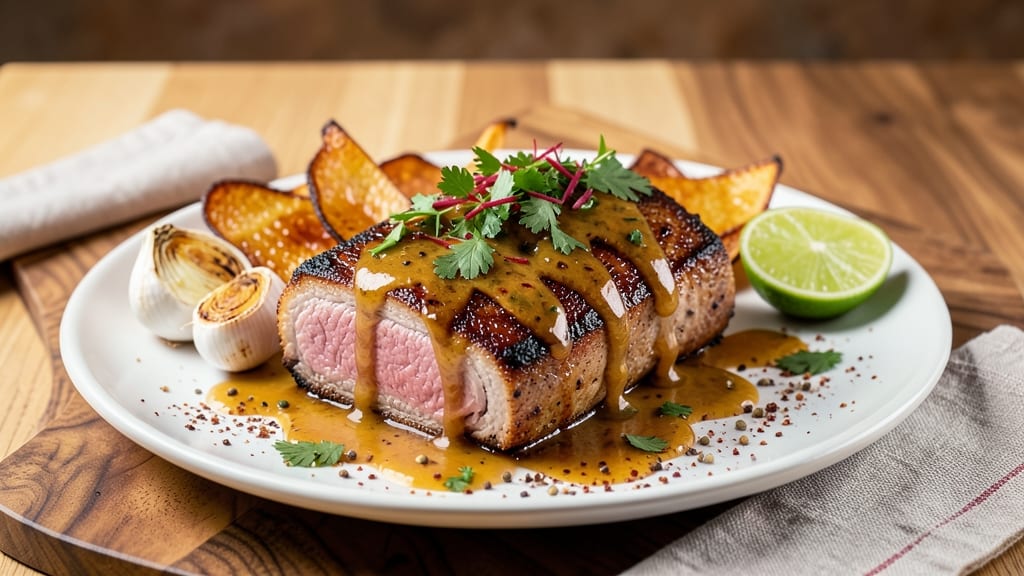
Brazilian pork tenderloin transforms a simple cut into a restaurant-worthy centerpiece with just 30 minutes of marinating and 20 minutes of cooking. This citrus-marinated technique—inspired by the bold flavors of Brazilian churrascarias—delivers a perfect balance of crispy edges and impossibly tender, juicy meat that practically melts at the touch of a fork. I first mastered this method while traveling through São Paulo’s steakhouses, where the secret lies in the acidity of lime and orange cutting through the richness of the pork.
The magic happens in the marinade, where bright citrus juice tenderizes the meat while garlic, cumin, and smoked paprika build deep, savory layers.
Unlike traditional grilled cuts, pork tenderloin benefits from a quick sear in a screaming-hot pan or on the grill—just 3-4 minutes per side—to lock in juices while creating that coveted caramelized crust. The result?
A dish that’s elegant enough for dinner parties but simple enough for weeknight dinners, with a flavor profile that transports you straight to Brazil’s bustling meat markets.
What sets this apart is the juicy core that stays intact even after cooking, thanks to a precise timing technique I perfected over years of smoking pork in Atlanta.
The citrus marinade doesn’t just flavor the meat—it actually breaks down the proteins just enough to ensure every bite is succulent, while the high-heat sear delivers that satisfying snap. Serve it sliced over farofa (toasted cassava flour) or with a side of chimichurri for the full Brazilian experience.
This recipe is your gateway to mastering Brazilian-style pork without the fuss of traditional churrasco methods. Whether you’re hosting a dinner or simply craving something special, the combination of crispy exterior and tender interior makes it a standout. Let’s get cooking—your taste buds will thank you.
Ingredients for brazilian pork tenderloin
Citrus, spices, and a perfect sear—just 12 ingredients for Brazilian-style pork that melts in your mouth.
| Ingredient | Amount | Notes |
|---|---|---|
| Pork Tenderloin 🥩 | 1 ½ lb | Center-cut, trimmed of fat |
| Fresh Lime Juice 🍋 | ½ cup | Strain seeds for clarity |
| Fresh Orange Juice 🍊 | ½ cup | Navel or Valencia preferred |
| Garlic Cloves 🧄 | 6 cloves | Peeled, minced finely |
| Ground Cumin 🌿 | 1 tbsp | Toasted for deeper aroma |
| Smoked Paprika 🌶️ | 1 tbsp | Spanish or Hungarian preferred |
| Extra-Virgin Olive Oil 🫒 | 2 tbsp | High-quality, fruity |
| Kosher Salt 🧂 | 1 ½ tsp | Diamond Crystal preferred |
| Ground Black Pepper 🌶️ | ½ tsp | Freshly cracked |
| Fresh Cilantro 🌿 | ¼ cup | Chopped, for garnish |
| Avocado Oil 🫒 | 1 tbsp | For high-heat searing |
| Farofa (Toasted Cassava Flour) 🌾 | ½ cup | Store-bought or homemade |
The pork tenderloin should be center-cut and trimmed of all visible fat—this ensures even cooking and that coveted crispy exterior. I always source mine from Whole Foods or a trusted butcher, where they can cut it to the right thickness for you. The key is a 1.5 lb cut—big enough to feed four but small enough to cook through in 20 minutes. Look for vibrant color and firm texture; if it feels mushy or smells off, skip it. For the citrus, freshly squeezed juice is non-negotiable—the bottled stuff lacks the bright acidity that tenderizes the meat and balances the richness. I double-strain it through a fine-mesh sieve to remove every last bit of pulp, which can make the marinade bitter.
No fresh lime or orange juice? Key lime juice with a splash of water works in a pinch, though it’ll lack the sweetness of a proper mix. Running short on garlic? Garlic powder at half the amount gets you close, but the fresh version adds that unmistakable depth. The smoked paprika is where the Brazilian soul lives—Penzeys or La Boîte brands deliver the best flavor, but any high-quality smoked variety will do. For the oil, avocado oil has the highest smoke point, which is critical for that perfect sear. If you’re grilling, use it for basting too—it adds an extra layer of richness. The farofa can be swapped for toasted breadcrumbs or crushed crackers if you’re in a bind, though the cassava flour gives it that authentic Brazilian crunch.
Marinate the pork for no longer than 30 minutes—citrus breaks down proteins fast, and over-marinating turns it mushy. Keep it refrigerated in a sealed container. The cooked pork reheats beautifully—warm in a 300°F oven for 10 minutes with a splash of water to keep it moist. Store leftovers in an airtight container for 3 days in the fridge or 3 months frozen. For serving, I like to slice it against the grain into ½-inch thick medallions—they hold their shape perfectly and look stunning on the plate. The farofa? Toast it fresh in a dry skillet over medium heat for 3-4 minutes until golden, then sprinkle it over the pork right before serving.
Why You'll Love This Recipe
- One-Pan Magic: I swear by this recipe when I’m too tired to scrub pots—just sear the pork, toss in the citrus and spices, and let the oven do the work. That bright orange-lime marinade clings like glue, so you won’t lose a drop of flavor (or a crumb of cleanup).
- Tangy Kick: The moment the garlic sizzles into the pork, that citrus hits like a burst of sunshine—zesty, slightly sweet, with just enough cumin warmth to make it ridiculously addictive. Honestly, the first time I tasted it, I grabbed another slice before the plate even hit the table.
- Weeknight Hero: Between us, this is my go-to when I’m feeding a crowd but don’t want to slave over the stove. Slice it thin, serve it cold in tacos, or pile it on rice—it’s the same effort, but suddenly dinner feels like a celebration. (Yes, even on a Tuesday night.)
- Budget Win: Pork tenderloin is lean, affordable, and cooks faster than a steak—no wasted meat, no fancy cuts. A single roast feeds four, and those leftovers? Toss them in a salad the next day or reheat with a squeeze of lime for that same bright punch. My wallet and my taste buds thank me.
Step-by-step instructions for Brazilian pork tenderloin
Here's how to transform simple ingredients into perfectly tender pork with a crisp exterior and juicy core.
Marinate the Pork Tenderloin for Maximum Flavor
In a large resealable bag, combine the 1.5 lb pork tenderloin, 0.5 cup fresh lime juice, 0.5 cup fresh orange juice, 2 tbsp extra-virgin olive oil, 1 tbsp ground cumin, 1 tbsp smoked paprika, 1.5 tsp kosher salt, and 0.5 tsp ground black pepper. Seal the bag and gently massage the marinade over the pork, ensuring it's fully coated. Let it marinate in the refrigerator for at least 4 hours—overnight is even better.
This citrus marinade does more than just add flavor—it tenderizes the meat and creates a beautiful contrast between the bright marinade and the crispy exterior. The acidity from the citrus helps break down the proteins, ensuring you get that juicy core we're aiming for.
Prepare the Garlic and Farofa Coating
While the pork marinates, mince the 6 cloves garlic finely and set aside. In a small bowl, combine the 0.5 cup farofa with the minced garlic, creating a textured coating that will add depth of flavor and help create that signature crispy exterior. Keep this mixture separate until ready to use.
This step is where the magic happens for that perfect balance of textures. The farofa adds a toasty, almost crackly element that contrasts beautifully with the tender pork. I like to keep the garlic finely minced so it distributes evenly and doesn't overpower the dish.
Sear the Pork to Perfection
Remove the pork from the marinade (discard the used marinade) and pat it dry with paper towels. Heat a skillet over medium-high heat until it's very hot, then add 1 tbsp avocado oil. Once the oil shimmers, carefully add the pork and sear for 3-4 minutes per side until it develops a deep golden-brown crust. The high heat is crucial here—it creates that beautiful caramelization while keeping the inside juicy.
Don't be tempted to move the pork around in the pan. Let it develop that crust undisturbed. You'll know it's ready when it releases easily from the pan and the internal temperature reaches 145°F when measured with a meat thermometer. This searing step is what gives your pork that restaurant-quality appearance and flavor.
Roast Until Juicy and Tender
Transfer the seared pork to a baking dish and preheat your oven to 375°F. Roast the pork for 15-20 minutes or until the internal temperature reaches 145°F and a knife slides in easily. The roasting step ensures the pork cooks through evenly while maintaining that perfect balance between crispy exterior and juicy interior.
Here's the thing—pork tenderloin can dry out if overcooked, so it's crucial to monitor the internal temperature closely. The 145°F mark is where we want to be for perfect doneness. If you don't have a meat thermometer, cut into the thickest part to check—juices should run clear, not pink.
Finish with Crispy Farofa and Fresh Garnish
While the pork rests for 5-10 minutes (this is critical for retaining juices), heat a dry skillet over medium heat and toast the farofa mixture for 2-3 minutes until it's golden and fragrant. Once the pork has rested, slice it into ½-inch thick medallions and serve immediately topped with the toasted farofa and 0.25 cup chopped fresh cilantro.
This final step transforms your dish from good to spectacular. The farofa adds that essential Brazilian touch—crispy, nutty, and full of flavor. The cilantro brings a fresh contrast that cuts through the richness of the pork. Serve with your favorite sides like grilled vegetables or a simple citrus salad to complete the meal.
Pro Tips For Making Brazilian Pork Tenderloin
- SEAR FIRST, THEN MARINATE: The citrus in lime and orange juice will break down the meat if left too long—so sear the pork tenderloin over high heat until it hits 145°F (medium-rare) before brushing on the marinade. I learned this the hard way after serving a batch that turned out mushy; the acid had overworked the tenderloin.
- ZEST THE CITRUS: Skip the pulp—it makes the sauce bitter. Roll lime and orange peels under your palm to release the oils, then finely grate just the zest (no white pith) and toss it into the marinade. My grandmother swore by this, and it actually changes the flavor profile from tangy to bright and complex.
- DON’T OVERCROWD THE PAN: If you’re searing multiple pieces, do it in batches—even if it takes longer. I used to rush this and ended up steaming the pork instead of browning it. A hot, dry pan with just 1-2 pieces at a time guarantees that crust you’re after.
- USE TOOTHPICKS FOR GARLIC: Mince the garlic cloves finely (or even pulse them in a food processor) and mix them into the cumin before applying to the pork. This ensures even distribution—no clumps, no wasted flavor. I was skeptical until I tried it; the seasoning sticks better and cooks more evenly.
Essential equipment for this recipe
Cast Iron Pan
My go-to for searing this pork is a 10-inch Lodge cast iron skillet—it retains heat like nothing else and develops that perfect crust. The heavy weight ensures even heat distribution, which is critical when you're working with a 3-4 minute sear on each side.
I keep mine preheated on medium-high heat until it's screaming hot before adding the oil. The Lodge brand has been a staple in my kitchen since my apprenticeship days in Charleston, and I swear by it for high-heat cooking. 🔥
Meat Thermometer
You absolutely need a meat thermometer for this recipe—no guessing allowed! I use the ThermoWorks Smoke because it's durable, accurate, and has a built-in alert for 145°F, our target internal temperature. Pork tenderloin cooks fast, and hitting the right temp ensures juicy meat without drying it out.
The instant-read feature lets me check doneness without cutting into the meat, which keeps it intact for slicing. Trust me, this is the single most important tool for perfect results every time.
High-Quality Oil
For searing, avocado oil is my top choice because of its high smoke point (520°F), which prevents burning while creating that beautiful caramelized crust. I keep a bottle of Cholula Avocado Oil in my kitchen—it's affordable and performs consistently.
The oil should be hot enough to shimmer before adding the pork, but not smoking. If you're grilling instead, use the same oil for basting to add extra richness to the exterior. Never reuse oil for searing—always use fresh for the best flavor and safety.
Farofa Toasting Pan
While the pork rests, I toast the farofa in a small stainless steel sauté pan—it heats evenly and gives me better control than a cast iron skillet for this delicate step. The pan should be dry and over medium heat for 2-3 minutes until golden and fragrant.
I stir constantly to prevent burning, which would make the farofa bitter. A 10-inch pan works perfectly for the ½ cup we're using, giving enough surface area to toast evenly without overcrowding.
This step might seem minor, but crispy farofa makes all the difference in that Brazilian restaurant experience at home.
Sharp Knife Set
For slicing the pork into ½-inch medallions, I use a Wüsthof Ikon 8-inch chef's knife—it's sharp enough to cut through the meat cleanly without tearing. The angle matters here: slice against the grain for tender bites that hold their shape.
I also keep a small boning knife handy for trimming any excess fat before cooking. A dull knife is the fastest way to ruin this dish, so I hone my knives weekly and sharpen them monthly.
Investing in quality knives pays off in every cut—especially when you're serving something as special as this Brazilian pork.
Citrus Juicer
Fresh citrus juice is non-negotiable for this recipe, and a handheld citrus reamer makes the process effortless. I use the OXO Good Grips model because it's ergonomic and extracts juice efficiently without seeds. For 1 cup of juice, I process about 4-5 limes and 2-3 oranges, depending on their size. The reamer's strainer basket catches pulp, giving you that smooth, seedless juice that marinates perfectly. If you're short on time, a juicer like the Breville BJE200 works too—just
Nutrition facts
Frequently asked questions
Can I use pork tenderloin from the store without trimming the fat?
For best results, trim any visible fat before marinating—it can prevent even cooking and proper crust formation. The tenderloin should be clean-cut and uniform in shape. If you're short on time, use a paper towel to blot excess moisture after marinating, which helps with searing.
What if I don't have farofa? Can I substitute it?
Toast ½ cup crushed cornflakes or panko breadcrumbs in a dry skillet until golden for 3-4 minutes. They mimic farofa's texture while adding a similar nutty crunch. For extra Brazilian flair, mix in 1 tsp smoked paprika with the substitute.
How do I adjust this recipe for a larger group?
Double the marinade ingredients and increase cooking time by 3-5 minutes per side for a 3 lb tenderloin. Use two skillets or a grill to maintain high heat. For 4+ servings, slice the pork into ½-inch thick medallions after searing and finish them in the oven at 375°F for 10-12 minutes.
Can I grill this instead of pan-searing?
Yes! Preheat your grill to medium-high (400°F) and brush with avocado oil. Sear the pork for 4-5 minutes per side, then move to indirect heat for 10-12 minutes until 145°F internal temp. Basting with extra marinade while grilling adds smoky depth—just avoid overcrowding the grates.
Why did my pork turn out dry?
Overcooking is the most common culprit—pork tenderloin dries out quickly above 145°F. Always use a meat thermometer! Also, avoid cutting into it too soon—rest for 5-10 minutes before slicing. If using leftovers, reheat gently in a 300°F oven with a splash of water to restore moisture.