
Main Courses
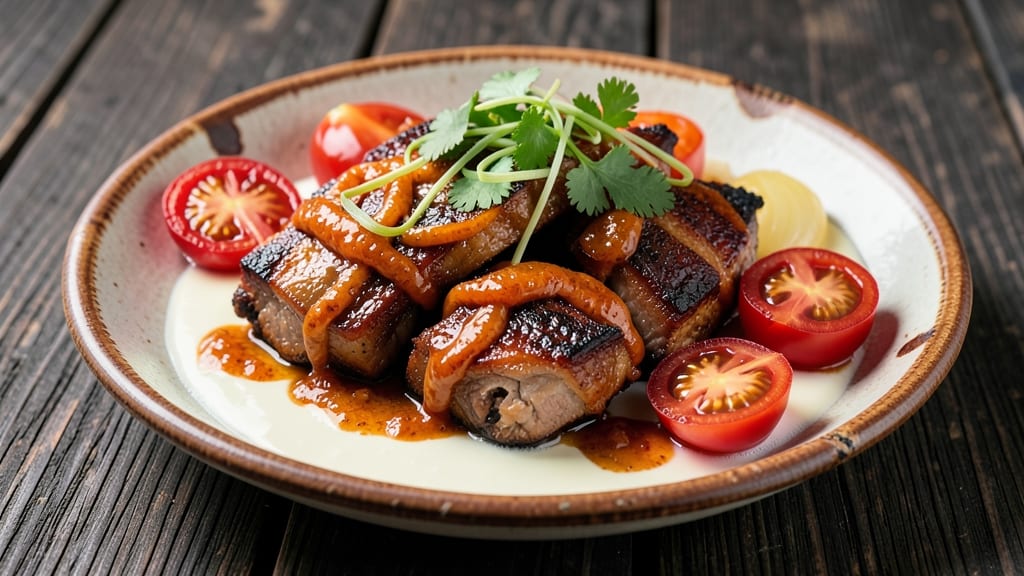
This bagoong pork recipe delivers the bold, umami-rich flavors of Filipino comfort food with minimal effort. 🔥 The secret lies in bagoong—a fermented fish or shrimp paste that adds depth and a slightly funky edge to every bite.
I first encountered this dish during my time in Charleston, where Filipino chefs introduced me to its complex balance of savory, salty, and tangy notes.
The beauty of this recipe is its simplicity: tender pork simmered with garlic, onions, and bagoong until caramelized and rich. Unlike other pork dishes, bagoong doesn’t just season—it transforms the meat into something deeply flavorful with just a few key ingredients.
The slow cooking process ensures the pork stays juicy while absorbing the aromatic paste.
By the end, you’ll have a dish that’s hearty enough for a family dinner but simple enough for a weeknight meal. The pork will be fork-tender with a glossy, caramelized finish, while the bagoong adds layers of umami that linger on the palate.
Serve it over steamed rice to soak up every last bit of that savory sauce.
This recipe is a celebration of Filipino flavors, made approachable for home cooks. The key is balancing the bagoong’s intensity with sweet and sour elements, creating a dish that’s both comforting and exciting. Let’s get cooking—your taste buds will thank you.
Ingredients for bagoong pork
Pantry staples meet Filipino magic—just 13 ingredients for a dish packed with umami depth.
| Ingredient | Amount | Notes |
|---|---|---|
| Pork Shoulder (or Pork Butt) 🥩 | 1 ½ lb | Cut into 1.5-inch cubes |
| Bagoong (Fermented Shrimp or Fish Paste) 🦐 | ¼ cup | Filipino specialty, not subbed |
| Yellow Onions 🧅 | 1 whole | Thinly sliced, about 1.5 cups |
| Garlic Cloves 🧄 | 8 cloves | Minced, about 2 tbsp |
| Coconut Milk 🥥 | 1 can | Full-fat, 13.5 oz can |
| Medium Tomatoes 🍅 | 2 whole | Diced, about 1 cup |
| Sugar 🍯 | 2 tbsp | White or brown |
| White Vinegar 🍶 | 1 tbsp | Or cane vinegar |
| Black Peppercorns 🌶️ | ½ tsp | Freshly ground |
| Bay Leaves 🌿 | 2 whole | Dried, remove before serving |
| Salt 🧂 | 1 ½ tsp | Kosher or sea salt |
| Olive Oil 🫒 | 2 tbsp | For searing pork |
| Fresh Cilantro 🌿 | ¼ cup | Chopped, for garnish |
Bagoong is the star here, and Filipino markets are your best bet for authentic paste—look for the dark, funky kind with shrimp or fish. If you can't find it, Asian grocery stores often carry it in the refrigerated section. The pork cut matters: shoulder or butt stays juicy during slow cooking, while tenderloin dries out. I always grab the bone-in version for extra flavor, but boneless works too. For the coconut milk, full-fat is non-negotiable—it adds richness that light versions can't match.
No bagoong? Anchovy paste or fish sauce at half the amount gets you close, though it won't have the same funk. Swap tomatoes for tomato paste (1 tbsp) if you're in a rush—just remember to add a splash of water. The sugar and vinegar balance the bagoong's saltiness, so don't skip them. For extra depth, add 1 tsp soy sauce if you've got it. The garlic can be pre-minced from a jar (trust me on the time-saver), but fresh has more punch. If your onions are stubbornly large, char them first for smoky flavor—just slice after.
This dish tastes even better the next day, so double the batch if you're feeding a crowd. Store leftovers in the fridge for 4-5 days or freeze for 3 months. I always keep a portion in the freezer—perfect for lazy nights. The sauce thickens as it cools, so add a splash of water or coconut milk when reheating. Serve over rice to soak up every last bit of that savory sauce, and garnish with fresh cilantro right before eating—it brightens up the dish.
Why You'll Love This Recipe
- One-Pot Magic: Honestly, I swear by this recipe—just sear the pork, toss in the onions and garlic, then let the bagoong and coconut milk work their magic in one pot. No chopping boards left sticky, no extra dishes to wash.
- Umami Bomb: That bagoong paste? It’s the star. Salty, funky, and just sweet enough—it melts into the pork like a flavor hug, while the coconut milk keeps it rich without being heavy. (Yes, even on a Tuesday night.)
- Leftovers Win: Between us, this dish tastes better the next day. The pork gets even more tender, and the sauce thickens into something dangerously delicious. I make a double batch just so I can reheat it for lunch.
- Budget Stretch: Pork shoulder is cheap, bagoong lasts forever, and a can of coconut milk goes a long way. Feed four for under $15, and you’ll have enough for leftovers—or a lunch for the week. My wallet thanks me every time.
Step-by-step instructions for bagoong pork recipe
Here's how to create a rich, umami-packed Filipino dish that brings the bold flavors of bagoong to life.
🔥 Step 1: Sear the Pork Cubes for Maximum Flavor
Heat a large Dutch oven or deep skillet over medium-high heat and add the 2 tablespoons olive oil. Once shimmering, add the 1.5 lb pork shoulder cubes in a single layer, leaving space between each piece. Let them sear undisturbed for 3-4 minutes until they develop a deep golden-brown crust.
I press down gently on the pork cubes during the first minute—this prevents them from curling and ensures even contact with the pan. Once browned on one side, turn them carefully with tongs and repeat on the second side. You'll know they're ready when they release easily from the pan and have a rich caramelized color. Remove the pork and set aside temporarily—we'll return it to the pot later.
🍳 Step 2: Build the Bagoong Base
In the same skillet, reduce heat to medium and add the 0.25 cup bagoong. Let it sizzle for 1-2 minutes until the raw aroma gives way to a nutty, fermented scent. This is where the magic happens—the bagoong's umami will infuse into the pork as it cooks.
Add the thinly sliced yellow onions and minced garlic cloves (about 2 tablespoons worth). Cook for 3-4 minutes until the onions soften and become translucent, but don't let them brown. Here's the thing—if the bagoong starts to stick, add a splash of water to loosen it. The goal is to create a flavorful paste that will coat the pork beautifully.
🥘 Step 3: Simmer the Sauce with Coconut and Tomatoes
Pour in the 1 can coconut milk and stir to combine with the bagoong mixture. Add the diced medium tomatoes (about 1 cup total), 2 tablespoons sugar, 1 tablespoon white vinegar, 0.5 teaspoon freshly ground black peppercorns, 2 whole bay leaves, and 1.5 teaspoons salt. Return the pork cubes to the skillet and bring everything to a gentle simmer.
Cover and cook for 45-50 minutes on low heat, stirring occasionally. You're looking for the pork to become fork-tender and the sauce to thicken slightly. The tomatoes should break down into the sauce, creating a rich, slightly sweet base. If the sauce gets too thick, add 2-3 tablespoons water to maintain the right consistency. The bay leaves will infuse their earthy aroma—just remember to remove them before serving.
⏰ Step 4: Finish and Garnish for Perfect Presentation
Once the pork is fork-tender (you should be able to pierce it easily with a fork), uncover the skillet and increase heat to medium-high. Let the sauce reduce for 5-7 minutes until it coats the back of a spoon. The pork should be cooked through with a beautiful caramelized sheen.
Remove the bay leaves and discard them. Stir in the 0.25 cup chopped fresh cilantro just before serving—this adds a bright, herbal note that cuts through the richness. Taste and adjust seasoning if needed, adding a pinch more salt or a splash of vinegar if desired. The final dish should balance sweet, salty, tangy, and umami flavors in every bite.
Pro Tips For Making Bagoong Pork
- CRISP THE BAGOONG FIRST: Toast the bagoong in a dry pan for 30 seconds—just until the oil starts to bubble. This cuts through the funk and deepens its flavor without burning it. I used to skip this, and the dish always tasted flat until I tried it.
- SIMMER LOW AFTER COCONUT MILK: Once you add the coconut milk, drop the heat to the lowest setting and let it bubble gently. Skipping this step turns the sauce grainy and separates the fat. Sounds counterintuitive, but it’s the thing that makes the sauce velvety.
- SAUTE ONIONS UNTIL GOLDEN: Don’t rush the onions—cook them until they’re deep golden, not just translucent. This builds sweetness that balances the saltiness of the bagoong. I learned this the hard way after serving pale, bitter onions in my first batch.
- USE FAT-TRIMMED PORK: Trim excess fat from the pork shoulder before cooking, but leave a thin layer on the surface. Too much fat makes the sauce greasy, while none makes the meat dry. Aim for about ¼-inch of fat—enough for flavor, not for a swimming pool of oil.
Pro cooking tips for bagoong pork
Pork Cut Matters
For this dish, pork shoulder or butt is your best friend—it stays juicy during the long simmer. I always ask my local butcher for 1.5-inch cubes with a little fat cap on each piece.
The fat renders beautifully, creating a glossy sauce. If you're using pork tenderloin, cut it into 1-inch cubes and reduce the cooking time by 15 minutes—it's leaner and cooks faster. 🥩
Bagoong Handling Tips
The bagoong is where the magic happens, but it's also where beginners get nervous. Start by crushing ½ cup of the paste in the bottom of your pan with the back of a spoon—this helps it release its oils and flavors.
If it's too strong for your taste, balance it with 1 extra tablespoon of sugar or ½ teaspoon more vinegar. Pro tip: Filipino markets often sell bagoong in small jars—buy a few to experiment with different varieties. 🦐
Sauce Consistency Control
This sauce should coat the pork but still be spoonable—not too thick, not too thin. If it gets too thick during simmering, add 2 tablespoons of water or coconut milk at a time.
I like to test the consistency by dipping a fork in—if the sauce clings but still drips slightly, you're golden. For extra richness, stir in 1 tablespoon of tomato paste during the final 5 minutes of cooking. The sauce will develop a beautiful caramelized sheen that signals it's ready. 🍲
Low-and-Slow Simmering
Resist the urge to rush this step—low heat is key. I use a Dutch oven with a tight-fitting lid to trap steam and cook the pork evenly.
If your pan isn't deep enough, transfer everything to a baking dish and finish in a 325°F oven for 30 minutes. The goal is fork-tender pork with a sauce that's rich but not dry. I check doneness by piercing a cube—if the juices run clear, it's perfect. 🕒
Finishing Touches
Those last 5-7 minutes of uncovered simmering are crucial—they let the sauce reduce and develop depth. I always finish with fresh cilantro because it brightens the dish and adds a pop of color. For extra umami, sprinkle ½ teaspoon of fish sauce over the top right before serving.
The pork should be caramelized with a glossy sheen, and the sauce should cling beautifully to each bite. Trust me, this is where the dish comes together. ✨
Equipment Shortcuts
No Dutch oven? A large heavy skillet with a lid works just fine. I've even made this in a slow cooker on low for 6 hours—just add everything except the cilantro and cook until the pork is tender.
For the searing step, if your pan isn't big enough, work in batches. The key is getting that beautiful crust on the pork before it hits the sauce. A meat thermometer is worth the investment—aim for 203°F internal temperature for perfect doneness. 🌡️
Nutrition facts
Frequently asked questions
What makes bagoong pork different from other Filipino pork dishes?
Bagoong pork stands out because of its fermented shrimp or fish paste—bagoong—that adds a complex, funky umami flavor unlike other Filipino dishes. While dishes like lechon kawali use vinegar and garlic, or afritada relies on tomatoes, bagoong pork gets its depth from the fermented paste's savory, slightly salty taste. The slow simmer with coconut milk creates a rich, caramelized sauce that's uniquely comforting.
Can I substitute bagoong with something else if I can't find it?
Yes, but the flavor won't be identical. Try 1 tablespoon anchovy paste or 1 teaspoon fish sauce mixed with ½ teaspoon soy sauce for a similar umami boost. For a closer match, combine 1 tablespoon miso paste with ½ teaspoon white vinegar. Remember, bagoong has a distinct funk—these substitutes will be milder but still delicious.
How do I know when the pork is fully cooked?
The pork is done when it reaches 203°F internal temperature or when a fork easily pierces it with no pink juices. For visual cues, look for a caramelized sheen on the meat and a sauce that coats the back of a spoon. If using pork shoulder, it should be fork-tender after 45-50 minutes of simmering.
Can I make this dish in a slow cooker? Brown the pork first, then transfer everything (except cilantro) to a slow cooker and cook on low for 6-7 hours or high for 3-4 hours. The slow cooker keeps the pork juicy while letting flavors meld beautifully. Just
What sides pair best with bagoong pork?
Steamed jasmine rice is the classic choice—it soaks up the rich sauce perfectly. For extra flavor, serve with garlic fried rice or sautéed string beans. A crisp green salad with vinegar dressing balances the richness, while pinakbet (Filipino vegetable stir-fry) adds vibrant texture.