
Main Courses
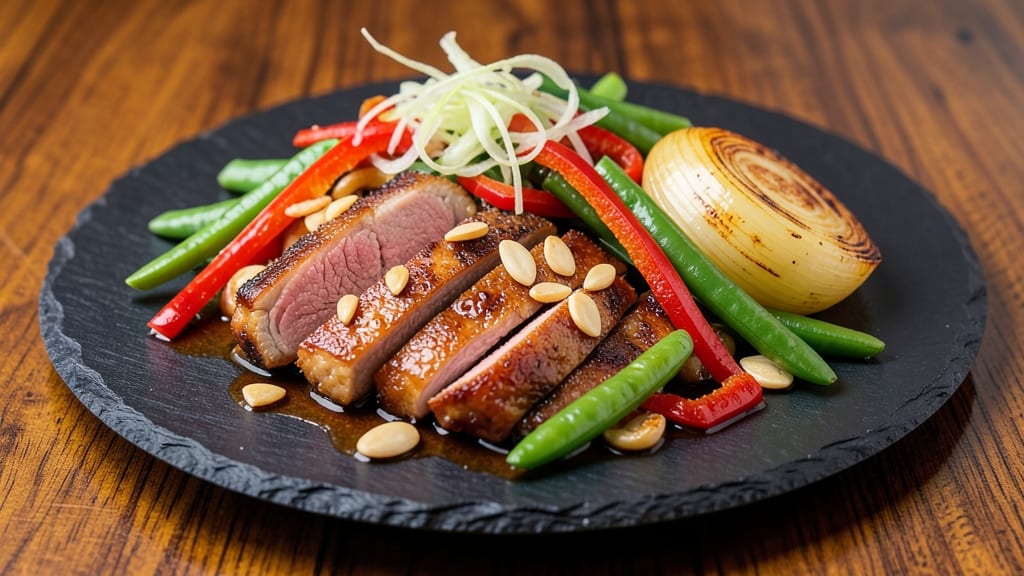
This Asian pork tenderloin stir fry delivers velvet-soft meat and crisp-tender vegetables in under 30 minutes—proof that restaurant-quality Asian flavors belong in your home kitchen. 🔥 The secret lies in a simple marinade of soy sauce, ginger, and garlic that tenderizes the pork while building deep umami flavor, then a high-heat stir-fry that creates perfect texture contrasts.
I perfected this technique during my time in Charleston, where I learned how quick cooking preserves natural sweetness in pork while developing that signature wok-hei smokiness.
The recipe starts with thinly sliced pork tenderloin—naturally tender but benefits from just 15 minutes of marinating time—then moves to the stove where proper heat control transforms simple ingredients into a vibrant, balanced dish.
We're talking caramelized edges on the pork, crunchy bell peppers, and tender snap peas, all coated in a glossy sauce that's equally at home with a wok or cast iron skillet.
The beauty of this method is its adaptability: swap in whatever vegetables you have on hand while maintaining that essential flavor foundation.
What makes this stir fry truly special is how it balances texture and flavor without requiring rare ingredients. The pork emerges fork-tender with just a slight char, while the vegetables maintain their natural crunch, creating every bite's satisfying contrast.
This dish serves as a complete meal on its own or pairs beautifully with steamed jasmine rice and quick-pickled vegetables for a full Asian-inspired spread. The aromatics alone—fresh ginger, garlic, and a touch of chili—will have your kitchen smelling like a bustling street market.
Whether you're feeding a family or meal prepping for the week, this recipe delivers consistent results every time. The marinade can be prepped ahead, and the stir-fry comes together in minutes when you're ready to cook.
Perfect for weeknight dinners or special occasions, it's the kind of dish that transforms simple ingredients into something memorable. Let's get started on creating this restaurant-worthy stir fry at home.
Ingredients for asian pork tenderloin stir fry
Restaurant-quality Asian stir-fry starts with these simple, flavor-packed ingredients.
| Ingredient | Amount | Notes |
|---|---|---|
| Pork Tenderloin 🐖 | 1 lb | Thinly sliced against grain |
| Red Bell Pepper 🌶️ | 1 whole | Sliced into thin strips |
| Snap Peas 🌱 | 1 cup | Fresh or frozen, thawed |
| Yellow Onion 🧅 | 1 whole | Thinly sliced |
| Fresh Ginger 🌿 | 1 tbsp | Finely grated, aromatic |
| Garlic Cloves 🧄 | 4 cloves | Minced, aromatic |
| Low-Sodium Soy Sauce 🍶 | ⅓ cup | For marinade and sauce |
| Sesame Oil 🫒 | 1 tbsp | Toasted, for aroma |
| Rice Vinegar 🍶 | 1 tbsp | For brightness |
| Honey 🍯 | 1 tbsp | For subtle sweetness |
| Vegetable Oil 🫒 | 2 tbsp | High smoke point |
| Red Chili Flakes 🌶️ | ½ tsp | Adjust for heat |
| Salt 🧂 | ½ tsp | Kosher preferred |
| Black Pepper 🌶️ | ¼ tsp | Freshly ground |
| Green Onions 🧅 | 2 whole | Sliced, for garnish |
The pork tenderloin is your star—look for evenly shaped pieces at the butcher counter or pre-sliced at Whole Foods or Trader Joe's. Thin slices cook faster and stay tender. Fresh ginger and garlic are non-negotiable here—their aromatic punch makes all the difference. Penzeys or the produce section at Asian markets have the freshest ginger, but the grocery store stuff works in a pinch. For the bell peppers, red or yellow add sweetness, but green keeps the classic stir-fry vibe. Snap peas? Frozen works just as well as fresh—thaw and drain before using.
No fresh ginger? Powdered ginger at half the amount gets you close, but the flavor won't be as vibrant. Short on soy sauce? Coconut aminos work in a bind, though they're slightly sweeter. The sesame oil might be pricey, but Trader Joe's has a great affordable option—don't use the cooking oil version. Chili flakes can be swapped for Sichuan peppercorns if you want a numbing kick. For the honey, agave or maple syrup work too, but honey's floral notes play perfectly here. Prefer your stir-fry less sweet? Cut the honey to 1 teaspoon and add a splash more rice vinegar.
Marinade keeps for 3 days in the fridge—double it if you're meal prepping. The pork slices cook in minutes, so time your veggies to be prepped and ready. Store leftovers in airtight containers for 3-4 days or freeze for 2 months. Reheat gently in a skillet with a splash of water to keep everything tender. Garnish with green onions right before serving—they add freshness and color. This dish tastes even better the next day as flavors meld, so make extra if you can!
Why You'll Love This Recipe
- One-Pan Magic: I swear by this recipe when I’m too tired to scrub a million dishes—just toss everything on one skillet, and you’re done. The pork stays juicy while the veggies caramelize, and cleanup? One spatula, one pan. That’s my kind of cooking.
- Umami Bomb: The ginger and soy sauce combo hits just right—bright, savory, with a little kick. Between us, the snap peas add this weirdly addictive crunch that makes it feel like a restaurant dish, not just stir-fry.
- Lunchbox Hero: Here’s what sold me—it’s perfect for meal prep. Double the batch, pack it in containers, and you’ve got lunch sorted for days. My kids actually eat the leftovers (yes, even on a Tuesday).
- Budget Win: Pork tenderloin is lean, affordable, and cooks faster than a steak—no fancy cuts needed. Throw in a bell pepper and onion, and you’ve got a filling, flavor-packed meal that won’t break the bank.
Step-by-step instructions for Asian pork tenderloin stir fry
Here's how to transform simple ingredients into restaurant-quality stir fry with perfectly tender pork and vibrant vegetables.
🔪 Step 1: Prep Ingredients for Maximum Flavor
Start by slicing the 1 lb pork tenderloin against the grain into ¼-inch thick strips. This ensures tender, bite-sized pieces that cook quickly and evenly. Place them in a bowl and set aside.
Next, slice the 1 whole red bell pepper into thin strips and halve the 1 cup snap peas if they're large. Thinly slice the 1 whole yellow onion and finely grate the 1 tbsp fresh ginger using a microplane. Mince the 4 cloves garlic and slice the 2 whole green onions for garnish. Having everything prepped and ready prevents burning and ensures even cooking.
🍳 Step 2: Marinate the Pork for Velvety Texture
In a small bowl, whisk together ⅓ cup low-sodium soy sauce, 1 tbsp rice vinegar, 1 tbsp honey, 1 tbsp sesame oil, ½ tsp red chili flakes, ½ tsp salt, and ¼ tsp black pepper. Pour this marinade over the sliced pork and toss gently to coat evenly. Let it marinate for at least 15 minutes (up to 30 minutes for deeper flavor).
The acidity from the rice vinegar and the sweetness of the honey work together to tenderize the pork while the soy sauce adds umami depth. Don't skip this step—it's what transforms tough pork into melt-in-your-mouth perfection.
🔥 Step 3: Sear the Pork Until Just Cooked
Heat 2 tbsp vegetable oil in a large skillet or wok over medium-high heat until shimmering. Add the marinated pork in a single layer and let it sear undisturbed for 1-2 minutes until the edges turn golden. This initial sear creates a flavorful crust while keeping the interior tender.
Once the pork is cooked through (internal temperature should reach 145°F), remove it from the pan and set it aside. Don't overcook it here—you'll finish cooking it with the vegetables. If the pork releases easily from the pan, it's ready. If it sticks, let it cook a little longer.
🥘 Step 4: Stir-Fry Vegetables and Combine
In the same skillet, add the sliced yellow onion, red bell pepper, and snap peas. Stir-fry over medium-high heat for 3-4 minutes until the vegetables begin to soften but still retain their crisp texture. Add the minced garlic and ginger, cooking for an additional 30 seconds until fragrant.
Return the pork to the pan and pour any remaining marinade over the vegetables. Stir everything together for 1-2 minutes until the pork is heated through and the sauce has thickened slightly. The vegetables should still have a satisfying crunch—this is key for that perfect stir-fry texture.
🍽️ Step 5: Finish and Serve Immediately
Remove the pan from heat and stir in 1 tbsp toasted sesame oil for added aroma. Taste and adjust seasoning with additional low-sodium soy sauce or salt if needed. Garnish with sliced green onions and serve immediately over steamed rice or noodles.
This stir fry is best enjoyed right away while the pork is still tender and the vegetables retain their crispness. The combination of sweet, savory, and slightly spicy flavors makes every bite irresistible. Leftovers can be refrigerated for up to 2 days, but they won't taste quite as vibrant.
Pro Tips For Making Asian Pork Tenderloin Stir Fry
- SEAR THE PORK FIRST: Before tossing in the stir-fry, hit the pork tenderloin with a quick sear in a screaming-hot pan—no need for marinade. The crust locks in flavor and keeps it juicy while you build the sauce later. I used to skip this, and the pork always tasted bland compared to restaurant versions.
- SLICE GINGER THINLY: Forget the thick chunks—this stir-fry needs ginger sliced paper-thin (almost translucent) so it dissolves into the sauce instead of sitting as chewy bits. Use a sharp knife or mandoline, and if you’re lazy, grate it fine. Your sauce will thank you.
- DON’T OVERCROWD THE PAN: Pork tenderloin cooks fast, but if you pile everything in at once, you’ll steam the veggies and turn the pork into rubber. Cook the pork first, then remove it while you prep the veggies—this keeps the snap peas crisp and the onions caramelized.
- USE FROZEN SNAP PEAS: Fresh snap peas take forever to trim, and they often turn to mush. Frozen ones are pre-cut, thaw quickly in the pan, and stay bright green. Just toss them in with the onions—they’ll crisp up perfectly without extra effort. (Yes, even the frozen ones work.)
Flavor customization for this recipe
Sweet & Tangy Twist
Add 1 tbsp hoisin sauce to the marinade for a deeper, slightly sweet profile that balances the savory soy. I also like tossing in ½ cup pineapple chunks during the final stir-fry stage—they caramelize beautifully and add a tropical brightness.
For extra tang, finish with 1 tsp fish sauce (like Red Boat) and a squeeze of lime. 🌟
Spicy Sichuan Kick
Swap the red chili flakes for 1 tsp Sichuan peppercorns toasted and ground with 1 tsp gochugaru (Korean chili flakes). The numbing heat from Sichuan peppercorns pairs perfectly with the pork's richness.
Add 1 minced Thai chili and a splash of chinkiang vinegar (found at Asian markets) for complexity. Garnish with crushed peanuts for texture.
Umami Bomb Boost
For maximum depth, stir 1 tbsp miso paste (white or red) into the marinade and add 1 tsp oyster sauce during the final stir. I often use Matsuhisa miso for its balanced fermented flavor.
For extra umami, sear the pork with 1 tbsp dried shiitake mushrooms (rehydrated) in the pan before removing it. The mushrooms add a meaty, earthy note that elevates the dish.
Herbaceous Garden Fresh
Swap the green onions for cilantro and Thai basil—toss ¼ cup chopped cilantro and ¼ cup torn Thai basil into the final stir-fry. Add 1 tsp lemongrass paste (or juice from 2 stalks) to the marinade for a fragrant, citrusy lift.
The herbs brighten the dish while keeping it light and summery. Perfect for a Southeast Asian-inspired meal.
Smoky BBQ Fusion
For a Carolina-style twist, add 1 tbsp smoked paprika and ½ tsp liquid smoke to the marinade. Use ½ cup BBQ sauce (like Sweet Baby Ray's) instead of soy sauce, and finish with ¼ cup pickled red onions for tang.
This fusion brings smoky, sweet, and tangy flavors together in one unforgettable dish. 🔥
Creamy Coconut Version
Replace the sesame oil with 1 tbsp coconut oil and add ¼ cup light coconut milk to the stir-fry during the final minute. Stir in 1 tsp curry powder and ½ tsp turmeric for warmth.
Garnish with toasted coconut flakes and lime zest. This version feels luxurious while keeping the dish quick and vibrant.
Nutrition facts
Frequently asked questions
Can I use regular pork chops instead of tenderloin?
Not ideal—pork chops are tougher and require longer cooking. If you must, use bone-in chops cut into ¼-inch strips and marinate for 30-45 minutes instead of 15. For best results, stick with tenderloin or boneless loin chops—both stay tender when sliced thin against the grain.
How do I prevent the pork from drying out?
Overcooking is the #1 cause! Cook pork just until it reaches 145°F (about 1-2 minutes per side) and remove immediately. Use a meat thermometer to avoid guesswork. Also, keep your pan heat at medium-high—too high burns the outside before the inside cooks.
What's the best way to store leftovers?
Let the stir fry cool completely, then store in an airtight container for up to 3 days. For longer storage, freeze portions for 2 months. Reheat gently in a skillet with 1 tsp water to maintain moisture—microwaving makes it rubbery.
Can I make this in a nonstick skillet?
Nonstick pans work great for stir fries—they prevent sticking and require less oil. Use 1 tbsp oil instead of 2, and stir frequently to avoid hot spots. Just avoid high heat if your pan isn't rated for it (check manufacturer guidelines).
What vegetables work best for substitutions?
Keep it crunchy: broccoli florets, zucchini, carrots, or mushrooms all work well. For color, swap red bell pepper for yellow or orange. Avoid watery veggies like cabbage or lettuce—they steam instead of crisp up. Prep all veggies to similar sizes for even cooking.