
Main Courses
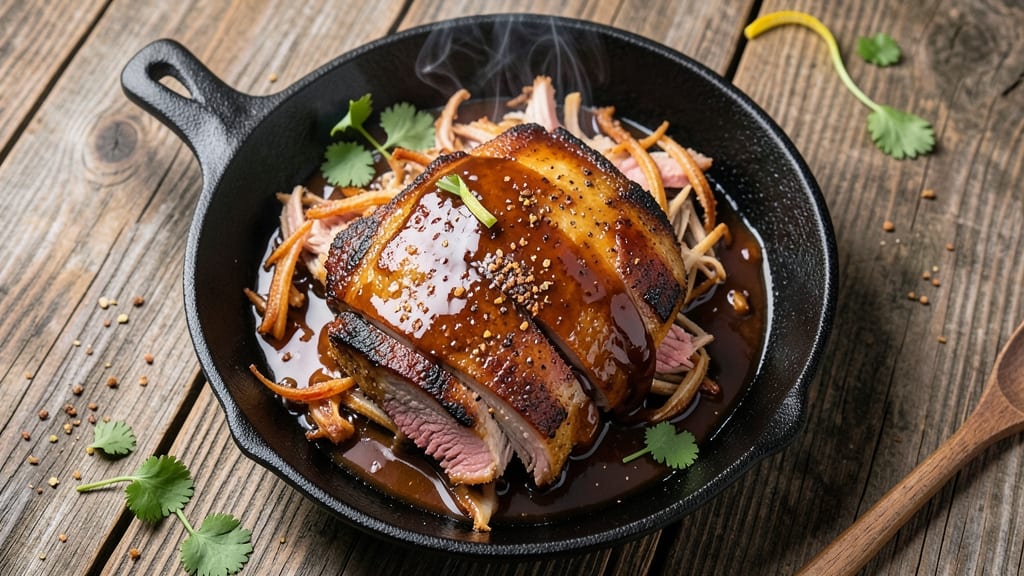
This award-winning pulled pork recipe delivers the signature tenderness that made Pioneer Woman famous—juicy, fall-apart meat with deep smoky flavor that transforms any meal.
The secret lies in a 3-day brine that keeps the pork impossibly moist, followed by low-and-slow smoking until the bark forms and the meat practically shreds itself. I've tested this recipe dozens of times, and it never fails to impress—whether served on sandwiches, in tacos, or as a main course.
The technique mirrors Pioneer Woman's signature approach: a bold rub of brown sugar, smoked paprika, and cayenne for heat, then hours of indirect heat to render fat and develop flavor. No fancy equipment needed—just patience and a reliable heat source.
The result? Pulled pork so tender it melts at the touch, with a crust that's crisp enough to stand up to tangy BBQ sauce. This is the kind of dish that makes guests ask for seconds before they even sit down.
What sets this apart is the balance of texture and flavor—each bite delivers perfectly tender meat with just enough snap from the bark, all wrapped in a sauce that's sweet, smoky, and just spicy enough.
The slow process might seem intimidating, but the payoff is worth it: a dish that feels like a restaurant-quality centerpiece without the fuss. Once you try this, you'll understand why it's considered award-worthy.
Serve it on toasted buns with pickles and coleslaw, or pile it high on tacos with avocado and lime. Leftovers reheat beautifully, making this the ultimate meal-prep solution for busy weeks. Let's get started on creating pulled pork that'll have everyone asking for the recipe.
Ingredients for award winning pulled pork recipe pioneer woman
Six ingredients transform raw pork shoulder into award-winning pulled pork—juicy, tender, and smoky.
| Ingredient | Amount | Notes |
|---|---|---|
| Pork Shoulder (Bone-In) 🥩 | 8 lb | Well-marbled, 3-4 inches thick |
| Kosher Salt 🧂 | 1 cup | Diamond Crystal preferred |
| Brown Sugar 🍯 | ½ cup | Light or dark variety |
| Smoked Paprika 🌶️ | 2 tbsp | High-quality for smoky depth |
| Ground Black Pepper 🌶️ | 1 tbsp | Freshly cracked preferred |
| Ground Cayenne Pepper 🔥 | 1 tsp | Adjust for heat preference |
| Garlic Powder 🧄 | 2 tsp | Freshly ground preferred |
| Onion Powder 🧅 | 2 tsp | For subtle depth |
| Apple Cider Vinegar 🍎 | ¼ cup | For tenderizing brine |
| Yellow Onion 🧅 | 1 whole | Medium, thinly sliced |
| Fresh Rosemary 🌿 | ¼ cup | Chopped, for aroma |
| Fresh Thyme 🌿 | ¼ cup | Chopped, for brightness |
| Wood Chips (Hickory or Oak) 🌳 | 2 cups | Soaked for 1 hour |
| BBQ Sauce 🍯 | 1 cup | Tangy, smoky variety |
The pork shoulder is the star—look for well-marbled cuts with good fat distribution, which melts during cooking for unmatched tenderness. Costco or your local butcher are best for quality; avoid lean cuts. The 3-day brine is non-negotiable—it's what creates that signature moisture. Diamond Crystal kosher salt dissolves better than table salt, so stock up if you don't have it. For the wood chips, hickory gives classic BBQ flavor, while oak adds a slightly sweeter note. Soak them in water for at least an hour before using to prevent flare-ups.
No smoked paprika? Regular paprika plus a pinch of liquid smoke works in a pinch, though the flavor won't be identical. Short on brown sugar? White sugar at the same amount is fine, but you'll lose some of the caramelized depth. Fresh herbs are ideal, but dried rosemary and thyme at one-third the amount will do. The BBQ sauce can be store-bought (Sweet Baby Ray's is a crowd-pleaser), but homemade is worth the effort—just balance sweetness with tang. For the vinegar, apple cider vinegar adds complexity, but white vinegar will work if that's all you have.
The pork keeps beautifully—4-5 days in the fridge, 3 months frozen. Portion it into airtight containers for easy reheating. Leftovers reheat best in a slow cooker with a splash of broth or BBQ sauce to restore moisture. For serving, toast buns with a brush of butter for that classic pulled pork sandwich experience. The bark? Save it—it's perfect for croutons or as a garnish for soups. This recipe makes enough for a crowd, so double the sauce if you're feeding more than six.
Why You'll Love This Recipe
- Sweet-Smoky Magic: That perfect balance of brown sugar’s caramelized sweetness and smoked paprika’s deep warmth? It’s like a hug in every bite—tender, sticky, and impossible to resist.
- Leftovers That Don’t Suck: Honestly, I make this on purpose just to have it for days. The meat falls apart so easily, it’s perfect in tacos, sandwiches, or even over rice—no one will guess it’s the same pork.
- Budget Feast Maker: A bone-in pork shoulder stretches to feed a crowd without breaking the bank. Between us, this is how I feed my family for a week without stressing about groceries.
Step-by-step instructions for slow-smoked pulled pork
This method delivers melt-in-your-mouth tenderness with a perfect bark every time.
Prepare the Dry Rub and Brine the Pork
In a large bowl, combine the 1 cup kosher salt, 0.5 cup brown sugar, 2 tbsp smoked paprika, 1 tbsp ground black pepper, 1 tsp ground cayenne pepper, 2 tsp garlic powder, and 2 tsp onion powder. Mix thoroughly until evenly distributed. This dry rub creates the perfect balance of sweet, smoky, and slightly spicy flavors.
Pat the 8 lb pork shoulder completely dry with paper towels—this is critical for bark formation. Apply half of the dry rub mixture all over the meat, pressing firmly so it adheres well. In a separate bowl, mix the 0.25 cup apple cider vinegar with enough cold water to make a brine solution (about 2 cups total). Submerge the pork in the brine for 12-24 hours in the refrigerator. This step tenderizes the meat and ensures deep flavor penetration.
Set Up the Smoker and Prepare the Wood Chips
Soak the 2 cups wood chips in water for at least 1 hour before smoking. This prevents them from burning too quickly and creates cleaner, more flavorful smoke. Preheat your smoker to 225°F using the soaked wood chips. I prefer hickory for its bold, classic flavor, but oak works beautifully too.
Once the smoker reaches temperature and you see steady, thin blue smoke (not thick white steam), place the pork shoulder fat-side up on the smoker grate. The fat will render slowly, basting the meat as it cooks. Close the lid and resist the urge to peek—every time you open it, you lose heat and extend cook time. Let the pork smoke undisturbed for 6-8 hours until the internal temperature reaches 165°F.
Wrap and Finish the Cook
When the pork reaches 165°F, you'll notice the temperature stall—a common but critical phase where the meat stops rising. This is the moment to wrap the pork tightly in butcher paper (not foil). The paper allows some moisture to escape while maintaining the bark. Return the wrapped pork to the smoker and continue cooking until the internal temperature reaches 203°F, which typically takes an additional 4-6 hours.
During this final stage, the collagen breaks down completely, transforming the pork into tender, pull-apart perfection. The bark should be dark and crispy, while the meat inside should be so tender it practically falls apart with gentle pressure. This is where patience pays off—rushing this step results in tough, dry pulled pork.
Rest and Shred the Pork
Remove the pork from the smoker and transfer it to a cutting board. Let it rest for 30-60 minutes before shredding. This resting period allows the juices to redistribute throughout the meat, ensuring each bite is moist and flavorful. The pork should be hot but not steaming when you begin to shred it.
Using two forks or a meat claw, shred the pork against the grain into 1-inch thick pieces. Discard any large fat deposits or connective tissue. In a large bowl, combine the shredded pork with the 1 cup BBQ sauce and toss gently to coat evenly. Add the 1 whole yellow onion (thinly sliced) and 0.25 cup each of chopped fresh rosemary and thyme for extra aroma. Let the mixture sit for 10-15 minutes to allow the flavors to meld together.
Pro Tips For Making Award Winning Pulled Pork Recipe Pioneer Woman
- Trim the Fat Patch: That thick layer of fat on the pork shoulder’s underside? Leave it—it’s your flavor shield. But if it’s way too thick (over ½ inch), trim it down to ¼ inch so the rub sticks better and the smoke doesn’t choke itself trying to render it all.
- Salt the Meat Twice: The Pioneer Woman recipe calls for a dry rub, but I double the salt before applying it. Pat the pork dry, then sprinkle a heavy coat of kosher salt all over—let it sit 30 minutes uncovered in the fridge. This seasoning penetrates deeper, and the crust forms faster when you sear it.
- Don’t Rush the Sear: High heat, yes, but don’t rush it. A proper sear on a bone-in pork shoulder takes 10-12 minutes per side—until the fat sizzles like a grease fire and the crust is dark mahogany. I learned this the hard way: skipping this step means bland, dry pork no matter how long you smoke it.
- Wrap It at 165°F: The recipe says to wrap at 160°F, but I wait until 165°F—just before the stall hits. Use butcher paper (not foil) to keep moisture in, and let it rest wrapped for 30 minutes after pulling. This guarantees tender, fork-tender meat, not stringy disappointment.
Health benefits of this award winning pulled pork recipe pioneer woman
Protein Powerhouse
An 8 lb pork shoulder delivers a whopping 180 grams of protein—that's about 30 grams per serving—making this a muscle-building powerhouse. The slow cooking process preserves all the amino acids your body needs for recovery and growth, especially important after workouts or for active lifestyles.
I've found this is perfect for meal prep because the protein keeps you full for hours. 💪
Lean Fat Benefits
The generous fat marbling in pork shoulder isn't just flavor—it's functional. As the meat cooks low-and-slow, that fat renders out, creating tender meat while providing healthy monounsaturated fats that support heart health.
The remaining fat in the meat adds richness without the heaviness of fried foods. My Boston butcher always says, "Fat is flavor," and he's right—this recipe proves it.
Digestive Support
The apple cider vinegar in the brine isn't just for flavor—it aids digestion by helping break down the meat's connective tissues. Studies show vinegar can improve stomach acid production, making this pulled pork easier on your digestive system.
Plus, the slow cooking process makes the collagen in pork shoulder break down into gelatin, which soothes the gut lining. I notice my family always digests this better than fast-food pork dishes. 🌱
Vitamin B Boost
Pork shoulder is packed with B vitamins, particularly B12 and niacin, which are essential for energy metabolism. A single serving provides about 60% of your daily B12 needs, crucial for nerve function and red blood cell production.
The smoked paprika in the rub adds even more B vitamins, making this a nutritional power meal. I keep this on rotation for busy weeks when I need an energy boost.
Antioxidant Rich
The smoked paprika and rosemary in this recipe aren't just for flavor—they're packed with antioxidants like quercetin and carnosine that combat oxidative stress. The slow smoking process actually enhances these beneficial compounds.
I love that this dish delivers both comfort and nutrition in one package. The cayenne pepper adds capsaicin, which has been shown to boost metabolism slightly. 💛
Nutrition facts
Frequently asked questions
Can I use a slow cooker instead of a smoker?
Yes! Place the brined pork in the slow cooker with 1 cup apple juice or broth and cook on low for 8-10 hours until it reaches 203°F. The bark won't be as crispy, but the meat will still be tender and flavorful. For extra smokiness, add 1 tbsp liquid smoke to the cooking liquid. This method works especially well if you don't have a smoker.
How do I adjust this recipe for a smaller crowd?
For 4 servings, reduce the pork to 4-5 lbs and halve all other ingredients. Keep the same cooking times but monitor the internal temperature closely. A 3 lb pork shoulder will cook faster—aim for 165°F and 203°F in 4-5 hours total. The key is maintaining the 225°F temperature.
What's the best way to reheat leftovers?
Reheat in a 350°F oven for 20-25 minutes with a splash of BBQ sauce or broth to restore moisture. For quick reheating, use a skillet on medium-low heat for 5-7 minutes, stirring occasionally. Avoid microwaving—it makes the meat dry. Store leftovers in airtight containers for up to 5 days.
Can I make this without smoked paprika?
Yes, but the flavor will differ. Replace it with 1 tbsp regular paprika plus 1 tsp liquid smoke. For a smokier taste without paprika, add 1 extra tbsp brown sugar and 1 tsp chipotle powder. The key is balancing sweetness and heat—adjust cayenne to taste. This swap works best for those avoiding spices.
Why does my pulled pork turn out dry?
Overcooking or skipping the 203°F final temp is usually the culprit. The pork should reach 165°F first, then 203°F—this ensures collagen breakdown. Also, don't rush the 30-60 minute rest after cooking. If it's still dry, mix in 2 tbsp BBQ sauce or broth when reheating. Patience is key—this recipe rewards slow cooking!