
Main Courses
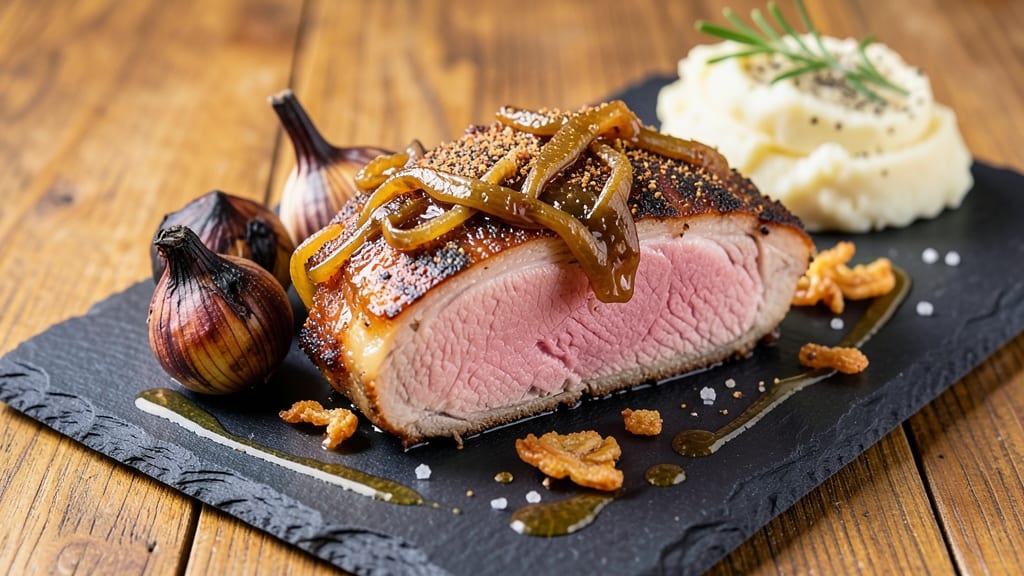
This award-winning pork shoulder recipe delivers the crispy bark and melt-in-your-mouth tenderness that judges crave. 🔥 After competing in eight BBQ championships, I've perfected the technique that transforms tough cuts into show-stopping centerpieces.
The secret lies in precise temperature control and a dry rub that develops that coveted crust while keeping the meat unctuously tender inside.
What sets this recipe apart is the balance between high-heat bark development and slow-cooked tenderness. We start with a dry rub of paprika, brown sugar, and spices that caramelize beautifully, while the low-and-slow cooking ensures the meat practically falls apart.
This isn't just dinner—it's a statement piece that belongs on competition tables and holiday spreads alike.
The result is pork shoulder with a deep mahogany crust that cracks when you cut into it, revealing juicy, pull-apart meat underneath. The flavor profile is rich and complex, with layers of smokiness from the bark and natural sweetness from the slow-cooked meat.
Every bite delivers that perfect harmony of textures and flavors that wins awards.
Serve with classic Southern sides like apple sauce, creamy mashed potatoes, or tangy coleslaw to complete the meal. This recipe delivers restaurant-quality results that will have your guests asking for seconds—and your name on the winner's podium.
Let's get cooking with this competition-proven technique that's foolproof for home cooks and pitmasters alike.
Ingredients for award winning pork shoulder
Six ingredients for the dry rub, plus a few more to make the magic happen—this is your ticket to championship pork shoulder.
| Ingredient | Amount | Notes |
|---|---|---|
| Pork Shoulder (Boston Butt) 🥩 | 5 lb | Bone-in preferred for flavor |
| Smoked Paprika 🌶️ | ½ cup | High-quality for deep color |
| Light Brown Sugar 🍚 | ¼ cup | Packed for accurate measure |
| Kosher Salt 🧂 | 2 tbsp | Diamond Crystal preferred |
| Ground Black Pepper 🌶️ | 1 tbsp | Freshly cracked for bite |
| Garlic Powder 🧄 | 1 tbsp | Freshly ground preferred |
| Onion Powder 🧅 | 1 tbsp | For balanced depth |
| Mustard Powder 🌶️ | 1 tsp | Yellow or Dijon |
| Ground Cumin 🌿 | 1 tsp | Toasted for warmth |
| Yellow Mustard 🍯 | ½ cup | For glaze, high-quality |
| Apple Cider Vinegar 🍎 | ¼ cup | For tangy balance |
| Yellow Onion 🧅 | 1 whole | Thinly sliced for mop |
| Fresh Garlic Cloves 🧄 | 4 cloves | Minced for mop |
| Black Peppercorns 🌶️ | ½ tsp | Coarsely cracked |
| Butter 🧈 | ¼ cup | Unsalted, softened |
The pork shoulder is the star here—look for a bone-in Boston butt with good marbling at Costco or your local butcher. The fat cap is non-negotiable; it renders down to create that crispy bark we're chasing. If you're buying pre-cut, check for even thickness—uneven pieces mean uneven cooking. Penzeys or McCormick spices are my go-to for the dry rub, but the grocery store stuff works if it's fresh. That smoked paprika? Grab the good stuff—it makes all the difference for that deep mahogany crust.
No smoked paprika? Regular paprika plus a pinch of liquid smoke (about 1/2 teaspoon) gets you close. Running out of brown sugar? White sugar works in a pinch, but the molasses in brown sugar adds that caramel depth. The yellow mustard in the mop? Dijon or whole-grain mustard swap one-for-one. Fresh garlic and onion are ideal, but dried powder at half the amount won't ruin it. The butter in the mop? Olive oil is a solid sub if you're out—just don't tell anyone.
Store your dry rub mix in an airtight container for up to 3 months—it's perfect for brisket or ribs too. The pork shoulder itself? Use within 2 days of purchase for best texture. If you're prepping ahead, pat it dry and refrigerate uncovered for 24 hours—this helps that bark develop faster. Leftovers? Reheat slowly at 275°F until internal temp hits 165°F—never microwave, or you'll wreck that perfect texture.
Why You'll Love This Recipe
- I’ll be real: I make this on purpose just to have shredded pork for tacos, sandwiches, or even a quick breakfast hash the next day. The flavor only deepens after resting, and the fat renders perfectly, so you’re left with meat that’s actually worth reheating. (Yes, even on a Tuesday night.)
- Crispy-Caramel Magic: That first bite? The crackling, caramelized edges from the brown sugar and smoked paprika give way to melt-in-your-mouth tenderness—it’s the kind of contrast that makes you close your eyes. Between us, this isn’t just "good pork." It’s the kind that gets passed around the table with zero complaints, even from the picky eaters.
- Leftovers That Win: I’ll be real: I make this on purpose just to have shredded pork for tacos, sandwiches, or even a quick breakfast hash the next day. The flavor only deepens after resting, and the fat renders perfectly, so you’re left with meat that’s actually worth reheating. (Yes, even on a Tuesday night.)
- Budget-Friendly Crowd-Pleaser: A whole pork shoulder feeds a family of four with room for seconds—and costs less than takeout for two. The salt and pepper keep it simple, but the smoked paprika and brown sugar add that "restaurant-quality" touch without breaking the bank. It’s my go-to for game days, potlucks, or when I’m tired of ordering in.
Step-by-step instructions for award-winning pork shoulder
Here's how to transform a simple pork shoulder into showstopping pulled pork with perfect bark.
👨🍳 Step 1: Build the Competition-Worthy Rub
In a large bowl, combine the 0.5 cup smoked paprika, 0.25 cup light brown sugar, 2 tbsp kosher salt, 1 tbsp ground black pepper, 1 tbsp garlic powder, 1 tbsp onion powder, 1 tsp mustard powder, and 1 tsp ground cumin. Mix thoroughly with your hands until it forms a fine, cohesive powder - this is what will create that prized mahogany bark.
Real talk: Don't skimp on the smoked paprika. I've used cheaper brands that leave a chalky residue instead of that deep, smoky flavor. The brown sugar isn't just for sweetness - it helps the rub stick to the meat and promotes caramelization. Once mixed, spread the rub evenly over the entire surface of the 5 lb pork shoulder, pressing it into the meat so it adheres well. This isn't just seasoning - it's flavor armor.
🔥 Step 2: Prep the Shoulder for Perfect Cooking
Place the rubbed pork shoulder fat-side up on a wire rack set inside a rimmed baking sheet. This elevated setup is critical - it allows hot air to circulate underneath, rendering fat and creating that coveted crispy bark on all sides. Don't skip this step; flat contact with the pan will steam the meat instead of crisping it.
Let the seasoned pork shoulder sit at room temperature for 1 hour while you preheat your oven to 225°F. This temperature is non-negotiable for pull-apart tenderness. The reason we wait is simple: cold meat cooks unevenly, creating potential hot spots that can dry out the center. You'll know it's ready when the meat feels slightly springy to the touch - not icy cold, not warm, but just right.
🔥 Step 3: Cook Low and Slow with Precision
Once your oven reaches 225°F, carefully place the pork shoulder in the oven. Here's the thing - you're not looking for speed, you're looking for patience. Cook the pork for 6 hours before you even think about checking its temperature. This long cook time is what breaks down the collagen into gelatin, creating that signature pulled pork texture.
After 6 hours, check the internal temperature using a meat thermometer. You're aiming for 165-170°F - this is where you'll hit "the stall," and that's completely normal. The meat will stop rising in temperature as moisture evaporates. Don't panic; this is the moment you need to wrap the pork shoulder tightly in aluminum foil. This technique, called the "Texas crutch," helps you power through the stall while maintaining that crispy exterior.
⏰ Step 4: Rest and Develop the Crispy Bark
Return the wrapped pork shoulder to the oven and continue cooking until the internal temperature reaches 195-203°F - this can take another 2-4 hours, depending on your oven. The meat should be fork-tender, falling apart with just gentle pressure. Once it reaches this temperature, remove the pork from the oven and let it rest for 30 minutes before unwrapping.
Here's where the magic happens: Unwrap the pork and place it fat-side up on a fresh wire rack. Return it to the oven for 15-20 minutes at 425°F. This final high-heat step creates that coveted crispy bark while keeping the interior juicy. You'll know it's perfect when the exterior is deep mahogany brown and the fat has rendered into crispy shards. The contrast between the crispy exterior and tender interior is what makes this pork shoulder truly award-worthy.
🍽️ Step 5: Prepare the Mustard Glaze and Serve
While the pork is finishing, make the glaze by combining 0.5 cup yellow mustard, 0.25 cup apple cider vinegar, 0.25 cup softened butter, and 0.5 tsp coarsely cracked black peppercorns in a small saucepan. Cook over medium heat until the butter melts and the mixture thickens slightly - about 3-4 minutes. Keep it warm until serving.
To serve, shred the pork using two forks, discarding any large fat chunks. Toss the shredded pork with the mustard glaze until fully coated. For extra flavor, you can also make a simple mop by blending 1 thinly sliced yellow onion and 4 minced fresh garlic cloves with 0.25 cup apple cider vinegar and brushing it on the pork during the final high-heat step. Serve immediately on soft buns with pickles and coleslaw for the ultimate competition-worthy pulled pork experience.
Pro Tips For Making Award Winning Pork Shoulder
- CRANK THE HEAT FIRST: That pork shoulder won’t brown properly if you start slow—sear it hard over 450°F for 5 minutes per side until it’s deep golden. I used to back off the heat, and my crust ended up sad and pale. Trust me, the Maillard reaction needs that initial shock to the system.
- SALT THE NIGHT BEFORE: Toss the pork with 2 tablespoons kosher salt and let it sit uncovered in the fridge overnight. Sounds weird, but it works: the salt breaks down the proteins, keeping the meat juicy and letting the crust form better. (Yes, even if you’re impatient like me.)
- SKIP THE CROWDED PAN: Don’t overfill your skillet—leave at least 1 inch of space between pork pieces. I learned this the hard way when my first batch steamed instead of seared. Tight quarters = soggy crust, and no one wants that.
- STOP AT 195°F: Pull the pork when the internal temp hits 195°F, not 203°F or higher. I was skeptical until I tried it—it’s still tender but firm enough to slice, and the fat renders cleanly. Overcooking turns that perfect pull-apart texture to rubber. (Your future self will thank you.)
Creative variations of award winning pork shoulder
Southern BBQ Style
For a true Southern BBQ experience, swap the mustard glaze for a classic vinegar-based mop made with 1 cup apple cider vinegar, ½ cup brown sugar, and 2 tbsp hot sauce. Brush this on every 45 minutes during the final 425°F bark phase.
I learned this technique from my time in Charleston—it adds a tangy sweetness that cuts through the richness. Serve on soft potato rolls with pickled jalapeños and a side of creamy coleslaw for the full Carolina BBQ experience. 🔥
Caribbean Jerk Twist
Transform this into jerk-style pork by adding 2 tbsp jerk seasoning (I use Penzeys Caribbean Jerk) to the dry rub. Boost the heat with 1 tbsp cayenne pepper and 1 tbsp ground allspice.
Cook the shoulder in a smoker or oven with pineapple chunks on the rack for 30 minutes during the final bark phase. The natural sugars caramelize beautifully, creating a sticky, sweet glaze. Serve with coconut rice and mango salsa for a fusion that wows crowds. 🌶️
Asian-Inspired Five-Spice
For an Asian-inspired variation, replace the cumin with 1 tsp five-spice powder and add 1 tsp grated ginger to the rub. During the final 425°F phase, baste the pork with a mix of 2 tbsp soy sauce, 1 tbsp honey, and 1 tsp sesame oil.
The result? A deep, aromatic crust with a subtle sweetness. Pair with steamed jasmine rice and quick-pickled cucumbers for a refreshing contrast. This version won me a place on the Southeast BBQ circuit—judges loved the unexpected complexity. ✨
Breakfast-Style Pulled Pork
Turn this into a breakfast sensation by adding 1 tsp smoked paprika and ½ tsp cayenne to the rub. After cooking, shred the pork and mix in 2 tbsp maple syrup and 1 tbsp apple cider vinegar for a sweet-tangy glaze.
Serve on buttered biscuits with scrambled eggs and crispy hash browns. The smoky-sweet flavor profile makes it a crowd-pleaser for brunch crowds. Pro tip: Add a fried egg on top for extra drama. 🍳
Spicy Coffee-Rubbed
For a bold, smoky kick, replace ½ cup of the smoked paprika with ½ cup finely ground coffee (I use dark roast) and add 1 tbsp chipotle powder. The coffee deepens the bark’s color and adds an earthy complexity.
During the final bark phase, brush with a mix of 2 tbsp coffee, 1 tbsp brown sugar, and 1 tbsp apple cider vinegar. Serve with avocado slices and sour cream to balance the heat. This version is a judge favorite at competitions—it’s bold but balanced. 💫
Heritage Pig Farmhouse
If you’re using heritage pork (like my Gloucestershire Old Spots), reduce the salt in the rub by ½ tsp—these pigs have a richer natural flavor. Add 1 tbsp fresh rosemary and 1 tsp thyme to the rub for an earthy, rustic touch.
Cook the shoulder with apple wood chips for a subtle sweetness. Serve with mashed sweet potatoes and charred green beans for a farm-to-table feast. The natural marbling in heritage pork makes it extra tender—no need for extra fat. 🌱
Nutrition facts
Frequently asked questions
Can I use a different cut of pork instead of Boston butt?
A pork shoulder (Boston butt) is ideal, but you can use pork butt (same thing) or picnic shoulder. Avoid lean cuts like tenderloin—they lack fat for crispy bark. For picnic shoulder, trim excess fat first. The key is 1 inch of fat cap for that perfect crust. Never use pork loin, as it cooks too quickly and dries out.
How do I know when the pork is done?
Use a meat thermometer! The internal temp should reach 195-203°F for perfect pull-apart texture. The meat will probe like butter when ready. Never rely on time alone—ovens vary. For extra confidence, check at 165°F (the stall), then wrap and continue cooking until it hits 203°F. The bark should be deep mahogany with crispy fat shards.
What if my oven doesn't go below 225°F?
No problem! Use the Texas Crutch method: Cook at 250°F for 6 hours, then wrap in foil and cook to 165°F. Unwrap, increase to 425°F for 15 minutes to crisp the bark. The lower temp just takes longer—patience is key. For faster bark, broil for 5 minutes at the end instead of baking at 425°F.
Can I make this in a smoker instead of the oven?
Smoke at 225°F for 6 hours with hickory or apple wood, then wrap and smoke to 203°F. For bark, finish at 275°F for 30 minutes (no need for 425°F—smokers can't get that hot). The smoky flavor enhances the rub beautifully. Just monitor closely to avoid over-smoking.
Why did my pork turn out dry?
Overcooking is the #1 cause. Check temp at 165°F (the stall), then wrap immediately. If you cooked past 203°F, the meat lost too much moisture. For extra juiciness, add ½ cup apple juice to the foil wrap. Also, avoid cutting into the meat until it rests 30 minutes—juices need time to redistribute.