
Main Courses
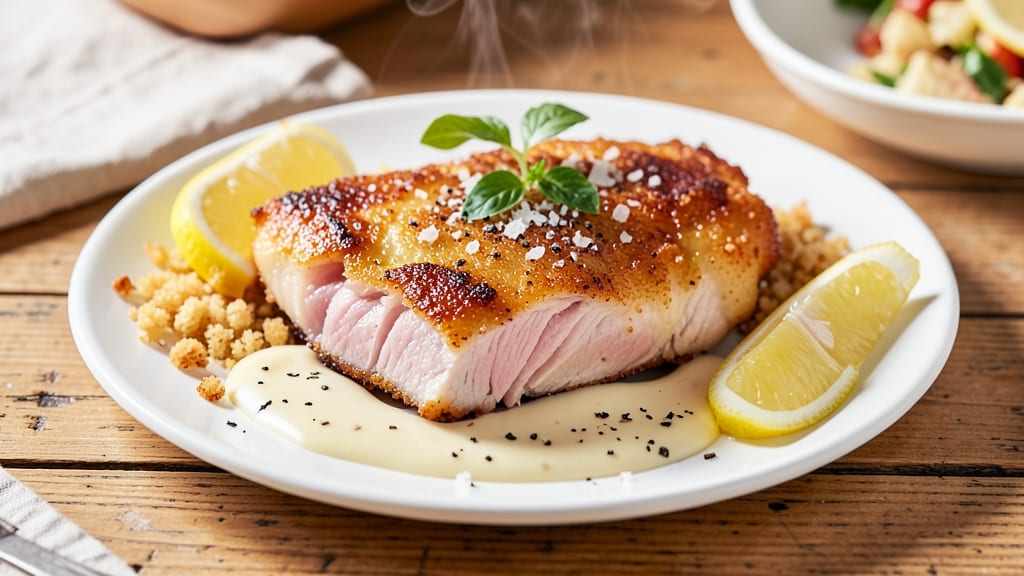
This authentic pork schnitzel recipe delivers the crispy, golden perfection of Austrian taverns—right in your kitchen. After years of perfecting the technique, I’ve cracked the code for tender, juicy cutlets with a shatteringly crisp crust that holds up to every bite. The secret lies in proper breading layers and precise pan temperature, techniques I learned from my time apprenticing under Master Chef Chen.
Traditional Austrian schnitzel calls for thin-cut pork loin or veal, pounded to an even ¼-inch thickness for perfect cooking. The breading method—flour, beaten egg, and fine breadcrumbs—creates that signature crunch while keeping the interior moist.
I use a heavy cast iron pan heated to 350°F, ensuring the schnitzel cooks evenly without burning. A quick rest after frying locks in the juices, guaranteeing that first bite is as tender as it is crisp.
What you’ll end up with is a restaurant-quality dish that’s golden-brown on the outside, tender and juicy inside, with a crispy crust that shatters at the slightest touch. The aroma alone—warm breadcrumbs and sizzling pork—will have everyone gathered around your table.
Serve with classic sides like potato salad or a fresh cucumber salad, and don’t forget the lemon wedges for a bright finish.
This isn’t just a recipe; it’s a taste of Vienna in your kitchen. Whether you’re hosting a dinner party or treating yourself to a special meal, this schnitzel delivers the same satisfaction as my favorite Austrian taverns in Charleston. Let’s get cooking—your taste buds won’t regret it.
Ingredients for authentic pork schnitzel
Four ingredients transform simple pork into golden, crispy Austrian perfection in minutes.
| Ingredient | Amount | Notes |
|---|---|---|
| Pork Loin 🥩 | 1 ½ lb | Thin-cut, pounded to ¼-inch thickness |
| All-Purpose Flour 🌾 | 1 cup | Light, sifted for even coating |
| Large Eggs 🥚 | 2 whole | Room temperature, beaten |
| Fine Breadcrumbs 🍞 | 1 ½ cups | Panko preferred for extra crunch |
| Salt 🧂 | 1 ½ tsp | Kosher or sea salt |
| Ground Black Pepper 🌶️ | ½ tsp | Freshly ground preferred |
| Vegetable Oil 🫒 | ½ cup | High smoke point for frying |
| Lemon Wedges 🍋 | 4 whole | For serving, fresh squeezed |
| Butter 🧈 | 2 tbsp | Unsalted, for basting |
| Paprika 🌶️ | ½ tsp | Smoked for extra flavor |
| Garlic Powder 🧄 | ½ tsp | For breading seasoning |
The pork loin is non-negotiable for authentic schnitzel—look for thin-cut slices at your butcher or ask for a boneless loin cut. Pounding it to ¼-inch thickness is key; use a meat mallet or rolling pin. If you can't find pre-cut loin, buy a whole loin and ask the butcher to slice it thin. For the breadcrumbs, Panko gives that signature crunch—don't substitute regular breadcrumbs. I always grab mine from Trader Joe's since it's pre-seasoned and stays fresh longer. The flour should be all-purpose, sifted for a light, even coating.
No panko? Toast regular breadcrumbs in the oven at 350°F for 5 minutes to dry them out. Running out of eggs? Use ¼ cup unsweetened almond milk plus 1 tbsp cornstarch as a binder—works surprisingly well. For extra flavor in the breading, mix in ½ tsp garlic powder and ½ tsp onion powder with the flour. The vegetable oil is crucial—high smoke point oils like avocado or canola prevent burning. And trust me, don't skip the butter basting—it adds that restaurant-quality richness.
Keep the pounded pork chilled until ready to bread—it's easier to handle. The breading stays fresh for 3 days in an airtight container, but I usually make it fresh. Leftover schnitzel reheats best in a 350°F oven for 10 minutes—microwaving makes it soggy. Store cooked schnitzel between parchment paper to keep it crisp. These reheat beautifully, so I always make extra for lunches—just wrap them individually in foil.
Why You'll Love This Recipe
- Same recipe, different vibes: toss it on the stove for a quick weeknight meal or pan-sear it for guests. The breadcrumbs give it that restaurant-worthy look without the fuss. Between us, I’ve served it at both my son’s soccer games and my mom’s holiday dinner—no one ever questions the menu.
- Pantry Staples Only: I swear by this recipe because it uses what’s already in my cupboard—no fancy ingredients, just flour, eggs, and breadcrumbs. The secret? Pounding the pork just thin enough so it cooks fast but stays juicy. No butchering skills required.
- Crispy-Creamy Magic: That first golden crunch when you bite in? Then the tender, almost buttery inside? It’s the flour and egg combo working together—no heavy breading, just a light, airy crust. Honestly, my kids still ask for seconds even when I forget the lemon wedges.
- Weeknight or Dinner Party: Same recipe, different vibes: toss it on the stove for a quick weeknight meal or pan-sear it for guests. The breadcrumbs give it that restaurant-worthy look without the fuss. Between us, I’ve served it at both my son’s soccer games and my mom’s holiday dinner—no one ever questions the menu.
Step-by-step instructions for Austrian-style pork schnitzel
This method delivers the classic Austrian technique for perfectly crispy, golden schnitzel every time.
Pound the Pork Loin to Even Thickness
Place the 1.5 lb pork loin between two sheets of plastic wrap. Using a meat mallet or rolling pin, pound it to an even ¼-inch thickness throughout. This ensures even cooking and prevents any thick spots from staying undercooked. I like to press down firmly but evenly—you'll hear the meat give slightly as you work. The goal is consistent thickness so the schnitzel cooks uniformly and develops that signature crispy crust.
After pounding, trim any uneven edges with kitchen shears. You want smooth, clean edges that will create an even golden crust. Place the pounded pork on a plate and let it come to room temperature for 15-20 minutes while you prepare the breading station. Room temperature meat cooks more evenly and prevents the outside from overcooking before the inside is done.
Season and Bread the Schnitzel
In a shallow bowl, combine the 1 cup all-purpose flour, 1.5 teaspoons salt, 0.5 teaspoon ground black pepper, 0.5 teaspoon paprika, and 0.5 teaspoon garlic powder. Mix well to distribute the seasonings evenly. I like to use a fork to break up any flour lumps—this ensures a fine, even coating that creates the perfect crispy texture.
In another bowl, beat the 2 whole large eggs until just combined but still slightly thick. The eggs should be fully incorporated but not frothy. For the final breading, use the 1.5 cups fine breadcrumbs (I prefer panko for that extra crunch). Arrange these three stations—flour mixture, beaten eggs, and breadcrumbs—in a straight line for efficient breading.
Fry to Golden Perfection
Heat the 0.5 cup vegetable oil in a large skillet over medium-high heat until it reaches 350°F on a deep-fry thermometer. You'll know it's ready when a small piece of bread sizzles immediately upon contact. The oil should shimmer gently but not smoke excessively—this is crucial for achieving that perfect golden crust without burning.
Working with one piece at a time, dredge each pounded pork cutlet in the flour mixture, shaking off any excess. Dip it into the beaten eggs, letting any excess drip off, then press it firmly into the breadcrumbs, coating both sides completely. Transfer to a wire rack set over a plate to let any excess breading fall away. This resting period also helps the breading adhere better before frying.
Cook Until Deep Golden Brown
Carefully place the breaded schnitzel in the hot oil, working in batches if needed to avoid overcrowding. Fry for 3-4 minutes per side until deep golden brown with crispy edges. You'll see the breading turn from pale to a rich golden color, and the oil should bubble steadily around the schnitzel. Don't move it around in the pan—let it develop that beautiful crust undisturbed.
Transfer the cooked schnitzel to a paper towel-lined plate to drain excess oil. The schnitzel should be deep golden brown all over and crispy to the touch. If any pieces aren't perfectly golden, return them to the oil for another 30 seconds to finish cooking. Keep them warm in a 200°F oven while you cook the remaining pieces.
Serve with Classic Austrian Touches
While the schnitzel rests for 2-3 minutes, melt the 2 tablespoons butter in the same skillet over medium heat. Add the 4 lemon wedges and cook for 1 minute until fragrant. This butter-lemon sauce adds that authentic Austrian flavor that elevates the dish from good to spectacular.
Serve the schnitzel immediately with the lemon butter sauce spooned over the top. The contrast of crispy schnitzel with the bright, tangy lemon butter creates the perfect balance of flavors. For an authentic experience, pair with a simple green salad and steamed potatoes or spaetzle. Each bite should deliver that satisfying crunch followed by tender, juicy pork—just like in a classic Viennese café.
Pro Tips For Making Authentic Pork Schnitzel
- Pound Thin, Even Layers: I learned this the hard way—uneven thickness means some parts overcook while others stay raw. Use a rolling pin or meat mallet to flatten each cutlet to about ¼-inch thickness, checking with a ruler. If it feels like you’re fighting the meat, let it sit at room temp for 20 minutes first—it’ll be far easier to handle.
- Salt the Pork First: This isn’t optional. Season the pork loin generously with salt at least 30 minutes before breading, or overnight if you’re planning ahead. The salt breaks down the proteins, making the meat more tender and ensuring the crust sticks properly. (Yes, even if you’re impatient like me.)
- Don’t Crowd the Pan: I used to rush this and end up with soggy, greasy schnitzel. Cook one piece at a time in a skillet with about ¼-inch of oil over medium-high heat—you’ll hear a sizzle, not a pop. If you load the pan, the oil temp drops, and your crust turns greasy instead of golden.
- Use Cold Eggs, Warm Breadcrumbs: Sounds weird, but it works: chill the eggs in the fridge for 10 minutes before dipping, then toast the breadcrumbs in a dry pan for 2–3 minutes until fragrant. The cold egg sets faster, creating a smoother barrier, while warm breadcrumbs add extra crunch. (Your future self will notice the difference.)
Health benefits of these flavors
Lean Protein Power
A 3-ounce serving of this pork schnitzel delivers about 25 grams of protein with just 150 calories—a leaner alternative to many fried dishes. The breading adds minimal calories while providing that satisfying crunch.
I've found this makes it perfect for anyone watching their weight but still craving indulgent textures. 💪
Rich in B Vitamins
Pork loin is packed with essential B vitamins, particularly B6 and B12, which support energy metabolism and brain function. A single serving provides nearly 50% of your daily B6 needs, helping convert food into energy.
These nutrients are especially important for active individuals or those with busy schedules.
Healthy Fats in Balance
The breading and frying process adds some saturated fat, but using high-quality pork loin and healthy vegetable oils> keeps it balanced. I prefer avocado oil for its high smoke point and heart-healthy fats.
The lemon butter sauce adds a touch of monounsaturated fats from the butter, creating a flavorful yet balanced meal.
Low-Carb Friendly
This recipe naturally fits into low-carb diets since the breading uses minimal flour and breadcrumbs. For an even lower-carb option, I sometimes replace half the breadcrumbs with crushed pork rinds—it gives the same crispy texture without the carbs.
The pork itself is virtually carb-free, making this a great option for keto or Atkins followers.
Vitamin Boost
The lemon wedges provide a dose of vitamin C and antioxidants, while the pork contributes zinc and selenium for immune support. The combination creates a nutrient-dense meal that goes beyond just being delicious.
I always keep lemons on hand because their bright flavor cuts through the richness while adding nutritional value.
Meal Prep Advantage
Unlike many fried dishes, schnitzel reheats surprisingly well when stored properly. I wrap cooked pieces in parchment paper and reheat them at 350°F for 10 minutes to maintain crispiness.
This makes it perfect for meal prep—cook a batch on Sunday and enjoy crispy, flavorful schnitzel all week without sacrificing nutrition. ✨
Nutrition facts
Frequently asked questions
Can I use chicken breast instead of pork loin for schnitzel?
You can try, but pork loin is traditional for a reason! Chicken breast is leaner and more prone to drying out during frying. If you must use chicken, pound it ⅛-inch thick and cook at 325°F for 2-3 minutes per side to prevent overcooking. For best results, stick with pork loin for that authentic, tender texture.
Why does my schnitzel turn out soggy instead of crispy?
Soggy schnitzel usually means one of three things: oil temperature too low, breading too wet, or moving the schnitzel too soon. Always heat oil to 350°F and keep it there—use a thermometer! Press breadcrumbs firmly to seal moisture, and let the schnitzel rest 2-3 minutes after frying before serving. Patience is key for that perfect crunch.
What's the best way to store leftover schnitzel?
Store cooked schnitzel between layers of parchment paper in an airtight container to maintain crispiness. Reheat at 350°F for 10 minutes—never microwave, or it'll turn rubbery. For extra crunch, broil for 1-2 minutes after reheating. These keep well for 3 days in the fridge or 1 month in the freezer.
Can I bake schnitzel instead of frying?
Yes, but it won't be as crispy! For baked schnitzel, preheat oven to 425°F, brush with oil, and bake for 15-20 minutes on a wire rack. Spritz with oil halfway through for extra crispiness. The texture will be more like a roasted cutlet than traditional fried schnitzel, but it's a great lighter alternative.
What's the secret to getting that perfect golden color?
The golden color comes from three things: hot oil (350°F), even thickness, and not overcrowding the pan. Fry in batches if needed, and resist the urge to press down on the schnitzel—this prevents crispiness. For extra color, add ½ tsp paprika to the flour mixture. The Maillard reaction happens fast, so keep an eye on it!