
Main Courses
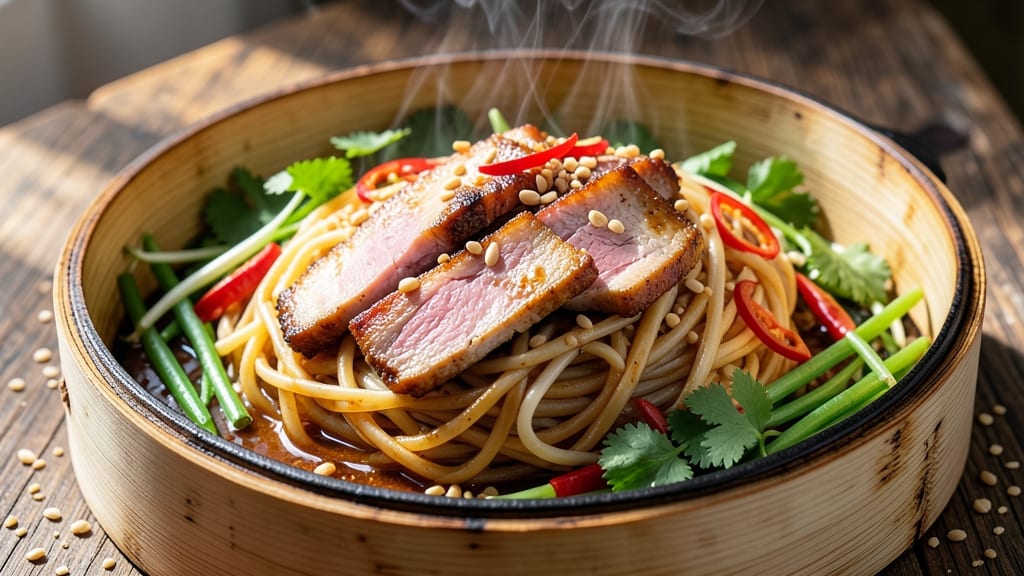
This authentic pork pad Thai recipe brings the vibrant streets of Bangkok to your kitchen with its perfect balance of tangy tamarind, sweet fish sauce, and crunchy bean sprouts. ✨ After years of perfecting the technique—from achieving that signature wok hei to balancing the five essential flavors—I’ve created a version that delivers restaurant-quality results without the fuss.
The secret lies in the sauce: a harmonious blend of tamarind paste, fish sauce, and palm sugar that creates that signature tangy-sweet profile. We’ll stir-fry fresh rice noodles until they’re just tender, then toss them with marinated pork, garlic, and chili for that classic smoky depth.
The key is high heat and quick cooking—just like in Thai kitchens—to maintain the noodles’ chew while building layers of flavor.
What makes this recipe truly special is the texture contrast: slippery noodles, tender pork, crisp bean sprouts, and crunchy peanuts all come together in one perfect bite. The sauce clings to every strand of noodle, while the garnishes add freshness and crunch.
This isn’t just another take on pad Thai—it’s the real deal, made approachable for home cooks.
Serve it with a wedge of lime and extra chili flakes on the side, ready to customize to your taste. The aroma alone will have everyone at the table asking for seconds—just like my family does every time I make it. Let’s get cooking!
Ingredients for authentic pork pad thai
Fresh noodles, marinated pork, and the perfect tangy-sweet sauce—this brings Bangkok's flavors home.
| Ingredient | Amount | Notes |
|---|---|---|
| Rice Noodles (Pad Thai Noodles) 🍜 | 12 oz | Fresh, flat rice noodles |
| Pork Shoulder 🐖 | 1 lb | Thinly sliced, marinated |
| Tamarind Paste 🍯 | ½ cup | Thick, unsweetened |
| Fish Sauce 🐟 | ⅓ cup | Red Boat preferred |
| Palm Sugar 🍯 | ¼ cup | Or light brown sugar |
| Garlic Cloves 🧄 | 6 cloves | Minced, fresh |
| Bird's Eye Chilies 🌶️ | 4 whole | Crushed, adjust to taste |
| Bean Sprouts 🌱 | 4 cups | Fresh, crisp |
| Crushed Peanuts 🥜 | ½ cup | Roasted, unsalted |
| Lime Wedges 🍋 | 2 whole | Fresh, for serving |
| Fresh Cilantro 🌿 | ¼ cup | Chopped, for garnish |
| Vegetable Oil 🫒 | ½ cup | High smoke point |
| Soy Sauce 🍶 | ¼ cup | Light, for marinade |
| Sesame Oil 🫒 | 1 tbsp | For finishing |
| Salt 🧂 | 1 tsp | Kosher or sea salt |
The tamarind paste is non-negotiable for that signature tang. Mae Ploy or Thai Kitchen brands are reliable, but if you can't find it, mix lime juice with brown sugar at a 1:1 ratio (it won't be identical, but close). The pork should be thinly sliced—ask your butcher to slice it against the grain if you're buying a whole cut. Red Boat fish sauce is worth the splurge for that authentic umami punch. For the chilies, fresh is ideal, but if you can't find bird's eye, use Thai bird's eye chili flakes instead of regular cayenne—the heat profile is completely different.
No tamarind? Substitute lime juice with brown sugar, but expect a slightly different flavor. Running low on palm sugar? Light brown sugar works in a pinch. The bean sprouts should be crisp—soak them in ice water for 10 minutes before using if they feel soft. For the peanuts, Trader Joe's has the best-priced crushed peanuts, and they're already roasted. If you're making this ahead, store the sauce separately and toss with the noodles just before serving to keep everything crisp. The garlic and chilies can be prepped ahead, but keep them in the fridge until you're ready to cook.
This dish tastes even better the next day—just reheat the noodles with a splash of water and toss with fresh sauce. The sauce keeps for 1 week in the fridge, and the dry ingredients (peanuts, sprouts) last 2 weeks in the crisper. For leftovers, store everything separately: noodles, pork, sauce, and garnishes. The pork reheats beautifully, but the bean sprouts lose their crunch—so save those for fresh salads. Garnish with lime wedges and cilantro just before serving to keep everything vibrant.
Why You'll Love This Recipe
- No Boil Required: I just soak the rice noodles in warm water for 15 minutes—no rolling boil, no fuss. That crisp-tender texture comes from the tamarind and fish sauce marinade doing all the work while you slice the pork shoulder into thin strips (no fancy knife skills needed).
- Sweet-Savory Magic: The tamarind paste gives it that signature tangy depth, while palm sugar balances it into something dangerously addictive. Between us, the first bite makes you forget you’re "making a healthy meal."
- Leftover Goldmine: This dish actually improves the next day—stir-fried pork gets even more flavorful, and the noodles hold up perfectly. I pack half for lunch, and my coworkers beg for the recipe.
- Budget Crowd-Pleaser: A single pork shoulder feeds four, and the noodles stretch further than you’d think. Honestly, it’s the kind of dish where you’ll make double portions just to have leftovers—because everyone wants seconds.
Step-by-step instructions for authentic pork pad Thai
Here's the traditional method that delivers perfect balance—tangy, sweet, salty, and crunchy every time.
🍳 Step 1: Cook the Rice Noodles Just Right
Bring a large pot of water to a rolling boil. Add the 12 oz rice noodles (Pad Thai Noodles) and cook for exactly 45-60 seconds—they should be soft but still slightly firm to the bite. Drain immediately in a colander and rinse under cold water to stop the cooking process. The noodles should be tender but not mushy.
I like to drain them right into a large mixing bowl so they stay warm and ready for the next step. Overcooking here makes them gummy, so keep an eye on the clock. You'll know they're perfect when they float to the surface and can be separated easily with chopsticks.
👨🍳 Step 2: Prepare the Signature Sauce
In a small bowl, whisk together the 0.5 cup tamarind paste, 0.33 cup fish sauce, 0.25 cup palm sugar, 0.25 cup soy sauce, and 1 tsp salt. This is the heart of your Pad Thai—balance is everything here. Taste the mixture and adjust: add a pinch more sugar if it's too tart, or a splash more fish sauce if it needs more umami.
Real talk: tamarind paste can vary in thickness. If yours is too thick, thin it with 1-2 tablespoons of warm water to create a smooth, pourable consistency. The sauce should coat the back of a spoon but still flow easily. This sauce will transform your dish from good to restaurant-quality.
🔥 Step 3: Cook the Pork to Perfect Tenderness
Heat 0.25 cup vegetable oil in a large wok or skillet over medium-high heat. Add the 1 lb pork shoulder and cook for 4-5 minutes, stirring occasionally, until the pork is no longer pink in the center. The pork should be tender but still hold its shape—it'll finish cooking in the sauce.
Remove the pork and set aside. In the same pan, add 6 cloves minced garlic and 4 whole crushed bird's eye chilies. Stir for 30 seconds until fragrant—this is where the real flavor develops. Don't walk away; garlic burns fast. The chilies should darken slightly but not char.
🥘 Step 4: Combine Everything for Maximum Flavor
Return the cooked pork to the wok and add the drained rice noodles. Pour in the sauce mixture and toss everything together vigorously for 2-3 minutes until the noodles are evenly coated and the sauce has thickened slightly. The noodles should absorb the sauce but still have a glossy sheen.
Add 4 cups bean sprouts and toss for another 1 minute until they're just wilted but still crisp. Here's the thing—bean sprouts should stay crunchy. If they get too soft, they lose their signature texture. Taste and adjust seasoning if needed, adding a splash more fish sauce for saltiness or a pinch more sugar for sweetness.
🍽️ Step 5: Finish and Serve Traditionally
Reduce heat to low and stir in 1 tbsp sesame oil. This adds depth and richness that separates authentic Pad Thai from the rest. Drizzle with any remaining sauce from the bowl, then transfer to serving plates. Garnish with 0.5 cup crushed peanuts, 0.25 cup chopped fresh cilantro, and serve with 2 whole lime wedges.
The peanuts should be scattered generously on top—this is where the crunch comes from. Serve immediately with lime wedges on the side so everyone can adjust the tanginess to their taste. Each bite should deliver that perfect balance of sweet, salty, sour, and umami with every crunchy bean sprout.
Pro Tips For Making Authentic Pork Pad Thai
- Cook Pork Thin and Fast: I learned this the hard way—thinly sliced pork shoulder cooks in seconds, not minutes. Freeze the meat for 20 minutes first, then slice against the grain into paper-thin strips. Stir-fry on screaming heat for 30 seconds max, or it’ll turn rubbery.
- Soak Noodles Just Until Flexible: Dumping pre-soaked noodles into the wok is a rookie move. Soak them until they’re pliable but still hold shape—about 10-15 minutes in room-temp water. Over-soaked noodles turn to mush and steal flavor from the sauce.
- Balance Tamarind and Fish Sauce: Tamarind paste is sour, fish sauce is salty—don’t wing it. Mix 1 tablespoon tamarind paste with 1/4 cup warm water, then taste. For every teaspoon of this mix, add 1/2 teaspoon fish sauce. Adjust in small increments; you can’t fix over-salted sauce.
- Toss Noodles Off Heat: The wok’s residual heat finishes cooking while you plate. Once everything’s in the wok, turn off the burner and toss vigorously—this prevents the noodles from sticking and lets the sauce cling. (Yes, even if you’re impatient like me.)
Perfect pairings for this recipe
Classic Thai Side Dishes
Serve your pad Thai with som tam (green papaya salad) for that perfect balance of spicy, tangy, and crunchy. I love using Mae Ploy chili sauce and fresh lime juice—it cuts through the richness beautifully.
Another must is khao pad (Thai fried rice), which soaks up any leftover sauce and adds a comforting texture contrast. 🥗
Refreshing Beverage Pairings
A cold Thai iced tea from Thai Tea Company is my go-to—its sweet, creamy flavor complements the tangy tamarind perfectly. For something lighter, try cha yen (Thai lemonade) with a splash of Red Boat fish sauce for an unexpected umami kick.
Both drinks enhance the dish’s bold flavors without overpowering them. 🍹
Crunchy Garnish Upgrades
Swap crushed peanuts for toasted cashews if you prefer a nuttier crunch, or add fried shallots for extra depth. I sometimes sprinkle crispy fried garlic on top for an aromatic punch. For heat lovers, include Thai chili crisp—it adds a smoky, spicy finish that’s hard to resist. 🌶️
Wine and Beer Alternatives
If you’re serving wine, a dry Riesling from Germany balances the dish’s sweetness with its crisp acidity. For beer fans, a Thai lager like Singha or a light Japanese sake keeps the meal refreshing. Avoid heavy reds—they’ll clash with the tangy sauce. 🍷
Dessert Pairings
End the meal with mango sticky rice for a sweet, creamy contrast to the savory pad Thai. The tropical fruit’s natural sweetness complements the tamarind’s tang. For something lighter, try Thai coconut ice cream—its coolness refreshes the palate after a spicy meal. 🍍
Make-Ahead Garnishes
Prep garnishes ahead to save time: toast peanuts and store in an airtight container for up to 2 weeks. Keep bean sprouts in the fridge for 5 days, and chop cilantro just before serving.
Lime wedges stay fresh for 1 week in the crisper. This way, assembly is a breeze when you’re ready to cook. ✨
Nutrition facts
Frequently asked questions
Why does authentic pad Thai use tamarind paste instead of lime juice?
Tamarind paste delivers that signature complex tangy-sweetness that lime juice can't replicate. It contains natural acids and sugars that create the perfect balance with fish sauce and palm sugar. For a quick substitute, mix lime juice with brown sugar (1:1 ratio), but expect a slightly different flavor profile.
How do I get the noodles perfectly tender without making them mushy?
Cook the 12 oz rice noodles for exactly 45-60 seconds—they should float and separate easily. Drain immediately and rinse with cold water to stop cooking. Overcooking by even 10 seconds turns them gummy. The key is high heat and quick cooking!
Can I use chicken or tofu instead of pork?
For chicken, use 1 lb boneless thighs sliced thinly. For tofu, press and pan-fry 1 block firm tofu until crispy. The cooking time varies slightly, but the sauce and technique remain the same. Just adjust the protein quantity to match the pork measurement.
What's the secret to getting that smoky wok hei flavor?
Use a carbon steel or cast iron wok on the highest heat possible. Keep the pan moving and toss ingredients constantly—this creates steam and smoky aromas. A gas flame (not electric) works best for authentic heat. If you don't have a wok, use a large skillet with high sides.
How do I adjust the spice level for kids or sensitive eaters?
Remove the bird's eye chilies entirely for mild heat, or use 1/4 of the amount for a gentle kick. For extra mild, substitute with 1/2 tsp chili flakes (added at the end). Always serve lime wedges on the side—this lets everyone customize their spice level.