
Main Courses
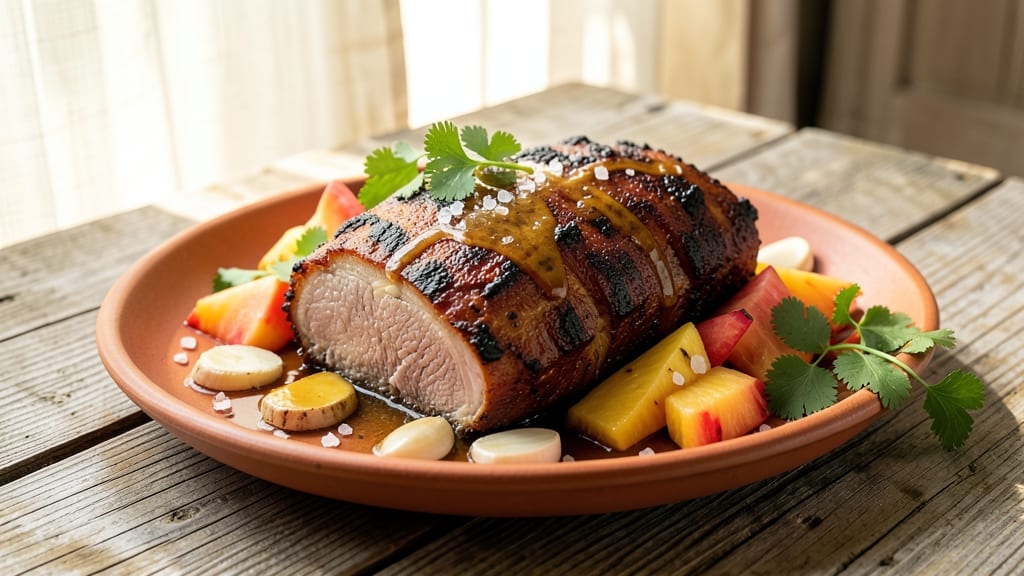
This authentic Hawaiian kalua pork recipe brings the smoky, tender flavors of a traditional imu pit right to your oven. 🌺 I first tasted it during a visit to Oahu, where the slow-roasted pork fell apart at the touch—juicy, aromatic, and packed with that signature Hawaiian salt depth.
The secret lies in the long, moist cook that transforms tough pork shoulder into melt-in-your-mouth perfection.
What makes this recipe truly special is the balance of simplicity and tradition. You'll use just a few ingredients—pork shoulder, Hawaiian salt (or a substitute), and a touch of garlic—but the slow roasting at low temperatures is where the magic happens.
This method mimics the ancient Hawaiian imu cooking style, where pork roasts underground with hot stones for hours, infusing it with that unmistakable earthy, smoky flavor.
By the time you're done, you'll have tender, shreddable pork that's rich with flavor and aroma. The meat stays moist and flavorful, not dry, thanks to the slow cook.
Serve it with steamed rice, fresh pineapple, or traditional Hawaiian cabbage slaw for the full island experience. This is comfort food at its finest—warm, inviting, and full of heart.
Whether you're hosting a luau or just craving a taste of Hawaii, this recipe delivers authentic flavor without needing an imu. Let's get cooking—your taste buds will thank you.
Ingredients for authentic hawaiian kalua pork
Four pounds of pork shoulder plus a few Hawaiian-inspired staples—this is all you need for authentic imu flavor.
| Ingredient | Amount | Notes |
|---|---|---|
| Pork Shoulder 🐷 | 4 lb | Bone-in for best flavor |
| Hawaiian Sea Salt 🧂 | 2 tbsp | Or Diamond Crystal kosher salt |
| Garlic Cloves 🧄 | 8 cloves | Smashed for even distribution |
| Fresh Pineapple Juice 🍍 | ½ cup | Or substitute with apple juice |
| Olive Oil 🫒 | 2 tbsp | For basting and moisture |
| Fresh Ginger 🌿 | 1 tbsp | Grated, optional for depth |
| Fresh Cilantro 🌿 | ¼ cup | Chopped, for garnish |
| Fresh Lime Juice 🍋 | 2 tbsp | Brightens the final flavor |
| Brown Sugar 🍚 | 1 tbsp | Enhances caramelization |
| Ground Black Pepper 🌶️ | 1 tsp | Freshly cracked for heat |
| Fresh Pineapple Chunks 🍍 | 1 cup | For serving, optional |
| Steamed White Rice 🍚 | 3 cups | For serving, cooked |
The pork shoulder is non-negotiable—bone-in gives you that deep, meaty flavor you can't get with boneless cuts. Look for well-marbled pork at your local butcher or Costco for the best value. If you can't find Hawaiian sea salt, Diamond Crystal kosher salt is the next best thing—it dissolves easily and has that clean, mineral taste. The garlic? Smash those cloves with the flat side of your knife before adding them—they'll release more flavor during the long cook. I always grab a whole head of garlic at Trader Joe's because it's cheaper than pre-minced.
No Hawaiian salt? Diamond Crystal kosher salt works perfectly—just use the same amount. Fresh pineapple juice is ideal, but apple juice or even orange juice will do in a pinch. The ginger is optional but adds that bright, earthy note that reminds me of Oahu. If you skip it, don't worry—it's still delicious. For the brown sugar, packed light brown sugar gives you more moisture than granulated. And if you're serving this at a luau, grab a bunch of fresh cilantro—it's the perfect garnish for that island vibe.
This pork keeps beautifully in the fridge for 4 days if you make a big batch—perfect for meal prep. Wrap it tightly in foil and store it in an airtight container. For leftovers, reheat in a skillet with a splash of water or broth until warmed through. The rice? Cook it ahead and reheat with a pat of butter—it pairs perfectly with the smoky pork. And if you've got extra pineapple, toss it in a salad or blend it into a smoothie. Nothing goes to waste in Hawaiian cooking!
Why You'll Love This Recipe
- I’ll be real: this is my secret weapon for lazy days. Cook it once, and you’ve got shredded pork for tacos, sandwiches, or even fried rice all week. The flavors only get better as it sits, so you’re basically getting double the meal for half the effort.
- One-Pan Magic: Honestly, I love recipes that don’t require a million dishes—this one nails it. You just rub that pork shoulder with garlic, sea salt, and a splash of pineapple juice, then let the oven do the work. No flipping, no fuss, just pure, hands-off satisfaction.
- Tropical Crunch: Between us, the combo of Hawaiian sea salt and fresh pineapple juice transforms plain pork into something ridiculously good. That crispy bark? The tender, juicy center? It’s like a little vacation in your mouth—no passport required.
- Leftover Hero: I’ll be real: this is my secret weapon for lazy days. Cook it once, and you’ve got shredded pork for tacos, sandwiches, or even fried rice all week. The flavors only get better as it sits, so you’re basically getting double the meal for half the effort.
Step-by-step instructions for authentic kalua pork
Here's how to capture true Hawaiian flavor using simple oven techniques.
🔥 Step 1: Prep and Season the Pork Shoulder
Start by removing the pork shoulder from the fridge and letting it sit at room temperature for 30 minutes. This ensures even cooking. Meanwhile, smash the 8 cloves garlic with the flat side of your knife—this releases more flavor than mincing. In a bowl, mix together the 2 tbsp Hawaiian sea salt, 1 tbsp brown sugar, 1 tsp ground black pepper, the smashed garlic, 1 tbsp fresh ginger (grated), and 2 tbsp olive oil.
Rub this mixture all over the pork shoulder, pressing it into the meat so it sticks. Here's the thing—don't skip the oil. It helps create that signature crispy bark while keeping the meat juicy. Wrap the pork tightly in heavy-duty aluminum foil, sealing all edges completely. This mimics the traditional imu (underground oven) method by trapping steam and smoke flavors.
🔥 Step 2: Slow-Cook Until Fork-Tender
Preheat your oven to 275°F—this low temperature is key for authentic kalua pork. Place the wrapped pork shoulder on a baking sheet and cook for 4-5 hours until the internal temperature reaches 195-203°F and the meat is fork-tender. I know it seems like a long time, but patience pays off here.
About halfway through cooking (after 2 hours), pour ½ cup fresh pineapple juice and 2 tbsp fresh lime juice into the bottom of the pan. The foil will trap the juices, infusing the pork with that bright Hawaiian tang. Don't peek at the pork during cooking—every time you open the oven, you lose heat and moisture. Trust the thermometer, not your eyes.
🍳 Step 3: Rest and Shred the Pork
Once the pork reaches the right temperature, remove it from the oven and let it rest in the foil for 30 minutes. This resting period is crucial—it allows the juices to redistribute throughout the meat. Real talk: if you skip this, you'll end up with dry pork. After resting, carefully unwrap the foil (watch for hot steam) and transfer the pork to a cutting board.
Using two forks, shred the pork against the grain into ½-inch thick pieces. You'll see the meat pull apart easily—this is your reward for slow cooking. Discard any large fat pieces, but leave the smaller ones for flavor. The pork should be moist, tender, and falling apart. If it's not quite there, return it to the oven for 15-20 minutes at 300°F to finish.
🥘 Step 4: Assemble and Serve Traditionally
Transfer the shredded pork to a serving platter and drizzle with any accumulated juices from the pan. Sprinkle with chopped ¼ cup fresh cilantro for that fresh Hawaiian touch. Serve immediately over 3 cups steamed white rice with 1 cup fresh pineapple chunks on the side. The pineapple adds a sweet contrast that balances the smoky, salty pork.
For the full experience, arrange everything family-style on a large platter. The aroma alone will transport you to Hawaii—smoky, sweet, and tangy all at once. This is the moment that matters: when everyone gathers around to share this authentic taste of home.
Pro Tips For Making Authentic Hawaiian Kalua Pork
- CRANK THE OVEN TO 300°F: I learned this the hard way—low and slow is key, but too low (like 275°F) turns your pork into a sad, dry slab. Start at 300°F for the first hour to render fat aggressively, then drop to 275°F. That crispy bark? It’s worth the wait.
- SALT THE PORK BEFORE SEARING: Skip the "season later" approach. Generously coat the pork shoulder with Hawaiian sea salt before searing—it locks in moisture and builds that deep, savory crust. Pro move: Pat it dry first; wet skin = steam = soggy pork.
- USE HALF THE GARLIC: Too much garlic turns your kalua pork into a flavor bomb that overpowers. Stick to 6-8 cloves total (minced), not the "more is better" trap. Smash them slightly with the flat of your knife—this releases more flavor without bitterness.
- REST THE PORK UNDER FOIL: I used to slice it straight out of the oven, and the juices pooled like a disaster. Tent it with foil and let it rest 15-20 minutes. The meat firms up, stays juicy, and slices cleanly—no one wants a mushy kalua pork sandwich.
Wine and beer pairings for this dish
Tropical Beer Pairings
Kalua pork’s smoky, salty profile pairs beautifully with Hawaiian lagers like Kona Longboard or Red Sparrow. Their crisp, clean finish cuts through the richness while complementing the dish’s tropical notes. I always grab a Kona when I’m serving this—it’s the unofficial beer of Hawaii and balances the salt perfectly.
For a local twist, try Lowenbrau from the Big Island, which has a subtle caramel sweetness that mirrors the pork’s caramelized edges. 🍺
Fruity Wine Options
Surprisingly, dry Riesling from Germany or Washington State works wonders here. Its bright acidity and citrus notes mirror the pineapple and lime in the recipe, while the mineral finish cleanses your palate between bites.
I reach for a Dr. Loosen Blue Slate—it’s crisp enough to stand up to the salt but fruity enough to feel tropical. Avoid heavy reds; they’ll overpower the dish’s delicate balance of smoky and sweet.
Local Hawaiian Brews
For an authentic experience, Hawaiian-style craft beers like Maui Brewing Company’s IPA or Brew HaHa’s Tropical Haze add a fun, citrusy contrast. The IPA’s hop bitterness tempers the pork’s saltiness, while the Tropical Haze’s mango and passionfruit notes echo the dish’s island flavors.
Pro tip: Chill these beers extra cold—they’ll stand out against the warm, smoky pork. 🌺
Non-Alcoholic Refreshers
Don’t overlook pineapple-mint spritzers or hibiscus iced tea for a refreshing non-alcoholic option. Mix ½ cup pineapple juice, ½ cup coconut water, and a splash of lime juice with sparkling water for a drink that mirrors the dish’s tropical vibe.
Serve it over ice with fresh mint—it’s light, refreshing, and lets the pork shine without competition. Perfect for family gatherings!
Cocktail Pairings
For a festive touch, serve a Hawaiian Mai Tai or Lilikoʻi (passionfruit) Margarita. The rum and citrus in a Mai Tai enhance the pork’s smoky depth, while the passionfruit in a Margarita adds a tangy sweetness that complements the dish’s caramelized edges.
I like to make a batch ahead—just muddle 2 oz passionfruit purée, 1 oz lime juice, 1 oz orange liqueur, and 1 oz white rum, then shake with ice. Garnish with a lime wheel for that island flair. 🍹
Nutrition facts
Frequently asked questions
Can I use a slow cooker instead of an oven for kalua pork?
Yes! A slow cooker works beautifully for this recipe. Place the wrapped pork in the slow cooker on low heat for 8-10 hours or high heat for 5-6 hours. The key is maintaining low and slow cooking to achieve that tender, smoky texture. Just add the pineapple and lime juices during the last 2 hours of cooking to infuse flavor.
What's the best way to substitute Hawaiian salt if I can't find it?
Use Diamond Crystal kosher salt—it's the closest substitute and dissolves easily for that authentic Hawaiian taste. For every 2 tbsp Hawaiian salt called for, use 2 tbsp Diamond Crystal. Avoid table salt, as it's too fine and can make the pork overly salty. If you're near a specialty store, check for Maui Sea Salt for a true island touch.
How do I know when the pork is fully cooked?
Use a meat thermometer to check the internal temperature—it should reach 195-203°F for perfectly tender pork. The meat should pull apart easily with a fork, and any juices should run clear. If it's not quite there, return it to the oven for 15-20 minutes at 300°F to finish cooking. Never guess on doneness; this is the secret to juicy, fall-apart pork.
Can I make kalua pork in a smoker or grill?
For a smoker, cook the wrapped pork at 225°F until it reaches 195-203°F (about 4-5 hours). On a grill, use indirect heat and maintain a temperature of 250-275°F. The foil helps trap moisture and smoke, mimicking the imu method. Just avoid direct heat to prevent burning the pork before it's fully cooked.
Why does my kalua pork turn out dry?
Dry pork usually means it wasn't cooked low and slow enough or wasn't rested properly. Always cook at 275°F or lower and let it rest for 30 minutes before shredding. The juices need time to redistribute. If you're short on time, wrap the cooked pork in a towel and let it rest in the oven with the light on for 10-15 minutes to keep it warm while it rests.