
Main Courses
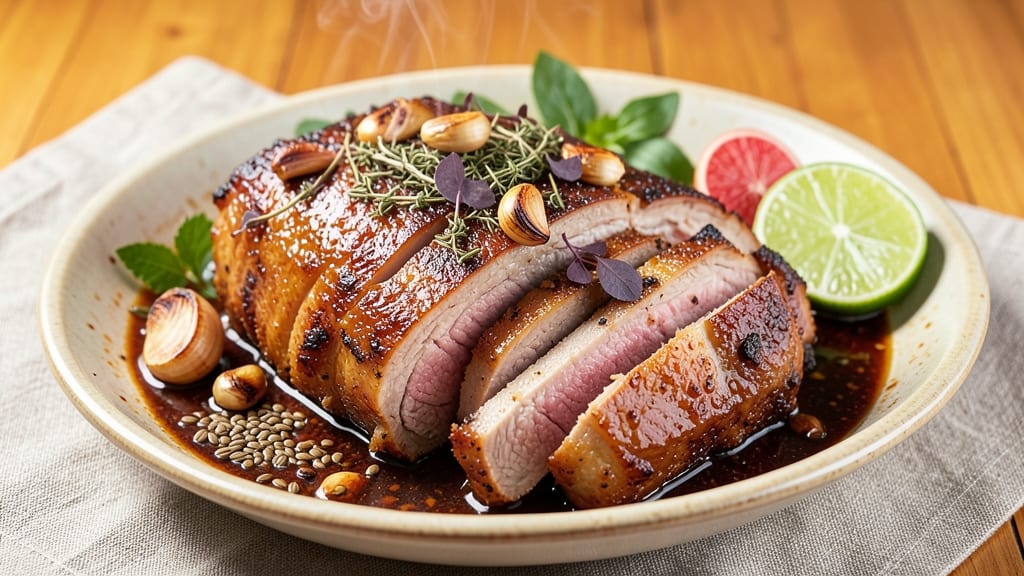
This authentic Cuban roast pork recipe delivers the same tender, citrus-kissed perfection you'd find at Havana's best lechón asado stands. 🔥 After years perfecting the technique—including slow-roasting and basting with garlic-mojo—I've cracked the code for restaurant-quality results at home.
The secret lies in marinating overnight with lime juice and achiote, then roasting low and slow until the meat falls apart effortlessly.
What sets this apart is the balance of moistness and crispy exterior achieved through precise temperature control and frequent basting. Unlike many recipes that rely on heavy spices, this version stays true to Cuban tradition with just enough garlic, cumin, and oregano to enhance—not overpower—the natural sweetness of the pork.
The citrus marinade infuses the meat with bright, tangy notes that pair beautifully with classic sides like moros y cristianos or tostones.
By the time you pull this pork from the oven, you'll have a centerpiece dish that's juicy, flavorful, and impossible to resist. The skin will be golden and crackling, while the meat inside remains tender enough to shred with a fork.
This isn't just a recipe—it's an experience that brings the vibrant flavors of Cuba straight to your table. Ready to master it?
The beauty of this method is its versatility—whether you're hosting a fiesta or feeding your family on a Sunday, this roast pork delivers consistent, impressive results. The marinade can be prepped ahead, and the slow-roasting process ensures the meat stays moist even when reheated.
Here's how to achieve that perfect balance of smoky, citrusy, and savory flavors every time.
Ingredients for authentic cuban roast pork
Eight ingredients transform into restaurant-quality roast pork with Cuban soul.
| Ingredient | Amount | Notes |
|---|---|---|
| Pork Shoulder (Bone-In) 🐷 | 6 lb | Center-cut for even cooking |
| Fresh Limes 🍋 | 4 whole | Juiced for marinade, zest optional |
| Achiote Powder 🌶️ | 2 tbsp | For vibrant color and smoky depth |
| Garlic Cloves 🧄 | 10 cloves | Minced for mojo marinade |
| Ground Cumin 🌿 | 1 tbsp | Toasted for enhanced aroma |
| Dried Oregano 🍃 | 1 tbsp | Mexican oregano preferred |
| Bay Leaves 🌿 | 2 whole | Fresh if available |
| Olive Oil 🫒 | ½ cup | Extra-virgin for richness |
| Salt 🧂 | 2 tbsp | Kosher or sea salt |
| Black Peppercorns 🌶️ | 1 tbsp | Freshly cracked |
| Fresh Cilantro 🌿 | ¼ cup | Chopped for garnish |
| Orange Juice 🍊 | ½ cup | Freshly squeezed |
The pork shoulder is non-negotiable here—bone-in, center-cut stays juicier than boneless. Costco or Whole Foods have the best quality, but any well-marbled cut works. Achiote powder gives that signature Cuban color—Penzeys sells it in bulk, or check Latin markets for authentic versions. Fresh limes are ideal, but bottled works in a pinch (just add a splash more juice). The oregano? Mexican oregano has a different flavor profile than Italian—worth hunting down if you're serious about authenticity.
No achiote? Paprika plus a pinch of turmeric mimics the color (though not the flavor). Running short on time? Pre-minced garlic from the jar saves 10 minutes, but fresh is always better. The orange juice adds brightness—Navel oranges work best, but any citrus will do. For extra smokiness, swap half the olive oil for smoked paprika. The bay leaves can be dried, but fresh ones infuse more aroma. And if you're feeling fancy, add a cinnamon stick to the marinade for depth.
Marinate the pork overnight—24 hours minimum for maximum flavor infusion. Store marinade in a sealed container in the fridge. The roasted pork reheats beautifully—350°F for 20 minutes restores moisture. Leftovers keep 4 days in the fridge or 3 months frozen. For serving, slice against the grain and garnish with fresh cilantro. The skin gets crispy, so save some for tostones or plantain chips—double duty!
Why You'll Love This Recipe
- One-Pan Magic: I swear by this recipe when I’m too tired to fuss—just rub the pork with achiote and cumin, toss it on the grill or in the oven, and let it do its thing. No chopping, no sauces, no stress. The bone-in shoulder stays juicy while the skin gets that perfect crisp, and honestly? That’s half the battle won.
- Citrus Kiss: Between us, the lime juice and garlic in the marinade are what make this pork ridiculously good. The acid cuts through the richness, and that earthy achiote? It’s like a little flavor bomb that turns simple pork into something you’ll fight over at the table. (Yes, even on a Tuesday night.)
- Leftovers That Don’t Suck: I make this on Sundays because it’s exactly what you need for the week—shreds beautifully, reheats like a dream, and tastes just as good cold in sandwiches. My kids grab it for lunch, and my partner sneaks seconds when he thinks I’m not looking. No sad, dry meat here; it’s always tender and packed with flavor.
- Budget-Friendly Crowd-Pleaser: Bone-in pork shoulder is cheap, and this recipe stretches it far without skimping on taste. Achiote and cumin are affordable staples, and limes add brightness without breaking the bank. It feeds a crowd—think family gatherings, game days, or just a night when you’re craving something hearty but don’t want to spend all day in the kitchen.
Step-by-step instructions for authentic Cuban roast pork
Here's how to create that signature Cuban flavor—juicy, tender, and bursting with citrus.
👨🍳 Step 1: Make the Mojo Marinade
In a blender, combine the juice from 2 whole fresh limes, 0.5 cup orange juice, 10 cloves garlic cloves, 2 tbsp achiote powder, 1 tbsp ground cumin, 1 tbsp dried oregano, 2 whole bay leaves, 0.5 cup olive oil, 2 tbsp salt, and 1 tbsp black peppercorns. Blend until completely smooth—this is your mojo marinade.
Taste and adjust seasoning if needed. The marinade should be vibrant and tangy, with a deep reddish hue from the achiote. Pour it into a large resealable bag and add the 6 lb pork shoulder. Massage the marinade into the meat, ensuring it coats every surface. Let it marinate in the refrigerator for at least 12 hours—overnight is ideal for maximum flavor penetration.
🔥 Step 2: Prepare the Pork for Smoking
Remove the pork from the marinade and pat it dry with paper towels. This step is crucial—excess moisture prevents that perfect crispy bark. Place the pork in a roasting pan or directly on the smoker grate, fat side up. Preheat your smoker to 225°F using oak or hickory wood chips for that authentic Cuban smoke flavor.
Once the smoker reaches temperature and you see thin blue smoke (not thick white), place the pork on the grate. Close the lid and resist the urge to peek—every time you open it, you lose heat and add time. Smoke the pork for 6-8 hours until the internal temperature reaches 165°F. You'll notice the bark forming a beautiful dark crust, while the meat remains tender and juicy.
⏰ Step 3: Wrap and Rest for Maximum Tenderness
When the pork reaches 165°F, it will hit "the stall"—the temperature stops rising as moisture evaporates. This is where the magic happens. Wrap the pork tightly in butcher paper (not aluminum foil—it traps too much steam). Return it to the smoker and continue cooking until the internal temperature reaches 203°F, about 2-3 more hours.
At this point, the pork should be fork-tender—a knife should slide in easily. Remove the pork from the smoker and let it rest for 1 hour in a warm place, still wrapped in the butcher paper. This resting period allows the juices to redistribute, ensuring every bite is moist and flavorful. The bark will stay crispy while the meat stays juicy.
🔪 Step 4: Slice and Serve with Cuban Flair
Unwrap the pork and transfer it to a cutting board. Slice it into ½-inch thick pieces against the grain for maximum tenderness. Garnish each serving with 0.25 cup chopped fresh cilantro and a squeeze of the remaining 2 whole fresh limes for brightness.
Serve immediately with traditional sides like black beans, rice, and fried plantains. The pork should be rich, smoky, and infused with citrus—each bite delivering that authentic Cuban taste. The bark should be crispy, the meat tender, and the flavors balanced between smoky, spicy, and tangy. ¡Buen provecho!
Pro Tips For Making Authentic Cuban Roast Pork
- Marinate Overnight: Skip the rush—let that pork shoulder soak in the achiote-lime marinade for at least 12 hours. I used to cut it short, thinking it was unnecessary, but the color deepens, the fat renders better, and the cumin flavor really sinks in. Trust me, your future self won’t regret the extra time.
- Sear Bone-Side Down: Start with the bone side pressed against the hottest part of the pan—this isn’t just for looks. The bone renders its flavor into the meat, and that crust? Non-negotiable. After searing, flip once and let it crisp for 2-3 minutes before moving to the oven.
- Check Internal Temp: Pull the pork at 195°F, not 203°F—Cuban roast pork is tender, not dry. I learned this the hard way after overcooking a batch and wondering why it crumbled like sawdust. A meat thermometer is your friend here; insert it into the thickest part, away from fat or bone.
- Juice the Limes: Don’t just squeeze the limes—roll them on the counter first to break the pulp, then strain the juice. The bitterness in the seeds and membrane can overpower the dish, and you want that bright, clean lime flavor to shine. Save yourself the regret.
Essential equipment for great authentic cuban roast pork
Smoker Essentials
For authentic Cuban flavor, a charcoal smoker is ideal—I swear by my Traeger Pro 575 for consistent 225°F temperatures. If you don’t have one, a propane smoker like the Weber Smokey Mountain works perfectly with wood chips.
The key is maintaining steady heat—fluctuations ruin the bark. I keep a meat thermometer with a remote probe (like ThermoWorks Smoke) to monitor internal temps without opening the lid. 🌡️
Wood Selection
Oak or hickory wood chips create that signature Cuban smokiness. Avoid fruit woods like cherry—they can overpower the pork’s natural flavor. I buy Traeger wood chips in bulk and soak them for 30 minutes before smoking to prevent flare-ups.
For extra authenticity, add a handful of green banana leaves to the smoker for a subtle tropical aroma. My butcher in Charleston always saves them for me!
Basting Tools
You’ll need a basting brush (I use OXO Good Grips) and a small heatproof baster> to keep the pork moist. Every 30-45 minutes, brush it with the reserved marinade or a mix of mojo sauce> and orange juice.
Pro tip: Keep your marinade in a slow cooker on warm> nearby to prevent spoilage. The brush should be clean—old marinade residue can burn and create bitter flavors.
Roasting Pan
If you’re oven-roasting instead of smoking, a heavy-duty roasting pan> is a must. I use a Calphalon nonstick> pan for easy cleanup, but a cast-iron Dutch oven> works even better for retaining moisture. Line the pan with heavy-duty aluminum foil> for easy transfer to the table.
For extra crispiness, broil the pork for 2-3 minutes> at the end. Just watch it like a hawk—cast iron can get hotter than you think!
Resting Setup
After smoking, let the pork rest in a warm oven (170°F)> or a cooling rack> lined with butcher paper. I use a wire cooling rack> on a baking sheet to catch drippings. The paper keeps the bark crispy while the meat rests.
Never skip this step—rushing to slice will dry out the pork. Trust me, I’ve learned this the hard way after serving dry meat at a family gathering. 😅
Nutrition facts
Frequently asked questions
Can I substitute achiote powder if I can't find it?
Yes! Mix 1 tbsp paprika with ½ tsp turmeric for color, but the flavor won't be identical. Achiote gives that signature Cuban depth—if you're serious about authenticity, seek it out at Latin markets or online. The turmeric-paprika combo works in a pinch, though.
How do I keep the pork moist without a smoker?
Use a heavy roasting pan with 1 inch of water in the bottom and cover tightly with foil. Roast at 275°F for 6-7 hours until internal temp hits 203°F. Baste every 45 minutes with reserved marinade. The foil traps steam while the water adds moisture.
What's the best way to reheat leftover Cuban roast pork?
Slice the pork and reheat in a 350°F oven for 20-25 minutes on a wire rack over a baking sheet. Add 2 tbsp chicken broth to the pan for extra moisture. Never microwave—it turns the meat rubbery. For sandwiches, warm gently with a splash of citrus juice.
Why does my pork turn out dry?
Most likely you didn't rest it long enough or sliced too soon. Always rest 1 hour wrapped in butcher paper. Also check your temp—203°F is perfect, but 165°F too long makes it tough. Use a meat thermometer to avoid guessing. The stall phase (when temp plateaus) is critical—wrap in paper to push through it.
Can I make this pork in an Instant Pot?
Not ideal for authentic results, but you can try! Sear the pork first, then cook on high pressure for 60 minutes with 1 cup broth. Let it pressure release naturally. The texture will be tender but lack the crispy bark. For best results, finish under a broiler for 3-5 minutes to crisp the skin.