
Main Courses
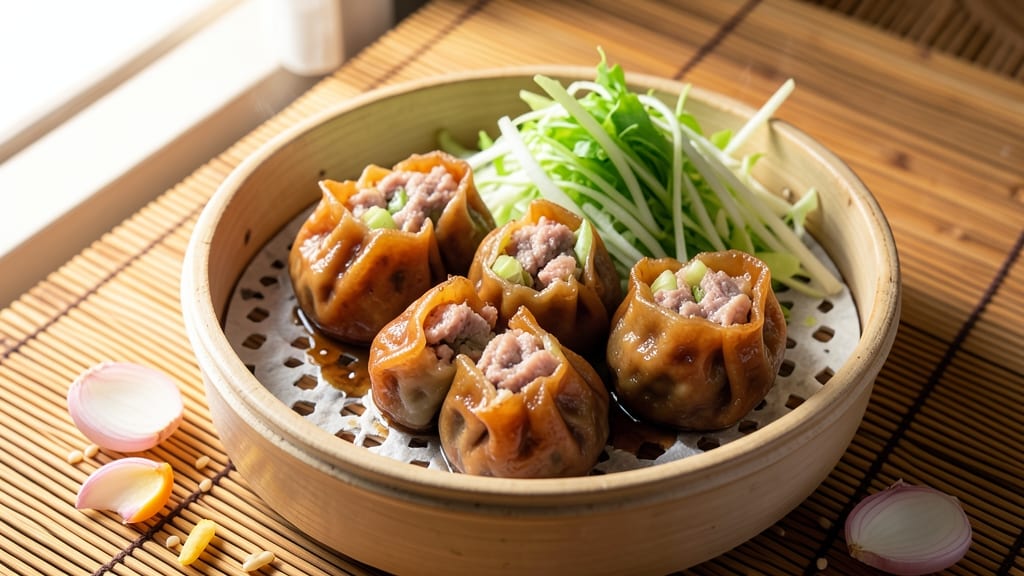
This authentic Chinese pork dumpling recipe brings the flavors of bustling Shanghai street markets to your kitchen. 💛 The secret lies in the delicate balance of tender dough and rich, aromatic filling—where crispy edges meet juicy centers in every bite.
I've perfected this technique through years of practice, ensuring each dumpling achieves that signature wok-seared perfection.
The foundation starts with a simple wheat flour dough that's rolled thin for delicate texture, while the filling combines finely ground pork with ginger, garlic, and cabbage for that classic umami depth. Traditional folding techniques create tight, airtight seals that lock in all the juices during cooking.
What makes these dumplings truly special is the pan-frying method, which gives them that coveted crispy bottom while keeping the filling perfectly tender.
By the time you finish, you'll have a plate of dumplings that look and taste like they came from a Beijing street stall—golden-brown edges with juicy, flavorful centers that practically melt in your mouth.
The aroma alone will have everyone gathering around your table. These dumplings are perfect for family meals or special occasions, and they freeze beautifully for quick weeknight dinners.
Whether you're serving them with a tangy soy-vinegar dipping sauce or a spicy chili oil, these dumplings deliver restaurant-quality results with the comfort of homemade. Let's get started on creating your own batch of these timeless treats.
Ingredients for authentic chinese pork dumpling
These simple yet authentic ingredients transform into restaurant-quality dumplings with crispy edges and juicy centers.
| Ingredient | Amount | Notes |
|---|---|---|
| All-Purpose Flour 🌾 | 2 cups | For tender, elastic dough |
| Cold Water 💧 | ¾ cup | Chilled for best texture |
| Ground Pork 🐷 | 1 ½ lb | Finely ground, 80% lean |
| Napa Cabbage 🥬 | 4 cups | Finely chopped, core removed |
| Garlic Cloves 🧄 | 6 cloves | Minced for aromatic depth |
| Fresh Ginger 🌿 | 2 tbsp | Finely grated, peeled |
| Green Onions 🧅 | 4 whole | Thinly sliced, white parts only |
| Soy Sauce 🍶 | 3 tbsp | Light or dark, for umami |
| Sesame Oil 🌰 | 1 tbsp | Toasted, for nutty aroma |
| Vegetable Oil 🫒 | 2 tbsp | For pan-frying |
| Salt 🧂 | 1 tsp | Kosher or sea salt |
| White Pepper 🌶️ | ½ tsp | Freshly ground preferred |
| Cornstarch 🌾 | 1 tbsp | For crispy dumpling edges |
The ground pork is everything here—look for 80% lean at your butcher or grocery store's meat counter. Costco or Whole Foods usually carry it pre-ground, but if you're buying whole pork shoulder, ask for it to be finely ground. The cabbage should be fresh and crisp—Napa cabbage is ideal, but regular green cabbage works in a pinch. For the flour, all-purpose is fine, but if you want that extra chewy texture, bread flour takes it to the next level. The sesame oil? Toasted is non-negotiable—it adds that nutty depth that makes these dumplings taste authentic.
No sesame oil? Toasted peanut oil works in a pinch, though the flavor will be slightly different. Short on cabbage? Substitute with finely chopped bok choy or regular cabbage, but don't skip the chopping—it needs to be very fine. The ginger and garlic can be swapped for ginger paste and garlic powder, but fresh is always better. If you're making a big batch, freeze the filling in portions—it keeps for up to 3 months. And trust me, the cornstarch is worth the extra step—it gives those dumplings that perfect crispy edge.
Keep the dough wrapped in plastic in the fridge for up to 2 days, or freeze it for 3 months by rolling it into a log and wrapping tightly. The filling can be prepped ahead and stored in the fridge for 1 week or frozen for 3 months. Once you've made a batch, you'll always have dumplings on hand—just thaw and pan-fry. Pro tip: Double the dough and freeze half—lazy-day dinners solved.
Why You'll Love This Recipe
- No-Fuss Dough: Honestly, the wrapper mix is just flour and cold water—no yeast, no waiting. Roll it out while the filling cooks, and you’re done in 15 minutes flat. (Yes, even on a Tuesday night.)
- Garlic Bomb Filling: That minced garlic sizzling in the pork? It’s the secret weapon. The cabbage adds just enough crunch, but the real magic is how the pork stays juicy while the edges get that golden, crispy seal when steamed.
- Lunchbox Hero: Between us, these dumplings are my go-to for meal prep. Freeze half the batch raw—they steam up perfectly later. My kids grab them straight from the freezer in the morning (no reheating needed).
- Budget Stretch: Ground pork and Napa cabbage make this a steal. A single bag of flour covers multiple batches, and the filling’s so flavorful, you’ll use it all before it goes bad. (I’ve never thrown out leftovers.)
Step-by-step instructions for authentic Chinese pork dumplings
Here's how to make dumplings with that perfect crispy edge and melt-in-your-mouth filling.
👨🍳 Step 1: Make the Dough with Just Flour and Water
In a large bowl, combine the 2 cups all-purpose flour and 0.75 cup cold water. Use your hands to mix until a shaggy dough forms—don't overwork it yet. Here's the thing: Chinese dumpling dough relies on gluten development, but we don't want it too tough.
Knead the dough for about 8-10 minutes on a lightly floured surface until smooth and elastic. Wrap it tightly in plastic wrap and rest for 30 minutes at room temperature. This resting period relaxes the gluten, making it easier to roll out later. If the dough feels sticky, add just enough flour to coat your hands—about 1 tablespoon total should do it.
🥘 Step 2: Prepare the Filling with All the Aromatics
In a large bowl, combine the 1.5 lb ground pork, 4 cups finely chopped napa cabbage, 6 minced garlic cloves, 2 tablespoons grated fresh ginger, and 4 thinly sliced green onion whites. Add the 3 tablespoons soy sauce, 1 teaspoon salt, and 0.5 teaspoon white pepper. Mix everything thoroughly with your hands—you want the cabbage to soften slightly from the salt.
Let the filling sit for 10 minutes while you work on the dough. This resting time allows the cabbage to release some moisture and the flavors to meld. If it looks too wet after resting, add 1 tablespoon cornstarch to absorb excess liquid. The filling should be moist but not soupy—you want it to hold its shape when you fold the dumplings.
🍳 Step 3: Roll and Cut the Dough into Circles
Divide the rested dough into 4 equal pieces (about 8 ounces each) and roll each piece into a thin rectangle about 1/8-inch thick. Use a 3-inch round cutter to cut out circles—you should get about 12 circles per piece of dough. I like to stack the scraps and reroll them once or twice to use all the dough.
Keep the cut dough circles covered with a damp towel while you work to prevent them from drying out. The circles should be thin enough that you can see your fingers through them when held up to the light. If they're too thick, roll them out again—the perfect thickness ensures crispy edges when pan-fried.
👨🍳 Step 4: Assemble the Dumplings with Filling
Place 1 tablespoon of filling in the center of each dough circle. Fold the dough over the filling and press the edges together firmly to seal. For traditional pleated edges, pinch the dough at the center and fold it over itself in a fan-like motion, pressing each fold as you go. This creates those iconic crispy pleats that make dumplings so satisfying.
Arrange the finished dumplings on a floured tray, leaving space between them. Cover with a damp towel to keep them moist while you work. If the filling leaks through the edges, your dumplings might burst when cooking—press the seals extra firmly to prevent this. You should have about 48 dumplings total for 4 servings (12 per serving).
🔥 Step 5: Pan-Fry for Crispy Edges and Juicy Centers
Heat 2 tablespoons vegetable oil in a non-stick skillet over medium-high heat until shimmering. Add 6-8 dumplings at a time (don't crowd the pan) and fry for 2-3 minutes until the bottoms are golden brown and crispy. Here's where it gets fun—carefully pour in 1/4 cup hot water around the dumplings. The steam will cook the centers while the oil keeps the edges crispy.
Cover the skillet and cook for another 4-5 minutes until the water evaporates and the dumplings are cooked through. Transfer to a plate and repeat with the remaining dumplings. For extra flavor, drizzle each batch with 1/2 teaspoon sesame oil before serving. The dumplings should have a deep golden crust on the bottom and a tender, juicy filling inside—just like from your favorite Chinese restaurant!
Pro Tips For Making Authentic Chinese Pork Dumpling
- Chill the Dough Properly: Wrap the flour-wrapped dough in plastic and refrigerate for at least 30 minutes before rolling—this prevents sticky messes and makes shaping dumplings effortless. I used to skip this, and my wrappers always stuck together like glue.
- Blanch Cabbage First: Parboil Napa cabbage for 2–3 minutes, then drain and squeeze out excess water before chopping—this keeps your filling from turning soggy. Sounds tedious, but dry filling means crisp dumplings.
- Don’t Overwork the Pork: Mix ground pork with seasonings just until combined—overhandling makes it dense and chewy. My grandmother called it "killing the meat," and she was right: gentle folds keep it tender.
- Steam on High Heat: Bring water to a full rolling boil before adding dumplings, then reduce to medium-high—this ensures they cook evenly without sticking. I learned this after watching my first batch turn into a sad, uneven pile.
Troubleshooting this dish
Dough Too Sticky?
If your dough feels too sticky during kneading, resist the urge to add too much flour—just 1 tablespoon total should suffice. I learned this the hard way when I over-floured my first batch and ended up with dry, crumbly dumplings. Instead, wet your hands slightly and knead gently.
The dough should be smooth but not tacky. If it's still sticking, let it rest for 5-10 extra minutes—the gluten will relax naturally. Remember, Chinese dumpling dough is meant to be slightly elastic, not dry. 💫
Filling Too Wet?
Wet filling is the number one reason dumplings burst open during cooking. If your filling looks soupy after resting, add 1-2 tablespoons cornstarch and mix well. I've found that 1 tablespoon usually does the trick, but taste test—it should hold its shape when pressed between your fingers.
Another trick? Let the filling sit uncovered in the fridge for 15 minutes to draw out excess moisture before assembling. This simple step prevents messy, leaking dumplings every time.
Dough Tears When Folding
Dough tears usually mean it's either too dry or not rested enough. First, check your dough—it should be pliable but not sticky. If it's dry, add 1 teaspoon water at a time until it becomes workable. More importantly, let the dough rest for the full 30 minutes before rolling.
I once rushed this step and ended up with 12 dumplings that looked like deflated balloons. Also, keep your workspace and hands floured but not powdered—just enough to prevent sticking. The dough should be thin enough to see light through when held up.
Dumplings Not Crispy?
Crispy edges require two key factors: proper oil temperature and enough space in the pan. Heat your oil over medium-high heat until it shimmers but doesn't smoke—too hot will burn the edges before the centers cook. Also, never overcrowd the pan.
I've seen home cooks pack in too many dumplings, which steams them instead of frying. Cook in batches of 6-8 dumplings maximum, and use a non-stick skillet—I swear by Calphalon for even heat distribution. Finally, add that ¼ cup hot water trick—it's what creates that restaurant-quality steam cooking effect.
Filling Leaking During Cooking
Leaky dumplings are usually a sign of poor sealing. When folding, press the edges firmly with your thumb and forefinger to create a tight, airtight seal. For extra security, I like to pinch the center first, then fold outward in pleats.
If you're still having issues, try this: After filling, place the dumpling seam-side down on your work surface and press gently to flatten the bottom. This creates a stronger base that won't burst.
Also, make sure your filling isn't too wet—if it leaks during assembly, your dumplings will definitely burst during cooking. 🔥
Dough Circles Shrinking?
Shrinking dough circles usually mean the dough wasn't rested long enough or was rolled too thin. First, always rest your dough for the full 30 minutes—this relaxes the gluten and prevents shrinking. Second, aim for 1/8-inch thickness when rolling.
I've found that using a 3-inch round cutter with slightly tapered edges helps maintain consistent size. If they still shrink, try rolling the dough slightly thicker (1/4-inch) and cutting larger circles (3.5-inch diameter)—they'll shrink to the right size during cooking.
The key is patience: Let the dough rest between each rolling session if needed.
Nutrition facts
Frequently asked questions
Can I make these dumplings ahead of time?
Assemble the dumplings and refrigerate them on a floured tray for up to 24 hours before cooking. For longer storage, freeze them raw on a tray first (to prevent sticking), then transfer to a freezer bag. Cook from frozen by adding 1 extra minute to the pan-frying time. The filling stays juicy and the dough holds up beautifully when reheated.
What's the best way to fold dumplings for beginners?
Start with a simple half-moon fold for practice: Place filling in the center, fold the dough in half, and press the edges firmly with your thumb and forefinger. For pleated edges, pinch the center first, then fold outward in small pleats, pressing each one as you go. Watching a 3-minute YouTube tutorial helps visualize the motion—it's all about gentle pressure, not force.
Can I substitute chicken or shrimp for pork?
You can use chicken, but shrimp requires adjustments. For chicken, use 1.5 lb finely ground chicken thigh (dark meat stays juicier) and reduce the soy sauce to 2 tablespoons. For shrimp, use 1.5 lb peeled, deveined shrimp (finely chopped) and add 1 extra tablespoon cornstarch to absorb moisture. The texture will differ slightly, but both work well.
How do I make the dumplings extra crispy?
Crispy dumplings start with a hot pan and proper technique. Use medium-high heat with enough oil to coat the bottom (2 tbsp per batch). After frying for 2 minutes, add ¼ cup hot water and cover immediately. The steam cooks the filling while the oil keeps edges crisp. Also, let the dumplings rest 2 minutes after cooking—they'll crisp up further as they cool.
What's the best dipping sauce for these dumplings?
Classic Chinese dipping sauce combines 3 tbsp soy sauce, 1 tbsp rice vinegar, 1 tsp sesame oil, ½ tsp sugar, and a pinch of white pepper. For extra richness, add 1 tsp chili oil or a splash of shao xing wine. Serve warm—it enhances the dumpling's savory-sweet balance.