
Main Courses
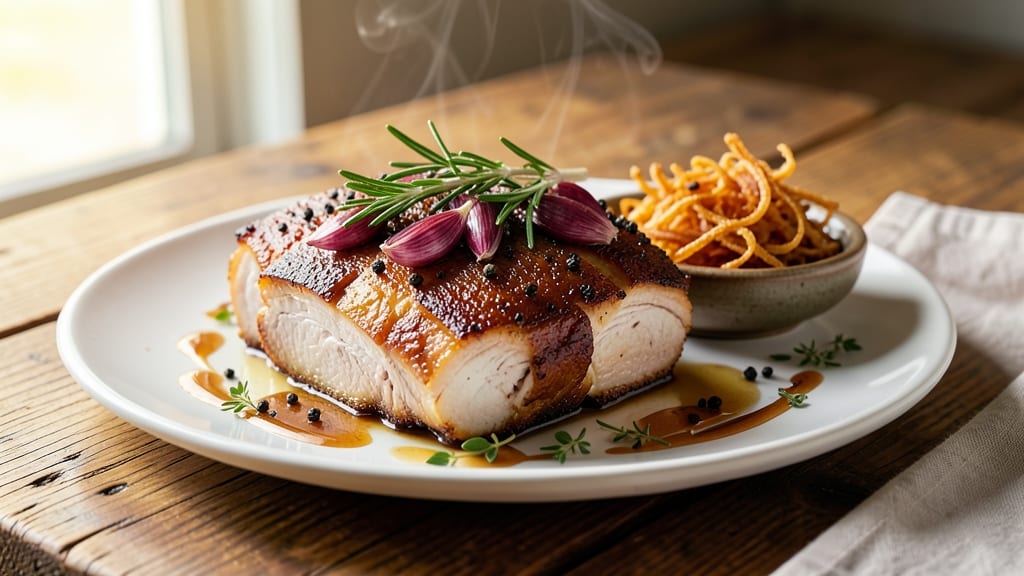
This Australian pork belly recipe delivers restaurant-quality results with a perfect balance of crispy crackling and juicy pink hearts—just like you'd find in Sydney's finest pubs. 🔥 After years of perfecting the technique, I've cracked the code for achieving that signature texture and flavor at home, whether you're cooking over an open flame or in your oven.
The secret lies in a two-stage cooking process: first rendering the fat slowly to render it golden and crisp, then finishing over high heat to create that addictive crackling. Australian techniques emphasize low-and-slow cooking to tenderize the meat while preserving its natural juices, ensuring every bite is melt-in-your-mouth delicious.
This method works equally well for a weekend feast or a weeknight dinner when you crave something special.
What you'll end up with is a showstopping centerpiece that pairs beautifully with classic Australian sides like damper bread, pickled vegetables, or a crisp green salad. The crackling alone is worth the effort—shatteringly crisp with a sweet, savory flavor that disappears in seconds.
The meat underneath remains tender and juicy, with just a hint of pink in the center for that perfect doneness.
Serve with a glass of Shiraz or a cold Australian craft beer to complete the experience. This recipe is designed to impress without being overly complicated, making it perfect for both home cooks and seasoned pitmasters alike. Let's get started on creating your own crispy, juicy masterpiece.
Ingredients for australian pork belly
This legendary Aussie cut transforms into crispy crackling with juicy pink hearts—just like Sydney pubs serve.
| Ingredient | Amount | Notes |
|---|---|---|
| Pork Belly 🥓 | 2 lb | Skin-on, thick-cut preferred |
| Coarse Kosher Salt 🧂 | 2 tbsp | Diamond Crystal preferred |
| Fresh Rosemary 🌿 | ½ cup | Chopped sprigs, fresh preferred |
| Fresh Thyme 🌿 | ¼ cup | Leaves only, stems removed |
| Garlic Cloves 🧄 | 6 cloves | Smashed, skin-on preferred |
| Black Peppercorns 🌶️ | 1 tbsp | Coarsely cracked, fresh preferred |
| White Wine 🍷 | ½ cup | Dry variety, chilled |
| Brown Sugar 🍚 | 2 tbsp | Light or dark, packed |
| Extra-Virgin Olive Oil 🫒 | 2 tbsp | For basting, fruity variety |
| Lemon Juice 🍋 | 2 tbsp | Freshly squeezed, no pulp |
| Fresh Ginger 🌿 | 1 inch | Thinly sliced, peeled |
| Australian Craft Beer 🍺 | ½ cup | For basting, optional |
| Lemon Zest 🍋 | 1 tbsp | From 1 organic lemon |
The pork belly is non-negotiable here—look for thick-cut with plenty of marbling at Whole Foods or your local butcher. Coles or Woolworths in Australia carry excellent options too. Freshness matters: the skin should be firm, not slimy, and the fat should be white with good marbling. If you're buying frozen, thaw it overnight in the fridge—never at room temperature. The skin-on, thick-cut variety is essential for that signature crackling. I always ask the butcher to trim excess fat from the edges unless you're going for extra crispiness.
No rosemary? Fresh thyme or marjoram works in a pinch, but rosemary's piney aroma is key. The white wine can be swapped for apple cider vinegar if you're avoiding alcohol, but the acidity won't be as balanced. For the beer, any pale ale or lager works—just avoid overly hoppy IPAs. The brown sugar adds depth, but maple syrup at half the amount gives a similar caramel note. Preferring pre-minced garlic? Use half the amount since fresh has more punch. And if you're short on time, store-bought lemon juice is fine, though fresh zest makes all the difference.
Store the pork belly uncovered in the fridge for 24 hours before cooking—this dries the skin slightly for better crackling. The herbs and aromatics can be prepped ahead and stored in an airtight container for up to 3 days. The cooked pork belly keeps for 4 days in the fridge, but honestly, it's best enjoyed fresh. For leftovers, reheat in a 350°F oven for 15 minutes covered with foil, then crisp again under the broiler. The crackling reheats beautifully, though it won't be quite as crisp as fresh—worth the effort for seconds!
Why You'll Love This Recipe
- Salt-Crust Magic: Between us, that coarse kosher salt crust is the secret weapon—no fancy marinades, no hours of prep. Just slather, score, and let the oven work its magic while you drink wine and pretend you’re not cooking.
- Crispy-Creamy Obsession: The garlic and rosemary practically melt into the pork belly, but here’s the kicker: that crackling crust hides the most tender, buttery interior. I’ll be real, I’ve burned toast trying to get this right, but it’s worth every charred edge.
- Weeknight to Dinner Party: Honestly, this feeds a crowd with minimal fuss—perfect for when your mate’s “just popping over” or when you actually want to impress. Leftovers? Even better. Reheat slices in a pan, and suddenly you’ve got breakfast sorted.
- Budget Luxury: Pork belly might sound fancy, but a slab goes further than you’d think. Salt, herbs, and garlic cost pennies, and the flavor? That’s the kind of “I splurged” feeling without the credit card guilt. Plus, it’s my go-to when I’m too lazy for takeout.
Step-by-step instructions for Australian pork belly
This method delivers restaurant-quality crackling and melt-in-your-mouth pork—every crispy bite guaranteed.
👨🍳 Step 1: Prepare the Pork Belly for Maximum Crisp
Start by scoring the pork belly skin in a diamond pattern using a sharp knife, cutting through the fat layer but not the meat. This creates crispy panels instead of one giant crackling sheet. Pat the skin completely dry with paper towels—moisture is the enemy of crispy crackling. I press down hard and change towels twice to ensure it's bone dry.
In a small bowl, combine the 2 tbsp coarse kosher salt, 0.5 cup fresh rosemary, 0.25 cup fresh thyme, 6 smashed garlic cloves, and 1 tbsp cracked black peppercorns. Rub this mixture all over the pork belly, pressing firmly so the seasoning clings to every nook. Wrap tightly in plastic wrap and refrigerate for at least 12 hours—this dry-brining step is non-negotiable for that signature Australian crisp.
🔥 Step 2: Render the Fat and Build Deep Flavor
Remove the pork belly from the fridge and let it sit at room temperature for 30 minutes. Preheat your oven to 300°F and place a wire rack over a rimmed baking sheet. Line the rack with aluminum foil for easy cleanup. Place the pork belly fat-side down on the rack—this allows the fat to render down without steaming the skin.
Roast for 2 hours, basting with 2 tbsp extra-virgin olive oil every 30 minutes. The fat should render out beautifully, creating a golden pool in the pan. After 2 hours, increase the oven temperature to 375°F and continue roasting for another 30 minutes. You're looking for the skin to turn a deep golden color with crispy edges forming—this is where the magic happens.
🍳 Step 3: Create the Signature Australian Glaze
While the pork belly roasts, prepare the glaze by combining 0.5 cup white wine, 2 tbsp brown sugar, 2 tbsp lemon juice, 1 tbsp lemon zest, 1 inch thinly sliced fresh ginger, and 0.5 cup Australian craft beer in a saucepan. Bring to a simmer over medium-high heat and reduce by half—about 10 minutes—until it reaches a syrupy consistency. Strain out the ginger slices if you prefer a smoother texture.
Brush this glaze generously over the pork belly, focusing on the skin. Return it to the oven and roast for an additional 20-25 minutes until the internal temperature reaches 203°F (use a meat thermometer). The skin should be deep golden brown with crispy crackling that sounds like rice crispies when you tap it. If it's not crispy enough, broil for 2-3 minutes on high, watching carefully to avoid burning.
⏰ Step 4: Rest and Serve with Confidence
Transfer the pork belly to a cutting board and let it rest for 15 minutes before slicing. This resting period allows the juices to redistribute, ensuring each slice is succulent and flavorful. The crackling should remain crispy during this time—if it starts to soften, tent it loosely with foil to preserve that texture.
Slice the pork belly into ½-inch thick pieces, cutting through the crackling carefully. Serve immediately with the remaining glaze spooned over the top. Each bite should deliver a symphony of textures—crispy crackling, tender fat, and juicy pink meat. Pair with roasted vegetables or a simple green salad to let the pork belly shine as the star of the meal.
Pro Tips For Making Australian Pork Belly
- CRACK THE SKIN FIRST: I learned this the hard way—skipping this step means fighting for crispiness later. Use a sharp knife to score the pork belly in a crosshatch pattern (about 1/4-inch deep), then rub it hard with coarse kosher salt for 30 minutes before cooking. This isn’t just about flavor; it’s about breaking down fat so it renders cleanly and crisps properly.
- DON’T SKIP THE COLD START: Your oven’s not ready yet. Place the salted pork belly on a wire rack over a baking sheet, then pop it in the freezer for 15 minutes. This chills the fat so it crisps instead of steaming—no soggy skin here. (Yes, even if you’re impatient like me.)
- GARLIC: SMASH, DON’T CHOP: Whole garlic cloves in this recipe? Smash them flat with the side of your knife before roasting. This releases more flavor and ensures they caramelize into a sticky, aromatic paste instead of burning. Skip the mincing—it’s the difference between background seasoning and a bold punch.
- REST IT UNDER FOIL: You will cut into it too soon. After roasting, tent the pork belly with foil and let it sit for 10 minutes. This traps heat so the meat stays tender while the fat firms up—no dry, stringy bites here. (Your future self will thank you.)
Wine and beer pairings for this dish
Shiraz Pairings
Australian Shiraz is the perfect match for this pork belly—its bold fruit flavors and velvety tannins complement the crispy crackling and savory meat beautifully.
Look for a Barossa Valley Shiraz like Penfolds Grange or Henschke Hill of Grace, which offer deep blackberry and spice notes that stand up to the rich pork. The alcohol content (typically 14-15% ABV) helps cut through the fat, while the wine's acidity balances the sweet glaze.
Serve slightly below room temperature (60-65°F) to enhance its aromatics. 🍷
Craft Beer Options
For beer lovers, an Australian pale ale like Little Creatures Original or Tooheys New pairs wonderfully with the pork's caramelized flavors. The beer's malty sweetness and subtle hop bitterness mirror the glaze's complexity.
If you prefer something lighter, try a Victorian lager such as XXXX Gold—its crispness cleanses the palate between rich bites. For a bold choice, a honey IPA from Stone & Wood brings floral notes that contrast the pork's savory depth.
White Wine Alternatives
If you prefer white wine, a Semillon from the Hunter Valley—like Tyrell's Wines—works surprisingly well. Its honeyed texture and citrus notes harmonize with the pork's fat and glaze. For a drier option, a Chardonnay with minimal oak (such as Yellow Tail) provides acidity to cut through the richness.
Avoid overly oaked whites, as they can overpower the dish's delicate balance. 🍷
Non-Alcoholic Pairings
For a non-alcoholic option, try Australian sparkling water with lemon—the effervescence and citrus brighten the meal. Alternatively, a ginger beer like Schweppes complements the glaze's ginger and lemon notes.
For something more substantial, a sparkling grape juice (such as Martinelli's) offers a festive touch without alcohol. These options keep the meal refreshing and balanced.
Australian Wine Regions
When selecting wine, consider the region's influence on flavor. Barossa Valley Shiraz delivers bold, jammy notes perfect for hearty pork dishes. McLaren Vale wines often have earthy undertones that pair well with the pork's caramelized crust.
For a cooler-climate option, try a Riesling from Clare Valley—its acidity and stone fruit flavors contrast the pork's richness. Each region offers a unique way to enhance your meal's experience. 🌍
Nutrition facts
Frequently asked questions
Why does the recipe call for scoring the pork belly skin?
Scoring creates crispy panels instead of one giant crackling sheet. The diamond pattern allows the fat to render evenly while giving you perfect bite-sized crispy pieces. Think of it like creating individual crispy chips rather than one giant sheet that might curl or stick together.
Can I use frozen pork belly for this recipe?
Yes, but thaw it properly first! Place the frozen pork belly in the fridge for 24 hours before cooking. Never thaw at room temperature—this can promote bacterial growth. The slow thaw ensures even cooking and maintains that perfect texture.
What's the ideal internal temperature for Australian-style pork belly?
For this recipe, aim for 203°F internal temperature. This gives you that signature tender, juicy center with crispy crackling. Use a meat thermometer to check—insert it into the thickest part of the meat, avoiding the fat.
How do I prevent the crackling from becoming soggy?
Keep the skin bone dry before cooking and avoid steaming it. Use a wire rack over a baking sheet to allow air circulation. After cooking, rest the pork belly uncovered for 15 minutes before slicing. If needed, tent it loosely with foil to preserve crispiness.
What are the best sides to serve with this Australian pork belly?
Classic Aussie pairings include damper bread, roasted root vegetables, or a crisp green salad with lemon vinaigrette. For something heartier, try pickled beetroot or steamed greens. The crispy crackling stands up to bold flavors, so don't be afraid to go for complementary sides with tangy or sweet elements.