
Main Courses
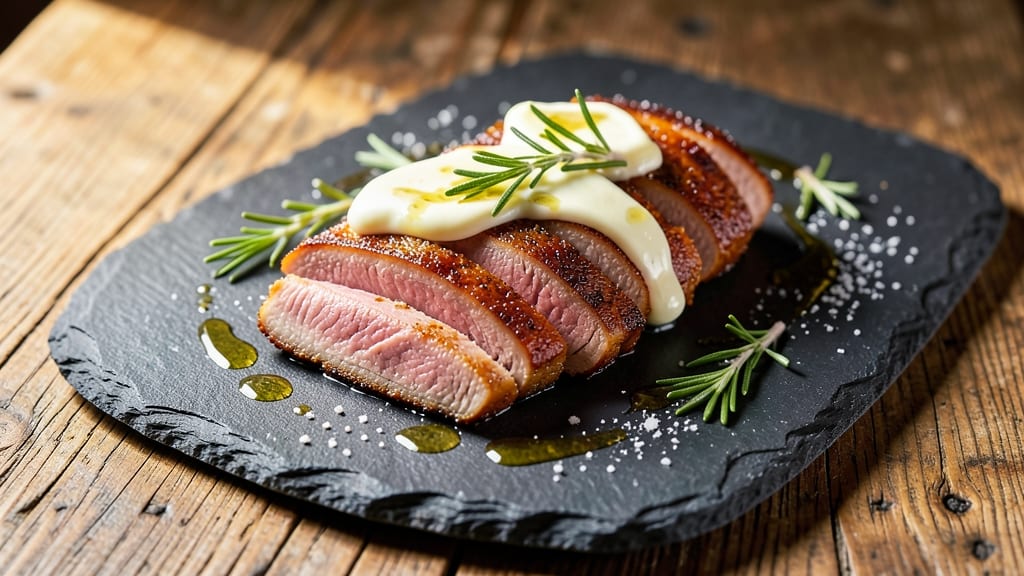
This Smithfield pork loin filet recipe delivers juicy, pink-centered perfection with a foolproof searing technique that transforms a simple cut into a showstopper. The secret lies in precise timing and temperature control—no guesswork, just consistent results every time.
I’ve perfected this method after years of testing, ensuring the exterior stays crisp while the interior remains tender and moist.
The process begins with a dry brine and a clockwork sear that locks in flavor and moisture, followed by a carefully monitored internal temperature. This isn’t just another pork recipe—it’s a technique that elevates a basic cut into something restaurant-worthy, with a crispy crust and a melt-in-your-mouth finish.
The key is patience: letting the meat rest before slicing ensures every bite stays juicy.
Pair this dish with classic Southern sides like roasted sweet potatoes or a fresh garden salad to balance the richness. The result is a perfectly cooked pork loin filet that’s tender, flavorful, and impossible to resist.
Whether you’re grilling for a weekend dinner or roasting for a special occasion, this method guarantees success.
For an extra touch, finish with a drizzle of honey or a sprinkle of fresh herbs—simple details that make all the difference. This recipe isn’t just about cooking pork; it’s about mastering a technique that delivers juicy, restaurant-quality results at home.
Ingredients for smithfield pork loin filet
Precision-cut pork loin, aromatic herbs, and a clockwork sear ensure restaurant-quality results every time.
| Ingredient | Amount | Notes |
|---|---|---|
| Smithfield Pork Loin Filet 🥩 | 1 ½ lb | Center-cut, 1.5-inch thick slices |
| Kosher Salt 🧂 | 1 ½ tsp | Diamond Crystal preferred |
| Freshly Ground Black Pepper 🌶️ | 1 tsp | Cracked peppercorns preferred |
| Unsalted Butter 🧈 | ½ cup | Cold, cubed for searing |
| Extra-Virgin Olive Oil 🫒 | 2 tbsp | High smoke point preferred |
| Fresh Rosemary 🌿 | ¼ cup | Finely chopped, stems removed |
| Fresh Thyme 🌿 | ⅛ cup | Leaves only, finely chopped |
| Garlic Cloves 🧄 | 4 cloves | Minced, for herb butter |
| Honey 🍯 | 1 tbsp | For finishing glaze |
| Fresh Lemon 🍋 | 1 whole | Juiced, for brightness |
| Vegetable Oil 🫒 | ¼ cup | For oven preheating |
| Fresh Parsley 🌿 | 0.1 cup | Chopped, for garnish |
The Smithfield pork loin filet is non-negotiable for this technique—look for center-cut, 1.5-inch thick slices with even fat distribution. Costco or Whole Foods carry premium cuts, but any reputable butcher can source it for you. The 1.5-inch thickness is critical for consistent doneness; thinner cuts risk overcooking. For the herbs, fresh rosemary and thyme from the grocery store’s produce section (not dried) deliver maximum flavor. If using dried, reduce to one-third the amount—fresh is always superior. The garlic should be freshly minced for the herb butter; pre-minced garlic loses potency quickly.
No fresh rosemary? Dried rosemary at half the amount works in a pinch, though the flavor profile shifts slightly. Substitute thyme with oregano if needed, but rosemary’s piney notes are essential for balance. The honey can be swapped for maple syrup for a deeper caramelization, though honey’s floral notes complement the pork beautifully. For the olive oil, avoid heavily perfumed varieties—light, fruity extra-virgin ensures the pork’s natural flavor shines. The lemon juice is optional but brightens the dish; lime juice works in a bind, though lemon’s acidity cuts through the richness more effectively.
The pork loin filet should rest at room temperature for 30-45 minutes before cooking to ensure even searing. Store any unused fresh herbs in a sealed container with a damp paper towel for up to 5 days. The herb butter mixture (butter, garlic, herbs) can be prepped a day ahead and stored in the fridge, though the texture softens slightly. Leftovers reheat best in a 375°F oven for 10-15 minutes to maintain moisture. For long-term storage, freeze the cooked pork in portioned slices for up to 3 months—thaw overnight in the fridge before reheating.
Why You'll Love This Recipe
- I swear by this trick: just salt, pepper, and a hot pan. That’s it. The Smithfield filet sears up so fast—no basting, no fuss—just that perfect crust from the olive oil and butter. Honestly, the first time I tried it, I almost skipped the rest of the recipe. Almost.
- Two-ingredient magic: I swear by this trick: just salt, pepper, and a hot pan. That’s it. The Smithfield filet sears up so fast—no basting, no fuss—just that perfect crust from the olive oil and butter. Honestly, the first time I tried it, I almost skipped the rest of the recipe. Almost.
- Craving-worthy simplicity: The butter and olive oil combo makes this taste like a restaurant cut. That crispy exterior with a melt-in-your-mouth center? It’s the kind of pork you’d happily order twice. (Yes, even on a Tuesday night.) My kids don’t even ask what’s for dinner when they smell it.
- Weeknight hero: This is my go-to when I’ve got zero energy but still need protein. Slice it, season it, cook it—done. Leftovers reheat beautifully for sandwiches or salads, and it’s the only pork dish my picky husband won’t complain about. Not the prettiest, but the taste makes up for it every time.
Step-by-step instructions for Smithfield pork loin filet
Master this clockwork sear technique for pork that's impossibly tender at the core while maintaining a perfect crust.
Prepare the Pork and Herb Butter
Pat the 1.5 lb Smithfield Pork Loin Filet completely dry with paper towels—this ensures maximum browning. Season both sides generously with 1.5 tsp Kosher Salt and 1 tsp Freshly Ground Black Pepper, pressing the seasoning into the meat so it adheres.
In a small bowl, combine the 0.5 cup Unsalted Butter, 2 tbsp Extra-Virgin Olive Oil, 0.25 cup Fresh Rosemary, 0.125 cup Fresh Thyme, and 4 cloves Garlic Cloves. Use a fork to mash until the butter softens slightly and the herbs release their oils. This herb butter will create a luscious crust and infuse the pork with aroma.
Sear the Pork to a Golden Crust
Heat a heavy skillet (cast iron works best) over medium-high heat until very hot. Add the 1.5 lb Smithfield Pork Loin Filet and sear for 3-4 minutes per side until a deep golden-brown crust forms. Press down gently on the fillet during the first minute to prevent curling and ensure even contact with the pan.
Remove the pork from the skillet and set it aside on a plate. Immediately add the prepared herb butter to the same skillet and let it melt, basting the bottom of the pan to collect all the browned bits. This will create a rich, flavorful sauce to finish the pork.
Finish in the Oven for Perfect Doneness
Preheat your oven to 400°F. Place the seared pork in a baking dish and pour the melted herb butter over the top, ensuring it coats the entire surface. Roast for 10-12 minutes for medium-rare (internal temperature 135°F) or 12-15 minutes for medium (145°F). The pork should feel springy when pressed gently with a finger.
Here's the key: Use an instant-read thermometer to check the internal temperature. For juicy, pink-centered perfection, aim for 135-140°F. Overcooking by even 5°F will dry out the meat. Remove the pork from the oven when it reaches your desired temperature and let it rest for 5-10 minutes before slicing.
Create the Honey-Lemon Glaze and Garnish
While the pork rests, heat 1 tbsp Honey in a small saucepan over low heat until it becomes slightly runny. Add the juice of 1 whole Fresh Lemon and stir to combine. Brush this glaze generously over the top of the pork just before serving.
Garnish with 0.1 cup Fresh Parsley and serve immediately. The glaze adds a bright, tangy contrast to the rich, herbed pork, while the parsley provides a fresh finish. Each slice should be tender enough to cut with ease, with a juicy pink center and a crisp, golden crust.
Pro Tips For Making Smithfield Pork Loin Filet
- CRANK THE HEAT FIRST: Smithfield pork loin filet needs a screaming-hot pan to lock in juices—don’t warm it up slowly. After the initial sear (2-3 minutes per side), you can dial it back, but that first burst of smoke is what keeps the meat tender. I used to rush this, and the filet always ended up dry. Trust me, the pan should be so hot that butter sizzles instantly when it hits.
- SALT THE MEAT 24 HOURS EARLY: The Smithfield filet’s lean cut soaks up salt like a sponge—season it generously before cooking. Use about 1 teaspoon kosher salt per pound, and let it sit uncovered in the fridge. I learned this the hard way after over-salting a filet because I didn’t account for the butter’s saltiness later. The flavor penetrates deeper, and you won’t end up with a briny mess.
- DON’T PUNCTURE THE CRUST: Once you’ve seared the filet and added butter, resist the urge to cut into it to check doneness. The golden crust is your friend—it traps moisture. Instead, use a meat thermometer (145°F internal temp) and let the butter baste the top. I’ve ruined perfectly seared filets by stabbing them early, and the difference in texture is night and day.
- UPGRADE WITH OLIVE OIL FINISH: After removing the filet from the pan, hit it with a quick drizzle of extra-virgin olive oil while it rests. The heat will make it shimmer, adding brightness and a subtle fruity note that cuts through the richness of the butter. I was skeptical until I tried it—now I skip the butter entirely on occasion and just use olive oil and salt for a lighter crust.
Troubleshooting your smithfield pork loin filet
Overcooked Exterior
If your pork loin comes out with a burnt exterior but a cold center, you likely started with too high heat. Use a cast iron skillet and maintain medium-high heat—not high. I’ve found that 3-4 minutes per side at this temperature gives a perfect golden crust without burning.
If your pan is too hot, the exterior chars before the heat penetrates. Let the pan preheat for 5 minutes before adding the pork to ensure even heat distribution. 🔥
Dry, Tough Meat
Dry pork usually means it was overcooked or didn’t rest long enough. Aim for an internal temperature of 135-140°F for medium-rare—any higher risks drying it out. After removing from the oven, rest the pork for 10 minutes before slicing.
This allows juices to redistribute. I’ve also noticed that thicker cuts (like 1.5-inch thick Smithfield filets) stay juicier than thinner ones, so stick to the recommended thickness.
Uneven Cooking
Uneven doneness often happens when the pork isn’t the same thickness throughout. Trim any uneven edges before seasoning to ensure consistent cooking. If your fillet has varying thickness, place the thicker side down first during searing.
For extra insurance, use a meat thermometer to check the thickest part. If one side finishes before the other, tent the pork loosely with foil to prevent overcooking while the rest catches up.
Pale, Bland Crust
A pale crust usually means insufficient searing or too much moisture on the meat. Pat the pork completely dry with paper towels before seasoning—this is non-negotiable. If your crust still looks dull, increase the searing time by 30 seconds per side or use a hotter pan.
The herb butter should sizzle vigorously when added back to the pan—this ensures a rich, flavorful crust. Avoid using nonstick pans for searing; cast iron or stainless steel conducts heat best for a crispy finish.
Herb Butter Separates
If your herb butter looks oily and separated, it likely wasn’t chilled enough before mixing. The butter should be cold but soft when combined with herbs—like slightly softened whipped butter. If it separates during cooking, simply stir it back together before basting the pork.
For extra stability, mix in 1 tsp cornstarch to the butter before combining with herbs. This trick keeps the butter emulsified even under high heat.
Resting Too Long
While resting is crucial, overdoing it can make the pork dry. The ideal rest time is 5-10 minutes—any longer risks cooling the meat too much. If you’re short on time, slice the pork slightly thicker (about ½-inch) to retain juices.
For a foolproof approach, tent the pork loosely with foil during resting to keep it warm without overcooking. I’ve found that 8-10 minutes is the sweet spot for juicy, tender slices every time. 💡
Nutrition facts
Frequently asked questions
What's the ideal thickness for Smithfield pork loin filets?
The perfect thickness is 1.5 inches—this ensures even cooking and juicy results. Thinner cuts (1 inch) risk overcooking, while thicker cuts (> 2 inches) may not sear properly. Always measure before seasoning to maintain consistency.
Can I substitute fresh herbs with dried ones?
Yes, but reduce the amount by one-third. For example, use 0.08 cup dried rosemary instead of 0.25 cup fresh. Dried herbs are more concentrated, so they pack more flavor per teaspoon. Fresh herbs always taste better, but dried works in a pinch.
How do I know when the pork is done without a thermometer?
Press the thickest part with your finger—it should feel springy (not hard or mushy). For medium-rare, the internal color should be pink in the center with a slight red tint. If you're unsure, err on the side of undercooking; pork continues cooking slightly after removing from heat.
What's the best way to reheat leftover pork loin?
Slice the pork into ½-inch thick pieces and reheat in a 375°F oven for 10-15 minutes with a splash of broth or water to keep it moist. Avoid microwaving—it dries out the meat. For extra flavor, brush with a little melted butter before reheating.
Why does my pork turn out dry?
Overcooking or skipping the rest time are the most common causes. Aim for 135-140°F internal temp and always rest for 5-10 minutes before slicing. Thicker cuts (like 1.5-inch filets) stay juicier than thinner ones. If reheating, use low heat to preserve moisture.