
Sauces & Condiments
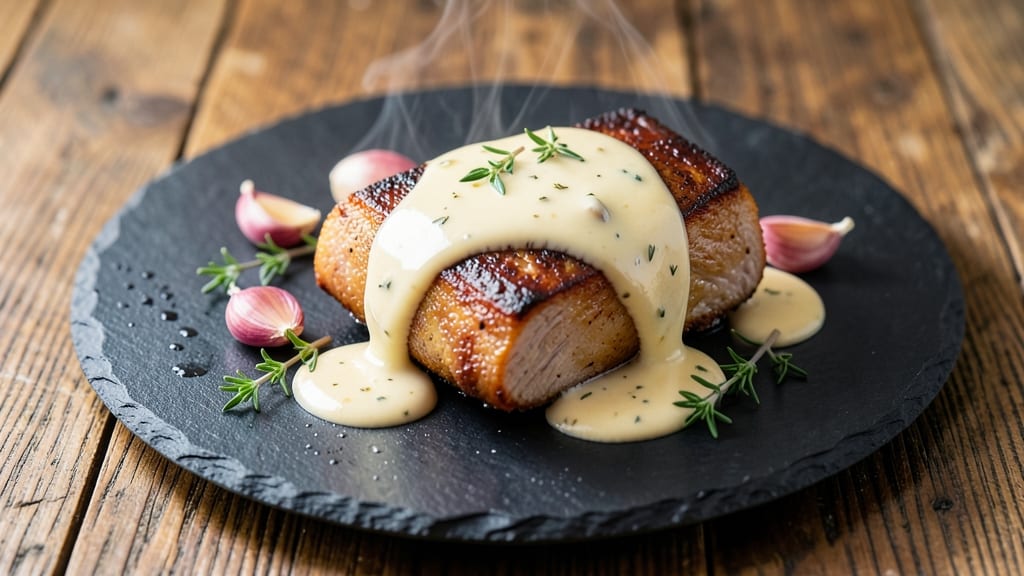
This pork tenderloin cream sauce recipe transforms a simple protein into a restaurant-worthy centerpiece with just 15 minutes of active work.
The secret lies in searing the pork to a perfect medium-rare—juicy inside, golden outside—before deglazing the pan with white wine and building a velvety garlic-herb cream sauce that clings to every bite like it was made for you.
What makes this dish truly special is how effortlessly it comes together: no fancy techniques, just strategic timing. The pork cooks while you prepare the sauce, and the pan gravy—rich with garlic, thyme, and a touch of Dijon—elevates the dish without overwhelming its natural tenderness.
This is the kind of recipe that feels indulgent but delivers on weeknight reliability.
By the time you plate it, you’ll have perfectly tender pork sliced against a pool of silky sauce, garnished with fresh parsley for brightness. The sauce thickens just enough to coat each forkful, balancing the richness with acidity from the wine and a hint of mustard.
Serve with roasted potatoes or a simple green salad to round out the meal.
Here’s where it gets interesting—this method works equally well for roasted or pan-seared pork, and the sauce can be made ahead, reheated, and drizzled over leftovers. The key is keeping the pork warm while you finish the sauce, so everything arrives at the table together. Let’s get started.
Ingredients for pork tenderloin recipe cream sauce
Pantry staples plus a few fresh elements create this velvety pork tenderloin masterpiece.
| Ingredient | Amount | Notes |
|---|---|---|
| Pork Tenderloin 🥩 | 1 ½ lb | Center-cut for even cooking |
| Unsalted Butter 🧈 | ½ cup | Cold, cubed for searing |
| White Wine 🍷 | ½ cup | Dry variety like Sauvignon Blanc |
| Heavy Cream 🥛 | 1 cup | Full-fat for richness |
| Garlic Cloves 🧄 | 4 cloves | Minced for intense flavor |
| Fresh Thyme 🌿 | ¼ cup | Leaves only, finely chopped |
| Dijon Mustard 🌶️ | 1 tbsp | For subtle tang |
| All-Purpose Flour 🌾 | 1 tbsp | For sauce thickening |
| Fresh Parsley 🌿 | ⅛ cup | Chopped for garnish |
| Salt 🧂 | 1 ½ tsp | Kosher or sea salt |
| Black Pepper 🌶️ | ½ tsp | Freshly cracked |
| Olive Oil 🫒 | 1 tbsp | For pan searing |
The pork is the foundation—look for a center-cut tenderloin at your butcher or grocery store's meat case. It should feel firm to the touch with minimal fat. Costco or Whole Foods often carry pre-trimmed cuts, which saves time. Fresh thyme and parsley make all the difference: the farmers market usually has the most vibrant leaves, but grocery store bunches work too if they're not wilted. For the wine, any dry white like Sauvignon Blanc or Pinot Grigio will work—just avoid anything too sweet.
No white wine? Substitute chicken broth with a splash of lemon juice—it adds brightness without overpowering. Running short on fresh thyme? Dried thyme at one-third the amount works in a pinch, though fresh is ideal. The Dijon mustard adds depth, but if you're out, yellow mustard at half the amount gives a similar tang. For the butter, European-style unsalted melts more smoothly than American brands. And if you're worried about the sauce being too rich, add an extra splash of wine or a squeeze of lemon at the end to balance it out.
This sauce reheats beautifully—simply warm over low heat with a splash of cream or water. Store leftovers in the fridge for up to 4 days or freeze for 3 months in an airtight container. The pork itself keeps well for 2 days in the fridge, but it's best enjoyed fresh. For meal prep, slice the pork and sauce separately, then reheat together in a skillet to revive the flavors. Garnish with fresh parsley just before serving to keep it vibrant.
Why You'll Love This Recipe
- One-Pan Magic: I swear by this recipe when I’m too tired to scrub pots—just sear the pork, pour in the wine and cream, and let it bubble. The garlic cloves sizzle right in the pan, so no extra prep, no extra cleanup.
- Wine-Cream Dream Team: That splash of white wine cuts through the richness of the heavy cream, balancing the pork’s natural sweetness. The butter melts into a velvety sauce that coats every bite—like a hug in sauce form.
- Weeknight to Dinner Party: I make this for lazy Tuesdays, but it’s also my go-to when company’s coming. The sauce thickens beautifully, and the tenderloin slices are impressive enough to fool anyone who thinks I don’t cook.
- Budget-Friendly Luxury: Pork tenderloin is lean and affordable, and this recipe stretches it further with the creamy sauce. Leftovers reheat like a dream—just add a splash of milk to loosen the sauce, and it’s just as good the second time.
Step-by-step instructions for pork tenderloin cream sauce
Transform simple ingredients into restaurant-quality pork with a velvety garlic-herb cream sauce.
Sear the Pork Tenderloin to Perfection
Pat the 1.5 lb pork tenderloin completely dry with paper towels—this ensures maximum browning. Heat 1 tablespoon olive oil in a large skillet over medium-high heat until shimmering. Add the pork and sear for 4-5 minutes per side until deeply golden brown with a 3-4 minute rest between sides to prevent overcooking.
The key here is patience—don't rush the searing. You'll know it's ready when the exterior develops a rich mahogany crust and the internal temperature reaches 145°F (use a meat thermometer). Remove the pork and let it rest on a plate while you build the sauce. The residual heat will carry it to 150°F—perfectly tender without drying out.
Build Rich, Aromatic Base for the Sauce
Reduce heat to medium and add 0.5 cup unsalted butter to the same skillet. Let it melt completely, then add the 4 cloves minced garlic and 0.25 cup finely chopped fresh thyme. Cook for 1-2 minutes until the garlic turns golden and fragrant—don't let it burn, or you'll taste bitterness.
Here's where the magic happens: Pour in the 0.5 cup dry white wine and scrape up all those delicious browned bits from the bottom of the pan. This deglazing step captures all the pork's caramelized flavor. Let it simmer for 3-4 minutes until reduced by half, creating a concentrated flavor base for your sauce.
Thicken and Elevate with Cream and Mustard
Lower heat to medium-low and stir in 1 tablespoon all-purpose flour, whisking vigorously for 1 minute to cook out the raw flour taste. Slowly pour in 1 cup heavy cream while continuing to whisk—this prevents lumps from forming. Add 1 tablespoon Dijon mustard and bring to a gentle simmer for 5-6 minutes until the sauce thickens enough to coat the back of a spoon.
Season generously with 1.5 teaspoons salt and 0.5 teaspoon black pepper, then taste and adjust. The sauce should be rich, velvety, and perfectly balanced between the herbal thyme, tangy mustard, and creamy depth. If it's too thick, whisk in 1-2 tablespoons hot water to reach your desired consistency.
Finish and Serve with Garnish
Return the rested pork to the skillet with the sauce, spooning sauce over the top. Let it heat through for 2-3 minutes on low heat, allowing the pork to absorb some of that luxurious sauce. The internal temperature should reach 160°F—perfectly tender with juices that won't run out when sliced.
Garnish with 0.125 cup chopped fresh parsley and serve immediately with the sauce spooned over the top. Each bite should deliver perfectly tender pork with a silky sauce that coats every strand. For extra presentation, drizzle with additional sauce and serve with roasted vegetables or mashed potatoes to soak up every last drop.
Pro Tips For Making Pork Tenderloin Recipe Cream Sauce
- SEAR THE PORK FIRST: Don’t skip the initial sear—get that pan screaming hot and let the pork develop a deep brown crust before pulling it out. I used to rush this, and the sauce always tasted flat; that crust melts into the wine and butter, adding layers of flavor you can’t get any other way.
- DEGLAZE WITH PUNCH: After removing the pork, immediately add the white wine and scrape the pan like you’re trying to win a bet—every stuck-on bit has flavor. Let it reduce by half before adding cream; this concentrates the sauce’s depth and cuts through the richness.
- TEMPE THE CREAM: Warm the heavy cream separately over low heat until it’s steaming but not boiling—just until tiny bubbles form at the edges. Dumping cold cream into the pan can cause the sauce to seize up like a stubborn mule; this keeps it silky.
- GARLIC: SMASH, DON’T MINCE: Peel and smash the garlic cloves with the flat side of your knife before adding them to the pan. This releases more flavor without burning, and you won’t spend 10 minutes fishing out charred bits. (Yes, even if you’re impatient like me.)
Best sauces and condiments for these flavors
Classic Garlic-Thyme Cream
The sauce you've already made is pure perfection—rich, velvety, and packed with aromatic garlic and thyme. This is the foundation, but if you want to elevate it further, try adding 1 teaspoon lemon zest at the end for brightness.
I find this works especially well if you're serving with a citrusy side like seared scallops or a simple arugula salad. The acidity cuts through the creaminess beautifully. 💛
Mustard-Dijon Twist
For a tangier sauce with a kick, increase the Dijon mustard to 2 tablespoons and add ½ teaspoon smoked paprika when building the base. This adds depth and a subtle smokiness that pairs wonderfully with the pork.
I love this version when serving with roasted root vegetables or crusty bread. The paprika also adds a nice visual contrast to the creamy sauce.
Herb-Infused Variations
Swap out the thyme for rosemary or sage if you prefer—both work beautifully. For a Mediterranean twist, add 1 teaspoon dried oregano and a pinch of red pepper flakes when deglazing with wine. Fresh basil is another great option, especially if you're serving with a Caprese-inspired side. Just
Lighter Alternative
If you're watching the calories, replace half the heavy cream with ½ cup Greek yogurt or coconut milk. The texture stays creamy, but the sauce becomes lighter. I also reduce the butter to ¼ cup and add a splash of chicken broth instead of water to maintain richness. Garnish with extra parsley to keep it fresh and vibrant.
Spicy Kick
For heat lovers, stir in ½ teaspoon cayenne pepper when deglazing with wine, or add 1-2 slices of fresh jalapeño (seeds removed) to the garlic-thyme base. Remove the jalapeño slices before adding the cream.
This adds a subtle heat that lingers beautifully. If you prefer a sweeter spice, swap in ½ teaspoon chipotle powder for a smoky, slightly sweet kick.
Make-Ahead Sauce
This sauce reheats like a dream—simply warm it on the stovetop over low heat with a splash of cream or water to loosen it up. For best results, store it in an airtight container in the fridge for up to 4 days or freeze for 3 months.
When reheating, add a pinch of salt and pepper to refresh the flavors. I often make a double batch and keep it on hand for quick weeknight dinners. 💡
Nutrition facts
Frequently asked questions
Can I substitute chicken broth for the white wine in the sauce?
Yes, you can! Use 0.5 cup chicken broth plus 1 tablespoon lemon juice to mimic the acidity and depth of wine. The sauce will still develop rich flavors, though it'll have a slightly different profile. For extra brightness, add a pinch of salt to compensate for the missing wine acidity.
How do I prevent the pork from drying out?
The key is patience—don't overcook! Sear the pork to 145°F internal temp, then let it rest for 5-10 minutes before slicing. The residual heat will carry it to 160°F while keeping it juicy. Also, avoid cutting into it too soon after cooking, as the juices need time to redistribute.
Can I make the sauce ahead of time?
Prepare the sauce up to 2 days ahead and store it in an airtight container in the fridge. Reheat gently over low heat, stirring occasionally, and add a splash of cream or water if it thickens too much. For the pork, cook it fresh or reheat sliced pork in the sauce for 2-3 minutes to warm through.
What's the best way to slice the pork tenderloin?
Slice against the grain at a 45-degree angle for thinner, more tender pieces. For even slices, first cut the rested pork into 1-inch chunks, then slice each chunk into ½-inch medallions. This method ensures every bite is perfectly tender and coated in sauce.
How can I make this dish kid-friendly?
Reduce the garlic to 2 cloves and omit the Dijon mustard (or use ½ teaspoon mild yellow mustard). For extra richness, add 1 tablespoon honey to the sauce when simmering. Serve with mild sides like roasted carrots or buttered noodles to balance the flavors.