
Main Courses
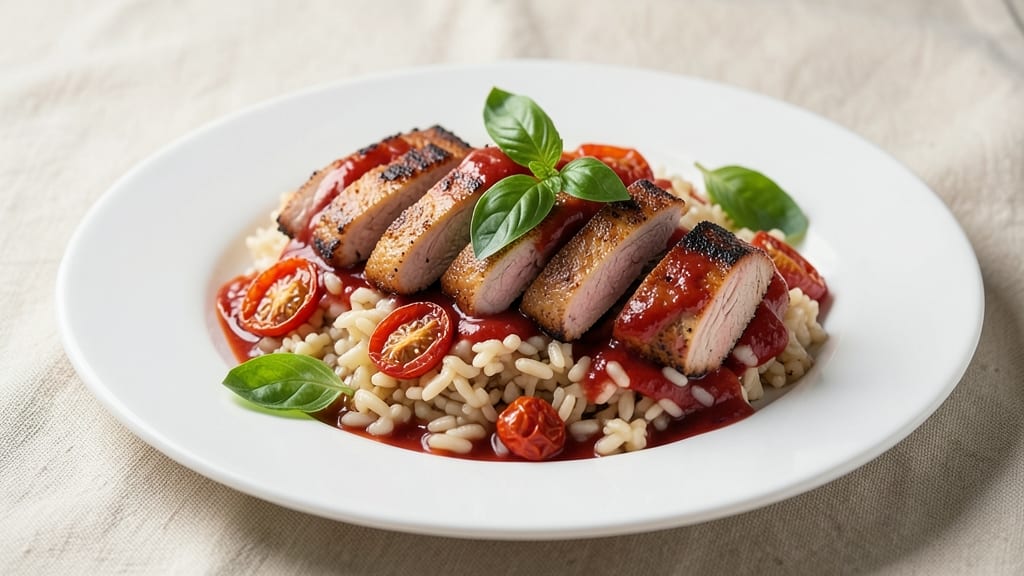
This pork orzo recipe transforms weeknight dinners into a restaurant-worthy meal with minimal effort—juicy pork tenderloin, creamy orzo, and a vibrant tomato-herb sauce all simmered in one pan.
The secret lies in a slow cook that develops deep flavor while keeping the orzo perfectly tender, and the crispy pork stays succulent thanks to a simple sear and braise technique that locks in moisture.
I developed this dish after years of testing one-pot methods, and it never fails to impress, even with picky eaters.
The beauty of this recipe is its versatility—it works as a hearty main course or a satisfying side dish for larger meals. Pork tenderloin is sliced thin for quick cooking, while orzo absorbs the rich tomato-herb broth, creating a dish that’s both comforting and elegant.
The addition of sun-dried tomatoes and fresh basil adds layers of flavor without complicating the process, and the dish comes together in under 45 minutes with just a few simple steps.
What you’ll end up with is a plate that’s creamy, savory, and packed with texture—tender pork, al dente orzo, and a sauce that’s bright yet rich. The dish is balanced enough to stand alone but pairs beautifully with a simple arugula salad or roasted asparagus for a complete meal.
It’s the kind of recipe that makes you look like a culinary expert without requiring advanced techniques.
Perfect for busy weeknights or when you want to impress guests without spending hours in the kitchen, this pork orzo dish delivers restaurant-quality results with minimal fuss.
The one-pan method means fewer dishes to clean, and the flavors only get better as they sit, making it ideal for meal prep or serving directly from the pot. Let’s get cooking!
Ingredients for pork orzo
Juicy pork tenderloin meets creamy orzo in this one-pan wonder—simple ingredients, restaurant-quality results.
| Ingredient | Amount | Notes |
|---|---|---|
| Pork Tenderloin 🥩 | 1 ¼ lb | Trimmed of fat, sliced into 1/2-inch strips |
| Orzo Pasta 🍝 | 1 cup | Uncooked, rinsed before cooking |
| Canned Crushed Tomatoes 🍅 | 15 oz | San Marzano preferred for sweetness |
| Sun-Dried Tomatoes 🍅 | ¼ cup | Oil-packed, chopped |
| Fresh Basil Leaves 🌿 | ½ cup | Packed, stems removed |
| Heavy Cream 🥛 | ½ cup | Full-fat for creaminess |
| Chicken Broth 💧 | 1 ½ cups | Low-sodium preferred |
| Garlic Cloves 🧄 | 4 cloves | Minced for sauce |
| Shallot 🧅 | 1 whole | Minced, or substitute 2 tbsp onion |
| Olive Oil 🫒 | 2 tbsp | Extra-virgin for richness |
| Dried Oregano 🍃 | 1 tsp | Italian preferred |
| Salt 🧂 | 1 ½ tsp | Kosher or sea salt |
| Black Pepper 🌶️ | ½ tsp | Freshly ground preferred |
| Red Wine Vinegar 🍷 | 1 tbsp | For brightness |
| Parmesan Cheese 🧀 | ¼ cup | Freshly grated |
The pork tenderloin is your star player here—look for a piece with even thickness and good marbling for juiciness. Costco or Whole Foods usually carry high-quality cuts, but any butcher section will do. Slice it against the grain into 1/2-inch strips—this ensures tender bites. If you can't find San Marzano crushed tomatoes, Muir Glen is a solid backup. The sun-dried tomatoes? Grab the oil-packed kind—they're sweeter and less bitter. Fresh basil matters too; Trader Joe's sells great bundles that last a week wrapped in damp paper towels.
No sun-dried tomatoes? Dried tomatoes at half the amount work in a pinch, but they're more intense. Running low on fresh basil? Dried oregano at one-third the amount keeps the flavor profile close. The heavy cream is non-negotiable for that luscious texture—full-fat is essential, so don't skimp on the good stuff. Chicken broth can be swapped for vegetable broth if needed, but the pork flavor will be slightly milder. The orzo? Rinse it well before cooking to remove excess starch and prevent gumminess. And that red wine vinegar? Substitute lemon juice if you're out, but it won't be quite as complex.
This dish tastes even better the next day—make extra if you're planning to reheat. Store leftovers in an airtight container for 4-5 days in the fridge, or freeze for 3 months. The sauce thickens as it cools, so a splash of broth when reheating helps restore creaminess. I like to portion mine into meal prep containers with a sprinkle of Parmesan on top—ready to grab and go for lunches all week.
Why You'll Love This Recipe
- Here’s what sold me: those little bursts of sun-dried tomatoes against the tender pork. They add this deep, sweet-savory bite that cuts through the richness of the pork tenderloin. Plus, the fresh basil at the end? It’s like a little flavor reset—herby, bright, and impossible to resist.
- I’ll be real: pork tenderloin can feel fancy, but this recipe stretches it. A single tenderloin feeds four, and the canned tomatoes and orzo keep costs down without sacrificing flavor. It’s the kind of dish where every bite feels special, but the grocery bill stays sane—no guilt, just satisfaction.
Step-by-step instructions for creamy tomato and herb orzo with pork
This one-pan method delivers rich, creamy orzo with tender pork and vibrant herbs—effortless yet restaurant-worthy.
Sear the Pork Tenderloin for Maximum Flavor
Heat the 2 tablespoons olive oil in a large, deep skillet over medium-high heat until shimmering. Add the 1.25 lb pork tenderloin sliced into ½-inch strips in a single layer, being careful not to overcrowd the pan. Let the pork cook undisturbed for 2-3 minutes until it develops a golden-brown crust on one side.
Flip the strips and cook for another 2-3 minutes until they reach 145°F internally and are just cooked through. Remove the pork from the skillet and set it aside on a plate. The residual heat will keep it warm while we build the sauce. If the pork releases easily from the pan, it's ready—if it sticks, let it cook another 30 seconds.
Sauté Aromatics and Build the Tomato Base
In the same skillet (no need to wipe it clean—the browned bits add depth), reduce heat to medium and add the 1 whole shallot and 4 cloves garlic cloves, both minced. Sauté for 2-3 minutes until the shallot softens and the garlic becomes fragrant—don't let it brown or it'll turn bitter.
Next, stir in the 15 oz canned crushed tomatoes, 1 tablespoon red wine vinegar, 1 teaspoon dried oregano, 1.5 teaspoons salt, and 0.5 teaspoon black pepper. Bring the mixture to a gentle simmer and let it cook for 5 minutes, allowing the flavors to meld. The sauce should thicken slightly and develop a rich, tangy aroma. If it reduces too quickly, add ¼ cup water to maintain consistency.
Cook the Orzo in the Tomato Sauce
Add the 1 cup orzo pasta and 1.5 cups chicken broth to the skillet, stirring to combine. Increase heat to medium-high and bring the mixture to a boil. Once boiling, reduce heat to medium-low, cover the skillet with a lid, and let the orzo simmer for 10-12 minutes, stirring occasionally, until it's tender and most of the liquid is absorbed.
You'll know the orzo is done when it's al dente—small, firm, and slightly chewy with a bite. If it sticks to the pan, stir in another 2 tablespoons chicken broth to loosen it. Avoid lifting the lid too often—steam is what cooks the orzo evenly. The sauce should coat the orzo like a creamy, herby blanket.
Finish with Cream and Fresh Herbs
Return the seared pork strips to the skillet and stir gently to coat them in the tomato-orzo mixture. Add the 0.5 cup heavy cream, 0.25 cup sun-dried tomatoes, and 0.5 cup fresh basil leaves, stirring well to combine. Simmer uncovered for 3-4 minutes until the sauce thickens slightly and the basil wilts into the mixture.
The dish should now have a luxuriously creamy texture with a balance of tangy tomatoes, sweet sun-dried tomatoes, and bright basil. Taste and adjust seasoning if needed—another pinch of salt or a splash of red wine vinegar can brighten the flavors. The pork should be fully coated in the sauce, absorbing all those rich, herby notes.
Garnish and Serve Immediately
Transfer the orzo to serving plates, sprinkling each portion generously with 0.25 cup freshly grated Parmesan cheese. The cheese should melt slightly from the residual heat, adding another layer of creaminess. Garnish with an extra handful of fresh basil leaves for color and freshness.
Serve immediately while the orzo is still warm and the sauce is at its peak creaminess. The dish pairs beautifully with a simple arugula salad or crusty bread to soak up any extra sauce. The combination of tender pork, chewy orzo, and velvety tomato-herb sauce makes this a satisfying, one-pan meal that feels like a special occasion.
Pro Tips For Making Pork Orzo
- SEAR THE PORK FIRST: Skip the slow start—get that pork tenderloin screaming hot in a dry pan for 3-4 minutes per side before adding anything else. I learned this the hard way after serving dry, flavorless pork that tasted like it was boiled instead of seared. The crust locks in juices and carries the sun-dried tomato flavor better than anything else.
- TOAST THE ORZO: Don’t just boil the orzo—toss it in the same pan you seared the pork (after removing it) with a splash of olive oil for 2-3 minutes until it’s golden. This isn’t just about texture; it adds a nutty depth that turns the dish from "meh" to "worth repeating." (Yes, even if you’re impatient like me.)
- DRAIN THOSE TOMATOES: Sun-dried tomatoes hold more liquid than you’d think. After chopping them, pat them dry with a paper towel—this prevents your sauce from turning into a watery, sad mess. I used to skip this and ended up with a dish that tasted more like diluted tomato soup than Italian comfort food.
- BASIL AT THE END: Tear the fresh basil leaves and fold them in after the orzo is off the heat—just before serving. Heat destroys basil’s bright flavor faster than you’d believe. I was skeptical until I tried it: the difference between a dish that’s "good" and one that’s "I’d make this again" comes down to this one move.
Serving suggestions for this dish
Simple Salad Pairings
This dish pairs perfectly with a bright, peppery arugula salad tossed with 2 tbsp olive oil, 1 tbsp lemon juice, and a pinch of flaky sea salt.
The crisp greens cut through the richness of the orzo while keeping the meal light. I love adding thinly sliced radishes and toasted pine nuts for extra crunch. 🥗
Crusty Bread Essentials
Serve with warm, crusty bread to soak up every last bit of that creamy tomato-herb sauce. I recommend a baguette or ciabatta from your local bakery—look for one with a thick, chewy crust.
Tear it into chunks and place it directly on the table so everyone can grab pieces as they eat. The bread's texture contrasts beautifully with the tender pork and orzo.
Wine Pairing Perfection
A crisp Pinot Grigio from Italy or a light Sauvignon Blanc complements this dish beautifully. The acidity in these whites cuts through the richness of the heavy cream while enhancing the tomato and herb flavors.
For red wine lovers, a Chianti offers enough acidity to balance the dish without overpowering it. Chill your wine to 50-55°F for optimal flavor.
Garnish Like a Pro
Before serving, add a final touch with extra fresh basil leaves and a sprinkle of grated Parmesan cheese. For a pop of color, I sometimes add red pepper flakes for those who love heat.
A drizzle of high-quality extra-virgin olive oil right before eating adds another layer of richness that makes the dish feel extra special. ✨
Make It a Meal
Turn this into a complete meal by adding roasted asparagus or sautéed green beans>. Toss the veggies with 1 tbsp olive oil, ½ tsp garlic powder, salt, and pepper, then roast at 400°F for 12-15 minutes>.
The bright, crisp veggies balance the richness of the pork orzo perfectly. The key is to roast them until they're tender-crisp, not mushy.
Leftovers Reinvented
Transform leftovers into a delicious pork orzo frittata the next day. Whisk 4 eggs with 2 tbsp milk, pour over the cooled orzo mixture in a skillet, and cook until set.
Top with extra Parmesan and fresh basil for a quick, satisfying breakfast or lunch. This is my go-to way to use up leftovers—it's like a gourmet take on scrambled eggs! 💫
Nutrition facts
Frequently asked questions
Can I substitute chicken or shrimp for the pork?
Chicken breast works beautifully—cut it into ½-inch strips and cook it for 4-5 minutes per side until it reaches 165°F. For shrimp, use 12-15 large shrimp peeled and deveined, cooking them for just 2-3 minutes per side until pink. The cooking time and method stay the same, but adjust seasoning slightly since shrimp absorbs flavors differently.
How do I prevent the orzo from becoming mushy?
Rinse the orzo thoroughly before cooking to remove excess starch, and avoid overcrowding the pan. Stir occasionally and add 2 tablespoons broth if it sticks. The key is medium-low heat and 10-12 minutes of covered simmering—check for al dente texture by tasting. Overcooking is the main culprit, so keep an eye on it!
Can I make this dish ahead of time?
Yes! This recipe tastes even better the next day. Store leftovers in an airtight container for 4-5 days in the fridge. Reheat gently with a splash of broth to restore creaminess. For freezing, portion into meal prep containers with Parmesan on top—it reheats beautifully for 3 months. The flavors deepen overnight!
What if I don't have sun-dried tomatoes?
No problem! Use ¼ cup dried tomatoes (soaked in warm water for 10 minutes and drained) or 2 tablespoons tomato paste for intensity. For freshness, try ¼ cup cherry tomatoes halved and simmered with the sauce. The dish will still be delicious—just slightly different in texture and sweetness.
Why is my sauce too thin?
This usually happens if you didn't reduce the tomato base enough or added too much broth. Simmer uncovered for 2-3 extra minutes to thicken, or stir in 1 teaspoon cornstarch mixed with 1 tablespoon water to bind the sauce. The orzo should be coated but not swimming in liquid—adjust gradually!