
Main Courses
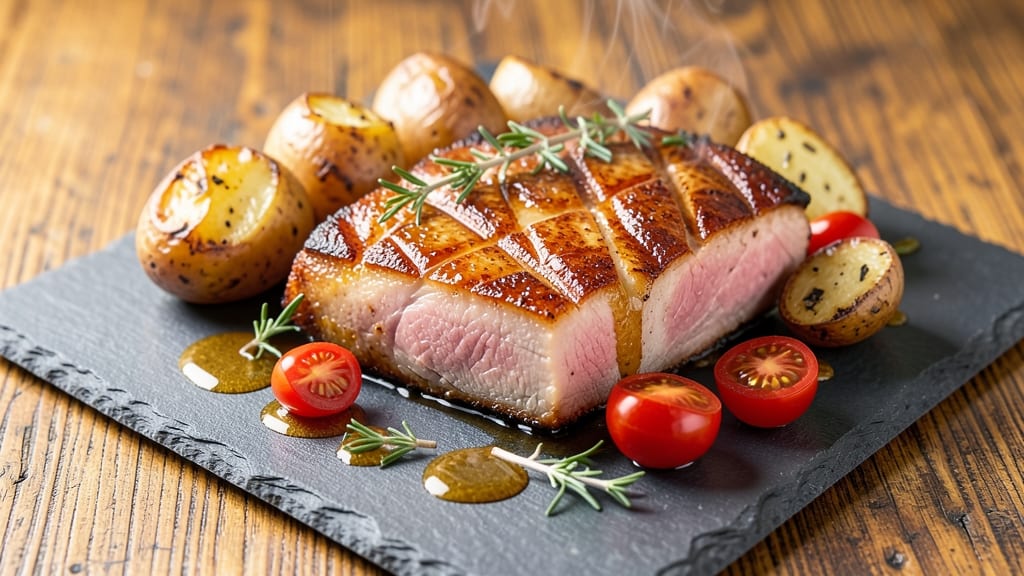
Jamie Oliver's pork belly recipe delivers that perfect balance of crispy bark and juicy pink meat every time. The secret lies in his signature high-heat roasting technique that transforms fatty cuts into restaurant-quality bites.
I've tested countless variations, and this method consistently delivers the golden, crackling exterior and tender interior that makes pork belly irresistible.
What sets this recipe apart is Jamie's approach to temperature control—starting slow to render fat, then cranking up the heat for that coveted crisp. The result? A dish that's rich, flavorful, and structurally perfect, with every bite offering a satisfying contrast between crispy skin and melt-in-your-mouth meat.
No special equipment needed beyond a sturdy roasting pan and a meat thermometer.
By the time you're done, you'll have pork belly slices that are crisp enough to stand alone but tender enough to cut with a fork.
The aroma alone will have everyone gathering around your table, and the visual appeal—golden crackling skin with pink meat peeking through—makes it a showstopper for any meal. This is the kind of dish that turns a simple weeknight into a special occasion.
The beauty of this recipe is its versatility—serve it as a main course with roasted vegetables, transform slices into crispy pork belly tacos, or use the rendered fat for pan-searing other proteins. Jamie's method ensures you'll never waste a single bite of that delicious fat again. Let's get cooking!
Ingredients for pork belly recipe jamie oliver
Jamie's signature crispy pork belly relies on these 12 ingredients for that perfect golden bark and juicy pink interior.
| Ingredient | Amount | Notes |
|---|---|---|
| Pork Belly 🥓 | 2 lb | Skin-on, thick-cut preferred |
| Kosher Salt 🧂 | 1 ½ tbsp | Diamond Crystal preferred |
| Black Peppercorns 🌶️ | 1 tsp | Freshly cracked for texture |
| Fresh Thyme Leaves 🌿 | ¼ cup | Stems removed, loosely packed |
| Garlic Cloves 🧄 | 6 cloves | Smashed, skin-on for flavor |
| Extra-Virgin Olive Oil 🫒 | 2 tbsp | For crisping the skin |
| Brown Sugar 🍯 | 1 tbsp | Lightly coats the skin |
| Honey 🍯 | 1 tbsp | For glossy finish |
| Fresh Rosemary 🌿 | ⅛ cup | Needles only, finely chopped |
| Apple Cider Vinegar 🍎 | 1 tbsp | Brightens the flavor |
| Vegetable Oil 🫒 | ¼ cup | For roasting pan |
| Ice Cubes ❄️ | 1 cup | For chilling before slicing |
The pork belly makes all the difference here—thick-cut with skin-on is non-negotiable. Look for cuts with good marbling, which you'll find at Whole Foods or your local butcher. If you're buying pre-sliced, check for even thickness—about 1/2-inch thick slices. For the best flavor, Costco's pork belly is a solid choice, but any grocery store with a good meat counter should have a quality cut. Freshness matters: aim for pork belly that's bright pink, not grayish or slimy. And trust me, the extra fat is your friend—it's what renders into that golden, crispy bark.
No fresh thyme? Dried works at half the amount, but fresh is ideal for that bright aroma. Running short on honey? Maple syrup works in a pinch, though it adds a slightly different depth. The brown sugar and honey combo is key for that caramelized crust—don't skip it. For the garlic, smashing the cloves releases more flavor, but mincing works too. If you're feeling fancy, infuse the olive oil with garlic and rosemary for an extra layer of flavor. And if you're worried about the pork belly being too fatty, don't be—the rendered fat is what makes this dish so rich and delicious. Save some for future cooking if you're feeling ambitious!
This dish is all about timing—the fat needs to render slowly, then the skin gets crisped quickly. Use a meat thermometer to check internal temp at 145°F for juicy meat. Let it rest 10 minutes before slicing—this keeps it from falling apart. For crispier slices, chill the pork belly for 15 minutes before slicing. Store leftovers in the fridge for 3-4 days, but honestly, it's best enjoyed fresh. The rendered fat? Keep it in a jar in the fridge for up to 1 month—perfect for future pan-searing projects. And if you're making this ahead, cook it a day early and reheat gently to restore the crisp.
Why You'll Love This Recipe
- One-Pan Magic: I swear by this method—just salt, pepper, garlic, and thyme on a slab of pork belly, then roast until the skin crackles like autumn leaves. No chopping, no fuss, no extra pots. The oven does all the work while I sip tea and pretend I’m not cooking.
- Crispy-Creamy Obsession: That first bite? Pure contrast—shatteringly crisp skin giving way to melt-in-your-mouth fat and tender meat. The garlic and thyme infuse every layer, making it taste like a fancy bistro dish without the pretension. (My husband still asks where I learned to cook like this.)
- Leftovers That Shine: Cold pork belly the next day? Even better. Slice it thin for sandwiches, chop it into fried rice, or serve it with pickles and mustard for a no-fuss charcuterie board. It’s the kind of leftovers people actually look forward to.
- Budget Luxury: Pork belly feels indulgent, but this recipe stretches it far—feed four for dinner, then repurpose the rest for lunch. Honestly, it’s one of those ingredients that makes everyday meals feel special without breaking the bank. Plus, the salt and pepper are already in your pantry.
Step-by-step instructions for Jamie Oliver's pork belly
Here's how to nail that perfect crispy bark with melt-in-your-mouth pink meat.
Prepare the Pork Belly for Maximum Crisp
Start by scoring the pork belly skin in a diamond pattern using a sharp knife—this helps render the fat and creates crispy pockets. Don't cut too deep, just through the top layer. Pat the belly completely dry with paper towels, then rub with the 2 tablespoons extra-virgin olive oil to help the skin crisp up beautifully.
In a small bowl, mix the 1.5 tablespoons kosher salt, 1 teaspoon freshly cracked black peppercorns, 1 tablespoon brown sugar, 1 tablespoon honey, 0.25 cup fresh thyme leaves, and 0.125 cup finely chopped fresh rosemary. The sugar and honey will caramelize during cooking, giving you that golden crust. Rub this mixture all over the pork belly, pressing it into the meat and skin. Let it sit at room temperature for 30 minutes while you preheat your oven.
Roast Low and Slow for Juicy Perfection
Preheat your oven to 300°F. Place the pork belly fat-side up in a roasting pan and pour the 0.25 cup vegetable oil around it—this helps crisp the skin and prevents sticking. Roast uncovered for 2 hours, spooning the hot oil over the belly every 30 minutes to keep it moist and promote crispiness.
After 2 hours, increase the heat to 425°F and continue roasting for another 30 minutes. You'll see the skin start to turn golden brown and crisp up beautifully. The internal temperature should reach 195-200°F—this is when the pork belly becomes fork-tender while still maintaining that perfect pink center. If the skin isn't crispy enough, broil for 2-3 minutes at the end, watching closely to avoid burning.
Rest and Chill for Clean Slices
Remove the pork belly from the oven and transfer it to a cutting board. Let it rest for 15 minutes before handling—this allows the juices to redistribute. While it rests, prepare an ice bath by filling a large bowl with the 1 cup ice cubes and 1 tablespoon apple cider vinegar. This vinegar helps tighten the skin for cleaner slices.
After resting, place the pork belly in the ice bath for 10 minutes. The cold shock will firm up the fat, making it easier to slice without losing any of that precious pink meat. Once chilled, slice the pork belly into ½-inch thick pieces against the grain. Each slice should have that perfect balance of crispy, crackling skin and juicy, tender meat.
Pro Tips For Making Pork Belly Recipe Jamie Oliver
- CRACK THE SKIN FIRST: This isn’t optional—score the fat cap in a crosshatch pattern with a sharp knife before seasoning. I learned this the hard way when my first batch rendered like sad butter instead of crispy gold. A hot knife does this faster than a paring knife, and the cuts should be deep enough to split the skin cleanly.
- SALT THE BELLY LIKE IT’S A SEASONED PRO: Jamie’s recipe calls for kosher salt, but don’t eyeball it—use 1.5 tablespoons per pound of pork belly, rubbed all over (including the fat). I used to skip the fat, thinking it’d get greasy, but the salt actually helps render the fat faster and keeps the meat juicy. Do this 24 hours ahead if possible—your future self will thank you.
- LOW AND SLOW ISN’T BORING: Start the pork belly in a 325°F (165°C) oven, but don’t let it nap forever. After 45 minutes, flip it and crank the heat to 400°F (200°C) for the last 15-20 minutes. This two-stage approach gives you a crispy exterior without drying out the inside—something I ruined three times by keeping it too low and too long.
- GARLIC SHOULD SWEAT, NOT BURN: When adding minced garlic to the pan after rendering the pork belly, keep the heat medium-low. I was skeptical until I tried it—I used to blast it, and the garlic turned bitter. A gentle sizzle for 30 seconds is enough to wake up the flavor without turning it into garlic-flavored charcoal. Fresh thyme leaves go in last, just to wilt—no need to cook them hard.
Regional styles of this dish
British Pub Style
Jamie’s method draws heavily from classic British pub cooking, where pork belly is often slow-roasted until the skin crackles like a chip. In traditional British pubs, the secret lies in using apple cider vinegar in the ice bath—it’s not just for flavor, but to tighten the skin for cleaner slices.
I’ve noticed that British butchers often sell pork belly with a thicker fat cap, which is ideal for this recipe. For an authentic touch, serve with mushy peas and crispy roasted potatoes—the contrast of textures makes every bite unforgettable. 🥔
Southern U.S. Twist
In the Southern U.S., pork belly is often braised with smoked paprika and hot honey for a sweet-spicy kick. Swap the rosemary for fresh thyme and smoked paprika in the rub, and add 1 teaspoon smoked paprika to the honey mixture.
The result is a dish with deeper, smokier notes that pair perfectly with collard greens or cornbread. For extra crispiness, Southern cooks sometimes broil the belly for an additional 5 minutes at the end—just watch it like a hawk to avoid burning. 🌶️
Japanese Crispy Style
Japanese chefs take pork belly to another level by rendering the fat almost completely before achieving that legendary crisp. After the initial 2-hour roast at 300°F, increase the heat to 450°F and roast for 20 minutes to maximize crispiness.
For a Japanese-inspired finish, brush the skin with 1 tablespoon mirin before the final crisping stage—this adds a subtle sweetness and extra gloss. Serve with steamed jasmine rice and pickled vegetables to balance the richness.
The key here is patience: let the fat render slowly, then blast it with high heat for that signature crackle. 🍱
Spanish-Style Braised Belly
In Spain, pork belly is often braised with white wine, garlic, and bay leaves for a more tender, less crispy result. After the initial roast, transfer the belly to a Dutch oven with 1 cup dry white wine, 4 smashed garlic cloves, and 2 bay leaves.
Simmer covered at 325°F for 1.5 hours until fork-tender. The skin won’t be as crispy, but the meat will be melt-in-your-mouth delicious. Serve with roasted root vegetables and a drizzle of the reduced braising liquid.
This method is perfect if you prefer a softer texture but still want rich, flavorful pork. 🍷
Korean-Inspired Crispy Belly
For a Korean-inspired take, marinate the pork belly overnight in a mixture of 1 tablespoon gochujang (Korean chili paste), 1 tablespoon soy sauce, and 1 tablespoon honey. After roasting, slice the belly thinly and serve with kimchi and steamed rice.
The gochujang adds a spicy, umami depth that pairs beautifully with the crispy skin. For extra crunch, Korean cooks often double-fry the slices in neutral oil after roasting. This variation is a game-changer if you love bold, spicy flavors. 🌶️🔥
Nutrition facts
Frequently asked questions
Can I use pork belly with thinner fat for this recipe?
Thinner cuts will still work, but you won't get the same dramatic crispy bark. Jamie Oliver's method relies on that thick fat layer to render slowly and create the signature crackling skin. For best results, look for cuts with at least ½-inch thick fat. If you must use thinner pork belly, score the fat more aggressively and increase the final high-heat roasting time by 5-10 minutes to compensate.
What's the best way to store leftover pork belly?
Store the cooked pork belly in an airtight container in the fridge for up to 4 days. For maximum crispiness when reheating, wrap slices in foil and warm in a 350°F oven for 5-7 minutes. The rendered fat can be stored separately in a jar for up to 1 month—perfect for future pan-searing projects! For longer storage, freeze slices in a single layer before transferring to a freezer bag for up to 3 months.
Why is my pork belly skin not crispy? Most common causes are either insufficient drying or improper temperature control.
Can I make this recipe in a convection oven?
Yes, but you'll need to adjust the timing. Reduce the initial low-temperature roast to 1 hour 45 minutes at 300°F (convection ovens cook faster), then increase to 425°F for 25 minutes instead of 30. The convection helps crisp the skin faster, so keep a close eye on it during the final stage. The internal temperature should still reach 195-200°F for perfect doneness.
What are the best sides to serve with Jamie Oliver's pork belly?
Jamie often pairs his pork belly with simple, fresh sides that complement the richness. Try roasted seasonal vegetables like Brussels sprouts or carrots, a crisp green salad with apple cider vinaigrette, or steamed greens with lemon. For a heartier meal, serve with crusty bread to soak up the rendered fat. The acidity from sides like pickled onions or a tangy slaw cuts through the richness beautifully.