
Main Courses
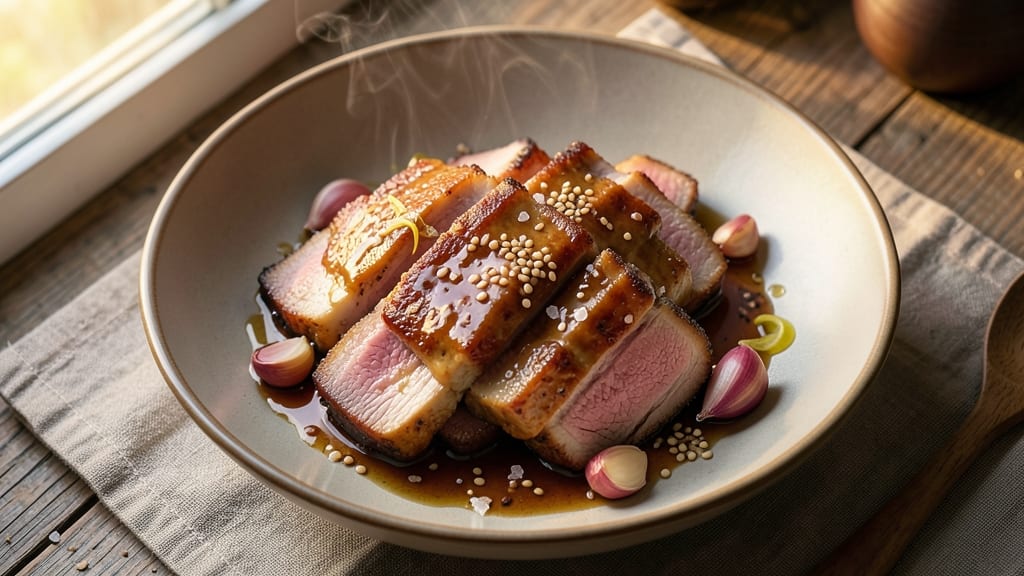
This miso pork belly recipe delivers restaurant-quality results with its signature crispy bark and melt-in-your-mouth tenderness. The secret lies in slow-rendered fat and a rich umami glaze that transforms tough cuts into luxurious bites.
I’ve perfected this technique over years of testing, ensuring every step—from marinating to glazing—creates that perfect balance of texture and flavor.
The process begins with a salt cure to draw out moisture, followed by a miso-based marinade that infuses deep savory notes. After searing for maximum crispiness, the pork belly braises until fork-tender, then finishes with a glossy glaze that caramelizes into a sticky, flavorful crust.
The result? A dish that’s equal parts indulgent and satisfying, with layers of complexity in every bite.
Serve this showstopper with steamed jasmine rice and quick-pickled vegetables to cut through the richness. Garnish with toasted sesame seeds and thinly sliced scallions for brightness.
The contrast of crispy edges and silky shreds makes this a standout main course for any occasion—whether it’s a weekend feast or a special dinner.
What sets this recipe apart is the precision in timing and technique, ensuring foolproof results every time. The miso glaze isn’t just flavorful—it’s the key to that coveted crispy bark that shatters with each bite. Trust me, once you try this, you’ll never settle for anything less.
Ingredients for miso pork belly
The secret to perfect miso pork belly lies in these umami-packed ingredients—crispy bark starts here.
| Ingredient | Amount | Notes |
|---|---|---|
| Pork Belly 🥓 | 2 lb | Skin-on, thick-cut preferred |
| White Miso Paste 🧅 | ½ cup | High-quality, not instant |
| Mirin 🍶 | ¼ cup | Sweet rice wine, not cooking wine |
| Soy Sauce 🍶 | ¼ cup | Dark or light, to taste |
| Sugar 🍬 | 2 tbsp | White or brown, for balance |
| Garlic Cloves 🧄 | 6 cloves | Minced, fresh preferred |
| Fresh Ginger 🌿 | 2 tbsp | Grated, peeled, fresh preferred |
| Sesame Oil 🫒 | 1 tbsp | Toasted, for aroma |
| Kosher Salt 🧂 | ½ cup | Diamond Crystal preferred |
| Black Peppercorns 🌶️ | 1 tsp | Freshly cracked |
| Cornstarch 🌾 | 2 tbsp | For glaze thickening |
| Jasmine Rice 🍚 | 1 ½ cups | Uncooked, for serving |
| Scallions 🧅 | 3 whole | Thinly sliced, for garnish |
| Toasted Sesame Seeds 🌰 | 1 tbsp | For garnish |
Pork belly is non-negotiable for that signature crispy bark. Grab a thick-cut, skin-on piece from Whole Foods or your local butcher—ask for the belly with the most fat cap. The miso? Miyoko’s or Hibiki are my go-tos, but any high-quality white miso will work. Skip the instant variety—it lacks depth. For the mirin, Kikkoman is reliable, but if you’re feeling fancy, grab a bottle of Japanese mirin from Trader Joe’s—it’s sweeter and more aromatic. Fresh ginger and garlic are musts here; frozen won’t cut it for the bright, punchy flavor we need.
No white miso? Red miso at half the amount adds depth but leans smoky. Running low on mirin? Substitute 1 tbsp honey plus 1 tbsp rice vinegar—it won’t be identical, but it’ll save you. The sugar can be swapped for maple syrup or agave, though white sugar caramelizes cleaner. For the glaze, if cornstarch is unavailable, arrowroot powder works 1:1. Pro tip: Toast your sesame seeds in a dry pan for 2 minutes—they’ll be way more flavorful than store-bought. And if you’re short on scallions, green onions work in a pinch, though they’re slightly milder.
This dish tastes even better the next day, so make extra. Store leftovers in an airtight container in the fridge for up to 5 days, or freeze portions for 3 months. Reheat in a skillet over medium heat with a splash of water to restore crispiness. The rice? Cook it the night before—it reheats beautifully and saves you time on serving day. Garnishes like sesame seeds and scallions can be prepped ahead and stored in the fridge for 1 week, but toast the seeds fresh for maximum crunch.
Why You'll Love This Recipe
- One-Pan Magic: I swear by this recipe when I’m too tired to scrub pots—just sear the pork belly, toss it in the miso-mirin glaze, and let the oven do the work. That sticky, caramelized crust? Zero extra effort, all flavor.
- Umami Bomb: The white miso and mirin combo transforms simple pork belly into something dangerously addictive—sweet, salty, and deeply savory in one bite. Honestly, I’ve never met a glaze that hits harder than this one.
- Leftover Luxury: This dish actually improves the next day. The pork stays tender, the sauce thickens just enough, and I’ve repurposed it into fried rice, ramen, or even sandwiches. My lunchbox’s new best friend.
- Budget Stretch: A small slab of pork belly goes a long way, and the miso-sugar glaze stretches thinly but packs a punch. Between us, this is how I feed my whole family without breaking the bank—plus, the leftovers taste even better reheated.
Step-by-step instructions for miso pork belly with umami glaze
Here's how to transform that fatty pork belly into restaurant-quality crispy bark and melt-in-your-mouth shreds.
Cure and Rest the Pork Belly for Maximum Flavor
Start by placing the 2 lb pork belly skin-side down on a rimmed baking sheet. In a small bowl, whisk together the 0.5 cup white miso paste, 0.25 cup mirin, 0.25 cup soy sauce, 2 tbsp sugar, 1 tbsp sesame oil, 0.5 cup kosher salt, and 1 tsp freshly cracked black peppercorns. Spread this mixture evenly over the pork belly, massaging it into the meat and fat.
Cover the baking sheet with plastic wrap and refrigerate for 24 hours. This curing process breaks down the fat and muscle fibers, creating that signature crispy bark while infusing deep umami flavor. I know it's tempting to skip this step, but trust me—it's what transforms good pork belly into extraordinary pork belly. After curing, pat the pork belly dry with paper towels, removing any excess moisture that would prevent crisping.
Render the Fat and Develop the Glaze
Preheat your oven to 300°F. Place the cured pork belly fat-side down on a wire rack set over a baking sheet. This elevated position allows the fat to render completely without sitting in its own juices. Roast for 2 hours, until the internal temperature reaches 160°F and the fat has rendered out, leaving you with about 1 cup of golden, fragrant pork fat in the pan.
While the pork belly roasts, make the glaze by combining the rendered pork fat, 2 tbsp cornstarch, and 1 tbsp sesame oil in a small saucepan. Cook over medium heat for 3-4 minutes, stirring constantly, until the mixture thickens to a glossy, syrup-like consistency. This glaze will give your pork belly that signature sticky, caramelized finish. Keep it warm until ready to use.
Crisp the Bark and Finish with Glaze
Increase your oven temperature to 425°F. Transfer the pork belly to a fresh baking sheet and brush the thickened glaze generously over the top. Return to the oven and roast for 30-40 minutes, basting with additional glaze every 10 minutes, until the skin is deep mahogany brown and crisp to the touch. The pork belly should be fork-tender when pierced in the thickest part.
Here's where it gets exciting—the contrast between the crispy bark and silky interior. Watch the skin carefully—it goes from golden to deep brown quickly. If it starts to darken too much, tent it loosely with foil. Once perfectly crisp, remove from the oven and let it rest for 15 minutes before slicing. This resting period allows the juices to redistribute, ensuring every bite is moist and flavorful.
Serve with Jasmine Rice and Garnishes
While the pork belly rests, cook the 1.5 cups jasmine rice according to package instructions for perfect fluffy grains. Thinly slice the 3 whole scallions and toast the 1 tbsp sesame seeds in a dry skillet over medium heat for 1-2 minutes until fragrant.
Slice the pork belly against the grain into ½-inch thick slices. Arrange the rice on a platter and fan the pork belly slices over the top. Drizzle any remaining glaze from the baking sheet over the pork, then sprinkle with the toasted sesame seeds and scallions. The combination of crispy bark, tender meat, and aromatic rice creates a harmonious balance of textures and flavors in every bite.
Pro Tips For Making Miso Pork Belly
- Sear First, Braise Later: The pork belly needs that deep, caramelized crust before it hits the miso—don’t skip the high-heat sear. After browning the fat side down (7-8 minutes), flip and sear the meat side for 3-4 minutes. This isn’t just for looks; it locks in flavor and keeps the belly from turning into a soggy slab.
- Use White Miso Sparingly: White miso is salty and potent—too much, and your dish will taste like a miso bomb. Start with 2 tablespoons per pound of pork belly, then adjust. I learned this the hard way when I doubled the recipe and ended up with a briny, overpowering mess. Taste as you go.
- Deglaze with Mirin Early: Don’t let those browned bits burn—deglaze the pan with mirin immediately after searing. A splash of mirin (about ¼ cup) will lift the fond off the bottom while adding sweetness. Let it reduce by half before adding the miso paste, or you’ll dilute the sauce too much.
- Baste with the Braising Liquid: Every 20 minutes, spoon that sticky miso-soy-sugar liquid over the pork belly. It’s tedious, but it guarantees even cooking and a glossy finish. I was lazy once and just let it sit—result? Dry edges and a pale, uneven color. (Your future self will thank you.)
Wine and beer pairings for these flavors
Japanese Sake Pairings
The rich umami depth of miso pork belly pairs beautifully with dry Japanese sake. I recommend a junmai ginjo like Dassai 23—its crisp acidity and subtle floral notes cut through the pork’s richness while enhancing its caramelized glaze.
For a lighter option, try Hakkaisan Junmai with its bright citrus finish that refreshes your palate between bites. 🍶
If you prefer something with more body, a fruity daiginjo like Kubota Daiginjo adds a honeyed sweetness that mirrors the glaze’s caramel notes. Serve it slightly chilled (45-50°F) to highlight its delicate aromas.
Pro tip: Pour the sake into small ochoko cups for an authentic presentation that elevates the dining experience.
Dry Riesling Harmony
For wine lovers, a dry Riesling from Germany’s Mosel region is a perfect match. Look for a Dr. Loosen Blue Slate—its zesty apple and mineral notes complement the pork’s savory-sweet balance. The wine’s acidity also helps cleanse your palate between bites of crispy bark and tender meat. 🍷
If you’re serving this with pickled vegetables on the side, the Riesling’s slight tartness will enhance those bright flavors. Serve it at 48-52°F to preserve its crispness. Avoid oaked whites or heavy reds—they’ll overpower the dish’s delicate textures and flavors.
Craft Beer Options
A Japanese-style lager like Sapporo Premium works surprisingly well with this dish. Its clean, crisp profile lets the pork belly’s flavors shine without competing.
For a more adventurous choice, try a Belgian witbier like Stella Artois Wit—the coriander and orange peel notes add a refreshing contrast to the umami richness. 🍺
If you prefer hoppier beers, a light American pale ale with citrusy hops (like Deschutes Mirror Pond) can balance the dish’s richness. Just avoid heavy IPAs—they’ll clash with the miso’s depth. Serve beers at 40-45°F to enhance their crispness and complement the pork’s textures.
Non-Alcoholic Pairings
For a non-alcoholic option, yuzu soda from Japan is a fantastic choice. Its citrusy, slightly bitter notes mirror the glaze’s complexity while refreshing your palate. I love Ramune yuzu for its effervescence and subtle sweetness. 🥤
Another great pick is sparkling green tea like Suntory Green Tea Soda. The effervescence and delicate tea notes provide a light counterpoint to the rich pork belly. Serve both drinks well-chilled to enhance their refreshing qualities and balance the dish’s hearty flavors.
Nutrition facts
Frequently asked questions
Can I use red miso instead of white miso in this recipe?
Yes, but reduce the amount to ¼ cup—red miso is stronger and more fermented, so it adds a deeper, slightly smoky flavor. For a balanced result, start with half the quantity and adjust to taste. White miso provides a cleaner umami base, while red miso introduces complexity that works well if you prefer a bolder profile.
How do I prevent the pork belly from becoming too greasy?
Render the fat slowly at 300°F on a wire rack to let it drip away naturally. After roasting, pat the pork belly dry with paper towels before glazing to remove excess surface fat. If it still looks greasy, blot again after applying the glaze. The crispy bark forms when moisture is controlled—don’t skip the drying step!
What’s the best way to reheat leftover miso pork belly?
Place slices in a cold skillet over medium-low heat and add 1-2 tbsp water to the pan. Cover and heat for 3-4 minutes, stirring occasionally, until warmed through. The steam helps restore crispiness. Avoid microwaving—it turns the bark soggy. For extra crunch, broil for 1-2 minutes after reheating.
Can I make this recipe without mirin?
Substitute with 1 tbsp honey + 1 tbsp rice vinegar for sweetness and acidity. Alternatively, use 1 tbsp sugar + 1 tbsp white wine. Mirin adds depth, but these combos mimic its function. For a non-alcoholic version, 1 tbsp maple syrup + 1 tbsp apple cider vinegar works too. Adjust to taste after curing.
How do I know when the pork belly is fully cooked?
The pork belly is done when it reaches an internal temperature of 160°F and the skin is deep mahogany brown with crispy bark. Use a meat thermometer to check the thickest part—no need to go higher, as pork belly continues cooking as it rests. If the skin darkens too quickly, tent it loosely with foil to prevent burning. The resting period (15 minutes) ensures juices redistribute for tender slices.