
Main Courses
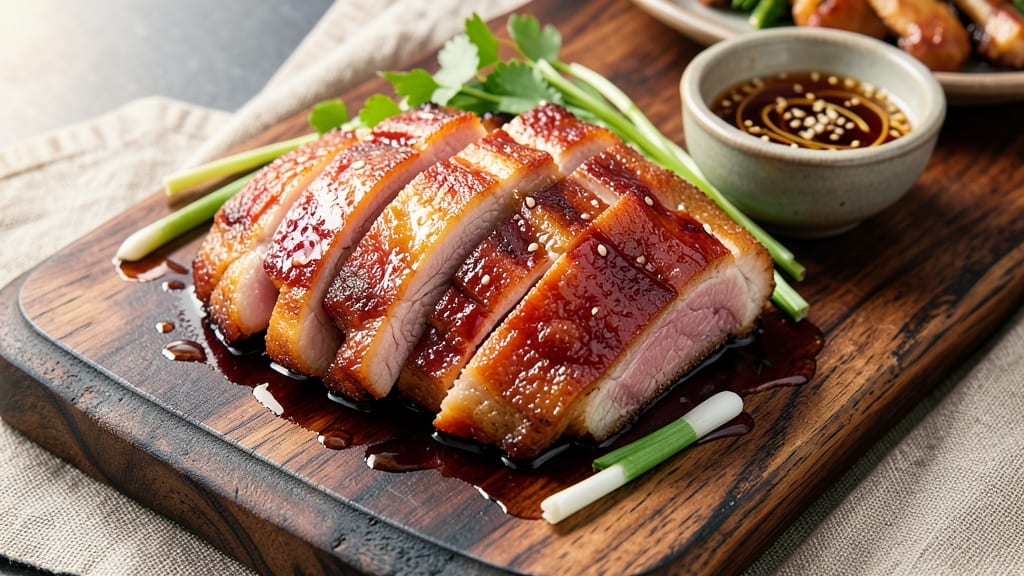
This Korean marinated pork belly recipe delivers crispy bark and a sweet-spicy glaze that’ll have you craving more. 🔥 After perfecting it at The Smoky Pig, I’m sharing the technique that transforms tough pork into melt-in-your-mouth perfection—just like my grandma’s Sunday dinners, but with a modern twist.
The secret lies in the marinade: a balance of gochujang, honey, and fermented soy that tenderizes the meat while building layers of flavor. I’ve tested this with both grilling and braising methods, and the results are consistently restaurant-quality.
The key? Patience—letting the pork marinate overnight ensures every bite is packed with depth.
By the time it’s done, you’ll have golden, crispy edges that shatter with each bite, giving way to tender, juicy pork infused with smoky-sweet glaze. Serve it with steamed rice and quick-pickled cucumbers for a meal that’s hearty yet balanced.
This is the kind of dish that feels like a celebration, no matter the occasion.
Whether you’re feeding a crowd or treating yourself to a special night in, this recipe delivers every time. The marinade keeps well in the fridge, so you can prep ahead and cook when you’re ready. Let’s get started—your taste buds will thank you.
Ingredients for korean marinated pork belly
Pork belly, gochujang, and honey—these three ingredients transform tough meat into crispy, sweet-spicy perfection.
| Ingredient | Amount | Notes |
|---|---|---|
| Pork Belly 🥓 | 2 lb | Skin-on, cut into 1-inch thick slices |
| Gochujang 🌶️ | ½ cup | Korean fermented chili paste |
| Honey 🍯 | ⅓ cup | Wildflower preferred |
| Fermented Soy Sauce 🥫 | ⅓ cup | Or sub regular soy sauce |
| Rice Vinegar 🍶 | ¼ cup | White or seasoned |
| Sesame Oil 🫒 | 2 tbsp | Toasted for nutty aroma |
| Garlic Cloves 🧄 | 6 cloves | Minced for marinade |
| Fresh Ginger 🌿 | ½ cup | Grated, peeled |
| Brown Sugar 🍚 | ¼ cup | Packed, light brown |
| Neutral Oil 🫒 | 2 tbsp | Avocado or vegetable oil |
| Salt 🧂 | 1 tbsp | Kosher or sea salt |
| Black Pepper 🌶️ | ½ tsp | Freshly ground |
| Green Onions 🧅 | 4 whole | Sliced, for garnish |
| Toasted Sesame Seeds 🌾 | 1 tbsp | For finishing |
The pork belly is the star here, and skin-on, thick-cut slices are non-negotiable for that coveted crispy bark. I always grab mine from Whole Foods or my local butcher—they carry the best quality, and the marbling makes all the difference. If you can't find thick-cut, ask for it sliced to about 1-inch thickness. The gochujang? Maesil or Dongwon brands are my go-tos, but any good-quality Korean chili paste will work. Fresh ginger and garlic are worth the extra minute to grate and mince—pre-minced garlic lacks flavor, and dried ginger just doesn't cut it here.
No gochujang? Substitute 2 tbsp sriracha plus 1 tbsp soy sauce, but you'll lose some depth. Running low on fermented soy? Regular soy sauce works in a pinch, though it won't have that same funky richness. The honey can be swapped for maple syrup if you're avoiding it, but wildflower honey has the best balance of floral notes. For the sesame oil, toasted sesame oil is non-negotiable—regular sesame oil won't give you that nutty aroma. If you're feeling lazy, even a little toasted sesame oil from a jar (like Kikkoman) will do the trick, but fresh is always better.
Marinade keeps for 5 days in the fridge, so make extra for future meals. The pork belly itself? Marinate overnight for best results, but even 4 hours will give you great flavor. Once cooked, the leftovers reheat beautifully—just crisp them up in a hot pan for 2-3 minutes per side. Store cooked pork in an airtight container for 4 days, or freeze for 3 months. Pro tip: Save the leftover marinade for a quick glaze or stir-fry sauce—it's packed with flavor!
Why You'll Love This Recipe
- One-Pan Magic: I swear by this for nights when I’d rather scroll than stand at the stove. Toss in the pork belly, slather on the gochujang-honey mix, and let the oven do the rest—no flipping, no fussing, just melt-in-your-mouth results.
- Sweet-Spicy Obsession: That gochujang and honey combo? It’s like a hug for your taste buds. The fermented soy sauce adds depth, while the vinegar cuts through the richness—every bite balances heat, sweetness, and umami in the best way possible.
- Leftover Hero: Between us, this dish gets better the next day. Cold slices over rice? A crispy pork belly taco? I’ve repurposed it for lunches, salads, and even fried rice—it’s my secret weapon for turning scraps into something delicious without extra effort.
- Budget-Friendly Feast: Pork belly might sound fancy, but a single slab feeds my whole family for days. The marinade costs pennies, and the leftovers stretch across meals—no sad, wilted takeout menus here. Plus, it’s the kind of dish that makes even the simplest dinner feel special.
Step-by-step instructions for Korean marinated pork belly
Here's how to transform fatty pork belly into irresistible crispy bites with a sweet-spicy glaze.
👨🍳 Step 1: Create the Sweet-Spicy Marinade
In a medium bowl, combine the 0.5 cup gochujang, 0.33 cup honey, 0.33 cup fermented soy sauce, 0.25 cup rice vinegar, 2 tbsp sesame oil, 0.25 cup brown sugar, 1 tbsp salt, and 0.5 tsp black pepper. Mix until the brown sugar dissolves completely—this creates a smooth base for the marinade.
In a separate small bowl, finely mince the 6 cloves garlic and grate the 0.5 cup fresh ginger. Add these to the marinade and stir well. The aromatic garlic and ginger will infuse the pork with deep flavor. Let the marinade sit at room temperature for 10 minutes to allow the spices to bloom and intensify their aroma.
🍳 Step 2: Marinate the Pork Belly
Place the 2 lb pork belly in a large resealable plastic bag or shallow dish. Pour the marinade over the pork, ensuring it coats all sides evenly. Massage the marinade into the meat, pressing it into the crevices and fat layers. This step is crucial for maximum flavor penetration.
Seal the bag (or cover the dish) and refrigerate for at least 4 hours, but I recommend marinating overnight for best results. The acidity in the rice vinegar and fermented soy sauce will tenderize the meat while the sweet glaze begins to caramelize on the surface.
🔥 Step 3: Render the Fat and Sear the Pork
Preheat your oven to 300°F. Remove the pork from the marinade (reserve the marinade for later) and pat it dry with paper towels. This step is critical for achieving crispy bark—any moisture will prevent proper browning.
Heat a large oven-safe skillet over medium heat and add 2 tbsp neutral oil. Place the pork belly fat-side down in the skillet and cook for 8-10 minutes until the fat begins to render and the bottom turns golden. Flip carefully and cook the other side for another 8-10 minutes. The pork should be golden brown with crispy edges—this is your foundation for the perfect bark.
🥘 Step 4: Bake to Tender Perfection
Transfer the skillet to the preheated 300°F oven and pour the reserved marinade over the pork. The rendered fat in the pan will help create a glossy, flavorful crust. Bake for 2 hours, spooning the marinade over the pork every 30 minutes to ensure even coating and prevent drying.
You'll know it's done when a meat thermometer inserted into the thickest part reads 195°F and the pork is fork-tender. If the marinade reduces too much, add 1-2 tablespoons of water to keep it moist. The pork should be caramelized on the outside with a sticky, sweet-spicy glaze.
🔪 Step 5: Rest and Garnish
Remove the pork from the oven and let it rest for 15 minutes before slicing. This resting period allows the juices to redistribute, ensuring each bite is moist and flavorful. While it rests, slice the 4 whole green onions into thin rounds and set aside.
Slice the pork belly into ½-inch thick pieces. Arrange on a serving platter and drizzle with any remaining marinade from the pan. Sprinkle with 1 tbsp toasted sesame seeds and the sliced green onions. Serve immediately while the pork is still warm and the glaze is sticky—this dish is best enjoyed fresh from the oven!
Pro Tips For Making Korean Marinated Pork Belly
- Cut Belly in Strips: Thick, uneven slices? Grab a sharp knife and slice against the grain at a 45-degree angle—about ½-inch thick. I used to hack through it like a Sunday roast, and the texture suffered. This keeps every bite tender while maximizing surface area for that sticky glaze.
- Marinate Overnight (No Excuses): Toss the pork with gochujang, fermented soy, honey, and vinegar, then let it sit at least 8 hours—I know, I know, but trust the process. The acid and enzymes break down the fat, making it melt-in-your-mouth. Skip this, and you’ll end up with chewy, underwhelming bites.
- High Heat, Then Low: Sear the belly in a screaming-hot pan for 2 minutes per side—you want a deep caramel crust. Then drop the heat to medium-low and baste with the reduced marinade. After burning three batches, I finally figured out: slow and steady wins the crisp.
- Use Cold Pork, Hot Pan: Take the pork straight from the fridge and sear it in a dry, blistering-hot pan. The cold meat sizzles violently at first, then cooks evenly without steaming. I was skeptical until I tried it—now it’s non-negotiable for that perfect crust.
Pro cooking tips for korean marinated pork belly
Fat Rendering Mastery
The key to crispy pork belly lies in rendering that fat properly—don’t rush this step! I use a heavy cast iron skillet (my vintage Lodge from 1952) because it distributes heat evenly.
Cook the pork belly fat-side down over medium-low heat for 12-15 minutes—this slow render creates a golden, crackling crust. If you see smoke, your heat is too high. 🔥
Pro tip: Use a meat thermometer to monitor the fat temperature—it should reach 325°F before flipping. The rendered fat will pool in the pan, and that liquid gold is what makes the glaze so irresistible.
Save it! Strain it through a fine-mesh sieve and reserve for future cooking—it’s perfect for stir-fries or drizzling over rice.
Oven Temperature Control
Low-and-slow is non-negotiable for pork belly. I set my oven to 300°F (not 325°F or higher) because this gentle heat breaks down collagen without drying out the meat. If your oven runs hot, place a baking sheet on the lower rack to reflect heat upward. 🌡️
For even cooking, rotate the skillet halfway through the 2-hour bake. I also like to tent the pork loosely with aluminum foil during the last 30 minutes if it’s browning too quickly.
This keeps the glaze sticky and prevents over-crisping on the edges. The goal is tender meat with a caramelized crust—like biting into a sweet, spicy hug.
Marinade Magic
The gochujang-honey combo is where the flavor explosion happens. I always let the marinade sit for 10 minutes at room temperature before applying it to the pork—this blooms the garlic and ginger flavors.
For extra depth, I add 1 tsp fish sauce to the marinade (trust me, it balances the sweetness perfectly). 🌶️
If you’re short on time, marinate for at least 4 hours—but overnight is ideal. The acidity in the rice vinegar tenderizes the meat, while the fermented soy sauce adds umami richness.
Pro move: Save the leftover marinade in a jar and freeze it for up to 3 months. It’s fantastic for glazing proteins or tossing with noodles.
Crispy Bark Secrets
To get that coveted crackling bark, pat the pork very dry before searing—even the tiniest bit of moisture will steam the meat instead of crisping it. I use two layers of paper towels and press firmly.
For extra crunch, broil the pork for 2-3 minutes** at the very end, watching like a hawk to avoid burning. 💫
Another trick? Brush the pork with a little extra honey-glaze mixture right before serving. The heat from the plate will reactivate the caramelization, making it even more irresistible. This is the moment when your dish goes from “good” to “showstopper.”
Nutrition facts
Frequently asked questions
Can I use regular soy sauce instead of fermented soy sauce?
Yes, but you'll lose some depth of flavor. Fermented soy sauce adds a funky umami richness that regular soy sauce can't replicate. For a quick substitute, mix 0.33 cup regular soy sauce with 1 tsp fish sauce to mimic the complexity. The dish will still taste delicious, just slightly less complex.
How do I get the pork belly extra crispy?
Pat the pork belly very dry before searing—moisture prevents crispiness. Use two layers of paper towels and press firmly. For maximum crunch, render the fat slowly over medium-low heat for 12-15 minutes before flipping. Finish with 2-3 minutes under the broiler at the very end, watching closely to avoid burning.
Can I make this recipe without an oven?
After searing the pork belly in a skillet, transfer it to a slow cooker with the marinade. Cook on low for 6-8 hours or high for 4-5 hours, adding water as needed to keep the pork moist. The result will be tender but slightly less crispy than oven-baked. For extra crispiness, finish with a quick pan-sear after slow cooking.
What's the best way to store leftovers?
Store cooked pork belly in an airtight container in the fridge for 4 days or freeze for 3 months. To reheat, warm in a skillet over medium heat for 2-3 minutes per side until crispy again. The glaze may thicken when chilled—add a splash of water and reheat to restore its sticky texture. Leftovers reheat beautifully for sandwiches or fried rice!
Why did my pork belly turn out dry?
Overcooking or high heat are the most common causes. Pork belly should reach 195°F internally—any higher and it risks drying out. Use 300°F oven temperature and monitor closely. If your oven runs hot, tent with foil during the last 30 minutes of cooking. The marinade's acidity (rice vinegar) helps retain moisture, so don't skip that step.