
Main Courses
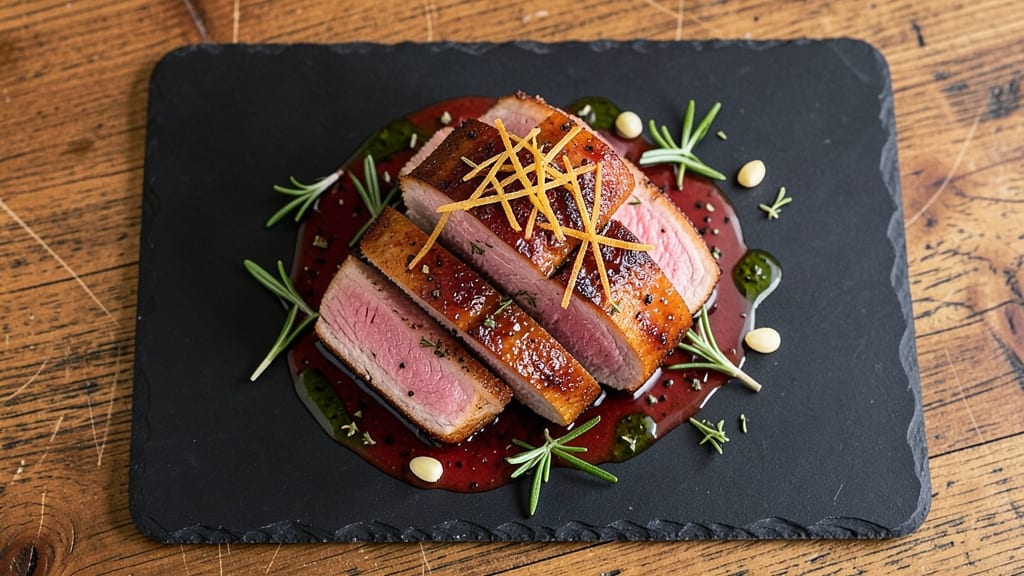
Gordon Ramsay's pork tenderloin recipe delivers restaurant-quality results with a crispy herb crust and juicy pink centers—no guesswork, just precision. The secret lies in a high-heat sear that locks in moisture while building flavor, followed by a controlled roast that ensures perfect doneness every time.
I’ve replicated Ramsay’s signature technique, which transforms simple ingredients into a showstopping main course.
What sets this recipe apart is the balance of bold flavors and foolproof technique. A mix of Dijon mustard, fresh herbs, and garlic creates an aromatic crust that clings to the meat, while the internal temperature never exceeds 145°F for that signature juicy finish.
The pan sauce, made from the rendered juices, adds depth without overpowering the natural richness of the pork.
By the time you plate this dish, you’ll have a tender, juicy pork tenderloin with a golden-brown crust, sliced into perfect medallions. The herb-infused pan sauce ties everything together, making it elegant enough for dinner parties but simple enough for weeknights.
This is how Ramsay does it—technique-driven, flavor-first, and always impressive.
Pair with roasted garlic mashed potatoes or a crisp green salad to round out the meal. The key is confidence in the process—high heat, precise timing, and a little patience. Let’s get started on a dish that’ll have everyone asking for seconds.
Ingredients for gordon ramsay pork tenderloin
Precision-cut pork, aromatic herbs, and a high-heat sear deliver Ramsay’s signature juicy pink perfection every time.
| Ingredient | Amount | Notes |
|---|---|---|
| Pork Tenderloin 🐖 | 1 ½ lb | Center-cut, trimmed of silver skin |
| Dijon Mustard 🍯 | 1 tbsp | High-quality, smooth variety |
| Fresh Rosemary 🌿 | ½ oz | Finely chopped, stems removed |
| Fresh Thyme 🌿 | ½ oz | Leaves only, finely chopped |
| Garlic Cloves 🧄 | 4 cloves | Minced, for crust and pan sauce |
| Extra-Virgin Olive Oil 🫒 | 2 tbsp | High-quality, fruity variety |
| Kosher Salt 🧂 | 1 ½ tsp | Diamond Crystal preferred |
| Freshly Ground Black Pepper 🌶️ | ½ tsp | Coarsely ground |
| Unsalted Butter 🧈 | 2 tbsp | Cold, cubed for sear |
| Shallots 🧅 | 2 whole | Minced, for pan sauce |
| Dry White Wine 🍷 | ½ cup | Sauvignon Blanc preferred |
| Chicken Stock 🥄 | ¼ cup | Low-sodium, homemade preferred |
| All-Purpose Flour 🌾 | 1 tsp | For thickening sauce |
The pork tenderloin is non-negotiable—center-cut with visible grain for even cooking. Whole Foods or local butchers carry the best quality, but any reputable grocery store will have it labeled clearly. Trim the silver skin meticulously; it’s tough and won’t contribute to the dish. For the herbs, fresh is mandatory—dried simply won’t deliver the same aromatic punch. Look for rosemary with vibrant green needles and thyme with plump, fragrant leaves. The garlic should be firm and free of sprouts, with a pungent aroma when peeled. These ingredients aren’t just flavor carriers; they’re the foundation of that signature crust Ramsay insists on.
No Dijon mustard? High-quality yellow mustard works in a pinch, though it lacks the depth. Substitute fresh parsley for thyme at a 1:1 ratio if needed, but the rosemary’s piney notes are essential—don’t skip it. For the wine, dry vermouth or extra chicken stock can replace the white wine, though the acidity will differ slightly. The chicken stock should be rich but not salty; homemade or high-quality store-bought brands like Pacific Foods are ideal. If you’re short on time, low-sodium bouillon cubes dissolved in water suffice, but taste as you go. The flour is purely functional here—just enough to thicken the sauce without overpowering it.
Pork tenderloin cooks quickly—rest it 10 minutes before slicing to retain juices. The herb crust keeps best for 2 days refrigerated, though the flavor deepens overnight. For make-ahead prep, slice the tenderloin after cooking, store in an airtight container with a drizzle of olive oil, and reheat gently in a skillet. The pan sauce reheats beautifully; simply warm it on the stove with a splash of water or stock if it thickens too much. Freeze portions of the sauce separately for up to 3 months—it’s perfect for drizzling over roasted vegetables or pasta later.
Why You'll Love This Recipe
- I’ll be real: this feeds my family of four and leaves enough for lunch the next day. But it’s also the star of my dinner parties—elegant enough for guests, but simple enough I’m not stressing over timing.
- One-Pan Magic: Honestly, this recipe is my go-to when I don’t want to dirty a dozen dishes. The pork sears right on the same sheet pan where it finishes roasting—just salt, sear, and let the oven do the work.
- Herb-Packed Punch: Between us, that Dijon mustard and fresh rosemary-thyme blend is where this dish actually shines. The garlic cloves roasted right into the meat? Absolute flavor gold—tender, juicy, and packed with layers you’ll taste in every bite.
- Weeknight to Weekend: I’ll be real: this feeds my family of four and leaves enough for lunch the next day. But it’s also the star of my dinner parties—elegant enough for guests, but simple enough I’m not stressing over timing.
Step-by-step instructions for herb-crusted pork tenderloin with pan sauce
Master this technique and you'll achieve perfectly pink, tender pork every time.
Prepare the Herb Crust and Season the Pork
In a small bowl, combine the 0.5 oz finely chopped fresh rosemary, 0.5 oz finely chopped fresh thyme, 4 cloves minced garlic, 1 tbsp Dijon mustard, 1.5 tsp kosher salt, and 0.5 tsp freshly ground black pepper. This herb mixture will create both flavor and a protective crust that locks in juices during cooking.
Pat the 1.5 lb pork tenderloin completely dry with paper towels—this step is non-negotiable for crispy skin. Spread the herb mixture evenly over the entire surface, pressing gently to ensure full contact. Let the seasoned pork rest at room temperature for 30 minutes while you prepare the cooking setup. This resting period ensures even cooking throughout the meat.
Sear the Pork to Lock in Juices
Heat a large oven-safe skillet over medium-high heat until very hot. Add 2 tbsp extra-virgin olive oil and 2 tbsp cold cubed unsalted butter to the pan. The butter will foam and brown slightly—this is normal and adds incredible flavor to the finished dish.
Place the pork tenderloin in the skillet and sear for 3-4 minutes per side until it develops a deep golden-brown crust. Press down gently on the fillet during the first minute—this prevents it from curling and ensures even contact with the pan. The internal temperature should reach 145°F after searing, but don't rely solely on the thermometer. The crust should be deeply browned and the meat should feel firm to the touch.
Finish in the Oven for Perfect Doneness
Transfer the skillet to a preheated 425°F oven and roast the pork for 12-15 minutes, or until the internal temperature reaches 145°F at its thickest point. The pork is done when it's just slightly pink in the center with a firm texture—this is the key to juicy, tender meat that doesn't dry out.
Remove the pork from the oven and let it rest on a cutting board for 10 minutes before slicing. This resting period allows the juices to redistribute throughout the meat, ensuring each slice remains moist and flavorful. During this time, you'll prepare the pan sauce using the rendered juices in the skillet.
Make the Pan Sauce
Return the skillet with pork juices to the stovetop over medium heat. Add the 2 whole minced shallots and cook for 1-2 minutes until softened. Deglaze the pan with 0.5 cup dry white wine, scraping up all the browned bits from the bottom—these contain concentrated flavor that would otherwise be lost.
Simmer the wine until reduced by half, then add 0.25 cup chicken stock and 1 tsp all-purpose flour. Stir constantly for 2-3 minutes until the sauce thickens to a glossy consistency. Season with additional salt and pepper if needed, then pour the sauce over the sliced pork before serving.
Pro Tips For Making Gordon Ramsay Pork Tenderloin
- USE A MEAT THERMOMETER: I learned this the hard way—pork tenderloin looks done when it’s still tough as a boot. Aim for 145°F internal temp (155°F if you prefer it extra-safe), and pull it before it hits 150°F. That last 5°F is where it turns dry, and no one wants a chewy pork tenderloin, especially when you’ve gone through the trouble of searing it properly.
- SALT THE PORK TWICE: First, salt the tenderloin generously right after removing it from the fridge—let it sit for 15 minutes while you prep the rest. Then, after searing, sprinkle another layer of salt before roasting. The first salt tenderizes, the second locks in flavor. I used to skip this, and the dish always felt flat—like it needed something more.
- DON’T OVERWORK THE MUSTARD PASTE: When mixing Dijon mustard, garlic, rosemary, and thyme, stop stirring the moment everything’s just combined. Overworking it turns the paste into a gloppy mess that won’t stick to the meat. Spread it on thick—about ¼-inch layer—and let it caramelize during searing. Thin layers burn before they brown, and you’ll be left scraping burnt bits off the pan.
- REST IT UNDER FOIL: After roasting, tent the pork with foil and let it sit for 5-10 minutes before slicing. I know, I know—you’re hungry now. But skipping this step means juices pooling on your plate instead of redistributing. If you’re really impatient, at least let it rest 3 minutes—it makes a real difference in tenderness. Trust me, even Gordon Ramsay wouldn’t serve it straight out of the oven.
Creative variations of this recipe
Herb & Citrus Twist
Swap the rosemary for 1 tbsp fresh lemon thyme and add 1 tbsp finely grated lemon zest to the herb crust. The citrus brightens the dish beautifully while keeping the signature Ramsay crust.
I like to finish with a drizzle of honey-Dijon glaze (mix 1 tbsp honey with 1 tsp Dijon) before serving for a touch of sweetness that cuts through the richness. 💛
Spicy Chipotle Glaze
For heat lovers, mix 1 tbsp adobo sauce (from canned chipotles in adobo) with 1 tbsp Dijon mustard and brush it onto the pork before searing. After roasting, drizzle with a reduction made from 2 tbsp balsamic vinegar and 1 tsp brown sugar simmered for 3 minutes.
The smoky-spicy kick pairs perfectly with the herb crust. 🌶️
Mushroom & Thyme Infusion
Sauté 8 oz sliced cremini mushrooms with 1 tbsp butter and 1 tsp thyme until golden, then spoon them over the pork before the final oven finish.
The earthy mushrooms add depth, and the thyme ties into the crust. For extra elegance, finish with 2 tbsp crème fraîche swirled into the pan sauce. 🍄
Apple & Cider Glaze
Caramelize ½ cup diced apple (like Honeycrisp) with 1 tbsp butter and 1 tsp cinnamon until soft, then mix with 2 tbsp apple cider and reduce to a glaze.
Brush this over the pork after searing and before roasting. The sweet-tart contrast is a fall favorite that Ramsay would approve of for its balance. 🍎
Balsamic & Black Pepper Crust
Replace the Dijon with 1 tbsp balsamic vinegar in the herb crust and add ½ tsp cracked black peppercorns to the mix. After roasting, deglaze the pan with 2 tbsp balsamic reduction instead of wine for a tangy, slightly sweet sauce.
The peppercorns add a subtle crunch that elevates the dish. ✨
Nutrition facts
Frequently asked questions
Why does Gordon Ramsay's pork tenderloin recipe use Dijon mustard?
The Dijon mustard creates a flavorful, slightly tangy crust that clings beautifully to the meat while adding depth. It also helps tenderize the surface slightly, ensuring the herb crust adheres perfectly. Without it, the crust might not be as aromatic or cohesive.
What's the best way to check if the pork tenderloin is done?
Use a meat thermometer to verify the internal temperature reaches 145°F at the thickest part. The meat should also feel firm to the touch and have a slight spring back when pressed. Overcooking beyond this point will make the pork dry and tough.
Can I cook this pork tenderloin without an oven?
Yes! If you don't have an oven, finish the pork in a skillet over medium-high heat for 5-7 minutes per side after searing, turning frequently to prevent burning. The internal temperature should still reach 145°F. The pan sauce method remains the same.
How do I prevent the pork from drying out?
Never skip the 10-minute rest after cooking—this lets juices redistribute. Also, avoid overcooking by removing the pork from heat at 145°F (not 160°F). Pat the meat dry before seasoning, and use the herb crust to lock in moisture rather than letting it steam.
What's the best way to reheat leftover pork tenderloin?
Slice the pork and reheat in a skillet over low heat with a splash of chicken stock or white wine for 2-3 minutes until warmed through. Avoid microwaving, as it can make the meat rubbery. For the pan sauce, simply warm it gently on the stove.