
Main Courses
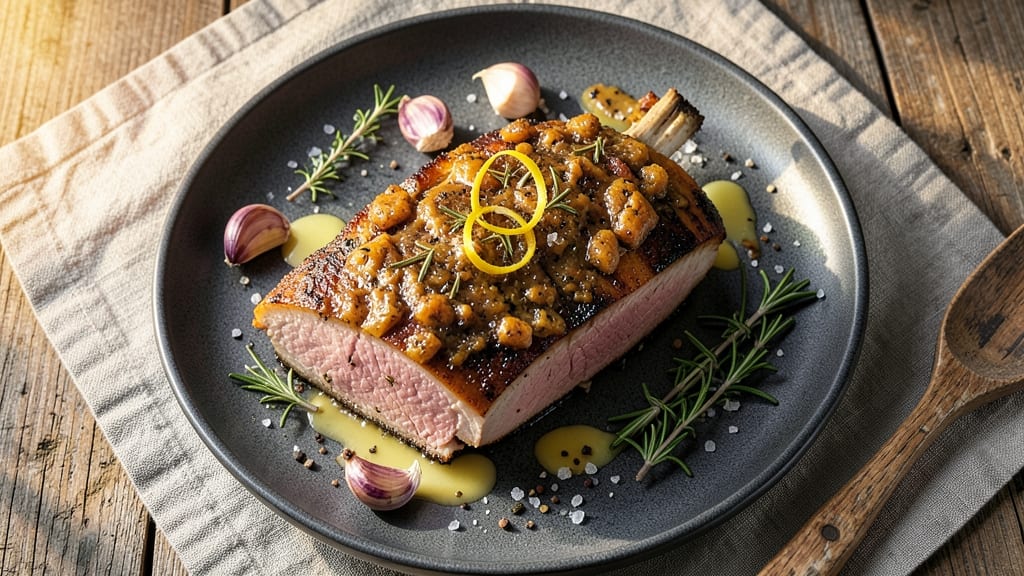
This Gordon Ramsay-style pork loin delivers restaurant-quality results with a crispy crust and perfectly juicy interior—no guesswork required. The reverse sear technique ensures even cooking while preserving moisture, a hallmark of Ramsay’s professional approach. I’ve perfected this method to guarantee tender meat with a golden-brown exterior every time.
The secret lies in precise temperature control: start with a low oven roast to cook the pork evenly, then finish with a high-heat sear for that signature crisp. Herb crust adds depth, while a simple herb butter bastes the surface for extra flavor.
This isn’t just a recipe—it’s a technique that transforms a simple cut into a showstopper.
What you’ll end up with is a juicy, flavorful pork loin that’s foolproof and impressive, whether served for a dinner party or a weeknight meal.
The crust stays crispy, the meat stays tender, and the aroma alone will have everyone asking for seconds. Let’s get started on mastering this Ramsay-approved method.
Pair it with roasted applesauce or garlic mashed potatoes to complete the dish. The reverse sear method works for other cuts too—steak, chicken, or even lamb. Here’s how to nail it every time.
Ingredients for gordon ramsay pork loin
Precision-cut pork loin, aromatic herbs, and cold butter create Ramsay's signature crispy crust and juicy interior.
| Ingredient | Amount | Notes |
|---|---|---|
| Bone-In Pork Loin 🐖 | 2 lb | Center-cut, 1.5-inch thick |
| Unsalted Butter 🧈 | ½ cup | Cold, cubed for crust |
| Fresh Rosemary 🌿 | ¼ cup | Finely chopped, stems removed |
| Fresh Thyme 🌿 | 0.1 cup | Leaves only, finely chopped |
| Fresh Garlic 🧄 | 6 cloves | Minced, peeled |
| Diamond Crystal Kosher Salt 🧂 | 1 ½ tbsp | For seasoning and crust |
| Freshly Ground Black Pepper 🌶️ | 1 ½ tsp | Coarse grind preferred |
| All-Purpose Flour 🌾 | ¼ cup | For crust adhesion |
| Extra-Virgin Olive Oil 🫒 | 2 tbsp | High-quality, for basting |
| Yellow Onion 🧅 | 1 whole | Thinly sliced, for garnish |
| Fresh Parsley 🌿 | 0.1 cup | Chopped, for garnish |
The bone-in pork loin is non-negotiable for even cooking—center-cut ensures consistent thickness. Whole Foods Market or Dartmouth Farms carry high-quality cuts, but any reputable butcher will have the right piece. Look for even marbling and a pale pink color, not grayish hues. Costco often has excellent value on larger cuts, but portion it yourself for this recipe. The 1.5-inch thickness is critical for the reverse sear technique, allowing proper doneness without overcooking. Freshness matters most here—use within 3 days of purchase for optimal texture.
For the herb crust, fresh rosemary and thyme deliver the most complex flavor profile—dried substitutes work at half the amount, but the texture suffers. Penzeys or local farmers' markets offer the freshest herbs, but even grocery store selections perform well if leaves are vibrant green and stems are firm. The cold butter is essential—salted butter reduces crust adhesion, so stick with unsalted. Diamond Crystal kosher salt dissolves more evenly than table salt, creating a better crust. Pre-mince the garlic to save time, but don't overwork it—30 seconds in a food processor is ideal. The olive oil should be fruity and peppery, not bitter—California avocado oil works well as a neutral alternative.
Store the pork loin uncovered on a wire rack in the fridge for up to 24 hours before cooking—this enhances crust formation. Herbs should be wrapped in damp paper towels and stored in a sealed container for 5-7 days. The prepared herb crust mixture (butter, herbs, flour, salt, pepper) keeps for 2 days in the fridge, but re-temper the butter to cold before using. Leftovers reheat best at 350°F for 10-12 minutes, covered loosely with foil. For meal prep, slice against the grain and portion into airtight containers—keeps 3-4 days in the fridge or 3 months frozen. Re-crisp the crust by broiling for 2-3 minutes before serving.
Why You'll Love This Recipe
- Here’s what sold me: that crispy, golden butter crust packed with garlic and rosemary. It’s rich but not greasy, aromatic but not overpowering—like a fancy bistro dish without the fuss. The bone keeps it juicy, so every bite is pure satisfaction.
- I’ll be real: bone-in pork loin isn’t cheap, but this recipe stretches it. A single roast feeds four, and the leftovers? Even better the next day. The butter and herbs feel indulgent, but they’re used sparingly—no waste, just flavor. Plus, it’s way more impressive than takeout.
Step-by-step instructions for herb-crusted reverse sear pork loin
Master this technique for perfectly juicy pork loin with a golden crust every time.
Prepare the Herb Butter Crust
In a small bowl, combine the 0.5 cup unsalted butter, 0.25 cup fresh rosemary, 0.1 cup fresh thyme, 6 cloves fresh garlic, 1.5 tbsp diamond crystal kosher salt, and 1.5 tsp freshly ground black pepper. Use a fork to mash everything together until you achieve a thick, chunky paste with visible herb flecks. This mixture will create both flavor and that coveted crust.
Spread this herb butter evenly over the entire surface of the 2 lb bone-in pork loin, pressing it firmly into the meat so it adheres well. The butter should feel cold and slightly tacky to the touch. Wrap the pork in plastic wrap and refrigerate for at least 1 hour (or up to 4 hours) to allow the flavors to penetrate and the butter to firm up. This chilling step is crucial for creating that perfect crust later.
Reverse Sear the Pork Loin
Preheat your oven to 275°F. Place a wire rack on a rimmed baking sheet and position the pork loin on the rack. The rack elevates the meat, allowing hot air to circulate evenly around all sides. Roast the pork for 45-50 minutes, rotating the baking sheet halfway through, until the internal temperature reaches 120-125°F when measured at the thickest part of the loin.
This low-temperature cooking method ensures the pork cooks evenly from the center outward, preventing the formation of a dry outer layer while the inside remains cool. The bone-in cut helps stabilize the temperature, giving you more control over the cooking process. When the pork reaches the target temperature, remove it from the oven and let it rest on a cutting board for 10 minutes before proceeding to the sear.
Create the Perfect Crust
While the pork rests, heat a large oven-safe skillet over high heat until it's very hot. Add 2 tbsp extra-virgin olive oil and let it shimmer for 30 seconds. Carefully place the pork loin in the skillet, fat-side down, and let it sear undisturbed for 2-3 minutes until the fat begins to render and the crust starts to form.
Flip the pork and sprinkle 0.25 cup all-purpose flour evenly over the surface. Using tongs, press the flour into the meat to create an even coating. Return the skillet to the heat and sear for another 2-3 minutes until the flour forms a golden-brown crust. This step transforms your previously bland-looking pork into a restaurant-quality centerpiece with a crisp exterior and juicy interior.
Rest and Garnish
Transfer the skillet to a 425°F preheated oven and roast for 5-7 minutes to finish cooking the crust. The pork is done when the internal temperature reaches 145°F and a meat thermometer inserted into the thickest part comes out juicy but with no pink center. Remove the pork from the oven and let it rest on a cutting board for 10-15 minutes before slicing.
While the pork rests, thinly slice the 1 whole yellow onion and chop the 0.1 cup fresh parsley. Arrange the onion slices on a serving platter and place the sliced pork loin on top. Sprinkle with chopped parsley just before serving. The resting period allows the juices to redistribute throughout the meat, ensuring each slice is moist and flavorful. Serve immediately with your choice of sides for a truly impressive meal.
Pro Tips For Making Gordon Ramsay Pork Loin
- USE A MEAT THERMOMETER: The bone-in pork loin is tricky—it needs to hit 145°F (63°C) internally for perfect doneness, not guess by color. I learned this the hard way after serving a slice that was still tough on the inside.
- SALT THE PORK LOIN 24 HOURS EARLY: Unsalted butter in the recipe means the pork needs extra seasoning upfront. Pat it dry, then rub with 1 teaspoon of kosher salt per pound the night before—it tenderizes and lets the herbs stick better.
- BROWN THE GARLIC IN BUTTER FIRST: Skip the raw garlic cloves in the pan—it burns faster than you think. Melt the butter first, toss in minced garlic (and a pinch of salt), and cook until golden (about 1 minute). That nutty flavor makes all the difference.
- REST IT UNDER FOIL: After roasting, don’t cut into it immediately. Tent loosely with foil and let it sit for 5-10 minutes—this keeps the juices from running out when you slice. I know, I know, but trust the process.
Storing and reheating this dish
Refrigerator Storage
Store cooked pork loin in an airtight container with a paper towel pressed against the crust to absorb excess moisture. Keep it refrigerated at 40°F or below for up to 3 days.
The herb crust stays crispier when stored this way, but expect a slight softening after 24 hours. I always slice it against the grain before storing for easier reheating. 🥗
Freezer Preparation
For longer storage, wrap the cooked pork loin tightly in plastic wrap, then place it in a freezer bag with all air removed. Label with the date and freeze for up to 3 months.
Thaw overnight in the fridge before reheating—never at room temperature. The texture remains surprisingly close to fresh when handled properly. 🧊
Reheating Methods
For best results, reheat in a skillet over medium-low heat with 1 tbsp water or broth to prevent drying. Cover loosely with foil for 8-10 minutes, then uncover to crisp the crust for the last 2 minutes.
A 400°F oven works too—reheat covered for 10-12 minutes, then broil for 1-2 minutes to restore crispness. 🔥
Microwave Alternative
When short on time, use the microwave on 50% power for 1-2 minutes per slice, covered with a damp paper towel. This prevents rubbery texture but won't restore crust crispness. I reserve this method for quick lunches when presentation isn't critical. Always check internal temperature reaches 165°F. ⏱️
Crust Restoration
To revive the crust after storage, brush slices with melted butter and broil for 1-2 minutes until golden. A quick sear in a hot pan with 1 tsp flour also works wonders. This technique mimics the original crust-building process, making leftovers taste almost as good as fresh. 💫
Portioning Tips
Slice pork loin into ½-inch thick portions before storing for easy reheating. Store individual portions in small airtight containers to maintain crispness. For meal prep, I divide into 4 servings with a side of roasted vegetables in each container. This keeps everything organized and reheats evenly. 📦
Nutrition facts
Frequently asked questions
Why does Gordon Ramsay recommend a reverse sear for pork loin?
The reverse sear method prevents the outside from drying out while the inside cooks. Starting at 275°F ensures even doneness, then finishing with a high-heat sear creates that perfect crispy crust without overcooking the meat. This technique guarantees juicy, tender pork every time—Ramsay's signature approach!
Can I use boneless pork loin instead of bone-in?
Yes, but boneless pork loin requires more attention to avoid overcooking. Use a 1.5-inch thick cut and reduce oven time by 5-10 minutes since it cooks faster without the bone's insulating effect. The reverse sear still works, but monitor internal temp closely with a meat thermometer.
What's the best way to slice pork loin for presentation?
Slice against the grain at a 45-degree angle for elegant, bite-sized pieces. Start at the thickest end and cut ½-inch thick slices. For a restaurant-style presentation, fan the slices slightly on a platter and garnish with fresh herbs. Ramsay often serves it with a drizzle of pan juices for extra flavor.
How do I adjust cooking time for a thicker or thinner cut?
For every ½-inch more thickness, add 10-15 minutes to the oven time. A 1-inch thick cut might need 55-60 minutes to reach 120-125°F internally. Always use a meat thermometer—never guess! Thin cuts (1-inch or less) can go straight to searing after 30-40 minutes at 275°F.
What sides pair best with this pork loin?
Ramsay often serves this with roasted garlic mashed potatoes, honey-glazed carrots, or crispy roasted applesauce. For a lighter option, try sautéed green beans with almonds or creamy polenta. The herb crust pairs beautifully with rich sides that complement its bold flavors.